Seasons, harvest and the calendarEurope
Sorcova
Children tap people with a flowered twig on New Year's morning, wishing health and luck

Sorcova is a Romanian custom kept on the morning of 1 January. Children carry a twig or stick dressed with artificial flowers, tap the backs of parents and neighbours with it and recite verses asking for health, luck and youth; in return they are given treats, sweets or money.
When is Sorcova kept?
Sorcova is kept on the morning of 1 January, New Year's Day.
Sorcova is a Romanian New Year custom kept on the morning of the first day of January. Children go to parents and neighbours carrying a twig or stick dressed with flowers, tap them lightly on the back and recite verses that wish health, luck and youth. The same word names the decorated twig itself, which people treat as a small wand of good fortune.
What it is
Sorcova is an old Romanian custom kept on the morning of 1 January, the first day of the year. It is found all over the country and is carried out mostly by children. The word covers two things at once: the custom and the object used for it. That object is a stick or a twig trimmed with artificial flowers in different colours. Children take it to their parents and to people they know, touch them on the back with it, and say verses as they do so. The verses ask for health and luck. In parts of the west, bells hang from the twig and their sound marks the beat of the words.
The decorated twig
The object called sorcova is a stick or a twig, often broken from a fir, trimmed with artificial flowers in different colours. In the west of the country children add tinsel and sweets and hang a small bell, a țingălău, from it. A child who has no fir branch takes a plain stick wound round with tinsel and carrying three or four bells. Each child usually has one. The twig is tilted towards the person being wished and moved to the beat of the verses. Where bells are tied on, their sound sometimes marks the rhythm of the recitation.
By region
The custom changes from one part of the country to another. In northern Transylvania children walk from house to house and are given local treats in return for their wishes, among them cozonac, colac, apples and nuts. In towns and cities they are more likely to receive money, sweets or oranges. In the village of Bucium, in Bihor County, in the west, children carry a fir branch trimmed with tinsel, sweets and a bell. A child without a fir branch takes a stick wound about with tinsel and hung with three or four bells. Those with the branch sing on entering a house; those with the stick beat the floor in time to the tune.
Origins and meaning
The custom is old and is known across the whole country. Its name is usually traced to the Bulgarian word surov, meaning tender green, a nod to the young budded twig, often from a fir tree, that is broken off for it. Some writers who study words think it may instead come from the Slavic sorokŭ, forty, because the recitation is built from forty groups of syllables and the twig is said to touch the person forty times. Those who keep the custom speak of the twig as a kind of magic wand, able to pass on health, youth and fertility. The verses, close to a spell, strengthen the movement of the twig.
How Sorcova is kept
On the morning of 1 January children go out with their sorcova, usually one each. At a house the child recites the verses of the sorcova while holding the twig tilted towards the people there. The twig is moved in time with the lines, and where bells are attached they sound with the movement. The person is tapped on the back with the twig as the wishes are spoken. The child then moves on to the next house. In northern Transylvania the visit is repaid with local treats, and in cities with money, sweets or oranges.
When and where
Sorcova belongs to the morning of 1 January, the first day of the new year. It is a fixed date, so it falls on the same day each year. The visits are made in the morning, and the wishes are for the year that has just begun.
The custom is Romanian and is found throughout the country. Children keep it in villages and in cities alike. Northern Transylvania has its own way of giving treats in return, and the west of the country, around the village of Bucium in Bihor County, has a form built on a fir branch.
What Sorcova means
Those who keep sorcova treat the decorated twig as a small magic wand. It is believed to carry health, youth and fertility to the person it touches, and the verses said over them are close to a spoken charm. The movement of the twig and the words go together: the recitation is thought to give the gesture its force. The custom also marks a beginning, the first morning of the year, when good wishes are given to family, neighbours and anyone the children meet.
Questions people ask about Sorcova
When is Sorcova kept?
Sorcova is kept on the morning of 1 January, New Year's Day.
What is a sorcova?
Sorcova is both a Romanian New Year custom and the object used in it: a stick or twig decorated with artificial flowers. Children carry it on the morning of 1 January, tap people on the back with it and recite verses wishing them health, luck, youth and fertility.
Who goes with the sorcova?
Children are the main keepers. They visit their parents and people they know, and in northern Transylvania they go from house to house through the village. Each child usually has a sorcova of their own to carry.
What are the children given?
It depends on the place. In northern Transylvania children are given cozonac, colac, apples and nuts in exchange for their wishes. In cities they often receive money, sweets or oranges instead.
Where does the name sorcova come from?
The word is usually traced to the Bulgarian surov, which means tender green and points to the young budded twig. Another view links it to the Slavic sorokŭ, forty, because the recitation has forty groups of syllables and the twig touches forty times.
See also
 CălușariAn acrobatic Romanian spring dance and ritual brotherhood tied to folklore and healingDragobeteA Romanian festival of young love and spring, celebrated with early flowers and courtshipRéveillonA luxurious late-night feast that stretches until dawn across the winter holidays
 SimitA sesame-encrusted ring bread sold by street vendors across Turkey and the former Ottoman lands.
Good reading and sources
The facts on this page come from the Wikipedia article "Sorcova", written by its contributors and used under the CC BY-SA 4.0 licence, and from its Wikidata record (CC0). EveryParampara rewrote the text in its own words, with AI assistance, and compares every page with the article to make sure no passage is copied. It may be reused under the same CC BY-SA 4.0 licence with a link back.
It may contain mistakes. Traditions differ from one family, village and community to the next, and the people who keep them know them best. If something is wrong, tell us. Last refreshed 2026-10-05.
More from Romania
All the traditions of Romania 🇨🇦 Toronto, Canada and 5 moreNo Bra Day
An annual October observance promoting breast cancer awareness and bodily autonomySeasonal
🇷🇴 Romania and 3 moreCălușariCălușarii
An acrobatic Romanian spring dance and ritual brotherhood tied to folklore and healingPerformance
🇷🇴 RomaniaDragobete
A Romanian festival of young love and spring, celebrated with early flowers and courtshipFestival
🇫🇷 France and 5 moreRéveillon
A luxurious late-night feast that stretches until dawn across the winter holidaysTable custom · Dinner
🇨🇦 Toronto, Canada and 5 moreNo Bra Day
An annual October observance promoting breast cancer awareness and bodily autonomySeasonal
🇷🇴 Romania and 3 moreCălușariCălușarii
An acrobatic Romanian spring dance and ritual brotherhood tied to folklore and healingPerformance
🇷🇴 RomaniaDragobete
A Romanian festival of young love and spring, celebrated with early flowers and courtshipFestival
🇫🇷 France and 5 moreRéveillon
A luxurious late-night feast that stretches until dawn across the winter holidaysTable custom · Dinner
The same idea elsewhere
New Year compared 🇮🇩 IndonesiaOgoh-ogohᬳᭀᬕᭀᬄᬳᭀᬕᭀᬄ
Giant handcrafted statues paraded and burned on the eve of the Balinese Saka New YearFestival
🇮🇩 IndonesiaOgoh-ogohᬳᭀᬕᭀᬄᬳᭀᬕᭀᬄ
Giant handcrafted statues paraded and burned on the eve of the Balinese Saka New YearFestival
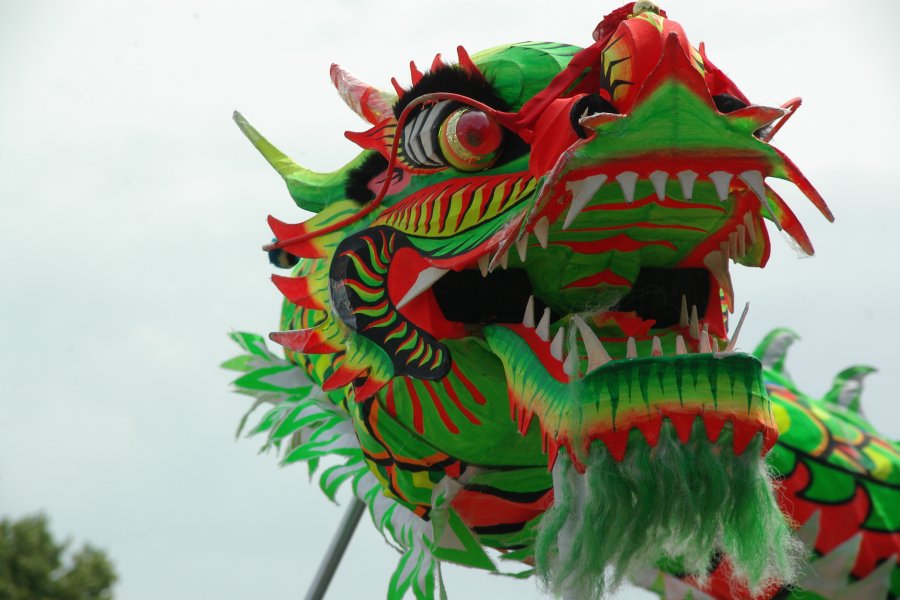 🇨🇳 China and 3 moreDragon dance舞龍 / 舞龙
A long dragon puppet on poles, danced by a team at Chinese New Year and other festivalsPerformance
🇨🇳 China and 3 moreDragon dance舞龍 / 舞龙
A long dragon puppet on poles, danced by a team at Chinese New Year and other festivalsPerformance
 🇰🇷 Jeju, South KoreaGut굿
Sacred rites of song, dance, and spirit communion performed by Korean shamansSpiritual
🇰🇷 Jeju, South KoreaGut굿
Sacred rites of song, dance, and spirit communion performed by Korean shamansSpiritual
 🇨🇳 China and 5 moreLion dance舞獅
A dynamic ritual dance featuring costumed lions, drums and martial acrobaticsPerformance
🇨🇳 China and 5 moreLion dance舞獅
A dynamic ritual dance featuring costumed lions, drums and martial acrobaticsPerformance