Festivals and celebrationsNorth AmericaChristian
Tamalada
A gathering where tamales are the main dish or a communal tamale-making party in Mexican and Hispanic cultures.

In Mexico, a tamalada is a celebration or meal centered on tamales, often held outdoors as a picnic or at home. In the United States, it refers to a social event where family and friends gather to make tamales together, particularly during the holiday season.
When is Tamalada kept?
Tamalada is kept on year-round for meals; specifically around Christmas and Candlemas for gatherings.
A tamalada is a festive gathering centered on tamales, serving as both a meal and a social event. In Mexico, it functions as a picnic or home party where tamales are the star dish. Among Hispanic communities in the United States, it has evolved into a communal activity focused on the collective preparation of tamales.
What it is
The term describes any secular or religious celebration where tamales are the primary food. Historically, it was synonymous with a picnic because tamales are portable and easy to eat outdoors. It represents a meal shared among family members or close friends, emphasizing community and connection over mere consumption.
Origins and history
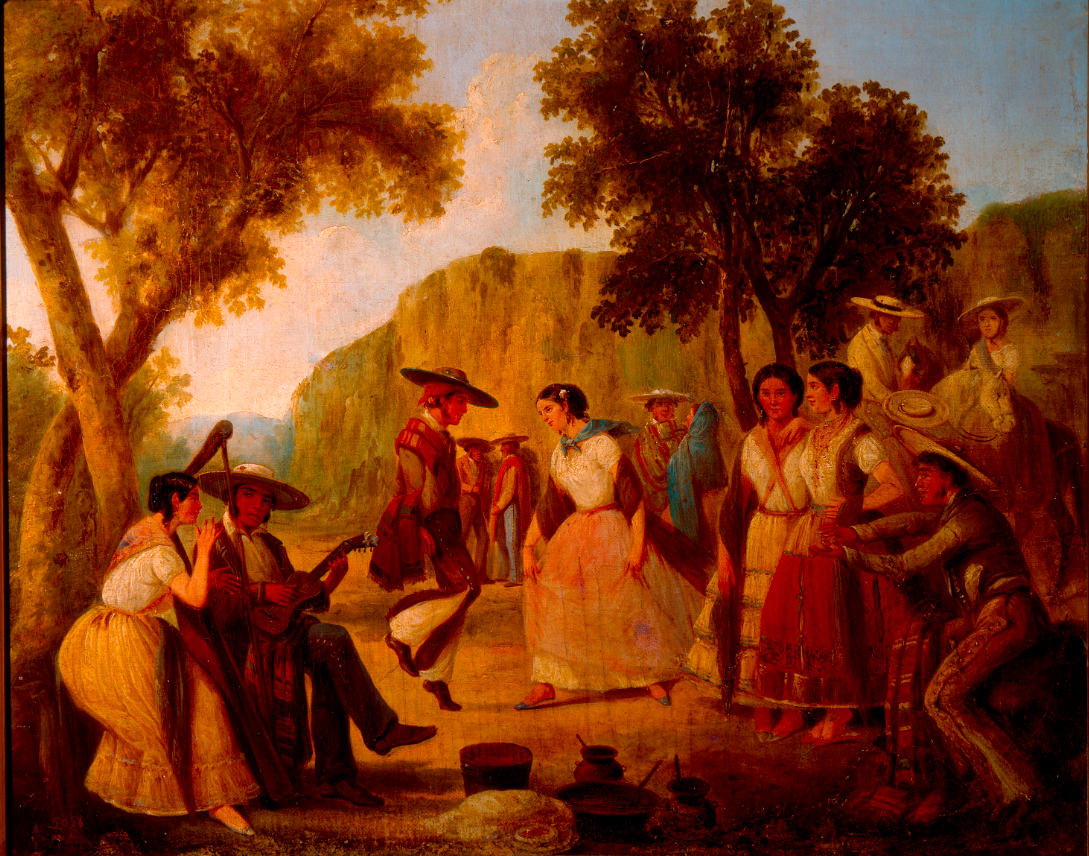
Tamales originate from Mesoamerican traditions, using nixtamalized corn dough steamed in husks or leaves. The concept of the tamalada was formalized in the early twentieth century by linguist Francisco J. Santamaría. Early accounts describe outdoor gatherings featuring dancing, music, and specific desserts like chongos, highlighting its role as a leisure activity in scenic locations.
How it is kept
Participants engage in making or eating tamales depending on the region. In the United States, families form an assembly line to prepare masa, fillings, and wrapping, often led by a matriarch. This collaborative effort strengthens bonds between generations. In Mexico, the focus remains on the feast itself, often accompanied by traditional beverages and music during afternoon or evening events.
When it happens
Gatherings occur year-round for casual meals but hold special significance during specific holidays. A key tradition links the celebration to El Día de la Candelaria. Families who find figurines in Rosca de reyes cake on Epiphany are traditionally responsible for hosting a tamalada on Candlemas, ensuring the continuity of this seasonal ritual.
How Tamalada is kept
People gather to either prepare or consume tamales as the central activity. In the US Southwest, participants work together in an assembly line, with different individuals handling the dough, filling, or wrapping. This process often involves multiple generations working side by side. In Mexico, the event focuses on the enjoyment of the food, frequently including dancing, music, and shared drinks in outdoor settings.
When and where
It occurs throughout the year for general meals but is most prominent during the Christmas season and on El Día de la Candelaria. The date for the Candlemas gathering is determined by the discovery of figurines in the Rosca de reyes cake on Epiphany.
The tradition is strongest in Mexico and among Hispanic communities in the American Southwest. It appears in various Central American countries as well. The setting varies from private homes to parks, lakesides, or gardens, depending on whether the event is a formal feast or an informal picnic.
What Tamalada means
The tamalada symbolizes community cohesion and familial love. Sharing food reinforces social ties, while the collaborative preparation in the US highlights intergenerational knowledge transfer. The tradition connects modern participants to ancient Mesoamerican culinary roots, preserving cultural identity through shared labor and celebration.
Questions people ask about Tamalada
When is Tamalada kept?
Tamalada is kept on year-round for meals; specifically around Christmas and Candlemas for gatherings.
What exactly is a tamalada?
It is a gathering where tamales are the main dish. In Mexico, it is often a picnic or home party. In the US, it is a social event where people gather to make tamales together, emphasizing community and shared labor.
Where is this tradition found?
It is primarily found in Mexico and among Hispanic communities in the American Southwest. Variations also exist in some Central American countries, reflecting the widespread popularity of tamales across these regions.
How is it different from a regular dinner?
Unlike a standard meal, a tamalada emphasizes the social aspect of preparation or the festive nature of the outing. It often includes music, dancing, and specific desserts, turning a simple meal into a significant cultural celebration.
See also
 NalukataqA spring whaling festival of the Iñupiat in Northern Alaska, featuring a blanket toss and communal feast.
 JāņiAn annual Latvian summer solstice celebration of bonfires, singing and woven wreaths
 GuelaguetzaAn annual Oaxacan festival of indigenous dance, music, costumes and communal sharing
 Novy GodA secular winter celebration of decorated trees, family feasts and midnight gifts
Good reading and sources
The facts on this page come from the Wikipedia article "Tamalada", written by its contributors and used under the CC BY-SA 4.0 licence, and from its Wikidata record (CC0). EveryParampara rewrote the text in its own words, with AI assistance, and compares every page with the article to make sure no passage is copied. It may be reused under the same CC BY-SA 4.0 licence with a link back.
It may contain mistakes. Traditions differ from one family, village and community to the next, and the people who keep them know them best. If something is wrong, tell us. Last refreshed 2026-10-05.
More from Mexico
All the traditions of Mexico
🇲🇽 Oaxaca, Mexico and 1 moreGuelaguetza
An annual Oaxacan festival of indigenous dance, music, costumes and communal sharingFestival
 🇮🇪 Ireland and 5 moreHalloween
An annual observance on 31 October marking the eve of All Saints' Day, rooted in Christian tradition and Celtic heritageFestival · Sweets given and shared
🇮🇪 Ireland and 5 moreHalloween
An annual observance on 31 October marking the eve of All Saints' Day, rooted in Christian tradition and Celtic heritageFestival · Sweets given and shared
 🇲🇽 Mexico City, Mexico and 1 moreDay of the DeadDía de Muertos
A Mexican remembrance of deceased family and friends with altars, marigolds and feastsFestival · Sweets given and shared
🇲🇽 Mexico City, Mexico and 1 moreDay of the DeadDía de Muertos
A Mexican remembrance of deceased family and friends with altars, marigolds and feastsFestival · Sweets given and shared
 🇲🇽 Huamantla, Mexico and 4 moreSawdust carpettapete de aserrín
Colored sawdust designs laid on streets to greet religious processions in Latin America and beyond.Festival
🇲🇽 Huamantla, Mexico and 4 moreSawdust carpettapete de aserrín
Colored sawdust designs laid on streets to greet religious processions in Latin America and beyond.Festival
The same idea elsewhere
Hospitality and welcome compared 🇹🇷 Turkey and 5 moreEid al-Fitrعيد الفطر
The feast that ends Ramadan, opened with morning prayers, sweets and visits homeFestival · Feasts and festival meals
🇧🇩 Bangladesh and 3 moreAs-salamu alaykumسَلَامٌ عَلَيْكُمْ
A traditional Arabic greeting of peace exchanged in daily life and prayerEtiquette
🇹🇷 Turkey and 5 moreEid al-Fitrعيد الفطر
The feast that ends Ramadan, opened with morning prayers, sweets and visits homeFestival · Feasts and festival meals
🇧🇩 Bangladesh and 3 moreAs-salamu alaykumسَلَامٌ عَلَيْكُمْ
A traditional Arabic greeting of peace exchanged in daily life and prayerEtiquette
 🇮🇱 Jerusalem, IsraelSukkotסוכות
A seven-day autumn Jewish festival of temporary booths, harvest prayers and hospitalitySpiritual
🇮🇱 Jerusalem, IsraelSukkotסוכות
A seven-day autumn Jewish festival of temporary booths, harvest prayers and hospitalitySpiritual
 🇮🇱 Jerusalem, Israel and 1 morePurimפּוּרִים
A lively Jewish festival of storytelling, shared food, masks and charityFestival · Feasts and festival meals
🇮🇱 Jerusalem, Israel and 1 morePurimפּוּרִים
A lively Jewish festival of storytelling, shared food, masks and charityFestival · Feasts and festival meals