Music, dance and storytellingEurope
The Water of Life
In its own language: L'aigua de vida
A Catalan folk tale of a quest for magic water, a fragrant branch and a talking bird

The Water of Life is a traditional Catalan fairy tale from Spain about four hardworking siblings. When the three brothers are turned to stone seeking magical treasures on a mountain, their sister braves the trial and restores them.
The Water of Life is a Catalan fairy tale recorded in nineteenth-century Spain. It recounts the adventure of four hardworking siblings who build a grand palace and church, before embarking on a perilous mountain journey. To complete their estate, they seek three magical treasures: a speaking bird, a life-giving water source, and a tree branch of endless beauty. The story explores perseverance, familial loyalty and the restoration of fallen seekers.
The siblings and their quest
Four hardworking siblings achieve prosperity and build a lavish palace. After an elder suggests adding a church, they build one, but another visitor explains that the estate still lacks three essential wonders. These treasures are a talking bird, a branch whose scented blossoms bestow everlasting beauty, and a vessel of restorative water. Eager to complete their home, the eldest brother sets out on the quest, leaving behind a magical knife that will turn bloody if misfortune strikes him.
Trials on the mountain
On his journey, the brother meets a giant who warns him never to turn around when mocked by the mountain stones. The shouting stones provoke him, causing him to turn and transform into rock. Guided by the knife's warning, the other two brothers attempt the climb and suffer the same outcome. The sister then ventures up the peak, ignoring the jeers entirely. She collects the bird, branch and water, accidentally reviving petrified people when spilling a few drops. She sprinkles the liquid over all the stones, restoring everyone.
Collection and related tales
D. Francisco de S. Maspons y Labros recorded the story in his 1885 collection of Catalan popular tales, and Andrew Lang later featured it in his 1897 compilation, The Pink Fairy Book. Scholars classify the narrative under the ATU 707 tale type, noted for quests involving talking birds and magical waters. Unlike many related European variants, this version omits the trope of jealous relatives attempting to conceal the royal lineage of abandoned children.
How The Water of Life is kept
The story begins with three brothers and their sister who gain wealth through hard labour and erect a palace and church. Advised by an elder, the eldest brother sets out to retrieve a talking bird, restorative water and a fragrant branch, guided by a magic knife that signals danger. After he and his younger brothers are petrified by taunting mountain stones, the sister makes the climb. Ignoring the voices, she secures the items, revives the petrified travellers with the water, returns home and marries a visiting prince.
When and where
The tale originates in Catalonia in northeastern Spain. It forms part of the region's traditional folklore and was documented as part of nineteenth-century efforts to record regional oral heritage.
What The Water of Life means
In the narrative, the water of life represents revival and redemption, capable of reversing curses and restoring humanity to those turned into stone. The test of the mountain highlights emotional control and resolve, where succumbing to mockery brings doom, while steady focus brings reward and restores the family.
Questions people ask about The Water of Life
What is The Water of Life?
The Water of Life is a Catalan fairy tale about three brothers and a sister. After building a palace and church, the siblings seek three wondrous objects on a perilous mountain: a talking bird, a restorative pitcher of water, and a fragrant branch granting eternal beauty.
Where does this tradition come from?
The story comes from Catalonia in Spain. It was recorded by folklorist D. Francisco de S. Maspons y Labros in 1885 and later translated into English by Andrew Lang in 1897.
How is the curse broken in the story?
The sister climbs the mountain without looking back at the jeering stones. She gathers the magical treasures and sprinkles the water of life over the stones, successfully reviving her brothers and the other petrified travellers.
What makes this version distinct from similar folk tales?
While it shares elements with other tales of magical birds and waters, this Catalan variant does not include the common motif of jealous relatives attempting to conceal that the siblings are royal children.
See also
 CandlemasA Christian feast of candle blessings marking the end of the Christmas season
 BullfightingA ritual contest between a bullfighter and a bull, kept in Spain and Latin America
 BotafumeiroA giant swinging censer of brass and silver that fills the Santiago de Compostela Cathedral with incense during solemn f
 St John's EveBonfires, feasting and worship on the short night before John the Baptist's feast
Good reading and sources
The facts on this page come from the Wikipedia article "The Water of Life (Spanish fairy tale)", written by its contributors and used under the CC BY-SA 4.0 licence, and from its Wikidata record (CC0). EveryParampara rewrote the text in its own words, with AI assistance, and compares every page with the article to make sure no passage is copied. It may be reused under the same CC BY-SA 4.0 licence with a link back.
It may contain mistakes. Traditions differ from one family, village and community to the next, and the people who keep them know them best. If something is wrong, tell us. Last refreshed 2026-10-07.
More from Spain
All the traditions of Spain 🇲🇦 Morocco and 5 moreAndalusi classical musicطرب أندلسي
A classical suite of vocal and instrumental music shared across North AfricaPerformance
🇲🇦 Morocco and 5 moreAndalusi classical musicطرب أندلسي
A classical suite of vocal and instrumental music shared across North AfricaPerformance
 🇪🇸 Seville, SpainSevillanas
A folk dance and song from Seville, kept at fairs and festivals across Andalusia.Performance
🇪🇸 Granada, SpainCante jondo
A solemn and profound vocal tradition of Andalusian flamenco song.Performance
🇪🇸 Seville, SpainSevillanas
A folk dance and song from Seville, kept at fairs and festivals across Andalusia.Performance
🇪🇸 Granada, SpainCante jondo
A solemn and profound vocal tradition of Andalusian flamenco song.Performance
 🇪🇸 Spain and 1 moreBertsolaritza
Improvised songs sung in Basque, rhymed on the spot at contests and gatheringsPerformance
🇪🇸 Spain and 1 moreBertsolaritza
Improvised songs sung in Basque, rhymed on the spot at contests and gatheringsPerformance
The same idea elsewhere
Healing, luck and protection compared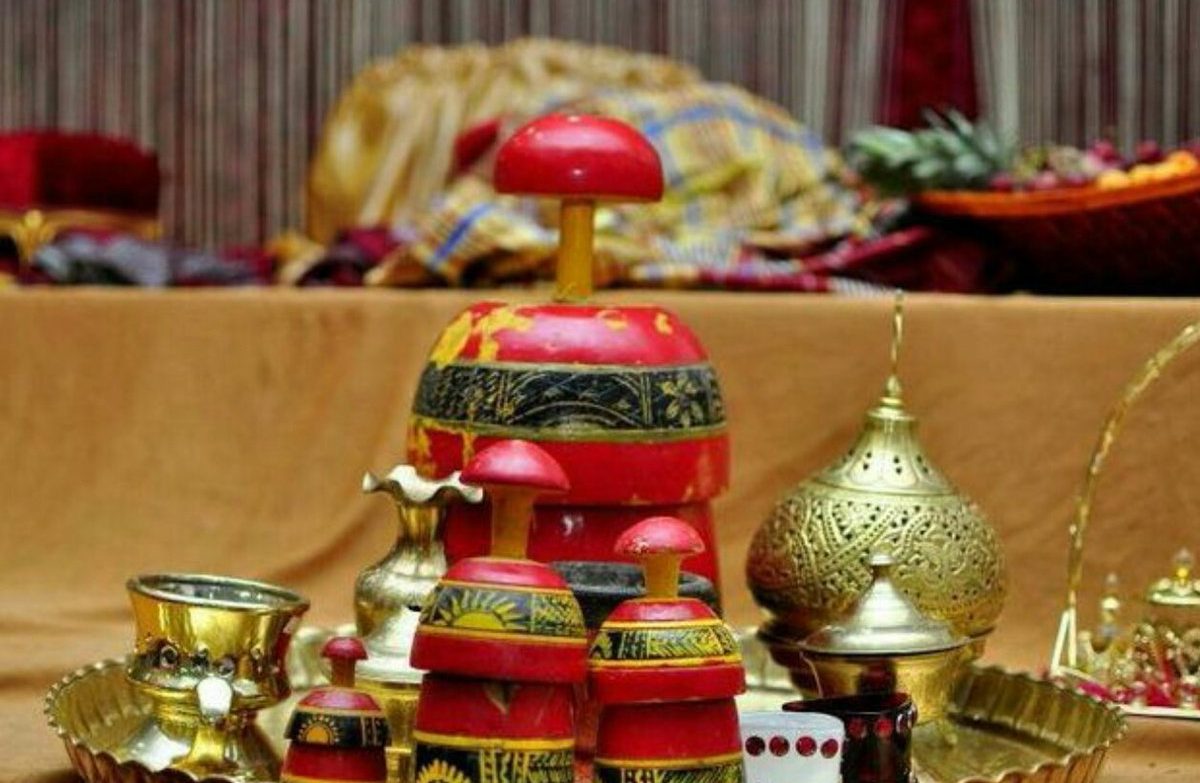 🇸🇩 SudanJirtigالجَرْتِقْ
A Sudanese wedding ritual of regal adornment, protection, and blessings of fertilityRite of passage
🇸🇩 SudanJirtigالجَرْتِقْ
A Sudanese wedding ritual of regal adornment, protection, and blessings of fertilityRite of passage
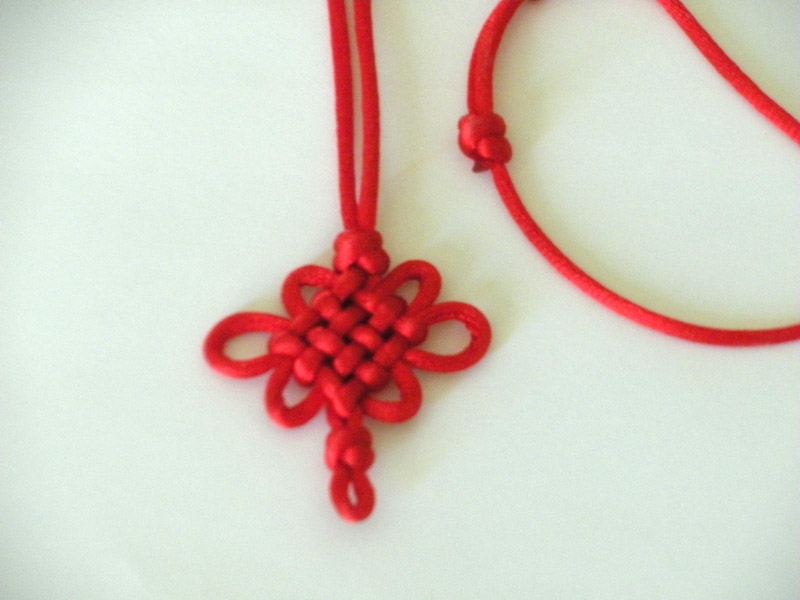 🇨🇳 China and 2 moreChinese knotting中國結 (Zhōngguó jié)
A folk craft of cord tied into lucky shapes, made in China and given as charmsCraft
🇨🇳 China and 2 moreChinese knotting中國結 (Zhōngguó jié)
A folk craft of cord tied into lucky shapes, made in China and given as charmsCraft
 🇮🇩 Bali, Indonesia and 5 moreIkat
A resist-dyeing craft from Southeast Asia, where yarns are tied and dyed before weavingCraft
🇮🇩 Bali, Indonesia and 5 moreIkat
A resist-dyeing craft from Southeast Asia, where yarns are tied and dyed before weavingCraft
 🇱🇰 Kandy, Sri LankaKandyan danceඋඩරට නැටුම්
The sacred dance of Sri Lanka's hill country, kept in temple and on the stagePerformance
🇱🇰 Kandy, Sri LankaKandyan danceඋඩරට නැටුම්
The sacred dance of Sri Lanka's hill country, kept in temple and on the stagePerformance