Traditional Chinese wedding dress
The ceremonial bridal garments worn in Han Chinese marriage ceremonies

Traditional Chinese wedding dress includes varied styles of ceremonial clothing worn by Han Chinese brides during weddings. Dating back through imperial dynasties, these two-piece sets and gowns feature symbolic embroidery like dragons, phoenixes, flowers, and birds.
When is Traditional Chinese wedding dress kept?
Traditional Chinese wedding dress is kept during traditional Chinese wedding ceremonies.
Traditional Chinese wedding dress encompasses the distinctive ceremonial garments worn by Han Chinese brides during marriage rites. Shaped across dynasties by sumptuary rules and tailoring traditions, these outfits often feature two-piece designs decorated with rich embroidery. Modern brides select from several historical and adapted styles, including the embroidered qungua, the classic cheongsam, and regional robes paired with elaborate headwear.
Major bridal styles
Han bridal outfits traditionally adhere to the yichang structure, combining a tailored top garment with a matching skirt. The qungua consists of a jacket and a straight or pleated skirt, classified into five grades depending on the density of its embroidered patterns. Another well-known ensemble is the xiuhefu, which pairs an A-line skirt resembling a mamianqun with a waist-length jacket. The cheongsam, also called a qipao or mandarin gown, developed from Manchu clothing during the Qing dynasty and became a fashionable alternative after 1912.
Dynastic origins and history
Regulations governing ceremonial attire and personal ornaments began during the Zhou dynasty, establishing formal standards for wedding garments over successive eras. During the Ming and Qing periods, the fengguan xiapei ensemble gained prominence. In the Qing dynasty, this outfit featured a red python jacket over a red or green skirt decorated with dragons and phoenixes. The set took its name from the bridal coronet and a decorative stole or waistcoat, which married women subsequently wore for formal civic events over trousers.
Symbolism and dowry craft
Handcrafting wedding garments was historically an intimate family effort. In the eighteenth century, a mother would begin embroidering a qungua shortly after her daughter's birth to complete the intricate needlework in time for the bridal dowry. Motifs hold specific meanings, such as floral and avian designs on the xiuhefu that represent love through all seasons of the year, while dragons and phoenixes evoke harmony and auspiciousness.
Modern adaptations
While historically created at home, bridal attire such as the qungua has evolved into commercially produced ceremonial wear. Media has also shaped contemporary interest. The modern xiuhefu gained widespread popularity in 2001 after actress Zhou Xun wore a recreated Qing-style aoqun in the television drama Orange Turned Red, leading audiences to name the costume after her character, Xiu He. Today, brides across Hong Kong, Shanghai, and wider China choose among these varied historical styles.
How Traditional Chinese wedding dress is kept
A bride selects a traditional style such as a qungua, xiuhefu, or cheongsam for her wedding ceremonies. In historic practice, she would don the two-piece ensemble along with specific adornments like the phoenix coronet and stole. After the wedding, certain garments like the fengguan xiapei were retained to wear over trousers during formal occasions.
When and where
The garments are worn on the day of a Chinese marriage ceremony. In earlier periods, certain parts of the formal wedding ensemble were also donned later by married women during major ceremonial and formal events.
This tradition is observed across China and among Han Chinese communities globally, with styles like the cheongsam gaining early twentieth-century prominence in urban centers such as Shanghai and Hong Kong.
What Traditional Chinese wedding dress means
Embroidered motifs convey auspicious wishes for the new union. Dragon and phoenix patterns stitched onto bridal jackets and skirts symbolize marital harmony. The floral and bird designs decorating xiuhefu garments specifically represent enduring love throughout all four seasons of the year.


Questions people ask about Traditional Chinese wedding dress
When is Traditional Chinese wedding dress kept?
Traditional Chinese wedding dress is kept during traditional Chinese wedding ceremonies.
What is traditional Chinese wedding dress?
It is the collective term for the various styles of ceremonial clothing worn by Han Chinese brides during traditional marriage ceremonies, including two-piece sets and gowns developed across Chinese history.
What are the main types of Chinese bridal attire?
The primary styles include the two-piece qungua, the xiuhefu with floral embroidery, the fengguan xiapei set with its distinctive headgear, and the one-piece cheongsam or qipao.
How was the qungua traditionally made?
Starting in the eighteenth century, a mother would hand-sew the qungua from the time her daughter was born, presenting the completed embroidered set as part of the bride's wedding dowry.
Where does the name xiuhefu come from?
The name arose in 2001 after actress Zhou Xun wore a recreation of a Qing dynasty bridal outfit while playing the character Xiu He in the television drama Orange Turned Red.
See also
 HanbokKorea's customary dress: a short jacket, a skirt or trousers, and a bow-tied ribbon
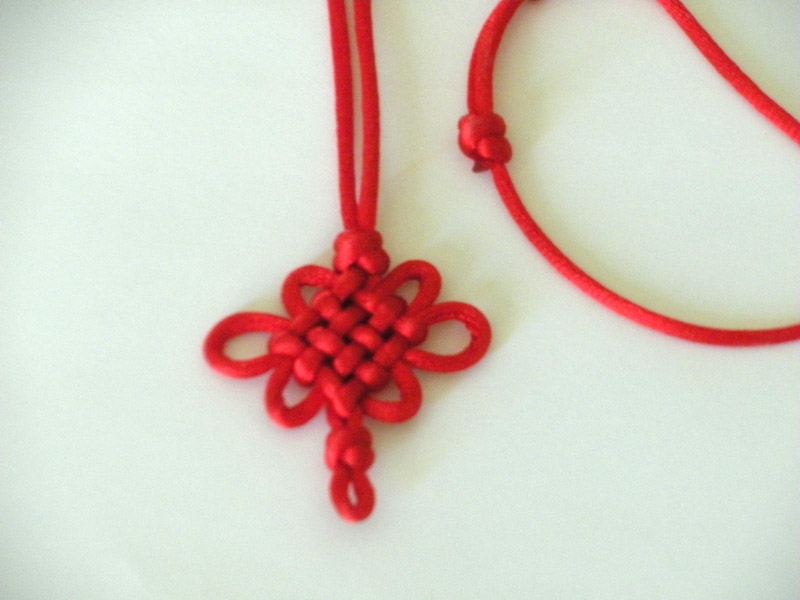 Chinese knottingA folk craft of cord tied into lucky shapes, made in China and given as charms
 KizombaA close, slow couple dance from Angola, named after a Kimbundu word for party
 Lion danceA dynamic ritual dance featuring costumed lions, drums and martial acrobatics
Good reading and sources
The facts on this page come from the Wikipedia article "Traditional Chinese wedding dress", written by its contributors and used under the CC BY-SA 4.0 licence, and from its Wikidata record (CC0). EveryParampara rewrote the text in its own words, with AI assistance, and compares every page with the article to make sure no passage is copied. It may be reused under the same CC BY-SA 4.0 licence with a link back.
It may contain mistakes. Traditions differ from one family, village and community to the next, and the people who keep them know them best. If something is wrong, tell us. Last refreshed 2026-10-06.
More from China
All the traditions of China
🇰🇷 South Korea and 2 moreHanbok한복
Korea's customary dress: a short jacket, a skirt or trousers, and a bow-tied ribbonDress
 🇨🇳 ChinaHuadian花鈿
A forehead ornament of Chinese women, painted or fixed on, still worn with hanfuDress
🇨🇳 ChinaHuadian花鈿
A forehead ornament of Chinese women, painted or fixed on, still worn with hanfuDress
 🇨🇳 ChinaMamianqun馬面裙 (马面裙)
A Chinese wrap skirt with flat front and back panels, worn over trousers with a jacketDress
🇨🇳 ChinaMamianqun馬面裙 (马面裙)
A Chinese wrap skirt with flat front and back panels, worn over trousers with a jacketDress
 🇪🇬 Egypt and 5 moreTraditional tattooing
The ancient custom of marking the skin for protection, healing, status and sacred ritesDress
🇪🇬 Egypt and 5 moreTraditional tattooing
The ancient custom of marking the skin for protection, healing, status and sacred ritesDress
The same idea elsewhere
Weddings compared 🇼🇸 Samoa and 1 moreʻIe tōga
Precious woven mats exchanged in Samoan ceremonies to honor family ties and chiefly status.Dress
🇼🇸 Samoa and 1 moreʻIe tōga
Precious woven mats exchanged in Samoan ceremonies to honor family ties and chiefly status.Dress
 🇹🇱 Timor-LesteUma Lulik
Sacred ancestral clan houses and ritual shrines in East TimorSpiritual
🇹🇱 Timor-LesteUma Lulik
Sacred ancestral clan houses and ritual shrines in East TimorSpiritual
 🇮🇩 Indonesia and 2 moreKenduri
A communal prayer meal and gathering shared across Indonesia, Malaysia and BruneiSpiritual · Feasts and festival meals
🇺🇬 UgandaKwanjula
A formal marriage introduction ritual of the Baganda people in Uganda, where families meet to exchange gifts and seek blRite of passage
🇮🇩 Indonesia and 2 moreKenduri
A communal prayer meal and gathering shared across Indonesia, Malaysia and BruneiSpiritual · Feasts and festival meals
🇺🇬 UgandaKwanjula
A formal marriage introduction ritual of the Baganda people in Uganda, where families meet to exchange gifts and seek blRite of passage