Crafts and makingSouth AsiaMuslimHindu
South Asian truck art
The craft of painting and adorning cargo trucks and buses across India and Pakistan.

Drivers and craftspeople in India and Pakistan turn heavy commercial vehicles into travelling displays of folk painting, calligraphy, mirrors and carved woodwork. Originating in the 1920s, the craft gives long-distance drivers a reminder of home while displaying regional symbols and protective motifs.
When is South Asian truck art kept?
South Asian truck art is kept on whenever a commercial vehicle is built, customised or refurbished.
South Asian truck art is a decorative craft practiced across Pakistan and India, where cargo trucks, buses and smaller vehicles are painted with elaborate scenes, poetic lines and local motifs. Originating when imported trucks arrived in the 1920s, this practice allows drivers who spend months away on the road to carry reminders of home, express personal or spiritual beliefs, and protect their vehicles through distinctive regional styles.
Origins and history
Imported commercial trucks first reached British-ruled South Asia during the 1920s. Local artisans soon began embellishing these motor vehicles using existing regional folk painting techniques. During the Second World War, vehicles often bore the mark OK because they ran on flammable kerosene fuel, a phrase that survives in common road slogans. In later decades, foreign soldiers in Afghanistan called decorated Pakistani transport vehicles jingle trucks because of the metal chains and pendants dangling from their bumpers. Over time, workshops developed specialised traditions passed down through generations of painters.
Craft and workshop techniques
Customising a vehicle is an intensive process carried out at coach workshops, often costing owners thousands of dollars. Craftspeople apply bright paints, ornamental calligraphy, hand-cut wooden panels on doors, and reflective mirror mosaics to the vehicle body. In Pakistan, Sindh features red palettes and camel bone decorations, while Balochistan and Peshawar rely on heavy wooden trims, and Rawalpindi is known for plastic details. Karachi developed a distinct approach nicknamed disco art, which incorporates flashing lights, glass and mirrors. In northern India, artisans in Punjab, Delhi and Uttar Pradesh paint slogans, verses and regional emblems.
Motifs and meaning
The imagery painted across vehicle panels reflects spiritual traditions, political loyalties and folk beliefs. Pakistani trucks frequently carry Islamic iconography, local landscapes, portraits and lyrical Urdu poetry. Indian trucks regularly display emblems such as eagles, cows nuzzling calves, and protective nazar battu charms meant to ward off misfortune. Common highway slogans like Horn OK Please and instructions to dim lights at night share space with philosophical couplets. Because drivers often travel for months at a time, these visual displays create a mobile sanctuary that connects them to their home communities.
Beyond the highway
In recent years, vehicle painting has moved into new creative formats. The decorative visual language has appeared on city taxis in Mumbai, a vintage Volkswagen driven from Pakistan to Europe, and urban murals in foreign cities. Fashion designers have adapted its patterns for clothing and footwear, while printmakers and graphic designers translate traditional compositions into digital prints and online artwork. Master painters have also demonstrated their craft abroad at cultural festivals and applied truck art motifs to shipping containers and aeroplanes.
How South Asian truck art is kept
Owners bring new or working vehicles to specialised coach workshops, where teams of carpenters, metalworkers and painters collaborate on custom fittings. Artisans carve wooden door panels, attach dangling chains and metal pendants beneath the bumper, and install mirror mosaics or plastic elements according to regional styles. Painters then coat the exterior with layers of bright paint, applying religious symbols, historical figures, nature scenes and protective talismans. Finally, calligraphers add popular road catchphrases, political markers and lines of poetry before the vehicle returns to highway service.
When and where
Truck decoration takes place whenever an owner acquires a vehicle, undertakes major mechanical repairs, or commissions a visual overhaul. The art remains visible year-round as vehicles travel along regional transport routes and national highways.
The tradition is practiced across Pakistan and India, with transport routes extending into Afghanistan. Major workshop hubs operate in Pakistani cities such as Karachi, Rawalpindi, Peshawar, Quetta and Lahore, as well as Indian centres including Punjab, Indore and Delhi.
What South Asian truck art means
Decorations serve as personal markers for drivers working far from home for extended stretches. Religious iconography and nazar battu talismans offer spiritual protection during dangerous long-haul journeys. Poetic verses, political symbols and regional crafts express identity and pride, while highway slogans communicate with other motorists on the road.


Questions people ask about South Asian truck art
When is South Asian truck art kept?
South Asian truck art is kept on whenever a commercial vehicle is built, customised or refurbished.
What is South Asian truck art?
It is a decorative tradition from India and Pakistan where cargo trucks, buses and other vehicles are covered in hand-painted scenes, mirror mosaics, carved woodwork and poetic calligraphy.
Why are these vehicles called jingle trucks?
The name was coined by American military personnel in Afghanistan to describe Pakistani transport vehicles. It refers to the pleasant ringing noise created by metal chains and pendants hanging from vehicle bumpers.
What themes appear on Indian and Pakistani trucks?
Pakistani trucks often display Islamic motifs, regional landscapes and Urdu poetry. Indian trucks frequently feature protective nazar battu signs, cows with calves, eagles, and famous driving slogans such as Horn OK Please.
Where are the major centres for this craft?
In Pakistan, key hubs include Karachi, Rawalpindi, Peshawar, Lahore and Quetta. In India, significant centres include the state of Punjab, the city of Indore, and workshops across Uttar Pradesh and Delhi.
See also
 Postpartum confinementA period of rest, nourishment, and seclusion for mothers after giving birth.
 ThaipusamA Tamil Hindu festival honoring Murugan through devotional burdens and pilgrimage
 Chhath PujaA four-day Hindu festival honouring the sun and Chhathi Maiya along riverbanks
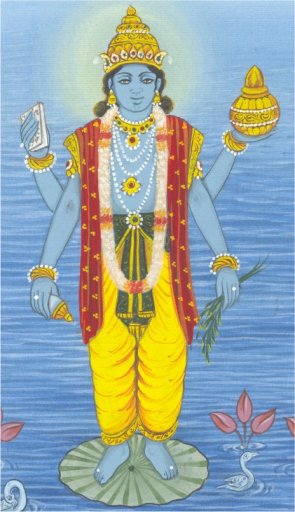 DhanterasThe first day of Diwali, a festival of lamps, health and wealth kept across India and Nepal.
Good reading and sources
- From Pakistan to Paris, by VW BeetleThe Guardian, Article
- Truck art inspires fashion rangeBBC, Article
- Meet the men who convert trucks into colourful canvasesHindustan Times, Article
- Ode to the Road: Truck Art of North IndiaSahapedia, Article
- From Pakistan to Paris, by VW BeetleThe Guardian, Article
- Truck art inspires fashion rangeBBC, Article
- Meet the men who convert trucks into colourful canvasesHindustan Times, Article
- Ode to the Road: Truck Art of North IndiaSahapedia, Article
- Truck art in South Asia on WikipediaEncyclopedia
- More photos on Wikimedia CommonsPhotos and video
- Wikidata recordOpen data
The facts on this page come from the Wikipedia article "Truck art in South Asia", written by its contributors and used under the CC BY-SA 4.0 licence, and from its Wikidata record (CC0). EveryParampara rewrote the text in its own words, with AI assistance, and compares every page with the article to make sure no passage is copied. It may be reused under the same CC BY-SA 4.0 licence with a link back.
It may contain mistakes. Traditions differ from one family, village and community to the next, and the people who keep them know them best. If something is wrong, tell us. Last refreshed 2026-10-04.
More from Pakistan
All the traditions of Pakistan 🇮🇳 India and 1 morePhulkariਫੁਲਕਾਰੀ
Geometric and floral threadwork embroidered by Punjabi women on handwoven cotton.Craft
🇮🇳 India and 1 morePhulkariਫੁਲਕਾਰੀ
Geometric and floral threadwork embroidered by Punjabi women on handwoven cotton.Craft
 🇮🇷 Isfahan, Iran and 3 morePersian gardenباغ ایرانی
An ancient tradition of creating walled, geometric sanctuaries of shade and flowing waterCraft
🇮🇷 Isfahan, Iran and 3 morePersian gardenباغ ایرانی
An ancient tradition of creating walled, geometric sanctuaries of shade and flowing waterCraft
 🇮🇷 Iran and 4 moreZardoziزردوزی (zarduzi)
Heavy gold and silver embroidery on silk or velvet, worked in Iran, India and beyondCraft
🇮🇷 Iran and 4 moreZardoziزردوزی (zarduzi)
Heavy gold and silver embroidery on silk or velvet, worked in Iran, India and beyondCraft
 🇮🇳 Bhuj, India and 1 moreBandhani
Tie-dye cloth from India, knotted by hand and dipped in dye to leave dot patternsCraft
🇮🇳 Bhuj, India and 1 moreBandhani
Tie-dye cloth from India, knotted by hand and dipped in dye to leave dot patternsCraft
The same idea elsewhere
Healing, luck and protection compared 🇮🇹 Rome, Italy and 4 moreValentine's Day
A Christian feast day and cultural celebration of love kept on February 14 in many countries.Festival
🇮🇹 Rome, Italy and 4 moreValentine's Day
A Christian feast day and cultural celebration of love kept on February 14 in many countries.Festival
 🇩🇪 Germany and 5 moreChristmas tree
A decorated evergreen or artificial tree placed indoors to mark the Christmas season.Festival
🇩🇪 Germany and 5 moreChristmas tree
A decorated evergreen or artificial tree placed indoors to mark the Christmas season.Festival
 🇫🇷 France and 5 moreCandlemas
A Christian feast of candle blessings marking the end of the Christmas seasonSpiritual
🇫🇷 France and 5 moreCandlemas
A Christian feast of candle blessings marking the end of the Christmas seasonSpiritual
 🇺🇸 United States and 4 moreFriday the 13th
A Western folk superstition regarding the unluckiness of a Friday falling on the 13th.Folklore
🇺🇸 United States and 4 moreFriday the 13th
A Western folk superstition regarding the unluckiness of a Friday falling on the 13th.Folklore