Folklore and beliefSoutheast Asia
Vietnamese zodiac
In its own language: Mười hai con giáp
A twelve-year cycle of animal years, kept in Vietnam on the lunar calendar
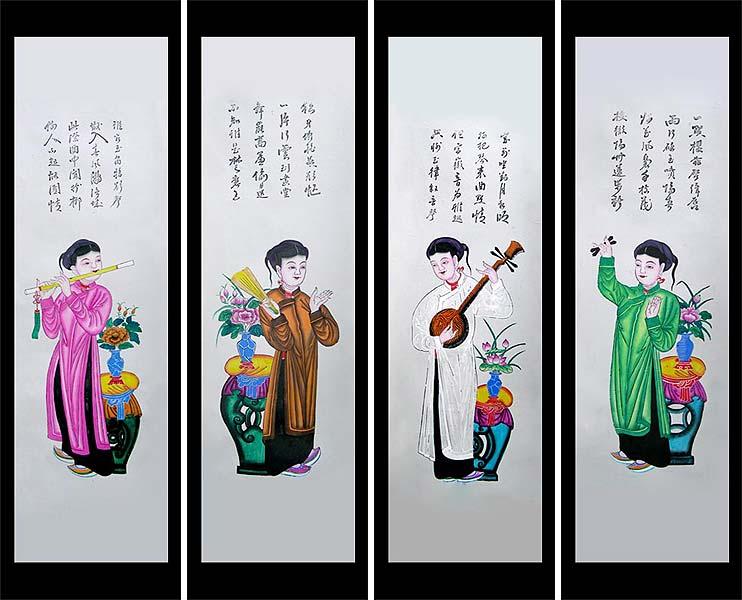
The Vietnamese zodiac is a traditional way of classifying years on the lunar calendar, giving each year an animal and the qualities people attach to it. Twelve animal years make one round, and five rounds make a sixty-year cycle called a hồi; the sources trace it to the Chinese zodiac, with the water buffalo and the cat as Vietnam's changes.
When is Vietnamese zodiac kept?
Vietnamese zodiac is kept each lunar year carries one animal, in a twelve-year repeating cycle.
In Vietnam, years are counted with animals. The Vietnamese zodiac is the traditional scheme behind that counting: each lunar year takes one animal, and the qualities reputed to that animal are tied to the year and to the people born in it. Twelve years make a round, and five rounds make a sixty-year hồi. The system came from the Chinese zodiac, with the water buffalo and the cat as Vietnam's own animals.
What it is
The Vietnamese zodiac is a traditional Vietnamese classification scheme for years. It rests on the lunar calendar, so its years follow the moon rather than starting on the first of January. Each year of the round is given an animal, and each animal carries qualities that people repute to that year. In Vietnamese the zodiac is called Mười hai con giáp. Twelve animal years follow one another, then the sequence starts again, so the same animal returns every twelve years. Five of these twelve-year rounds together make a longer cycle of sixty years, which the sources call a hồi.
Where it comes from
The sources describe the Vietnamese zodiac as originating from the Chinese zodiac. It keeps the same animals in the same arrangement and uses them in the same way, so the two systems are close relatives. Vietnam's version differs on two signs. Where the Chinese cycle has an ox, the Vietnamese has a water buffalo. Where the Chinese has a rabbit, the Vietnamese has a cat. Those two changes are the clearest mark of a Vietnamese version, and the sources give a reason for one of them.
Cats and water buffalo
One of the two differences has an explanation in the sources, and it is a matter of sound. The Chinese character for the rabbit sign, 卯, is pronounced in a way that is very close to mèo, the Vietnamese word for cat. According to the source, that likeness in pronunciation is why the Vietnamese zodiac put a cat where the Chinese zodiac has a rabbit. The other change is not explained in the same way: the water buffalo simply stands in the place of the ox. Together the cat and the water buffalo are the two animals that set the Vietnamese cycle apart.
Counting the cycles
The zodiac does not stand alone. The sources describe the Vietnamese lunar calendar as divided into sixty-year cycles, each one known as a hồi, and each hồi holds five of the twelve-year animal cycles. The animal years therefore sit inside a larger way of reckoning time. Counting in twelve is the short view; counting in sixty is the long one. Five rounds of twelve animal years fill one hồi. The article lists three related subjects: Tết, the Vietnamese calendar, and the Vietnamese dragon.
How Vietnamese zodiac is kept
The zodiac works as a way of counting rather than a ceremony with steps. Each lunar year is named for one animal, and the qualities people repute to that animal are tied to the year. A person is linked to the animal of the year they were born in, and that animal comes round again for them every twelve years. Twelve animal years make a round; five rounds make the sixty-year hồi into which the sources say the Vietnamese lunar calendar is divided. The zodiac therefore runs quietly in the background of daily life, marking years, not days.
When and where
The zodiac runs on the lunar calendar, so its years turn with the lunar year rather than on the first of January. Each year carries one animal, and twelve years make a round. Five rounds make the sixty-year hồi that the sources give as the frame of the Vietnamese lunar calendar. The sources name no festival day for the zodiac itself.
The sources place the Vietnamese zodiac in Vietnam, where they describe it as the traditional Vietnamese classification of years. It is the Vietnamese form of the animal zodiac that the Chinese system shares with it, with the water buffalo and the cat marking out the Vietnamese version. The sources do not describe the zodiac as an established tradition in any other country.
What Vietnamese zodiac means
The zodiac gives years a character. An animal stands for qualities that people repute to a year and, by extension, to those born in it, so the scheme is a way of speaking about time and about people at once. Vietnam keeps two animals in places the Chinese zodiac fills differently, the water buffalo and the cat, and those two signs are the clearest mark of a Vietnamese version of a shared idea.
Questions people ask about Vietnamese zodiac
When is Vietnamese zodiac kept?
Vietnamese zodiac is kept each lunar year carries one animal, in a twelve-year repeating cycle.
What is the Vietnamese zodiac?
It is a traditional Vietnamese way of classifying years. It is based on the lunar calendar, and each year in the round is given an animal along with the qualities people repute to that animal. In Vietnamese it is called Mười hai con giáp.
How does it differ from the Chinese zodiac?
The sources say it originated from the Chinese zodiac and uses the same animals in the same arrangement. Two signs are different. The Vietnamese cycle has a water buffalo where the Chinese cycle has an ox, and a cat where the Chinese cycle has a rabbit.
Why a cat instead of a rabbit?
It comes down to sound, according to the source. The Chinese character for the rabbit sign, 卯, is pronounced in a way that is very near to mèo, which is the Vietnamese word for cat. That closeness is given as the reason the Vietnamese zodiac uses a cat.
How long is the cycle?
Twelve years make one round of animals. Five rounds make sixty years, a longer cycle known as a hồi. The sources say the Vietnamese lunar calendar is divided into these sixty-year hồi, and that each hồi holds five twelve-year animal cycles.
Where is it kept?
The sources describe it as the traditional Vietnamese classification scheme, so Vietnam is its home. They do not present it as an established tradition in other countries. The article lists Tết, the Vietnamese calendar and the Vietnamese dragon among the subjects closest to it.
See also
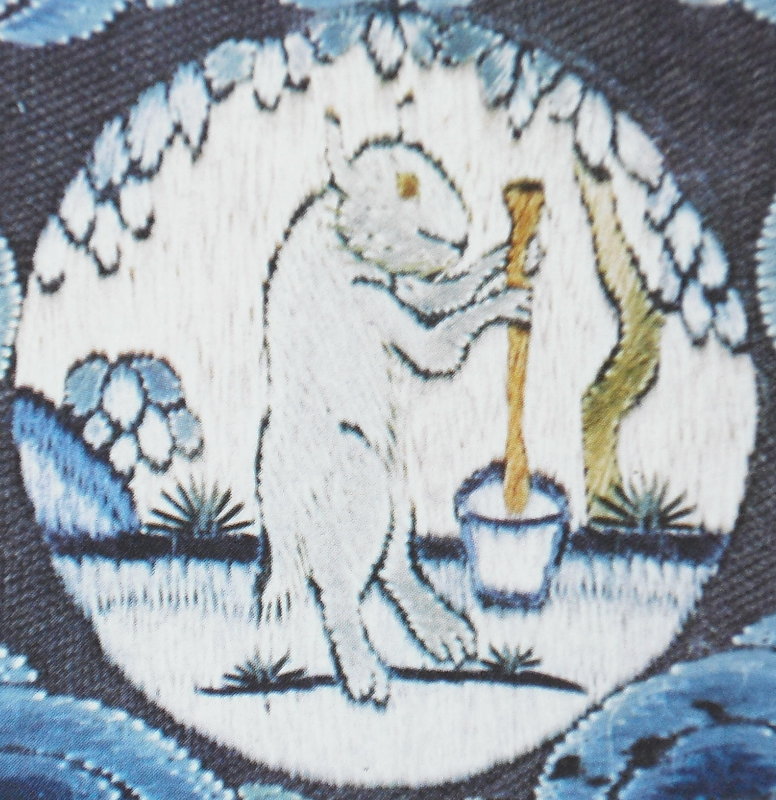 Moon rabbitA hare seen in the Moon's dark patches, pounding rice cakes or the elixir of life
 Water lanternSmall lamps floated on water to honour the dead and ask for good fortune
 CeladonGreen-glazed pottery first made in China, valued for colours that echo jadeFaceThe shared social etiquette of honour, dignity and mutual respect across cultures
Good reading and sources
- Vietnamese zodiac on WikipediaEncyclopedia
- More photos on Wikimedia CommonsPhotos and video
- Wikidata recordOpen data
The facts on this page come from the Wikipedia article "Vietnamese zodiac", written by its contributors and used under the CC BY-SA 4.0 licence, and from its Wikidata record (CC0). EveryParampara rewrote the text in its own words, with AI assistance, and compares every page with the article to make sure no passage is copied. It may be reused under the same CC BY-SA 4.0 licence with a link back.
It may contain mistakes. Traditions differ from one family, village and community to the next, and the people who keep them know them best. If something is wrong, tell us. Last refreshed 2026-10-09.
More from Vietnam
All the traditions of Vietnam
🇨🇳 China and 5 moreMoon rabbit月兔
A hare seen in the Moon's dark patches, pounding rice cakes or the elixir of lifeFolklore
🇨🇳 Hong Kong, China and 5 moreFace
The shared social etiquette of honour, dignity and mutual respect across culturesEtiquette
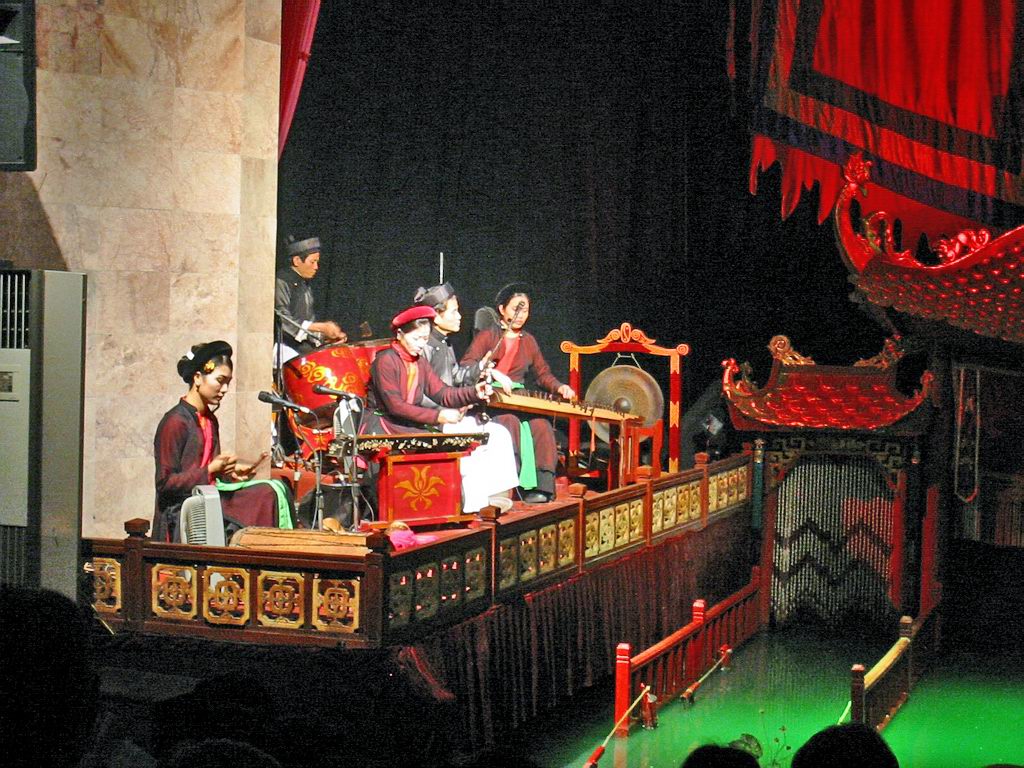 🇻🇳 Hoa Lư, VietnamChèo嘲
Satirical folk musical theatre performed by village troupes across northern VietnamPerformance
🇻🇳 Hoa Lư, VietnamChèo嘲
Satirical folk musical theatre performed by village troupes across northern VietnamPerformance
 🇨🇳 China and 5 moreLion dance舞獅
A dynamic ritual dance featuring costumed lions, drums and martial acrobaticsPerformance
🇨🇳 China and 5 moreLion dance舞獅
A dynamic ritual dance featuring costumed lions, drums and martial acrobaticsPerformance
The same idea elsewhere
All of this kind 🇬🇧 South Queensferry, United KingdomThe Burryman
A man clad in burdock burrs walks a Scottish town for a day, bringing luck as he goesFolklore
🇬🇧 South Queensferry, United KingdomThe Burryman
A man clad in burdock burrs walks a Scottish town for a day, bringing luck as he goesFolklore
 🇺🇸 United States and 4 moreFriday the 13th
A Western folk superstition regarding the unluckiness of a Friday falling on the 13th.Folklore
🇺🇸 United States and 4 moreFriday the 13th
A Western folk superstition regarding the unluckiness of a Friday falling on the 13th.Folklore
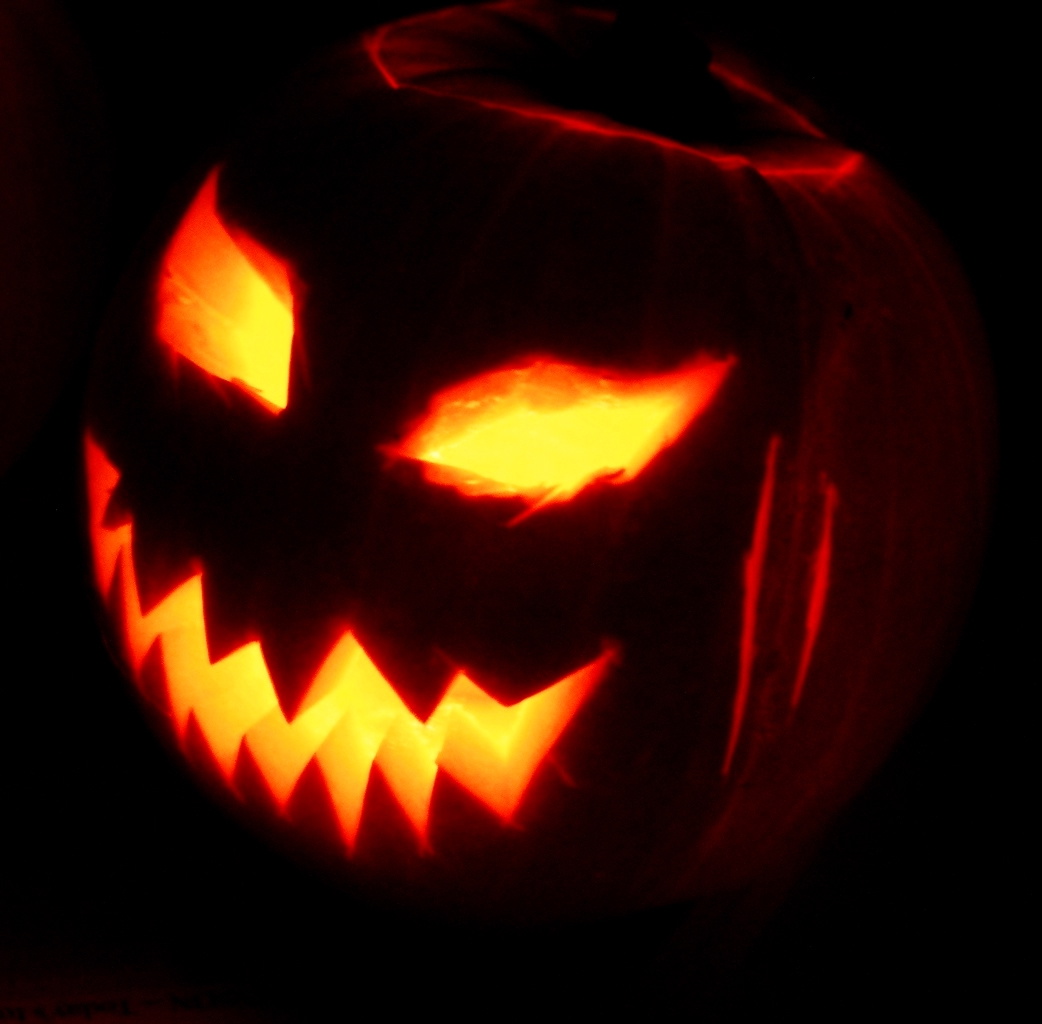 🇮🇪 Ireland and 2 moreJack-o'-lantern
A carved pumpkin lantern lit with a candle to brighten and protect Halloween nightsFolklore
🇮🇪 Ireland and 2 moreJack-o'-lantern
A carved pumpkin lantern lit with a candle to brighten and protect Halloween nightsFolklore
 🇸🇳 Senegal and 1 moreKumpo
A palm-leaf figure of the Diola, danced at village festivals to urge good conductFolklore
🇸🇳 Senegal and 1 moreKumpo
A palm-leaf figure of the Diola, danced at village festivals to urge good conductFolklore