Shinto, Taoist and folk Chinese traditions
Shinto, Taoist and folk Chinese traditions cover the native customs of Japan and China and their neighbours: shrine visits and festivals, ancestor veneration, temple fairs, the Lunar New Year, Qingming, the Hungry Ghost month, the rites of birth and marriage, feng shui and traditional medicine.
Shinto, Taoist and folk Chinese traditions cover the native customs of Japan and China and their neighbours: shrine visits and festivals, ancestor veneration, temple fairs, the Lunar New Year, Qingming, the Hungry Ghost month, the rites of birth and marriage, feng shui and traditional medicine. These are practised alongside Buddhism and Confucian ethics and often without a clear line between them. Many people take part in the customs without thinking of them as a religion. These pages describe them as those who keep them do.
Shrines, gods and spirits
In Shinto, kami, spirits of nature, places and ancestors, are honoured at shrines, with a bow, a clap, a coin and a prayer. Festivals, matsuri, carry the kami in portable shrines through the streets, accompanied by drums and food stalls. In Chinese folk religion, temples to local gods, such as Mazu and Guandi, are the centre of festivals, with incense, offerings and operas performed for the deities.
Ancestors and the year
Households keep an ancestral altar, and the year is marked by Lunar New Year, Qingming tomb sweeping, the Dragon Boat Festival, the Hungry Ghost Festival and the Mid-Autumn Festival. In Japan, hatsumode, setsubun, the Girls' Day and Obon give the year its rhythm. Many of these blend Buddhist, Taoist and Confucian elements, and families keep them as part of being at home.
Written by the EveryParampara desk with AI assistance. Background on Shinto, Taoist and folk Chinese (faith). Customs differ from place to place and family to family. If this is your tradition and we have it wrong, tell us.
 🇮🇳 India and 5 morePretaप्रेत
Offerings and rites for spirits enduring deep hunger across Asian traditions.Spiritual
🇮🇳 India and 5 morePretaप्रेत
Offerings and rites for spirits enduring deep hunger across Asian traditions.Spiritual
 🇯🇵 Tokyo, JapanShichi-Go-San七五三
A Japanese festival celebrating the growth of three-year-old girls, five-year-old boys, and seven-year-old girls.Rite of passage
🇯🇵 Tokyo, JapanShichi-Go-San七五三
A Japanese festival celebrating the growth of three-year-old girls, five-year-old boys, and seven-year-old girls.Rite of passage
 🇯🇵 JapanComing of Age Day成人の日
A Japanese public holiday welcoming new adults with municipal rites and celebrationsRite of passage
🇯🇵 JapanComing of Age Day成人の日
A Japanese public holiday welcoming new adults with municipal rites and celebrationsRite of passage
 🇨🇳 China and 6 moreRed envelope紅包 / 红包 (hóngbāo)
Money in a red packet, given at Lunar New Year, weddings and other big daysEtiquette
🇨🇳 China and 6 moreRed envelope紅包 / 红包 (hóngbāo)
Money in a red packet, given at Lunar New Year, weddings and other big daysEtiquette
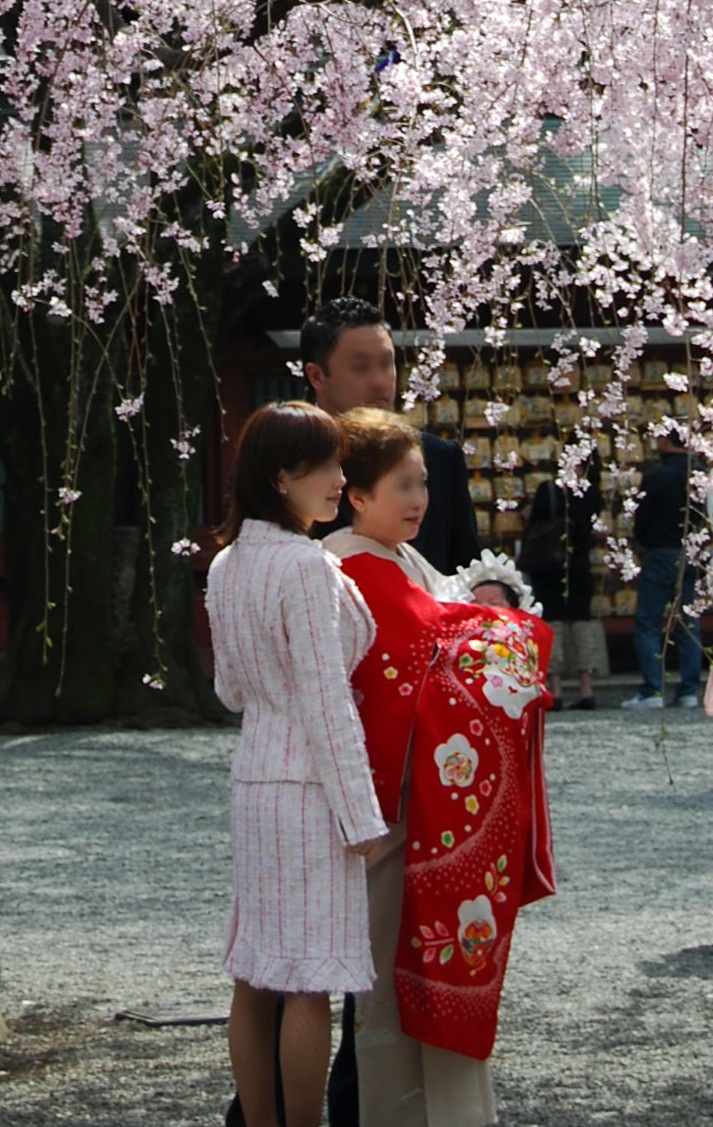 🇯🇵 JapanMiyamairi宮参り
A first visit to a Shinto shrine, about a month after a baby is bornRite of passage
🇯🇵 JapanMiyamairi宮参り
A first visit to a Shinto shrine, about a month after a baby is bornRite of passage
 🇨🇳 China and 5 moreJoss paper金紙 (jīnzhǐ)
Paper money burned for ancestors and gods, folded and offered in Chinese worshipSpiritual
🇨🇳 China and 5 moreJoss paper金紙 (jīnzhǐ)
Paper money burned for ancestors and gods, folded and offered in Chinese worshipSpiritual
 🇯🇵 JapanJapanese funeral葬儀 (sōgi)
A Buddhist farewell in Japan: a wake, cremation, bone-gathering and a family graveRite of passage
🇯🇵 JapanJapanese funeral葬儀 (sōgi)
A Buddhist farewell in Japan: a wake, cremation, bone-gathering and a family graveRite of passage
 🇯🇵 Tokyo, JapanShinto wedding神前結婚
A short purification ceremony before the kami, sealed by three cups of sakeRite of passage
🇯🇵 Tokyo, JapanShinto wedding神前結婚
A short purification ceremony before the kami, sealed by three cups of sakeRite of passage
 🇨🇳 ChinaChinese funeral rituals
Traditional rites of mourning, vigils, offerings, and ancestor veneration across ChinaRite of passage
🇨🇳 ChinaChinese funeral rituals
Traditional rites of mourning, vigils, offerings, and ancestor veneration across ChinaRite of passage
 🇨🇳 Beijing, ChinaHanfu漢服
The dress of the Han Chinese, named for the Han dynasty and worn again todayDress
🇨🇳 Taiyuan, ChinaGuan Li冠禮
The traditional Chinese coming-of-age capping ceremony for young menRite of passage
🇨🇳 Beijing, ChinaHanfu漢服
The dress of the Han Chinese, named for the Han dynasty and worn again todayDress
🇨🇳 Taiyuan, ChinaGuan Li冠禮
The traditional Chinese coming-of-age capping ceremony for young menRite of passage
Photo credits on this page
The small pictures above come from Wikimedia Commons under free licences. Some are cropped to fit.
- Shichi-Go-San: Bergmann at Japanese Wikipedia, CC BY 3.0, source
- Coming of Age Day: moguphotos, CC BY-SA 2.0, source
- Chinese funeral rituals: Salzmann, E.v., CC BY-SA 3.0 de, source
- Preta: Temple, Richard Carnac, Sir, Public domain, source
- Hanfu: Anonymous Song Chinese artist after the original by Gu Hongzhong, Public domain, source
- Red envelope: Oldie~commonswiki, Public domain, source
- Miyamairi: I (Sakura-saku-kuni) took this photograph., Public domain, source
- Joss paper: Vmenkov, CC BY-SA 3.0, source
- Japanese funeral: 夢の散歩, CC BY-SA 3.0, source
- Shinto wedding: Jakub Hałun, CC BY-SA 4.0, source