Shinto, Taoist and folk Chinese traditions
Shinto, Taoist and folk Chinese traditions cover the native customs of Japan and China and their neighbours: shrine visits and festivals, ancestor veneration, temple fairs, the Lunar New Year, Qingming, the Hungry Ghost month, the rites of birth and marriage, feng shui and traditional medicine.
Shinto, Taoist and folk Chinese traditions cover the native customs of Japan and China and their neighbours: shrine visits and festivals, ancestor veneration, temple fairs, the Lunar New Year, Qingming, the Hungry Ghost month, the rites of birth and marriage, feng shui and traditional medicine. These are practised alongside Buddhism and Confucian ethics and often without a clear line between them. Many people take part in the customs without thinking of them as a religion. These pages describe them as those who keep them do.
Shrines, gods and spirits
In Shinto, kami, spirits of nature, places and ancestors, are honoured at shrines, with a bow, a clap, a coin and a prayer. Festivals, matsuri, carry the kami in portable shrines through the streets, accompanied by drums and food stalls. In Chinese folk religion, temples to local gods, such as Mazu and Guandi, are the centre of festivals, with incense, offerings and operas performed for the deities.
Ancestors and the year
Households keep an ancestral altar, and the year is marked by Lunar New Year, Qingming tomb sweeping, the Dragon Boat Festival, the Hungry Ghost Festival and the Mid-Autumn Festival. In Japan, hatsumode, setsubun, the Girls' Day and Obon give the year its rhythm. Many of these blend Buddhist, Taoist and Confucian elements, and families keep them as part of being at home.
Written by the EveryParampara desk with AI assistance. Background on Shinto, Taoist and folk Chinese (faith). Customs differ from place to place and family to family. If this is your tradition and we have it wrong, tell us.
 🇯🇵 Kyoto, JapanTorii鳥居
A traditional Japanese gate marking the entrance to a Shinto shrine and separating the sacred from the mundane.Spiritual
🇯🇵 Kyoto, JapanTorii鳥居
A traditional Japanese gate marking the entrance to a Shinto shrine and separating the sacred from the mundane.Spiritual
 🇯🇵 Kyoto, JapanIkebana生け花
The Japanese art of arranging cut branches and flowers in a vesselPerformance
🇯🇵 Kyoto, JapanIkebana生け花
The Japanese art of arranging cut branches and flowers in a vesselPerformance
 🇲🇦 Marrakesh, Morocco and 5 moreGnawa musicڭْناوة or كْناوة
A spiritual musical tradition of Morocco that blends West African rhythms with Islamic ritual to heal and connect communPerformance
🇲🇦 Marrakesh, Morocco and 5 moreGnawa musicڭْناوة or كْناوة
A spiritual musical tradition of Morocco that blends West African rhythms with Islamic ritual to heal and connect communPerformance
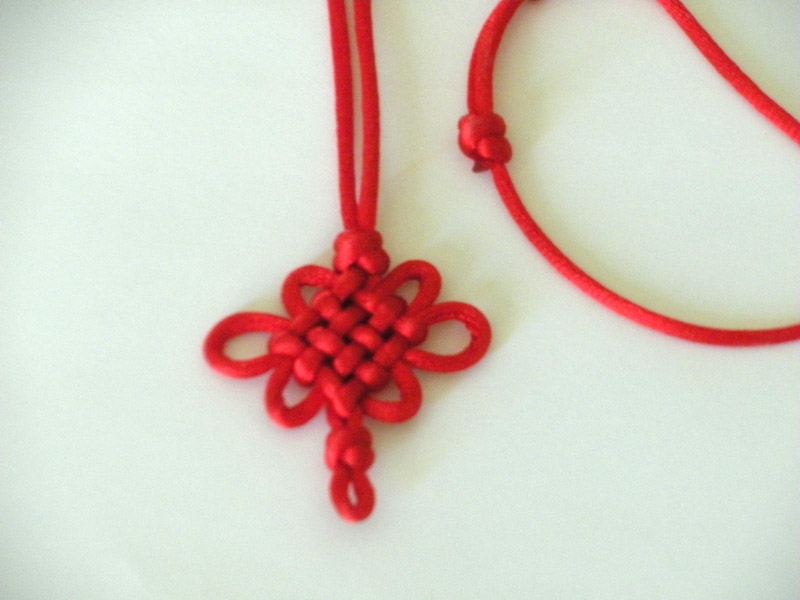 🇨🇳 China and 2 moreChinese knotting中國結 (Zhōngguó jié)
A folk craft of cord tied into lucky shapes, made in China and given as charmsCraft
🇨🇳 China and 2 moreChinese knotting中國結 (Zhōngguó jié)
A folk craft of cord tied into lucky shapes, made in China and given as charmsCraft
 🇯🇵 JapanMiko巫女
A woman who serves at a Shinto shrine, dancing, cleansing and helping with ritesSpiritual
🇯🇵 JapanMiko巫女
A woman who serves at a Shinto shrine, dancing, cleansing and helping with ritesSpiritual
 🇯🇵 Kyoto, JapanHinamatsuri雛祭り
A March festival in Japan where families display ornamental dolls to pray for the health and happiness of young girls.Festival · Sweets given and shared
🇯🇵 Kyoto, JapanHinamatsuri雛祭り
A March festival in Japan where families display ornamental dolls to pray for the health and happiness of young girls.Festival · Sweets given and shared
 🇸🇬 Singapore and 2 moreChingay Parade妝藝
A lively street procession of floats, giant flags, and performing arts in Southeast AsiaFestival
🇸🇬 Singapore and 2 moreChingay Parade妝藝
A lively street procession of floats, giant flags, and performing arts in Southeast AsiaFestival
 🇯🇵 Tokyo, Japan and 5 moreTaiko太鼓 (taiko)
Japanese drums, and the ensemble style of playing themPerformance
🇯🇵 Tokyo, Japan and 5 moreTaiko太鼓 (taiko)
Japanese drums, and the ensemble style of playing themPerformance
 🇨🇳 ChinaChinese paper cutting剪紙 / 剪纸 (jiǎnzhǐ)
Chinese cut paper pictures, pasted on windows and doors for luck at New YearCraft
🇨🇳 ChinaChinese paper cutting剪紙 / 剪纸 (jiǎnzhǐ)
Chinese cut paper pictures, pasted on windows and doors for luck at New YearCraft
 🇯🇵 Hiroshima, JapanKagura神楽
A sacred Shinto dance tradition in Japan that invites deities to descend and perform through human dancers.Performance
🇯🇵 Hiroshima, JapanKagura神楽
A sacred Shinto dance tradition in Japan that invites deities to descend and perform through human dancers.Performance
 🇨🇳 Xi'an, ChinaXi'an guyue西安鼓乐
Ritual wind and percussion music from Xi'an, played sitting or walkingPerformance
🇨🇳 Xi'an, ChinaXi'an guyue西安鼓乐
Ritual wind and percussion music from Xi'an, played sitting or walkingPerformance
 🇯🇵 JapanNōgaku能楽
A traditional Japanese theater form combining the lyric drama noh and the comic interludes kyōgen.Performance
🇯🇵 JapanNōgaku能楽
A traditional Japanese theater form combining the lyric drama noh and the comic interludes kyōgen.Performance
Photo credits on this page
The small pictures above come from Wikimedia Commons under free licences. Some are cropped to fit.
- Hinamatsuri: Lalupa, CC BY-SA 4.0, source
- Ikebana: Joe Mabel, CC BY-SA 3.0, source
- Chingay Parade: HundenvonPenang, CC BY-SA 4.0, source
- Chinese knotting: Ucla90024, CC BY-SA 3.0, source
- Miko: Chris Gladis, Flickr user MShades, CC BY 2.0, source
- Torii: JordyMeow, CC BY-SA 3.0, source
- Gnawa music: Lucyin, CC BY-SA 4.0, source
- Taiko: Ohno.A, CC BY-SA 4.0, source
- Chinese paper cutting: Lanneixi, CC BY-SA 4.0, source
- Xi'an guyue: Liuxingy, CC BY-SA 4.0, source
- Kagura: Elstner Hilton, Public domain, source
- Nōgaku: Daderot, CC0, source