Festivals and celebrationsLatin America and the CaribbeanIndigenous and traditionalChristian
Alasitas
In its own language: Feria de la Alasita
A month-long Bolivian fair where people exchange miniatures to invite good fortune

Starting every 24 January in La Paz, Alasitas is an annual fair dedicated to Ekeko, the Aymara god of abundance. Visitors buy tiny replicas of homes, cars, diplomas and household goods to gift and have blessed, hoping those wishes become reality over the coming year.
When is Alasitas in 2027?
Alasitas 2027 is on Sunday, 24 January 2027. Other years: 2026, Saturday, 24 January 2026; 2028, Monday, 24 January 2028.
Alasitas is an annual Bolivian festival and market beginning on 24 January in La Paz, in honour of Ekeko, the Aymara deity of abundance. Participants purchase miniature representations of items they wish for: houses, vehicles, cash, food and professional credentials. When these tiny objects are given to others and blessed by shamans or priests, tradition holds that the recipient will gain the actual items in the coming year.
Origins and history
The custom reaches back to pre-Columbian Aymara rituals known as Guyatt, where communities prayed for bountiful crops and traded basic goods. In Tiwanaku culture around late December, people worshipped deities with miniature offerings of what they desired. When Spanish founders moved La Paz to the Choqueyapu River, indigenous locals brought small stone figures and exchanged them using stone coins alongside Catholic masses. Following the 1781 siege of La Paz, governor Sebastián Segurola shifted the observance to 24 January to honour Our Lady of Peace. During this era, devotion to Ekeko was revived, and figures previously carved from stone or modelled in clay gradually came to be produced in plaster.
The market of miniatures
The festival name comes from an Aymara phrase meaning 'buy from me'. During the month-long gathering, stalls fill major thoroughfares and parks across central La Paz, alongside smaller neighborhood markets. Craftsmen create miniature models representing almost every material wish. Shoppers purchase tiny houses, cars, construction supplies, laptops, mobile phones, food parcels, university degrees, and even small figures of domestic staff. These tiny gifts are bought not for oneself, but to give away to friends and relatives, carrying the belief that the recipient will obtain the true object within the next twelve months.
Rituals and blessings
Ritual blessings are central to the festival. After buying their miniatures, participants take them to shamans working throughout the fairgrounds to have the items consecrated. At midday on 24 January, the Catholic Church formally joins the observance, holding blessing ceremonies for the miniatures at the central cathedral of La Paz. This blending of indigenous Aymara beliefs with Catholic tradition also extends across Bolivia, where alasitas practices accompany the feasts of the Virgin of Copacabana and the Virgin of Urkupiña. In Peru, the tradition is celebrated across the Altiplano of Puno.
How Alasitas is kept
Crowds gather across La Paz and other regional centers starting on 24 January. People browse stalls to purchase miniature replicas of items they desire for loved ones, ranging from vehicles and homes to diplomas. Buyers take these tiny pieces to shamans on the street for traditional blessings, and visit the main cathedral at midday where Catholic clergy bless the items. Recipients keep these gifted miniatures throughout the year in the belief that the physical objects will soon arrive.
When and where
The main fair begins on 24 January each year and runs for approximately one month. It was originally moved to this date in 1781 from October as an act of thanksgiving to Our Lady of Peace following the siege of La Paz.
The largest celebration takes place across the streets and public parks of central La Paz, Bolivia, with smaller fairs held in surrounding neighborhoods. Alasitas traditions also take place in other Bolivian towns and across the Altiplano region of Puno in Peru.
What Alasitas means
At its core, the festival honours Ekeko, the Aymara deity associated with abundance and prosperity. The miniature offerings embody hopes for the future, representing the material, academic and domestic needs of a household. By gifting these items, people share goodwill, believing that the symbolic miniature will manifest as a real blessing over the course of the following year.


Alasitas dates: 2026, 2027, 2028
| Year | Alasitas date |
|---|---|
| 2026 | Saturday, 24 January 2026 |
| 2027 | Sunday, 24 January 2027 |
| 2028 | Monday, 24 January 2028 |
Questions people ask about Alasitas
When is Alasitas in 2027?
Alasitas 2027 is on Sunday, 24 January 2027. Other years: 2026, Saturday, 24 January 2026; 2028, Monday, 24 January 2028.
What is Alasitas?
Alasitas is a month-long festival and market originating in the Andes, dedicated to the Aymara god of abundance, Ekeko. People buy and give tiny replicas of things they wish to receive in real life.
Why do people buy miniature items?
According to tradition, giving a blessed miniature to someone ensures that the recipient will acquire the actual item, whether a car, house, or university diploma, during the coming year.
Who blesses the miniatures during the fair?
Both local shamans and Catholic priests bless the purchased miniatures. Shamans perform rituals throughout the fairgrounds, and Catholic clergy conduct blessings at the main cathedral in La Paz at midday on 24 January.
See also
 NowruzThe Iranian new year at the March equinox, kept with fire, greenery and picnics
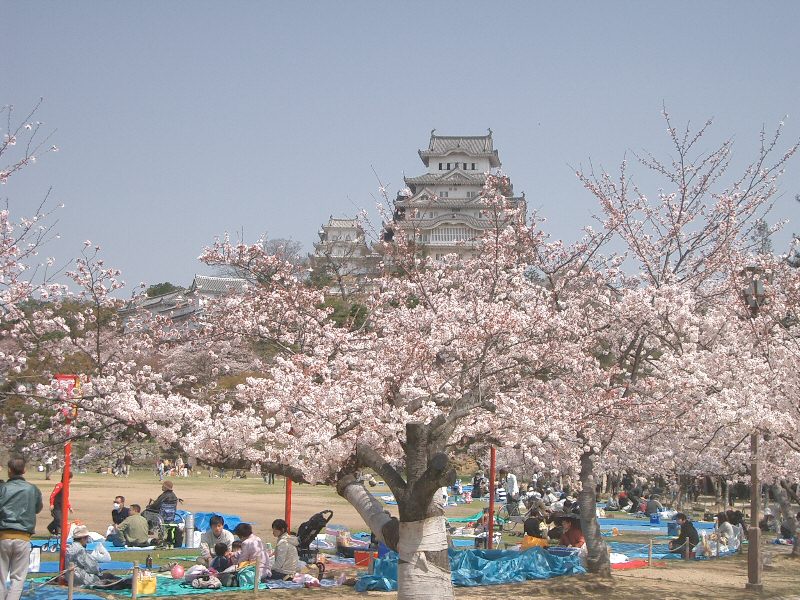 HanamiA Japanese spring custom of gathering under blooming cherry trees to eat, drink, and celebrate the fleeting beauty of th
 ImbolcA Gaelic festival heralding spring and honoring Saint Brigid with woven rush crosses
 Rama NavamiA Hindu spring festival marking the birth of Rama with prayer, fasting and processions
Good reading and sources
- BBC NEWS | In pictures: Bolivia's popular fairs, IntroductionBBC, Article
- BBC NEWS | In pictures: Bolivia's popular fairs, IntroductionBBC, Article
- Alasitas on WikipediaEncyclopedia
- More photos on Wikimedia CommonsPhotos and video
- Wikidata recordOpen data
The facts on this page come from the Wikipedia article "Alasitas", written by its contributors and used under the CC BY-SA 4.0 licence, and from its Wikidata record (CC0). EveryParampara rewrote the text in its own words, with AI assistance, and compares every page with the article to make sure no passage is copied. It may be reused under the same CC BY-SA 4.0 licence with a link back.
It may contain mistakes. Traditions differ from one family, village and community to the next, and the people who keep them know them best. If something is wrong, tell us. Last refreshed 2026-10-04.
More from Bolivia
All the traditions of Bolivia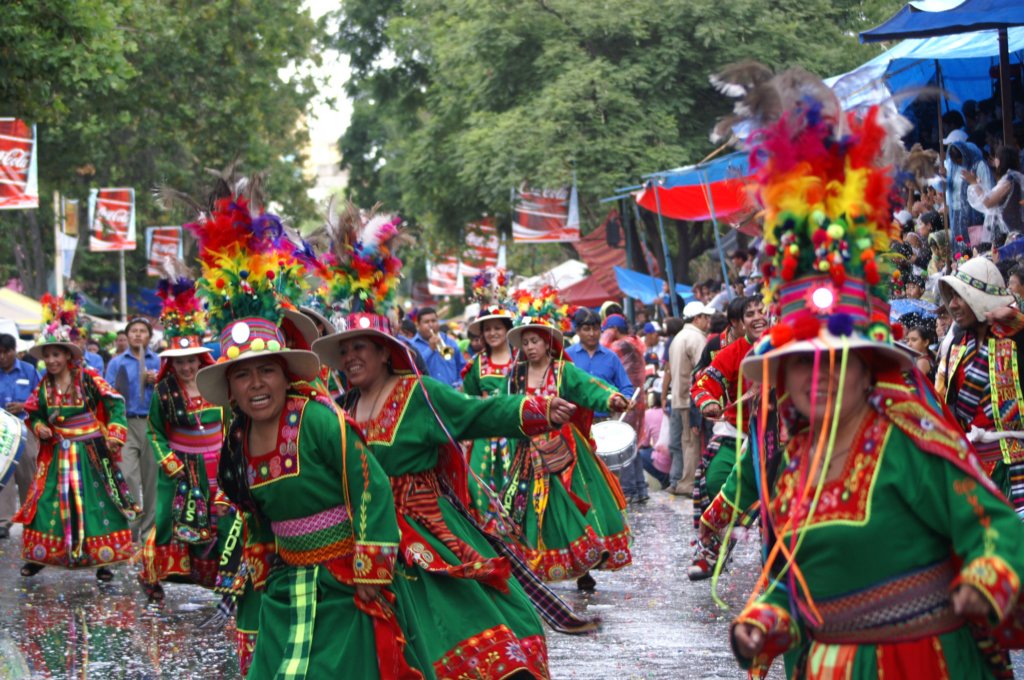 🇧🇴 Potosí, BoliviaTinku
A ritual combat and dance from northern Potosí, Bolivia, honoring Pachamama through ceremonial fighting and performance.Festival
🇧🇴 Potosí, BoliviaTinku
A ritual combat and dance from northern Potosí, Bolivia, honoring Pachamama through ceremonial fighting and performance.Festival
 🇧🇴 Oruro, BoliviaCarnival of OruroEl carnaval de Oruro
A Bolivian festival of masked pilgrimage dances honoring the Virgin of the MineshaftFestival
🇧🇴 Oruro, BoliviaCarnival of OruroEl carnaval de Oruro
A Bolivian festival of masked pilgrimage dances honoring the Virgin of the MineshaftFestival
 🇧🇴 San Ignacio de Moxos, BoliviaIchapekene Piesta
A four-day festival of dance, feathers and procession in San Ignacio de Moxos, BoliviaFestival
🇧🇴 San Ignacio de Moxos, BoliviaIchapekene Piesta
A four-day festival of dance, feathers and procession in San Ignacio de Moxos, BoliviaFestival
 🇵🇾 Ypacaraí, Paraguay and 5 moreFestival of the Lake YpacaraíFestival del Lago Ypacaraí
A Paraguayan folk festival celebrating national music, dance and poetry at the shores of Lake Ypacaraí.Festival
🇵🇾 Ypacaraí, Paraguay and 5 moreFestival of the Lake YpacaraíFestival del Lago Ypacaraí
A Paraguayan folk festival celebrating national music, dance and poetry at the shores of Lake Ypacaraí.Festival
The same idea elsewhere
Spring and renewal compared 🇺🇸 United States and 5 moreMother's Day
A worldwide annual celebration dedicated to mothers, maternal bonds and family careHome
🇮🇷 Iran and 7 moreNowruzنوروز
The Iranian new year at the March equinox, kept with fire, greenery and picnicsSeasonal
🇺🇸 United States and 5 moreMother's Day
A worldwide annual celebration dedicated to mothers, maternal bonds and family careHome
🇮🇷 Iran and 7 moreNowruzنوروز
The Iranian new year at the March equinox, kept with fire, greenery and picnicsSeasonal
 🇮🇱 Jerusalem, IsraelPassoverפסח
A Jewish spring festival celebrating freedom from slavery with ritual mealsSpiritual · Dinner
🇮🇱 Jerusalem, IsraelPassoverפסח
A Jewish spring festival celebrating freedom from slavery with ritual mealsSpiritual · Dinner
 🇮🇳 Mathura, India and 5 moreHoliहोली (Hindi)
A spring festival of colours and bonfires that marks the end of winter and the triumph of good over evil.Festival
🇮🇳 Mathura, India and 5 moreHoliहोली (Hindi)
A spring festival of colours and bonfires that marks the end of winter and the triumph of good over evil.Festival