Festivals and celebrationsLatin America and the CaribbeanIndigenous and traditional
Tinku
A ritual combat and dance from northern Potosí, Bolivia, honoring Pachamama through ceremonial fighting and performance.
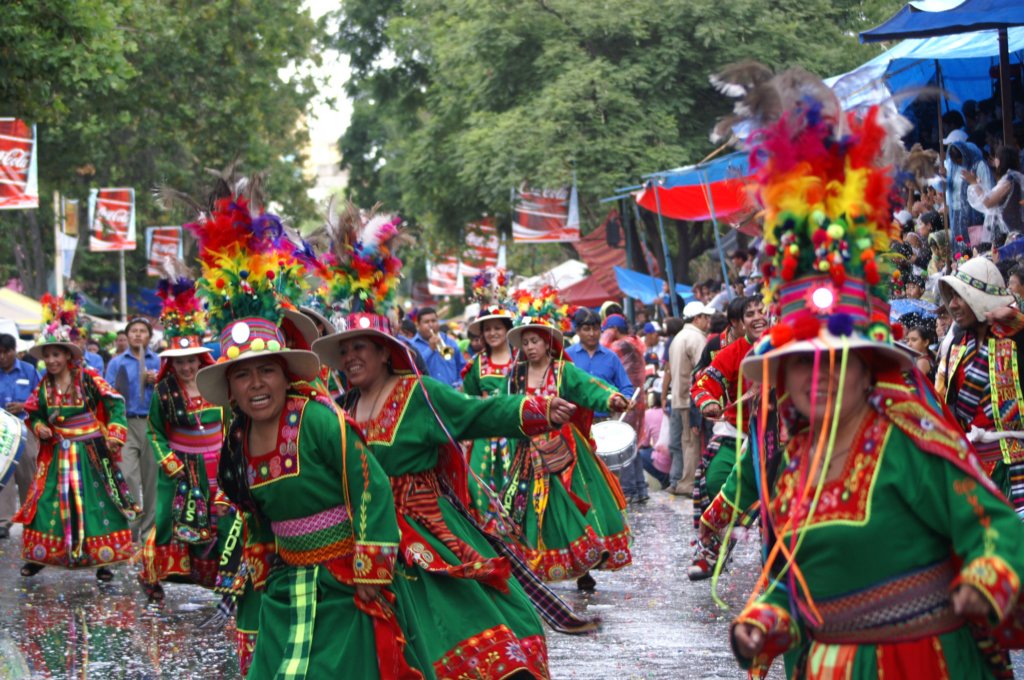
Tinku is a Bolivian tradition from the Norte Potosí region that began as a form of ritualistic combat. The word means meeting or encounter in Quechua. Men and women from different communities meet to dance before engaging in physical fights intended as sacrifices for fertility and harvest.
When is Tinku kept?
Tinku is kept on first few weeks of May.
Tinku is a living tradition in northern Potosí, Bolivia, where communities gather for ritual combat. Participants view bloodshed as a sacred offering to Pachamama, the Earth Mother, to ensure fertile lands and abundant harvests. The event blends fierce physical struggle with communal dancing and music, serving as both a spiritual duty and a social release for neighboring villages.
Origins and meaning
The practice stems from indigenous beliefs centered on Pachamama, or Mother Nature. Combat serves as a direct praise to her, with any blood shed considered a vital sacrifice. These offerings aim to secure fruitful harvests and general fertility for the land. Beyond spiritual goals, the brawls provide a structured outlet for frustration and anger between separate communities. The encounters typically span two to three days, allowing time for participants to eat, sleep, and drink between bouts.
Ritual combat methods
Men often carry rocks to increase punch force or throw them directly at opponents. In towns like Macha, violence intensifies, with men wrapping glass shards into cloth strips around their fists. Slingshots and whips appear occasionally, though hand-to-hand fighting remains dominant. Women eventually join the fray alongside men. The final day proves the most violent, often requiring police intervention to separate the mass of injured fighters.
Attire and equipment
Ceremonial participants wear protective gear suited for battle. Men don thick leather monteras resembling conquistador helmets, often painted and feathered. Simple black or white pants feature embroidery near the feet, while wide belts protect the waist. Festive dancers wear brighter colors symbolizing power. Their monteras display long colorful feathers, paired with bold suits, embroidered skirts, and walking sandals designed for easy movement and jumping.
Music and dance
The Festive Tinku simulates traditional combat without actual fighting. Dancers crouch, bend at the waist, and move in circles following a heavy drumbeat. They perform kicks and stomp hard, throwing fists to signify violence. Performers often hold traditional instruments like charangos, guitars, and zampoñas (panpipes) to add noise. Pututu trumpets historically called people together for these encounters, establishing the rhythmic foundation for the warlike feel.
How Tinku is kept
Communities from northern Potosí gather during early May for multi-day events. Men and women first dance together before separating into fighting groups. Participants use rocks, glass-wrapped fists, and slingshots in intense physical confrontations. Women later join the combat. Afterward, the Festive Tinku dance allows performers to mimic these movements safely using drums and panpipes, wearing colorful costumes instead of protective gear.
When and where
Held during the first few weeks of May each year. Large gatherings occur specifically in Potosí.
Originating in Norte Potosí, Bolivia, the tradition is strongest in towns like Macha. It has spread across Bolivia as a cultural dance, though the ritual combat remains rooted in the highlands.
What Tinku means
Blood represents a donation to the earth, fertilizing the soil for future crops. Deaths are viewed not as tragedies but as life-giving sacrifices to Pachamama. The combat releases communal tensions, restoring balance between neighboring villages through shared ritual rather than permanent conflict.

Questions people ask about Tinku
When is Tinku kept?
Tinku is kept on first few weeks of May.
What does Tinku mean?
In Quechua, Tinku translates to meeting or encounter. It describes the gathering of different communities for ritual combat and dance.
Where is Tinku kept?
It originates in northern Potosí, Bolivia. Major events happen in Potosí city and nearby towns like Macha, though the dance version appears nationwide.
Why do people fight in Tinku?
Combat serves as a sacrifice to Pachamama. Blood shed ensures fertile harvests and fertility for the land, while also releasing community frustrations.
How is it different from the dance?
The ritual involves real fighting with weapons like rocks and glass. The Festive Tinku dance mimics these movements safely using drums and colorful costumes without injury.
See also
 ChristmasA festival of Jesus's birth, kept on 25 December with gifts, lights and shared meals
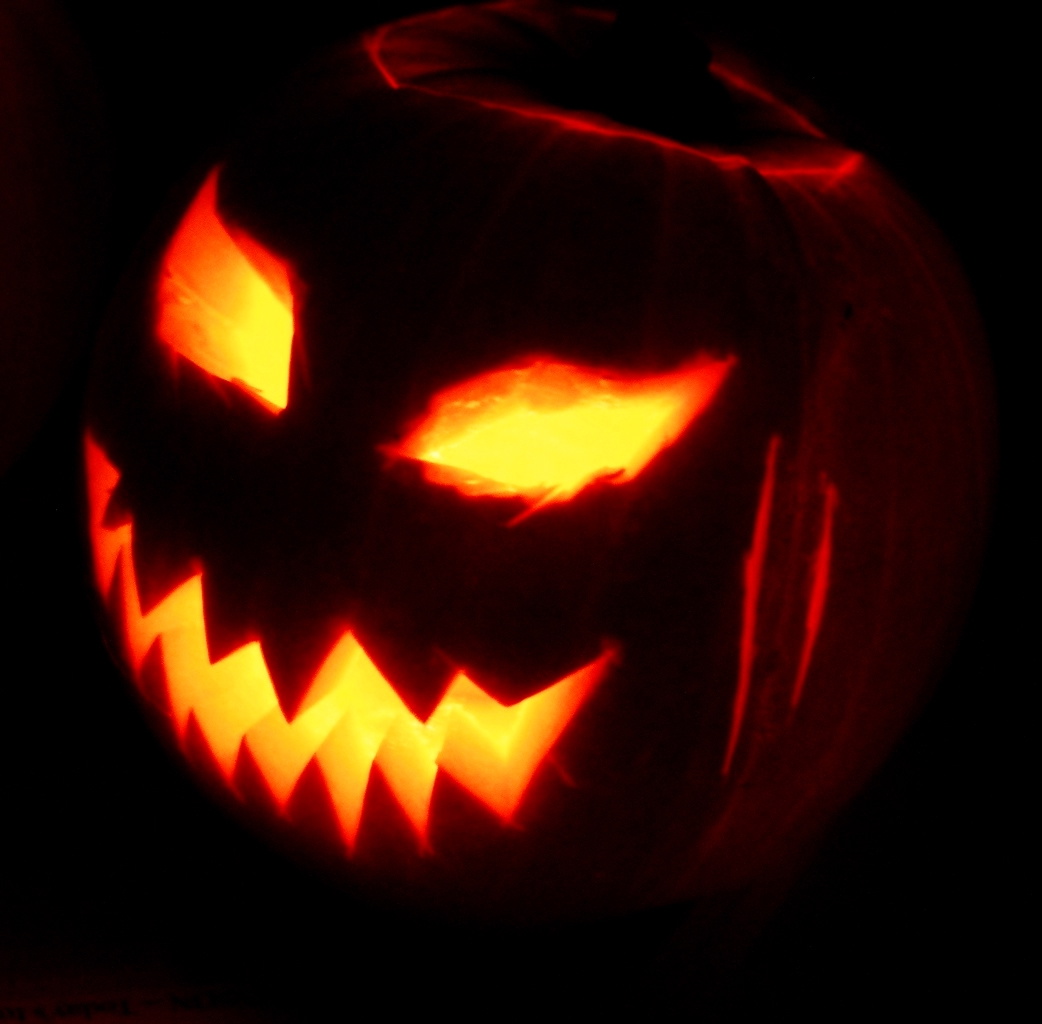 HalloweenAn annual observance on 31 October marking the eve of All Saints' Day, rooted in Christian tradition and Celtic heritage
 Christmas treeA decorated evergreen or artificial tree placed indoors to mark the Christmas season.
 DiwaliA five-day festival of lights celebrated across India and its diaspora to mark the victory of light over darkness.
Good reading and sources
- Tinku on WikipediaEncyclopedia
- More photos on Wikimedia CommonsPhotos and video
- Wikidata recordOpen data
The facts on this page come from the Wikipedia article "Tinku", written by its contributors and used under the CC BY-SA 4.0 licence, and from its Wikidata record (CC0). EveryParampara rewrote the text in its own words, with AI assistance, and compares every page with the article to make sure no passage is copied. It may be reused under the same CC BY-SA 4.0 licence with a link back.
It may contain mistakes. Traditions differ from one family, village and community to the next, and the people who keep them know them best. If something is wrong, tell us. Last refreshed 2026-10-04.
More from Bolivia
All the traditions of Bolivia 🇧🇴 Oruro, BoliviaCarnival of OruroEl carnaval de Oruro
A Bolivian festival of masked pilgrimage dances honoring the Virgin of the MineshaftFestival
🇧🇴 Oruro, BoliviaCarnival of OruroEl carnaval de Oruro
A Bolivian festival of masked pilgrimage dances honoring the Virgin of the MineshaftFestival
 🇧🇴 La Paz, Bolivia and 1 moreAlasitasFeria de la Alasita
A month-long Bolivian fair where people exchange miniatures to invite good fortuneFestival
🇧🇴 La Paz, Bolivia and 1 moreAlasitasFeria de la Alasita
A month-long Bolivian fair where people exchange miniatures to invite good fortuneFestival
 🇧🇴 San Ignacio de Moxos, BoliviaIchapekene Piesta
A four-day festival of dance, feathers and procession in San Ignacio de Moxos, BoliviaFestival
🇧🇴 San Ignacio de Moxos, BoliviaIchapekene Piesta
A four-day festival of dance, feathers and procession in San Ignacio de Moxos, BoliviaFestival
 🇵🇾 Ypacaraí, Paraguay and 5 moreFestival of the Lake YpacaraíFestival del Lago Ypacaraí
A Paraguayan folk festival celebrating national music, dance and poetry at the shores of Lake Ypacaraí.Festival
🇵🇾 Ypacaraí, Paraguay and 5 moreFestival of the Lake YpacaraíFestival del Lago Ypacaraí
A Paraguayan folk festival celebrating national music, dance and poetry at the shores of Lake Ypacaraí.Festival
The same idea elsewhere
Harvest and thanksgiving compared
🇮🇳 Ayodhya, India and 7 moreDiwaliदीपावली (Dīpāvalī)
A five-day festival of lights celebrated across India and its diaspora to mark the victory of light over darkness.Festival · Feasts and festival meals
 🇮🇱 Jerusalem, IsraelSukkotסוכות
A seven-day autumn Jewish festival of temporary booths, harvest prayers and hospitalitySpiritual
🇮🇪 Ireland and 2 moreJack-o'-lantern
A carved pumpkin lantern lit with a candle to brighten and protect Halloween nightsFolklore
🇮🇱 Jerusalem, IsraelSukkotסוכות
A seven-day autumn Jewish festival of temporary booths, harvest prayers and hospitalitySpiritual
🇮🇪 Ireland and 2 moreJack-o'-lantern
A carved pumpkin lantern lit with a candle to brighten and protect Halloween nightsFolklore
 🇹🇱 Timor-LesteUma Lulik
Sacred ancestral clan houses and ritual shrines in East TimorSpiritual
🇹🇱 Timor-LesteUma Lulik
Sacred ancestral clan houses and ritual shrines in East TimorSpiritual