Royal, civic and national ceremonyEurope
Bride-show
In its own language: смотр невест
A court custom in which emperors and tsars chose a wife from young women brought before them

A bride-show was a court custom for finding a ruler a wife. Young women of leading families were brought together so that an emperor or tsar could inspect them and choose one. Byzantium used it from the 8th century, Muscovite Russia in the 16th and 17th, and imperial China had its own version from the Song dynasty onward.
When is Bride-show kept?
Bride-show is kept on no longer kept; the last recorded bride-show was in Russia in 1684.
Before a ruler married, a court could gather young women of good family and have him look them over. This was the bride-show. Byzantine emperors are recorded using it from the 8th century, Russian tsars in the 16th and 17th, and Chinese emperors had a comparable practice under the Song and Qing dynasties. It answered a practical question: who should a ruler marry, when noble women lived apart from men and marriage was a matter of state.
What it was
A bride-show was a court custom for finding a wife. A ruler had young women brought together so that he could look them over and pick one. The practice is best documented among Byzantine emperors, who used it from at least the 8th century, and among Russian tsars of the 16th and 17th centuries. Imperial China had something similar, used at least from the Song dynasty and still in force under the Qing. The women came from leading families of the country, and their looks were part of what the ruler judged.
Byzantine courts
The earliest use is not certain. Irene of Athens is thought to have been picked for Leo IV the Khazar in this way, though the record does not confirm it. The first case written down with confidence comes from 788, when Maria of Amnia became the wife of the emperor Constantine. Through the 8th and 9th centuries the method was used again and again. One well-known example is Theodora, chosen by Theophilos, while Kassia was passed over. From the 10th century on, no empress can be confirmed as chosen this way, and by the 13th century the custom had ended.
In Muscovite Russia
Russia took the practice from Byzantium. There it became the usual way for a tsar to find a wife among the boyar nobility. This mattered in a society where the terem, the separate women's quarters, kept aristocratic women apart from men. Ivan IV took all three of his wives this way. Vasily III's marriage to Solomoniya Saburova, made this way in 1505, is the earliest case the sources treat as certain. Vasily's mother, Sophia Paleologue, who came from Byzantium, is credited with bringing the custom in. The last such gathering was held for Ivan V, who chose Praskovia Saltykova in 1684. The Westernizing reforms of Peter the Great ended it.
In imperial China
China had a similar practice, used at least from the Song dynasty, which ran from 960 to 1279. The difference was scale: the emperor could take not only an empress but consorts and concubines of lower rank as well. Under the Qing dynasty, from 1644 to 1912, daughters of elite families were called to the palace before they married and were inspected there. The emperor picked whichever of them he wanted as empress, secondary consort or concubine. The others were then released and free to marry.
Doubts and echoes
Historians do not agree on how much of the Byzantine record to trust. One paper asks whether the bride-shows at that court were history or fiction, and another examines the sources behind the bride-show of Theophilos. The Greek scholar Photeine Bourboulis wrote about the custom next to the Cinderella fairy story. The article's list of related subjects also names the Book of Esther and the modern beauty pageant, without saying how they connect.
How Bride-show is kept
The custom is no longer practised. When it was, a ruler's court gathered young women of good family, often many at once, so that he could look them over and choose. The choice was his alone. In Russia the woman he picked became his wife. In China the emperor might take several, as empress, secondary consort or concubine, and send the rest home to marry. In Byzantium the aim was to find an empress. The practice died out in Byzantium by the 13th century and in Russia after Peter the Great's reforms.
When and where
A bride-show happened when a ruler needed a wife, so there was no fixed date. In Byzantium the practice is recorded from the 8th century into the 9th, and gone by the 13th. In Russia it ran through the 16th and 17th centuries, and the last one was held in 1684.
The custom belonged to imperial courts: first in Byzantium, then in Muscovite Russia, and separately in imperial China. Among the three, Russia is where it took its firmest hold, lasting through the 16th and 17th centuries. The sources name no particular city as its home.
What Bride-show means
For the courts that used it, the bride-show tied marriage to rank and to the ruler's judgement. A tsar or emperor examined the daughters of leading families, and the one he picked rose to empress or consort. The seclusion of aristocratic women under the terem made a gathering like this one of the few ways such a marriage could be arranged. Beauty counted, and so did family standing.


Questions people ask about Bride-show
When is Bride-show kept?
Bride-show is kept on no longer kept; the last recorded bride-show was in Russia in 1684.
What was a bride-show?
It was a way of choosing a wife at court. Young women from the country's leading families were brought before a ruler, who looked them over and picked one. Byzantine emperors and Russian tsars both used it, and imperial China had a similar practice.
Where was it kept?
In three settings. Byzantine emperors used it from at least the 8th century. Muscovite Russia adopted it and kept it in the 16th and 17th centuries. Imperial China practised a comparable method from the Song dynasty onward, continuing under the Qing.
Who could be chosen?
Daughters of the leading families. In Russia they came from the boyar nobility. In China, elite families sent their daughters to the palace, and the emperor could take an empress, a secondary consort or a concubine from among them.
Was it really how emperors married?
Not always, and historians question parts of it. Irene of Athens is thought to have been chosen this way, but the sources call that unconfirmed. One study asks whether the Byzantine bride-shows were history or fiction, so the record is not settled.
See also
 Chinese operaA sung, danced and acrobatic theatre from China, in over a hundred regional styles
 KizombaA close, slow couple dance from Angola, named after a Kimbundu word for party
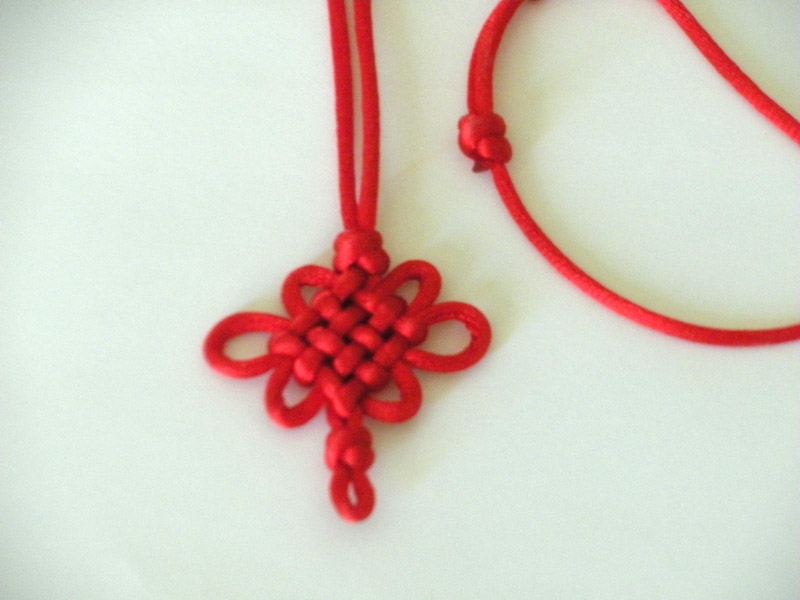 Chinese knottingA folk craft of cord tied into lucky shapes, made in China and given as charms
 Manchu-Han Imperial FeastA grand multi-day banquet uniting Manchu and Han culinary traditions in China
Good reading and sources
- Bride-show on WikipediaEncyclopedia
- More photos on Wikimedia CommonsPhotos and video
- Wikidata recordOpen data
The facts on this page come from the Wikipedia article "Bride-show", written by its contributors and used under the CC BY-SA 4.0 licence, and from its Wikidata record (CC0). EveryParampara rewrote the text in its own words, with AI assistance, and compares every page with the article to make sure no passage is copied. It may be reused under the same CC BY-SA 4.0 licence with a link back.
It may contain mistakes. Traditions differ from one family, village and community to the next, and the people who keep them know them best. If something is wrong, tell us. Last refreshed 2026-10-09.
More from Russia
All the traditions of Russia 🇺🇸 United States and 5 moreNational day of mourning
A day a government sets aside for national grief, often marked by flags at half-mastCeremony
🇺🇸 United States and 5 moreNational day of mourning
A day a government sets aside for national grief, often marked by flags at half-mastCeremony
 🇫🇷 France and 5 moreVictory in Europe Day8 mai 1945
The day Nazi Germany's surrender was accepted, marking the end of the war in EuropeCeremony
🇫🇷 France and 5 moreVictory in Europe Day8 mai 1945
The day Nazi Germany's surrender was accepted, marking the end of the war in EuropeCeremony
 🇷🇺 Moscow, RussiaCosmonautics DayДень космонавтики
Russia's yearly day for Yuri Gagarin's 1961 flight, kept on 12 April with memorial walksCeremony
🇺🇦 Ukraine and 2 moreProgrammer's Day
A professional day for programmers, fixed to the 256th day of the yearCeremony
🇷🇺 Moscow, RussiaCosmonautics DayДень космонавтики
Russia's yearly day for Yuri Gagarin's 1961 flight, kept on 12 April with memorial walksCeremony
🇺🇦 Ukraine and 2 moreProgrammer's Day
A professional day for programmers, fixed to the 256th day of the yearCeremony
The same idea elsewhere
Royalty and coronation compared 🇮🇩 Bali, Indonesia and 5 moreIkat
A resist-dyeing craft from Southeast Asia, where yarns are tied and dyed before weavingCraft
🇮🇩 Bali, Indonesia and 5 moreIkat
A resist-dyeing craft from Southeast Asia, where yarns are tied and dyed before weavingCraft
 🇮🇷 Isfahan, Iran and 3 morePersian gardenباغ ایرانی
An ancient tradition of creating walled, geometric sanctuaries of shade and flowing waterCraft
🇮🇷 Isfahan, Iran and 3 morePersian gardenباغ ایرانی
An ancient tradition of creating walled, geometric sanctuaries of shade and flowing waterCraft
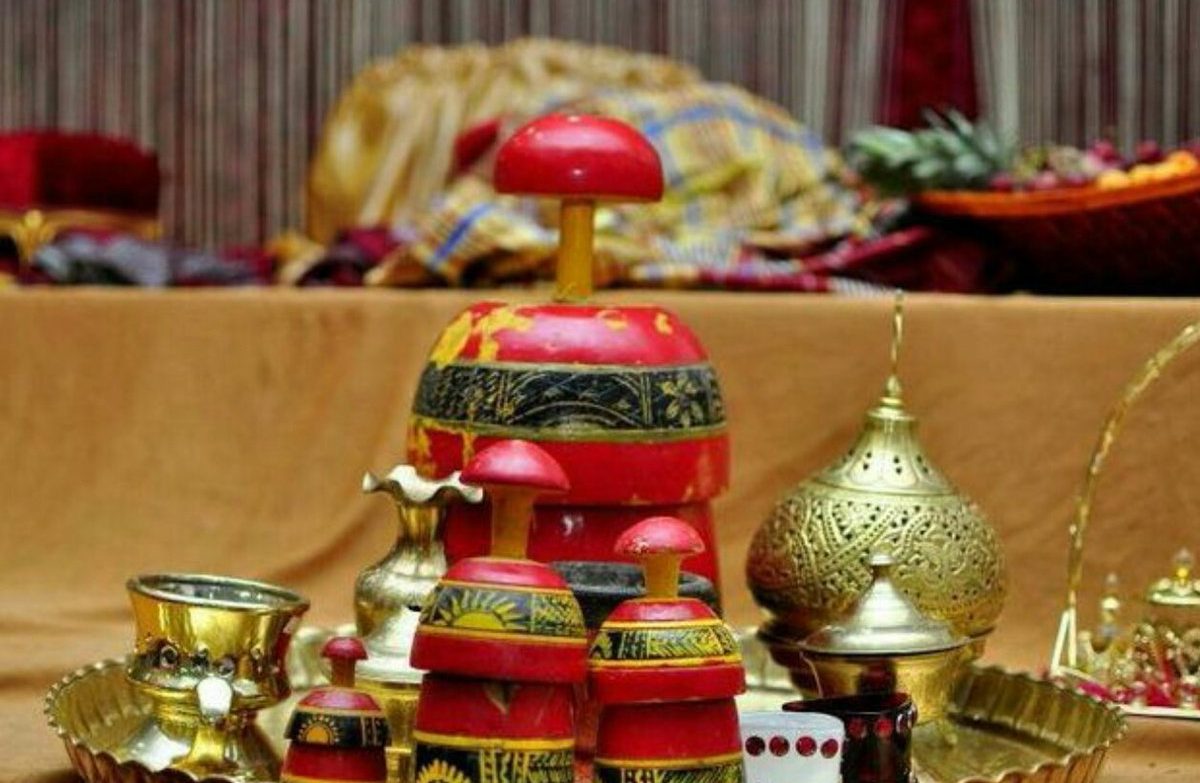 🇸🇩 SudanJirtigالجَرْتِقْ
A Sudanese wedding ritual of regal adornment, protection, and blessings of fertilityRite of passage
🇸🇩 SudanJirtigالجَرْتِقْ
A Sudanese wedding ritual of regal adornment, protection, and blessings of fertilityRite of passage
 🇮🇷 Iran and 4 moreZardoziزردوزی (zarduzi)
Heavy gold and silver embroidery on silk or velvet, worked in Iran, India and beyondCraft
🇮🇷 Iran and 4 moreZardoziزردوزی (zarduzi)
Heavy gold and silver embroidery on silk or velvet, worked in Iran, India and beyondCraft