Seasons, harvest and the calendarOceaniaIndigenous and traditional
Matariki
The Māori New Year marked by the midwinter rising of the Pleiades cluster

Matariki is the Māori New Year celebration in New Zealand, marked when the Pleiades star cluster appears in the dawn sky in midwinter. Families gather over several days to read omens in the starlight, remember loved ones who died in the past year, and release steam from an earth oven as a sacred food offering.
When is Matariki in 2027?
Matariki 2027 is on Friday, 25 June 2027. Other years: 2026, Friday, 10 July 2026; 2028, Friday, 14 July 2028.
Matariki marks the arrival of the Māori New Year in Aotearoa New Zealand. When the Pleiades star cluster rises on the dawn horizon in midwinter, communities come together to reflect on the year gone by. The observance centres on looking forward to the future, honouring the memories of those who have died, and sharing food offerings cooked in traditional earth ovens to sustain the stars.
Reading the stars
During the winter lunar month of Pipiri, observers watch the sky over several nights known as the nights of Tangaroa. In traditional practice, learned elders known as tohunga kōkōrangi studied each star in the cluster. Clear, bright stars promised a mild winter and a plentiful harvest, while dim or shimmering lights warned of harsh weather or scarce resources. Each star governs a specific natural realm. For instance, the clarity of Tupu-ā-rangi signalled the abundance of birds, while Tupu-ā-nuku was tied to crops harvested from the soil. In some regions, people watch for other markers instead, such as the bright star Puanga.
Remembering the departed
Mourning forms a central pillar of Matariki through a ceremony known as te taki mōteatea, the reciting of laments. Tradition holds that the spirits of people who died during the previous year are gathered as the cluster sets in autumn. When the stars reappear before sunrise, these souls are lifted into the sky to become stars themselves. Relatives call out the names of their deceased kin with weeping and songs, releasing their spirits into the heavens. The star Pōhutukawa is specifically linked to this farewell, connecting the living to ancestors and the departing point for spirits returning to the ancestral land of Hawaiki.
The sacred steam offering
The ritual culminates in whāngai i te hautapu, a ceremonial feast offered directly to the celestial cluster. To nourish the stars after their long journey, a small hāngī or ground oven is dug with heated rocks. People place foods that match each star's earthly domain inside the pit, including sweet potato, birds, freshwater catch, and shellfish. Once the oven is uncovered, rising steam carries the essence of the meal upward as an offering. This fragrant steam feeds the star cluster, acknowledging its role in guiding seasonal rhythms and sustaining life across the lands and waters.
Revival and modern observance
Although widespread observance waned during the twentieth century, cultural revitalisation gained strong momentum in the early 1990s. Today, communities across New Zealand mark the season with dawn gatherings, communal meals, and storytelling. While different tribes follow their own regional markers and traditional calendars, the occasion remains a time of renewal and family unity. In 2022, New Zealand established Matariki as an official nationwide public holiday, setting its observance on a Friday in midwinter according to the phases of the Māori lunar calendar.
How Matariki is kept
Celebrations take place over several mornings during the last quarter of the winter moon. Elders and families gather before dawn to search the eastern horizon for the star cluster. Once sighted, priests and elders read the stars to foresee the climate and food supply for the coming season. Next, participants speak the names of family members who passed away over the previous year, offering songs of grief. Finally, people prepare a small pit oven with fish, birds, and sweet potatoes, opening the pit so sacred steam rises into the dawn sky to feed the stars.
When and where
Matariki falls in late June or early July during the Māori lunar month of Pipiri. Celebrations occur during the last quarter of the moon across three or four nights known as the nights of Tangaroa, ending just before the new moon appears.
This tradition is observed throughout New Zealand. Certain iwi, especially in the far north, Taranaki, the Chatham Islands, and parts of the South Island, mark the season by watching for the star Puanga rather than Matariki.
What Matariki means
According to tradition, the stars are the eyes of Tāwhirimātea, the god of wind, which he cast into the sky after the separation of earth and sky. Matariki embodies three core ideas: remembering those who have died, celebrating present life and harvest, and planning for the year ahead under the guidance of the celestial realm.
On the table
- Kūmara
- Kererū
- Korokoro
- Freshwater fish
- Shellfish


Days Matariki is marked
Matariki dates: 2026, 2027, 2028
| Year | Matariki date |
|---|---|
| 2026 | Friday, 10 July 2026 |
| 2027 | Friday, 25 June 2027 |
| 2028 | Friday, 14 July 2028 |
Questions people ask about Matariki
When is Matariki in 2027?
Matariki 2027 is on Friday, 25 June 2027. Other years: 2026, Friday, 10 July 2026; 2028, Friday, 14 July 2028.
What is Matariki?
Matariki is the Māori name for the Pleiades star cluster and the New Year celebration signalled by its reappearance in the midwinter sky.
How do people honour the dead during Matariki?
During dawn ceremonies, people chant laments and call out the names of loved ones who died over the past year, releasing their spirits to become stars in the sky.
Why is food cooked in an earth oven during the ceremony?
In the ritual of whāngai i te hautapu, a pit oven cooks foods linked to the stars, releasing steam into the sky as a sacred offering to feed the cluster.
See also
 Advent wreathAn evergreen ring of candles lit week by week in the lead-up to Christmas
 LosarThe Tibetan Buddhist New Year festival of renewal, offerings, and family feasts
 UgadiA South Indian New Year feast celebrating life with sweet, sour, and bitter tastes
 Double Ninth FestivalAn autumn festival of mountain walks, chrysanthemum wine and ancestor remembrance
Good reading and sources
- Matariki: ‘historic’ moment as New Zealand celebrates first Indigenous public holidayThe Guardian, Article
- Matariki: ‘historic’ moment as New Zealand celebrates first Indigenous public holidayThe Guardian, Article
- Matariki on WikipediaEncyclopedia
- More photos on Wikimedia CommonsPhotos and video
- Wikidata recordOpen data
The facts on this page come from the Wikipedia article "Matariki", written by its contributors and used under the CC BY-SA 4.0 licence, and from its Wikidata record (CC0). EveryParampara rewrote the text in its own words, with AI assistance, and compares every page with the article to make sure no passage is copied. It may be reused under the same CC BY-SA 4.0 licence with a link back.
It may contain mistakes. Traditions differ from one family, village and community to the next, and the people who keep them know them best. If something is wrong, tell us. Last refreshed 2026-10-04.
More from New Zealand
All the traditions of New Zealand 🇨🇦 Toronto, Canada and 5 moreNo Bra Day
An annual October observance promoting breast cancer awareness and bodily autonomySeasonal
🇼🇸 Samoa and 3 moreWhite SundayLotu Tamaiti
A Samoan holiday honoring children with church services, white clothing, and family gatherings on the second Sunday of OFestival · Dinner
🇨🇦 Toronto, Canada and 5 moreNo Bra Day
An annual October observance promoting breast cancer awareness and bodily autonomySeasonal
🇼🇸 Samoa and 3 moreWhite SundayLotu Tamaiti
A Samoan holiday honoring children with church services, white clothing, and family gatherings on the second Sunday of OFestival · Dinner
 🇳🇿 Auckland, New ZealandWharenui
A Māori carved communal meeting house at the centre of tribal life in New ZealandHome
🇳🇿 Auckland, New ZealandWharenui
A Māori carved communal meeting house at the centre of tribal life in New ZealandHome
 🇳🇿 Auckland, New ZealandTā moko
The traditional permanent tattooing of the Māori people of New Zealand, marking identity and status.Rite of passage
🇳🇿 Auckland, New ZealandTā moko
The traditional permanent tattooing of the Māori people of New Zealand, marking identity and status.Rite of passage
The same idea elsewhere
New Year compared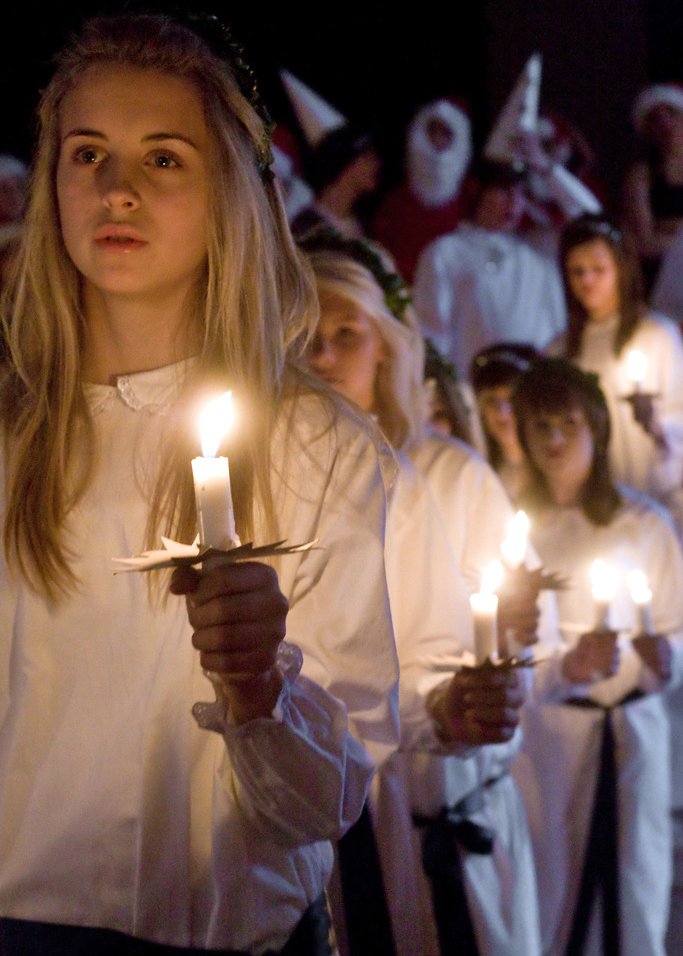 🇸🇪 Stockholm, Sweden and 4 moreSaint Lucy's Day
A December festival of light and song held across Scandinavia and Italy to honour a Christian martyr.Festival · Breakfast
🇸🇪 Stockholm, Sweden and 4 moreSaint Lucy's Day
A December festival of light and song held across Scandinavia and Italy to honour a Christian martyr.Festival · Breakfast
 🇮🇳 Ayodhya, India and 7 moreDiwaliदीपावली (Dīpāvalī)
A five-day festival of lights celebrated across India and its diaspora to mark the victory of light over darkness.Festival · Feasts and festival meals
🇮🇳 Ayodhya, India and 7 moreDiwaliदीपावली (Dīpāvalī)
A five-day festival of lights celebrated across India and its diaspora to mark the victory of light over darkness.Festival · Feasts and festival meals
 🇮🇷 Iran and 7 moreNowruzنوروز
The Iranian new year at the March equinox, kept with fire, greenery and picnicsSeasonal
🇮🇷 Iran and 7 moreNowruzنوروز
The Iranian new year at the March equinox, kept with fire, greenery and picnicsSeasonal
 🇮🇱 Jerusalem, Israel and 1 moreHanukkahחֲנֻכָּה
An eight-day Jewish festival marking the rededication of the Second Temple in Jerusalem and the miracle of a single day'Festival
🇮🇱 Jerusalem, Israel and 1 moreHanukkahחֲנֻכָּה
An eight-day Jewish festival marking the rededication of the Second Temple in Jerusalem and the miracle of a single day'Festival