Life-cycle ritesEuropeChristian
Corpse road
Historical paths used to carry the dead to parish burial grounds across Britain and Ireland.
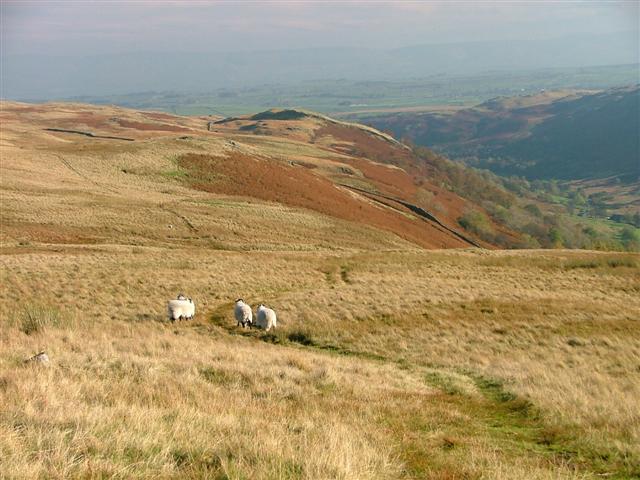
These routes served as practical transport links for funeral processions moving bodies from remote villages to central churches with burial rights. The practice emerged in late medieval Britain when outlying settlements were required to use mother churches, creating long journeys over difficult terrain. Associated folklore developed around these straight paths, viewing them as spirit routes that spirits of the dead w
When is Corpse road kept?
Corpse road is kept on historically during funeral processions.
Corpse roads were designated paths used to transport deceased individuals from distant communities to central cemeteries. This custom arose in medieval Britain when local parishes lacked burial rights, forcing families to carry their loved ones over long distances. These routes became embedded in local folklore, often viewed as straight lines for spirits to travel between the living world and the afterlife.
Origins and history
The system began in late medieval Great Britain due to population growth and church expansion. Outlying settlements sought autonomy from established mother churches, which threatened the authority and revenue of minster officials. To maintain control, officials instituted corpse roads connecting remote locations to central parish churches that held exclusive burial rights. Families had to transport bodies long distances, often through rough terrain, unless they could afford special arrangements. As new churches eventually gained burial rights, the necessity for these long journeys diminished.
Path characteristics
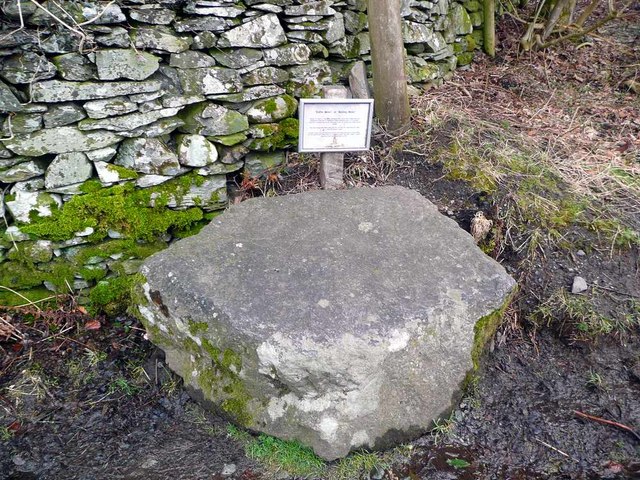
Many of these routes have vanished, but some survive as footpaths where features like coffin stones remain. Paths were typically kept clear of fences, walls, and buildings to allow spirits to move freely along a direct course. They often ran in straight lines over mountains and valleys. Land crossed by a corpse was sometimes believed to become a public right of way. Field names such as Church-way or Kirk-way Field help trace lost routes today.
Spirit lore and beliefs
Folklore suggests spirits traveled along these straight paths close to the ground. It was considered bad luck to deviate from the route or plough the land. Some believed touching a corpse brought good luck to the living. In Ireland, carrying an unenclosed corpse over a field was thought to create hungry grass, causing insatiable hunger to those who stood on it. Coffin stones allowed rest without tainting the ground or letting spirits escape.
Phenomena and legends
Corpse candles are blue lights seen traveling near the ground, associated with Wales and omens of death. Will-o'-the-wisps in European folklore are mischievous spirits leading travelers astray. Legends include a talking marble bridge in Saint Davids that broke after speaking about a corpse's journey. Another tale involves King Henry II crossing this bridge safely, disproving a prophecy about his death. These stories highlight the deep spiritual significance attached to the physical paths.
How Corpse road is kept
Processions carried the deceased along defined paths to prevent spirits from returning to haunt the living. Feet were often pointed away from the family home. Routes included bridges or stepping stones over water, which spirits could not cross. Coffin stones provided resting points. Communities maintained these paths as historical markers, though the original religious purpose is largely forgotten today.
When and where
Used historically from late medieval times until burial rights expanded to local churches.
Primarily found in the United Kingdom and Ireland, especially in remote areas like the Lake District and Gloucestershire.
What Corpse road means
Paths served as conduits for spirits, ensuring safe passage to the afterlife while preventing restless wandering. Straight lines facilitated spirit movement, while obstacles like water hindered them. The rituals protected both the dead and the living from supernatural harm.


Questions people ask about Corpse road
When is Corpse road kept?
Corpse road is kept on historically during funeral processions.
Where is Corpse road kept?
Corpse road belongs to the traditions of United Kingdom and Ireland.
See also
 BurialPlacing the dead in the ground or a structure to honor them and guide their journey.
 WakeA gathering before a funeral, where family and friends keep watch over the dead
 AntyestiThe traditional Hindu funeral ceremony and final rite of passage
 KeeningA sung mourning cry at Gaelic funerals, once led by hired women singers
Good reading and sources
The facts on this page come from the Wikipedia article "Corpse road", written by its contributors and used under the CC BY-SA 4.0 licence, and from its Wikidata record (CC0). EveryParampara rewrote the text in its own words, with AI assistance, and compares every page with the article to make sure no passage is copied. It may be reused under the same CC BY-SA 4.0 licence with a link back.
It may contain mistakes. Traditions differ from one family, village and community to the next, and the people who keep them know them best. If something is wrong, tell us. Last refreshed 2026-10-06.
More from the United Kingdom
All the traditions of the United Kingdom
🇮🇪 Ireland and 2 moreWake
A gathering before a funeral, where family and friends keep watch over the deadRite of passage
🇮🇳 Haridwar, India and 3 moreAntyestiअन्त्येष्टि
The traditional Hindu funeral ceremony and final rite of passageRite of passage
🇮🇪 Ireland and 1 moreKeeningCaoineadh
A sung mourning cry at Gaelic funerals, once led by hired women singersRite of passage
🇰🇪 Kenya and 5 moreBurial
Placing the dead in the ground or a structure to honor them and guide their journey.Rite of passage
The same idea elsewhere
Death and mourning compared 🇲🇽 Mexico City, Mexico and 1 moreDay of the DeadDía de Muertos
A Mexican remembrance of deceased family and friends with altars, marigolds and feastsFestival · Sweets given and shared
🇲🇽 Mexico City, Mexico and 1 moreDay of the DeadDía de Muertos
A Mexican remembrance of deceased family and friends with altars, marigolds and feastsFestival · Sweets given and shared
 🇳🇿 New Zealand and 2 moreMarae
A cleared, sacred gathering place at the heart of Māori and Polynesian community lifeSpiritual
🇳🇿 New Zealand and 2 moreMarae
A cleared, sacred gathering place at the heart of Māori and Polynesian community lifeSpiritual
 🇹🇱 Timor-LesteUma Lulik
Sacred ancestral clan houses and ritual shrines in East TimorSpiritual
🇹🇱 Timor-LesteUma Lulik
Sacred ancestral clan houses and ritual shrines in East TimorSpiritual
 🇼🇸 Samoa and 1 moreʻIe tōga
Precious woven mats exchanged in Samoan ceremonies to honor family ties and chiefly status.Dress
🇼🇸 Samoa and 1 moreʻIe tōga
Precious woven mats exchanged in Samoan ceremonies to honor family ties and chiefly status.Dress