Seasons, harvest and the calendarEast AsiaIndigenous and traditionalBuddhist
Korean New Year
In its own language: 설날
A three-day Korean festival celebrating the lunisolar new year with family and feasts
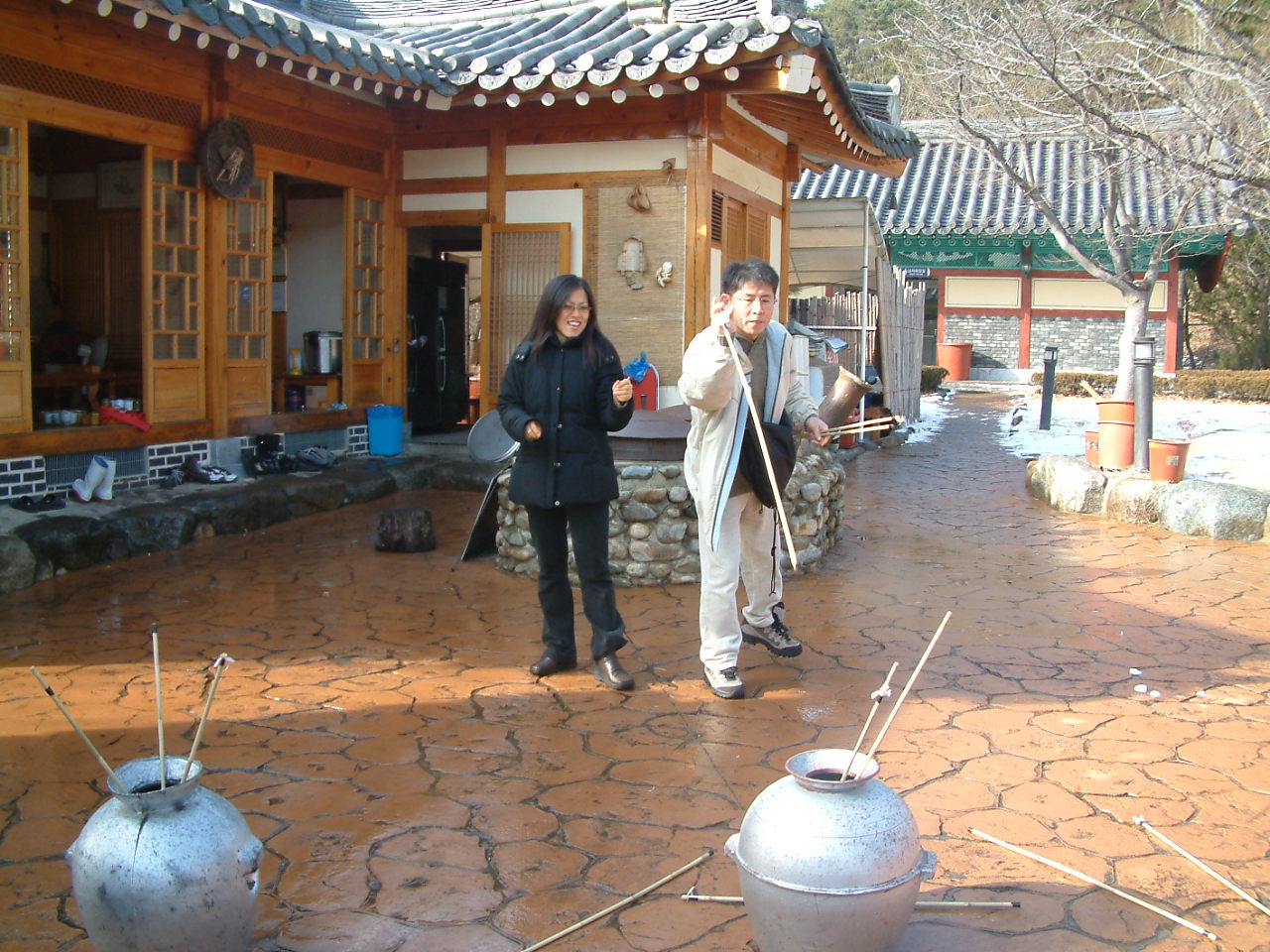
Korean New Year, or Seollal, is a major three-day holiday observed across North and South Korea as well as among communities abroad. Families gather in their hometowns to honour their ancestors, share ceremonial dishes like rice cake soup, and offer formal bows to their elders.
When is Korean New Year marked?
Korean New Year is kept as part of Seollal, which runs from 7 to 9 February 2027.
Korean New Year, known as Seollal, marks the start of the traditional lunisolar calendar. Spanning three days, it is an occasion for families across the Korean peninsula and the diaspora to reunite. Relatives travel to their ancestral hometowns, put on traditional clothing, and conduct domestic rites for departed forebears. Through formal bows, blessings, and shared bowls of rice cake soup, households welcome good fortune and reaffirm bonds across generations.
Honouring ancestors and elders
Festivities begin on the first morning with charye, a household rite dedicated to family ancestors. A low table is set with carefully arranged dishes, including fruits, meats, and soups. Family members perform deep ceremonial bows before the table to express reverence and ask for health in the coming year. Afterwards, younger relatives carry out sebae, kneeling to bow deeply before grandparents and parents while wishing them abundance. Elders return the gesture by offering dŏkdam, words of wisdom and encouragement, along with gifts of crisp pocket money handed out in silk pouches with classic patterns.
Festival foods and flavours
The central dish of the morning feast is tteokguk, a clear soup made with simmered beef broth and thinly sliced white rice cakes. The elongated cylinders of steamed rice dough represent longevity, while slicing them into disc shapes mirrors antique bronze coins, welcoming wealth. According to tradition, eating a bowl of this soup grants a person another year of life. Alongside the soup, families serve savoury pan-fried pancakes called jeon. Cooks fry these crispy batters with various fillings, such as shredded beef, oysters, scallions, or aged kimchi, serving them with a dipping mixture of soy sauce, vinegar, and ground red pepper.
Historical survival and renewal
New Year rituals appear in early Chinese records documenting ancient Korean states like Buyeo and Silla, where communities gathered for communal song, dance, and state rites. By the Goryeo dynasty, the holiday ranked among the nation's premier annual celebrations. However, Japanese colonial authorities outlawed Seollal in the early twentieth century as part of an assimilation policy, mandating Gregorian New Year instead. Even after liberation, the Gregorian date remained the primary state holiday for decades. South Korean citizens continued lobbying for the restoration of the traditional calendar, prompting the government to recognise it as a folk day in 1985 and fully restore it as a national holiday in 1989.
Clothing and outdoor customs
During the holiday, many people put on colourful traditional garments, known as hanbok in South Korea and Choson-ot in North Korea, though contemporary everyday wear is also common. In addition to family gatherings indoors, communities maintain folk rituals outdoors. One notable practice involves assembling a moon house from dry timber and pine boughs. When set alight, the towering bonfire is believed to drive away misfortune and harmful spirits. Participants often fasten written wishes for health, prosperity, and success to the branches before the structure burns down, hoping their hopes will be realised in the months ahead.
How Korean New Year is kept
Observances span three consecutive days: the eve, New Year's Day, and the following day. Millions journey to their ancestral homes, prioritising visits to parents, grandparents, and parents-in-law. On the holiday morning, families dress in traditional or neat modern clothes to perform charye, offering ritual food to ancestors with formal prostrations. Afterwards, descendants perform sebae, a kneeling bow to living elders, who present them with blessings and money envelopes. The family then sits down to eat tteokguk and assorted jeon pancakes, before spending the afternoon playing traditional games or burning a moon house bonfire.
When and where
The date is determined by the Korean lunisolar calendar. It generally coincides with the arrival of the second dark moon after the midwinter solstice, falling during the Gregorian months of January or February. If a leap month precedes the new year, the celebration moves to the third subsequent dark moon.
The holiday is celebrated across both South Korea and North Korea, as well as by Korean communities living throughout the world. Within Korea, the festival centres on ancestral family homes in cities, towns, and rural villages, generating massive annual travel as relatives reunite.
What Korean New Year means
Seollal represents renewal, filial piety, and gratitude to forebears. Serving tteokguk carries deep meaning: the white rice dough signifies purity, while coin-shaped slices express hopes for prosperity. Eating the soup also symbolises advancing one year in age. Ritual bows honour both the departed and living elders, strengthening familial continuity and ushering in good fortune for the twelve-month cycle ahead.
On the table
- Tteokguk
- Jeon
- Yukjeon
- Guljeon
- Kimchijeon
- Pajeon
- Mandu
- Tteok
Flavours: Chilli


Days Korean New Year is marked
Questions people ask about Korean New Year
When is Korean New Year marked?
Korean New Year is kept as part of Seollal, which runs from 7 to 9 February 2027.
What is Seollal?
Seollal is the traditional Korean New Year festival celebrating the opening day of the lunisolar calendar. Observed across North and South Korea as well as overseas, it is a three-day holiday centred on visiting family, honouring ancestors, and enjoying special meals together.
What is the ritual of sebae?
Sebae is a formal bow performed by younger family members before their elders on New Year's morning. Descendants wish their parents and grandparents good fortune, and elders respond by offering words of wisdom alongside gifts of cash in decorated silk envelopes.
Why is tteokguk eaten during the holiday?
Tteokguk is a beef-broth soup filled with oval slices of white rice cake. Its clean colour signifies purity, while the coin-like shape represents future wealth. Eating a bowl during Seollal is traditionally believed to add one year to a person's age.
See also
 Double Ninth FestivalAn autumn festival of mountain walks, chrysanthemum wine and ancestor remembrance
 DaeboreumA Korean festival of the first lunar full moon, marked by fires, wishes and feasts
 Buddha's BirthdayA festival marking the birth of Siddhartha Gautama, observed across Asia with temple rituals and community gatherings.
 HaenyeoFemale free-divers of Jeju Island who harvest seafood from the ocean.
Good reading and sources
- Encyclopaedia BritannicaArticle
- How South Koreans woke up years youngerAl Jazeera, Article
- Daughters-in-law vs. mothers-in-lawThe Korea Times, Article
- How South Koreans woke up years youngerAl Jazeera, Article
- Daughters-in-law vs. mothers-in-lawThe Korea Times, Article
The facts on this page come from the Wikipedia article "Korean New Year", written by its contributors and used under the CC BY-SA 4.0 licence, and from its Wikidata record (CC0). EveryParampara rewrote the text in its own words, with AI assistance, and compares every page with the article to make sure no passage is copied. It may be reused under the same CC BY-SA 4.0 licence with a link back.
It may contain mistakes. Traditions differ from one family, village and community to the next, and the people who keep them know them best. If something is wrong, tell us. Last refreshed 2026-10-04.
More from South Korea
All the traditions of South Korea
🇨🇳 China and 5 moreDouble Ninth Festival重陽節
An autumn festival of mountain walks, chrysanthemum wine and ancestor remembranceSeasonal · Tea-time and snacking customs
🇰🇷 South Korea and 1 moreDaeboreum대보름
A Korean festival of the first lunar full moon, marked by fires, wishes and feastsSeasonal · Feasts and festival meals
 🇨🇳 Suzhou, China and 4 moreDongzhi Festival冬至
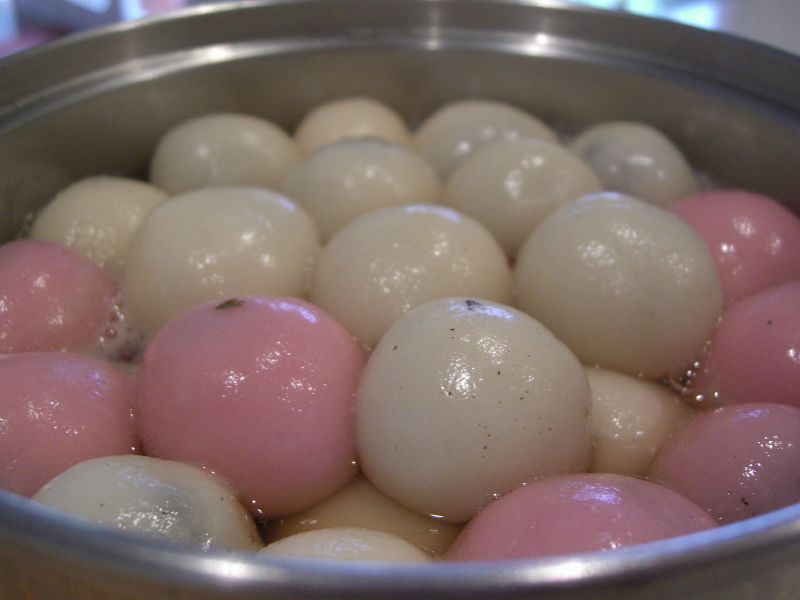
A winter solstice festival of family reunions, ancestor rites and sweet rice ballsSeasonal · Dinner
🇨🇳 Suzhou, China and 4 moreDongzhi Festival冬至
A winter solstice festival of family reunions, ancestor rites and sweet rice ballsSeasonal · Dinner
 🇰🇷 Busan, South KoreaBusan Sunrise Festival부산해맞이축제
A bell rung in Busan on 31 December, then the year's first sunrise at the beachSeasonal
🇰🇷 Busan, South KoreaBusan Sunrise Festival부산해맞이축제
A bell rung in Busan on 31 December, then the year's first sunrise at the beachSeasonal
The same idea elsewhere
New Year compared 🇮🇳 Ayodhya, India and 7 moreDiwaliदीपावली (Dīpāvalī)
A five-day festival of lights celebrated across India and its diaspora to mark the victory of light over darkness.Festival · Feasts and festival meals
🇮🇳 Ayodhya, India and 7 moreDiwaliदीपावली (Dīpāvalī)
A five-day festival of lights celebrated across India and its diaspora to mark the victory of light over darkness.Festival · Feasts and festival meals
 🇮🇷 Iran and 7 moreNowruzنوروز
The Iranian new year at the March equinox, kept with fire, greenery and picnicsSeasonal
🇮🇷 Iran and 7 moreNowruzنوروز
The Iranian new year at the March equinox, kept with fire, greenery and picnicsSeasonal
 🇮🇱 Jerusalem, Israel and 1 moreHanukkahחֲנֻכָּה
An eight-day Jewish festival marking the rededication of the Second Temple in Jerusalem and the miracle of a single day'Festival
🇮🇱 Jerusalem, Israel and 1 moreHanukkahחֲנֻכָּה
An eight-day Jewish festival marking the rededication of the Second Temple in Jerusalem and the miracle of a single day'Festival
 🇮🇳 Mathura, India and 5 moreHoliहोली (Hindi)
A spring festival of colours and bonfires that marks the end of winter and the triumph of good over evil.Festival
🇮🇳 Mathura, India and 5 moreHoliहोली (Hindi)
A spring festival of colours and bonfires that marks the end of winter and the triumph of good over evil.Festival