Life-cycle ritesEast AsiaIndigenous and traditionalSecular and civic
Doljanchi
In its own language: 돌 (dol); 돌잔치 (doljanchi)
A Korean first-birthday rite where a baby picks an object that hints at the years ahead

Doljanchi is the Korean celebration of a baby's first birthday. Families make an offering to Samsin, the deity believed to protect children, dress the child in hanbok, lay out a birthday table, and watch as the baby chooses one object from it.
When is Doljanchi kept?
Doljanchi is kept on a child's first birthday.
Reaching a first birthday is a milestone in any family, and Korean households mark it with a doljanchi. The baby wears traditional dress, a table is loaded with food and small objects, and the child is let loose on it. Whatever gets grabbed first is believed to say something about the life ahead. Today the party is often held in a hotel or hall, but the shape of the rite is old.
A child's first year
In Korean, dol is a counting word for the age of a young child, and the party that closes that first year takes its name from it. Families have long marked the day, especially when many babies did not live to see it. The custom appears to have taken shape in the Joseon period, with early mentions among the yangban, the scholar-officials of the time, in the middle of the 1500s. The doljabi itself comes from zhuazhou, a Chinese rite of the same kind. Rich and poor alike have kept the birthday, and it survives in both Koreas and among Korean families overseas.
Dressing the child
For the ceremony the child wears hanbok, Korean traditional dress. A boy has a jacket, trousers, a waistcoat, an outer coat and a soft black hat, with cloth shoes. A girl wears a short jacket, sometimes a long one, over a red skirt, with a small cap and patterned socks. Both carry a doltti, a band worn across the chest, and a doljumeoni, a pouch at the waist. Guests arrive with presents for the baby and the parents: money, rice or thread, bedding, small furniture, jewellery or clothes. The classic gift is a dolbanji, a gold ring, a habit said to have come with Chinese settlers in the early 1900s.
Setting out the table
Early on the day, the mother places an offering called a samsinsang in the anbang, the inner room kept for women. Water, rice and seaweed soup are the plain forms of it, and the same soup and rice are then eaten by the household. Later comes the dolsang, the birthday table, set up in that room or in the daecheong, the shared floor of the house. It is round, so there is no corner for the child to strike. A folding screen, or byeongpung, often stands behind it. Food is built up in tall, decorated piles: fruit, vegetables, grilled dishes, rice, noodles, seaweed soup, fried pancakes and sweets, with rice cakes among the most popular.
The doljabi rite
The baby is set in front of the table for the doljabi, the choosing. Small objects wait among the food, and whichever one the child takes first is read as a sign of the luck to come. Paper, a brush, ink or a book point to learning and to success in the old civil service examinations. Money means wealth, rice a well-fed life, a bow or sword courage, thread or long noodles many years, and scissors or needles skill at home. Parents and relatives often try to steer the small hand. Newer tables add a stethoscope for a doctor, a gavel for a judge, a microphone for a performer, a computer mouse for a tech worker or a passport for a diplomat.
Today and change
In 1791 a royal baby who grew up to be King Sunjo took a bow and an instrument at his doljabi, and the court handed out rice cakes to ministers, guards, servants and people in the streets. The modern version is often a hired affair. Hotels and banquet halls are booked, caterers cook, and photographers, stylists and hosts are paid. Guests may take home gift bags, and hanbok can be rented. Some families use the day to display their means, and others answer that by choosing something small and thrifty. Rice and clothing were the usual gifts until the 1950s. Gold came into fashion earlier in the century, and cash has lately replaced it for many.
How Doljanchi is kept
At home, the day starts with the mother placing a small offering for Samsin in the inner room; the family then eats seaweed soup with rice. The child is dressed in hanbok, a table of food and small objects is arranged, and guests arrive with gifts. The baby is placed before it and takes one object, which everyone present reads as a sign. The hosts may later send rice cakes around to the neighbours, who answer with presents of their own, often money, rice or thread, sometimes carried back in the same container.
When and where
It is held on the child's first birthday, counted in the Korean way, so the date depends on the individual baby rather than on the calendar. There is no fixed festival day. Families who keep the older lunar reckoning and those who use the solar calendar will therefore hold it on different dates.
The doljanchi belongs to Korea and is kept in both the South and the North, under different spellings. It is strongest among Korean families at home. Korean communities abroad have carried it with them, and households where the parents come from two cultures have made the day their own.
What Doljanchi means
The rite carries two hopes at once. One is protection: Samsin is asked to watch over a small child in a year when life was fragile. The other is a wish for a good future, spoken through the objects on the table, so a brush means learning, grain means food on the table, and long noodles mean a long life. It is also the moment when a family presents the child to relatives and neighbours as a new member of the wider circle.


Questions people ask about Doljanchi
When is Doljanchi kept?
Doljanchi is kept on a child's first birthday.
What is a doljanchi?
It is a Korean family celebration for a child's first birthday. The household makes an offering to Samsin, the deity believed to watch over young children, dresses the baby in traditional clothing, sets out a table of food and objects, and watches which object the child picks first.
What happens in the doljabi?
The baby is set in front of the dolsang, the birthday table, and encouraged to grab one of the objects placed there. The choice is taken as a hint at the child's future: a book for study, money for wealth, a bow or sword for bravery, thread or noodles for long life.
Where is it kept today?
In Korea, in both the South and the North, and among Korean families living abroad. Hotels and banquet halls are common venues now, with caterers and photographers hired for the day, though some families choose something smaller at home instead.
What is on the birthday table?
Two kinds of things: food and small objects. Fruit, vegetables, grilled dishes, rice, noodles, seaweed soup, fried pancakes and sweets are stacked on the dolsang, and the objects for the doljabi sit among them. A folding screen often stands behind the table.
See also
 Postpartum confinementA period of rest, nourishment, and seclusion for mothers after giving birth.
 TalchumA Korean mask dance drama in which masked actors sing, dance and mock the powerful
 Water lanternSmall lamps floated on water to honour the dead and ask for good fortune
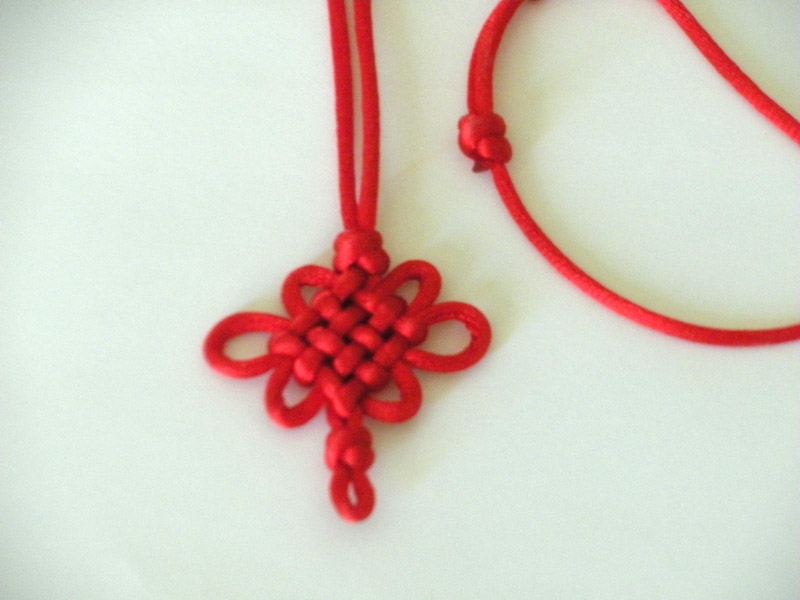 Chinese knottingA folk craft of cord tied into lucky shapes, made in China and given as charms
Good reading and sources
- Punk show supports marriage for allThe Korea Times, Article
- Punk show supports marriage for allThe Korea Times, Article
- Doljanchi on WikipediaEncyclopedia
- More photos on Wikimedia CommonsPhotos and video
- Wikidata recordOpen data
The facts on this page come from the Wikipedia article "Doljanchi", written by its contributors and used under the CC BY-SA 4.0 licence, and from its Wikidata record (CC0). EveryParampara rewrote the text in its own words, with AI assistance, and compares every page with the article to make sure no passage is copied. It may be reused under the same CC BY-SA 4.0 licence with a link back.
It may contain mistakes. Traditions differ from one family, village and community to the next, and the people who keep them know them best. If something is wrong, tell us. Last refreshed 2026-10-05.
More from South Korea
All the traditions of South Korea
🇨🇳 China and 5 morePostpartum confinement
A period of rest, nourishment, and seclusion for mothers after giving birth.Rite of passage
 🇰🇷 South Korea and 1 morePyebaek폐백
A Korean wedding rite where newlyweds bow to elders and share dates, chestnuts and wineRite of passage
🇰🇷 South KoreaKorean traditional funeral
A multi-day ritual blending Confucian rites and shamanic practices to guide the deceased to the afterlife.Rite of passage
🇰🇷 South Korea and 1 morePyebaek폐백
A Korean wedding rite where newlyweds bow to elders and share dates, chestnuts and wineRite of passage
🇰🇷 South KoreaKorean traditional funeral
A multi-day ritual blending Confucian rites and shamanic practices to guide the deceased to the afterlife.Rite of passage
 🇰🇷 Seoul, South Korea and 1 moreMarriage in Korea
Weddings in Korea, from Goryeo matchmaking to Confucian rites and modern chapel vowsRite of passage
🇰🇷 Seoul, South Korea and 1 moreMarriage in Korea
Weddings in Korea, from Goryeo matchmaking to Confucian rites and modern chapel vowsRite of passage
The same idea elsewhere
Birth and new babies compared 🇦🇺 AustraliaSmoking ceremonyNumbuk Yabbun
An Aboriginal Australian ritual of burning native plants to cleanse, heal and welcomeSpiritual
🇦🇺 AustraliaSmoking ceremonyNumbuk Yabbun
An Aboriginal Australian ritual of burning native plants to cleanse, heal and welcomeSpiritual
 🇺🇸 United States and 1 moreDreamcatcherᐊᓴᐱᑫᔒᓐᐦ (asabikeshiinh)
A hand-woven hoop from Anishinaabe tradition, hung above a cradle to protect a childCraft
🇺🇸 United States and 1 moreDreamcatcherᐊᓴᐱᑫᔒᓐᐦ (asabikeshiinh)
A hand-woven hoop from Anishinaabe tradition, hung above a cradle to protect a childCraft
 🇮🇩 IndonesiaSlametan
A short communal meal on Java where neighbours share food, prayer and a wish for peaceSpiritual · Feasts and festival meals
🇮🇩 IndonesiaSlametan
A short communal meal on Java where neighbours share food, prayer and a wish for peaceSpiritual · Feasts and festival meals
 🇮🇩 Yogyakarta, IndonesiaSekatenꦱꦼꦏꦠꦺꦤ꧀
A week-long Javanese royal festival and market honouring the birth of the ProphetFestival
🇮🇩 Yogyakarta, IndonesiaSekatenꦱꦼꦏꦠꦺꦤ꧀
A week-long Javanese royal festival and market honouring the birth of the ProphetFestival