Life-cycle ritesEast AsiaChristianSecular and civic
Marriage in Korea
Weddings in Korea, from Goryeo matchmaking to Confucian rites and modern chapel vows

Korean marriage customs reach back to Goguryeo and Goryeo, when weddings were held at the bride's home and matchmakers arranged matches. Under the Joseon dynasty Confucian rules reshaped who could marry whom, and the peninsula's two states now keep separate marriage laws.
When is Marriage in Korea kept?
Marriage in Korea is kept on once in a person's life, on a day the groom's family picks from the lunar calendar.
Marriage in Korea is a life passage that joins two households, not only two people. Older forms grew out of Goguryeo and Goryeo practice, when a husband often went to live with his wife's parents, and were remade under Joseon Confucian law. In South Korea today a wedding is a legal union of a man and a woman, and couples may add a church ceremony, a traditional rite, or a plain civic one.
Two families joined
In Korean tradition a wedding was less a private matter between two people than an alliance between households. Confucian values put the family above the individual, and elders on both sides decided whether a match should go ahead. Among elite families a good marriage also protected or raised standing in society, which is why so much preparation came before any ceremony. People treated marriage as a life's chief turning point. The sources list what families weighed up: social position, character, looks, schooling or farm work, and whether a fortune-teller judged the pair suited.
Goryeo ways
From the Goguryeo period onward, and through Goryeo rule from 918 to 1392, a new husband commonly moved in with his wife's family, a pattern called matrilocality. A Korean saying calls such a man someone who is entering jangga, the household of his wife's father. Ceremonies took place at the bride's home, and couples married in their late teens, with aristocratic families marrying earlier than ordinary ones. Gifts and a banquet showed off the bride's family's means, but no dowry or bride price changed hands. Matchmakers arranged most matches, and sons and daughters inherited equal shares.
Joseon reforms
Early Joseon rulers borrowed Chinese ideas of rank within marriage. A man could have a primary wife and secondary wives, and the primary wife's children took precedence in succession. To qualify, a woman had to come to her husband's family as a virgin; noblemen who already had several wives had to name one of them primary. Following Ming law, a primary wife could not be set aside for another, and the order of wives could not be shuffled. Elite yangban men took first wives from yangban families and second wives from lower classes. Couples began living with the husband's parents, and by 1669 marriage between people sharing a surname was banned.
Colonial-era weddings
Under Japanese colonial rule, Western-style Protestant weddings spread from a missionary practice to a fashionable city custom between the 1910s and the 1930s. Historian Hajin Jun has studied newspaper wedding columns, mission records and studio photographs. The first chapel wedding to draw wide press notice was held in 1917, and a boom in these new-style, or sinsik, weddings followed among Seoul professionals, though a rented formal coat could cost a week of factory pay. Cultural nationalists called such ceremonies wasteful and showy. Reformers answered with cheaper choices, a society-style civic wedding and a bare Korean national wedding, hoping for rites that felt modern without belonging to one denomination.
Rules today
The two Korean states handle marriage differently, and their family laws parted in the late 1940s. South Korea allows marriage only between a man and a woman; people over 18 need a parent's or guardian's consent, and the marriage age is otherwise 20 by Korean counting. Couples who never register but live and present themselves as married may be recognised as a de facto marriage. Since 2005, marrying someone from the same clan has no longer been illegal. In the North, engagement carries no legal weight, boys may marry at 18 and girls at 17, divorce needs administrative approval, and arranged marriages remain common.
How Marriage in Korea is kept
A traditional wedding moved through set stages. First came euihon, the matchmaking stage, when the two families talked over a possible union and letters went back and forth: the groom's side sent a proposal, the bride's side a reply. Next the groom's family fixed the day, naljja seoljeong, chosen from his lunar year, month, day and hour. Gifts were exchanged and a banquet held. In Goryeo a couple's ceremony was staged at the bride's home; after the shift to living with the husband's parents it was held there. Where a couple chooses a church wedding or a civic ceremony instead, those forms follow their own order.
When and where
Weddings are not tied to one season. In the traditional sequence the groom's household picked the date, reading his birth year, month, day and hour on the lunar calendar. Joseon law set the earliest ages for a first marriage at 15 for a man and 14 for a woman, and today South Korea sets the age at 20 by Korean counting, or 18 with consent.
The customs described here belong to the Korean peninsula and are set out for both South Korea and North Korea. In the North, arranged marriage is still common, and official figures show more than 96 percent of adults past 30 married, with fewer than 1 percent separated or divorced.
What Marriage in Korea means
A wedding marked the passing of a person into adult family life, and it bound two kin groups as much as two individuals. Under Confucian thinking the household came first, so a good match was a duty and a source of standing. Goryeo families kept ties on both sides, counting a child's relatives through mother and father alike, and daughters inherited the same as sons. Joseon law pushed the other way, ranking wives and tracing descent more sharply through the father's line. Church weddings carried Christian meaning, while civic reformers wanted a ceremony free of any denomination.


Questions people ask about Marriage in Korea
When is Marriage in Korea kept?
Marriage in Korea is kept on once in a person's life, on a day the groom's family picks from the lunar calendar.
What is marriage in Korea like?
It is a legal and family passage. Older forms joined two households and were decided by elders, with a matchmaker, letters and a fortune-teller. Today a couple may register a civil marriage, add a Western-style church service, hold a traditional rite, or choose a simpler civic ceremony. The two Korean states set different rules.
Where is it kept?
In South Korea and North Korea, and the rules differ. South Korea recognises only unions of a man and a woman. North Korea does not legally recognise engagement and allows marriage at 18 for boys and 17 for girls. Divorce in the North needs administrative approval.
Can cousins or people with the same surname marry?
In South Korea no law blocks it now. Until 2005, a marriage between two people of the same clan broke incest taboos and was illegal, and a shared surname was socially frowned on. The ban drew on Tang Chinese custom and late Joseon Confucian ideas. North Korea has no rules on consanguineous marriage.
What is a de facto marriage?
South Korea uses the term for a couple who have not registered their union but behave as married people do. They may have told others their relationship is a marriage, held a public wedding, or lived together as husband and wife. The law treats these as equivalent to common law marriage.
See also
 PyebaekA Korean wedding rite where newlyweds bow to elders and share dates, chestnuts and wine
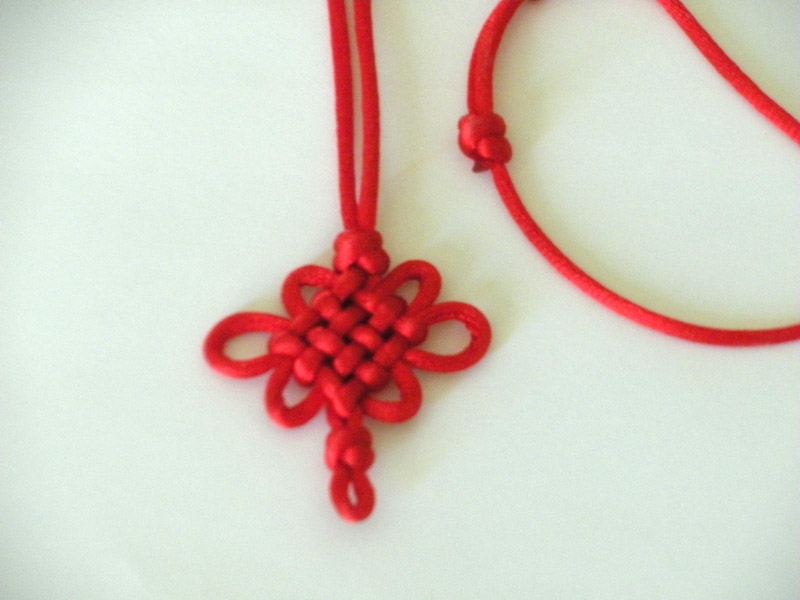 Chinese knottingA folk craft of cord tied into lucky shapes, made in China and given as charms
 HanbokKorea's customary dress: a short jacket, a skirt or trousers, and a bow-tied ribbonKwanjulaA formal marriage introduction ritual of the Baganda people in Uganda, where families meet to exchange gifts and seek bl
Good reading and sources
- Multicultural families help make Korea more open societyThe Korea Times, Article
- Multicultural families help make Korea more open societyThe Korea Times, Article
- Marriage in Korea on WikipediaEncyclopedia
- More photos on Wikimedia CommonsPhotos and video
- Wikidata recordOpen data
The facts on this page come from the Wikipedia article "Marriage in Korea", written by its contributors and used under the CC BY-SA 4.0 licence, and from its Wikidata record (CC0). EveryParampara rewrote the text in its own words, with AI assistance, and compares every page with the article to make sure no passage is copied. It may be reused under the same CC BY-SA 4.0 licence with a link back.
It may contain mistakes. Traditions differ from one family, village and community to the next, and the people who keep them know them best. If something is wrong, tell us. Last refreshed 2026-10-05.
More from South Korea
All the traditions of South Korea
🇰🇷 South Korea and 1 morePyebaek폐백
A Korean wedding rite where newlyweds bow to elders and share dates, chestnuts and wineRite of passage
 🇨🇳 China and 5 morePostpartum confinement
A period of rest, nourishment, and seclusion for mothers after giving birth.Rite of passage
🇨🇳 China and 5 morePostpartum confinement
A period of rest, nourishment, and seclusion for mothers after giving birth.Rite of passage
 🇰🇷 South Korea and 1 moreDoljanchi돌 (dol); 돌잔치 (doljanchi)
A Korean first-birthday rite where a baby picks an object that hints at the years aheadRite of passage
🇰🇷 South KoreaKorean traditional funeral
A multi-day ritual blending Confucian rites and shamanic practices to guide the deceased to the afterlife.Rite of passage
🇰🇷 South Korea and 1 moreDoljanchi돌 (dol); 돌잔치 (doljanchi)
A Korean first-birthday rite where a baby picks an object that hints at the years aheadRite of passage
🇰🇷 South KoreaKorean traditional funeral
A multi-day ritual blending Confucian rites and shamanic practices to guide the deceased to the afterlife.Rite of passage
The same idea elsewhere
Weddings compared 🇼🇸 Samoa and 1 moreʻIe tōga
Precious woven mats exchanged in Samoan ceremonies to honor family ties and chiefly status.Dress
🇼🇸 Samoa and 1 moreʻIe tōga
Precious woven mats exchanged in Samoan ceremonies to honor family ties and chiefly status.Dress
 🇹🇱 Timor-LesteUma Lulik
Sacred ancestral clan houses and ritual shrines in East TimorSpiritual
🇹🇱 Timor-LesteUma Lulik
Sacred ancestral clan houses and ritual shrines in East TimorSpiritual
 🇮🇩 Indonesia and 2 moreKenduri
A communal prayer meal and gathering shared across Indonesia, Malaysia and BruneiSpiritual · Feasts and festival meals
🇺🇬 UgandaKwanjula
A formal marriage introduction ritual of the Baganda people in Uganda, where families meet to exchange gifts and seek blRite of passage
🇮🇩 Indonesia and 2 moreKenduri
A communal prayer meal and gathering shared across Indonesia, Malaysia and BruneiSpiritual · Feasts and festival meals
🇺🇬 UgandaKwanjula
A formal marriage introduction ritual of the Baganda people in Uganda, where families meet to exchange gifts and seek blRite of passage