Finnish sauna
In its own language: sauna
A weekly bathing ritual of steam and heat, central to Finnish life and wellbeing.

The Finnish sauna is a traditional bathing practice rooted in Finland and shared across Northern Europe. It involves sitting in a heated room, often followed by cooling down in water or snow, and serves as a space for hygiene, relaxation, and social equality.
When is Finnish sauna kept?
Finnish sauna is kept on weekly, traditionally on Saturdays.
The Finnish sauna is a fundamental part of daily life in Finland and much of Northern Europe. This bathing tradition uses a heated room to create steam, which people use for cleansing and relaxation. The practice emphasizes physical health and social equality, serving as a place where titles and hierarchies are left at the door.
History and origins
The word sauna comes from the Finnish language. Historically, Finns used these structures for living, eating, and maintaining hygiene. They even served as places for childbirth because the heat created a clean environment. During the Reformation in Scandinavia, saunas spread to other regions as European bathhouses closed due to disease outbreaks. Wood was widely available in Finland, making it easy to build and warm these rooms.
How the ritual works
Bathing begins with a wash before entering the hot room, which typically reaches temperatures between eighty and one hundred ten degrees Celsius. Water is thrown onto hot stones to produce steam called löyly. Some people gently beat their muscles with leafy birch branches. After the heat becomes intense, they cool down in a lake, sea, or shower. In winter, rolling in snow or swimming through ice holes is common. The cycle of heating and cooling repeats several times.
Types of saunas
Saunas vary by how they are heated. Smoke saunas lack chimneys; wood burns inside until the room is hot, then the fire is extinguished and the smoke clears. These take all day to prepare but offer unique benefits. Wood stove saunas use birch logs to heat stones directly. Electric stoves are popular in cities and apartments for their safety and convenience. Mobile saunas also exist, built into trailers or tents for travel.
Etiquette and customs
Nudity is standard in the hot room, though small towels can be used for sitting. Clothing is not worn inside. Swimwear is banned in public saunas because chlorine fumes can cause breathing issues. Groups may bathe together, separately by gender, or by family. Younger adults often mix genders, while older generations prefer separation. Refusing an invitation is acceptable if it causes discomfort or inconvenience.
How Finnish sauna is kept
Participants wash before entering the heated room. They sit on benches near the ceiling where steam gathers. Water is poured over stones to create löyly. People may use birch branches to massage their skin. Afterward, they cool down in cold water or snow. The process repeats multiple times. Finally, a thorough wash concludes the session. Social rules dictate who bathes together based on age and relationship.
When and where
It is kept weekly, with Saturday being the traditional day. The practice happens year-round regardless of weather.
It is strongest in Finland, found in homes, lakesides, workplaces, and even mines. It is also present in Estonia and among Finnish communities abroad.
What Finnish sauna means
Löyly represents breath, spirit, and life force in old beliefs. The steam rising from the stove was seen as a vital power. The ritual connects physical cleanliness with spiritual renewal, reflecting a deep respect for nature and bodily health.


Questions people ask about Finnish sauna
When is Finnish sauna kept?
Finnish sauna is kept on weekly, traditionally on Saturdays.
What is the Finnish sauna?
It is a bathing tradition from Finland involving a heated room filled with steam. People use it for hygiene, relaxation, and socializing. It is a key part of Finnish identity and wellbeing.
What is löyly?
Löyly is the specific term for the steam produced by throwing water on hot stones. It is distinct from general vapor and holds cultural significance as a symbol of life and spirit.
Do you wear clothes in the sauna?
No, nudity is normal in the hot room. Small towels are used for sitting. Swimwear is banned in public facilities to prevent chemical fumes.
See also
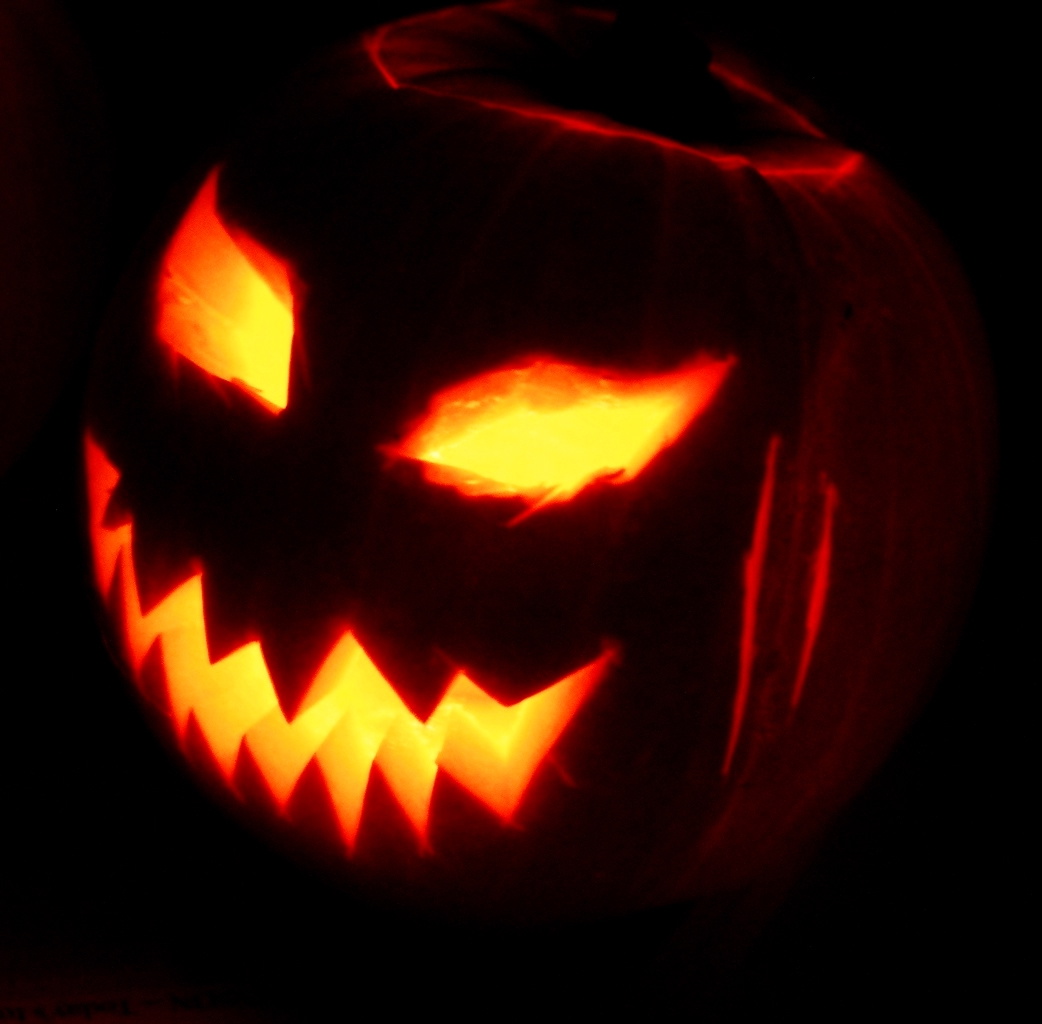 HalloweenAn annual observance on 31 October marking the eve of All Saints' Day, rooted in Christian tradition and Celtic heritage
 Christmas treeA decorated evergreen or artificial tree placed indoors to mark the Christmas season.
 CandlemasA Christian feast of candle blessings marking the end of the Christmas season
 NkisiSpiritual vessels and figures crafted to channel ancestral power, healing and justice
Good reading and sources
- Sauna culture in FinlandUNESCO, Heritage listing
- The sauna secret: why Finland is the happiest country in the worldThe Guardian, Article
- Sauna culture in FinlandUNESCO, Article
- The sauna secret: why Finland is the happiest country in the worldThe Guardian, Article
- Finnish sauna on WikipediaEncyclopedia
- More photos on Wikimedia CommonsPhotos and video
- Wikidata recordOpen data
The facts on this page come from the Wikipedia article "Finnish sauna", written by its contributors and used under the CC BY-SA 4.0 licence, and from its Wikidata record (CC0). EveryParampara rewrote the text in its own words, with AI assistance, and compares every page with the article to make sure no passage is copied. It may be reused under the same CC BY-SA 4.0 licence with a link back.
It may contain mistakes. Traditions differ from one family, village and community to the next, and the people who keep them know them best. If something is wrong, tell us. Last refreshed 2026-10-05.
More from Finland
All the traditions of Finland 🇺🇸 United States and 4 moreFriday the 13th
A Western folk superstition regarding the unluckiness of a Friday falling on the 13th.Folklore
🇺🇸 United States and 4 moreFriday the 13th
A Western folk superstition regarding the unluckiness of a Friday falling on the 13th.Folklore
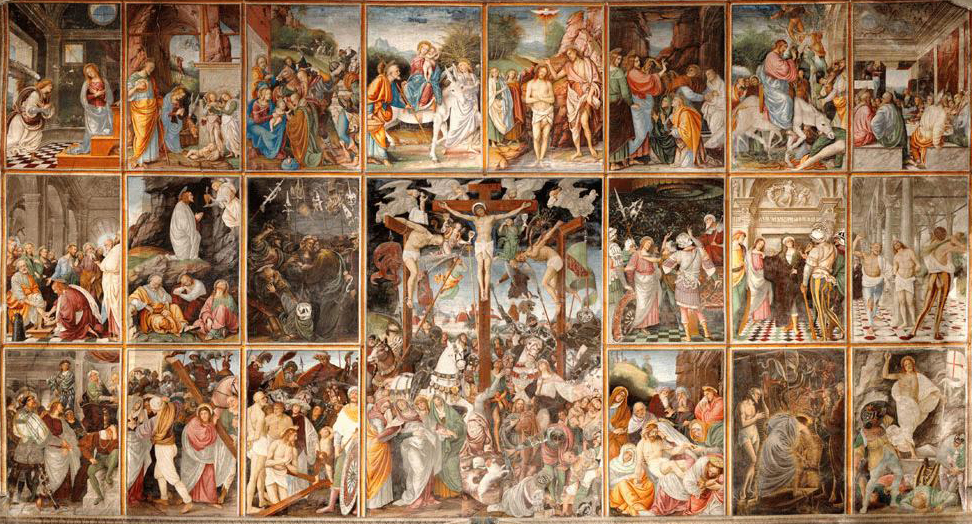 🇮🇱 Jerusalem, Israel and 5 morePresentation of Jesus at the TempleIn praesentatione Domini
A February feast of candles and welcome, kept forty days after ChristmasSpiritual
🇮🇱 Jerusalem, Israel and 5 morePresentation of Jesus at the TempleIn praesentatione Domini
A February feast of candles and welcome, kept forty days after ChristmasSpiritual
 🇫🇮 Finland and 5 moreMolybdomancy
Pouring molten lead or tin into water, then reading the shape as an omenFolklore
🇫🇮 Finland and 5 moreMolybdomancy
Pouring molten lead or tin into water, then reading the shape as an omenFolklore
 🇩🇪 Germany and 5 morePolterabend
Guests smash porcelain the night before a wedding to wish the couple luckRite of passage
🇩🇪 Germany and 5 morePolterabend
Guests smash porcelain the night before a wedding to wish the couple luckRite of passage
The same idea elsewhere
Healing, luck and protection compared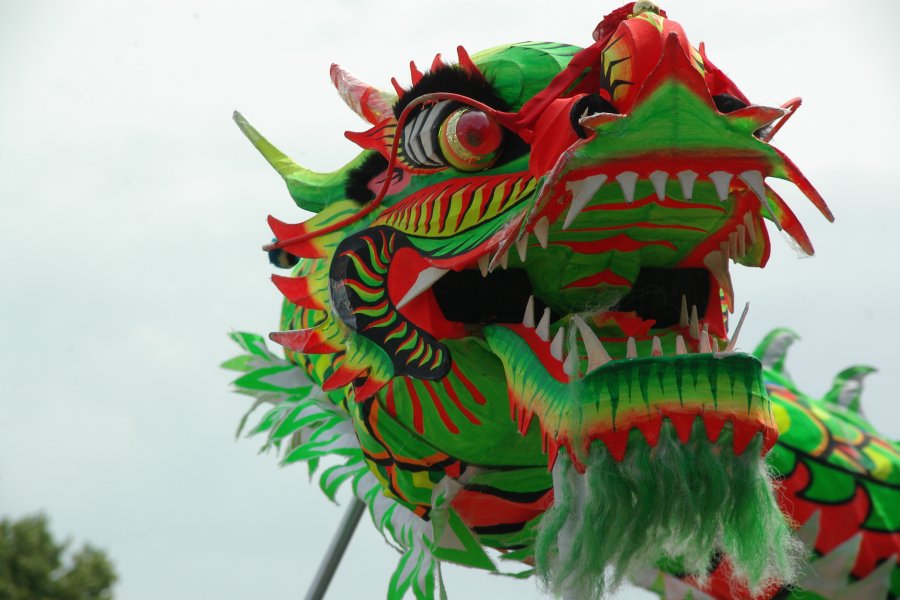 🇨🇳 China and 3 moreDragon dance舞龍 / 舞龙
A long dragon puppet on poles, danced by a team at Chinese New Year and other festivalsPerformance
🇵🇬 Trobriand Islands, Papua New GuineaTrobriand cricket
Cricket as played in the Trobriand Islands, with chants, dances and a feastGame
🇨🇳 China and 3 moreDragon dance舞龍 / 舞龙
A long dragon puppet on poles, danced by a team at Chinese New Year and other festivalsPerformance
🇵🇬 Trobriand Islands, Papua New GuineaTrobriand cricket
Cricket as played in the Trobriand Islands, with chants, dances and a feastGame
 🇮🇳 India and 4 moreWater lantern
Small lamps floated on water to honour the dead and ask for good fortuneFestival
🇮🇳 India and 4 moreWater lantern
Small lamps floated on water to honour the dead and ask for good fortuneFestival
 🇲🇳 Mongolia and 3 moreOvooовоо (Cyrillic Mongolian); ᠣᠪᠤᠭᠠ (Traditional Mongol)
A stone cairn on a peak or pass, circled by travellers and honoured in sky worshipSpiritual
🇲🇳 Mongolia and 3 moreOvooовоо (Cyrillic Mongolian); ᠣᠪᠤᠭᠠ (Traditional Mongol)
A stone cairn on a peak or pass, circled by travellers and honoured in sky worshipSpiritual