Polterabend
Guests smash porcelain the night before a wedding to wish the couple luck

A Polterabend is an evening of noisy dish-smashing held before a wedding, mainly in Germany and in western Poland, with smaller followings in Austria and Switzerland. Guests throw porcelain on the ground outside the bride's home, and the couple clears up the pieces together.
When is Polterabend kept?
Polterabend is kept on the evening before the wedding, most often a Friday.
Before a wedding, in Germany and in parts of Poland, friends and neighbours gather for a Polterabend. They bring old porcelain and throw it on the ground, and the noise is the point. The couple then clears the shards away together. People keep the custom because they believe broken pottery brings the marriage good fortune.
What it is
A Polterabend is an evening party held shortly before a wedding. Guests smash porcelain, and sometimes ceramic tiles, sinks or flowerpots, on the ground outside the bride's home or her parents' home. The German word joins poltern, to make a racket, with Abend, evening. The custom is not a bachelor or bachelorette night. At a Polterabend the couple celebrates side by side with their friends, while at a Junggesellenabschied the bride and groom go out separately with their own friends. The name has also been borrowed into Danish, where it now means that separate party.
Origins and history
Nobody knows exactly where the Polterabend began. One account traces it to Germanic tribes who threw shards to scare off evil spirits. Another points to an old heathen rite in which clay altars used for sacrifice were smashed once the offering had been made. A further suggestion is psychological: men who had hoped to marry the bride themselves get a socially acceptable chance to let off steam. The saying Scherben bringen Glück, shards bring luck, comes from a time when a shard could mean an intact clay pot rather than a broken piece, and a full jar was thought a lucky thing to own.
How it is kept
This is not a formal occasion with printed invitations. The couple spread the word and anyone who wants to come turns up; many use it to include people they cannot fit into the wedding itself. Guests bring porcelain to smash, along with metal things such as tin cans and bottle tops. Glass stays whole, because glass stands for happiness, and mirrors are spared too, since breaking one is said to bring seven years of bad luck. Food and drink are provided or asked of the guests. Afterwards the couple clears the pile of shards themselves.
Where it is kept
The custom is strongest in Germany, and above all in some of its regions. In the western parts of Poland, in Wielkopolska, Silesia, Kashubia, Kujawy and Kociewie, it is common as well, in areas long shaped by German cultural influence. Sweden and Finland have included it in wedding preparations for centuries, and descendants of immigrants keep it in some rural parts of Brazil. Austria and Switzerland go another way: there the bride and groom each have a separate party. Some regions also hold a calmer Paube, which can serve as an engagement party or a housewarming.
Today and change
A newer version folds two events into one. Called a Polter-wedding, it puts the smashing together with the wedding reception. In most places the Polterabend still happens on the Friday evening before the church ceremony, though some regions choose the Thursday or the Saturday. When it falls the night before the wedding, the couple may slip away around midnight so they are fresh the next morning, and the party itself is usually louder and more playful than the wedding. A German short film, Porcelain, directed by Annika Birgel, shows the custom.
How Polterabend is kept
Word of the evening passes by mouth rather than by invitation, so anyone who wishes may come. Guests arrive with porcelain, and often with metal odds and ends, and at the high point of the night they throw it down on the ground in front of the bride's home. Glass and mirrors are left intact. Food and drink are laid on, or guests are asked to bring some, and presents are often handed over at this point. The couple then clears the shards away themselves.
When and where
It usually falls a day or two before the wedding, most often on the Friday evening ahead of the church ceremony. In some regions people choose the Thursday or the Saturday instead. When the Polterabend is held the night before, the couple is allowed to leave around midnight.
Germany is its main home, above all in some of its regions. It is also kept in western Poland, in Wielkopolska, Silesia, Kashubia, Kujawy and Kociewie. Sweden and Finland have long included it in wedding preparations, and some rural communities in Brazil, founded by immigrants, keep it too. Austria and Switzerland prefer separate parties for bride and groom.
What Polterabend means
The noise and the broken pieces carry the hope of good luck for the marriage. Sweeping up is part of it: the couple has to deal with the heap of shards side by side, and this is meant to remind them that difficult times will have to be faced together. The custom also widens the wedding, since people who cannot be invited to the ceremony can still come and wish the couple well.

Questions people ask about Polterabend
When is Polterabend kept?
Polterabend is kept on the evening before the wedding, most often a Friday.
What is a Polterabend?
It is an evening gathering held before a wedding, mainly in Germany, at which guests break porcelain on the ground for luck. The couple, their friends and their neighbours take part, and afterwards the bride and groom clear up the pieces together.
Why do people break things?
The saying behind it is Scherben bringen Glück, shards bring luck. Long ago a shard could also mean an unbroken clay pot, and owning a full jar was thought to bring good fortune. The smashing is meant to wish the couple well.
Is it the same as a bachelor party?
No. At a Polterabend the bride and groom celebrate together with their friends. A Junggesellenabschied, the German bachelor or bachelorette party, is separate: each of them goes out with their own friends. In Danish the borrowed word polterabend now means that separate party.
What may be thrown, and what may not?
Porcelain is the usual choice, and stoneware, flowerpots, ceramic tiles, sinks and even toilet bowls are thrown too, along with metal items such as tin cans and bottle tops. Glass is spared, because glass stands for happiness, and mirrors are not broken either.
See also
 Bachelor partyA send-off for a groom-to-be, kept in the days and weeks before a wedding
 Christmas treeA decorated evergreen or artificial tree placed indoors to mark the Christmas season.
 CandlemasA Christian feast of candle blessings marking the end of the Christmas season
 Friday the 13thA Western folk superstition regarding the unluckiness of a Friday falling on the 13th.
Good reading and sources
- Polterabend on WikipediaEncyclopedia
- More photos on Wikimedia CommonsPhotos and video
- Wikidata recordOpen data
The facts on this page come from the Wikipedia article "Polterabend", written by its contributors and used under the CC BY-SA 4.0 licence, and from its Wikidata record (CC0). EveryParampara rewrote the text in its own words, with AI assistance, and compares every page with the article to make sure no passage is copied. It may be reused under the same CC BY-SA 4.0 licence with a link back.
It may contain mistakes. Traditions differ from one family, village and community to the next, and the people who keep them know them best. If something is wrong, tell us. Last refreshed 2026-10-05.
More from Germany
All the traditions of Germany
🇺🇸 United States and 5 moreBachelor party
A send-off for a groom-to-be, kept in the days and weeks before a weddingRite of passage
 🇺🇸 United States and 5 moreSaber arch
A wedding custom where sabers form an arch for the couple to walk through.Rite of passage
🇺🇸 United States and 5 moreSaber arch
A wedding custom where sabers form an arch for the couple to walk through.Rite of passage
 🇮🇱 Tiberias, Israel and 2 moreYahrzeitיאָרצײַט (yortsayt)
A Jewish death anniversary marked by prayer and a burning candle to honour the departed.Rite of passage
🇮🇱 Tiberias, Israel and 2 moreYahrzeitיאָרצײַט (yortsayt)
A Jewish death anniversary marked by prayer and a burning candle to honour the departed.Rite of passage
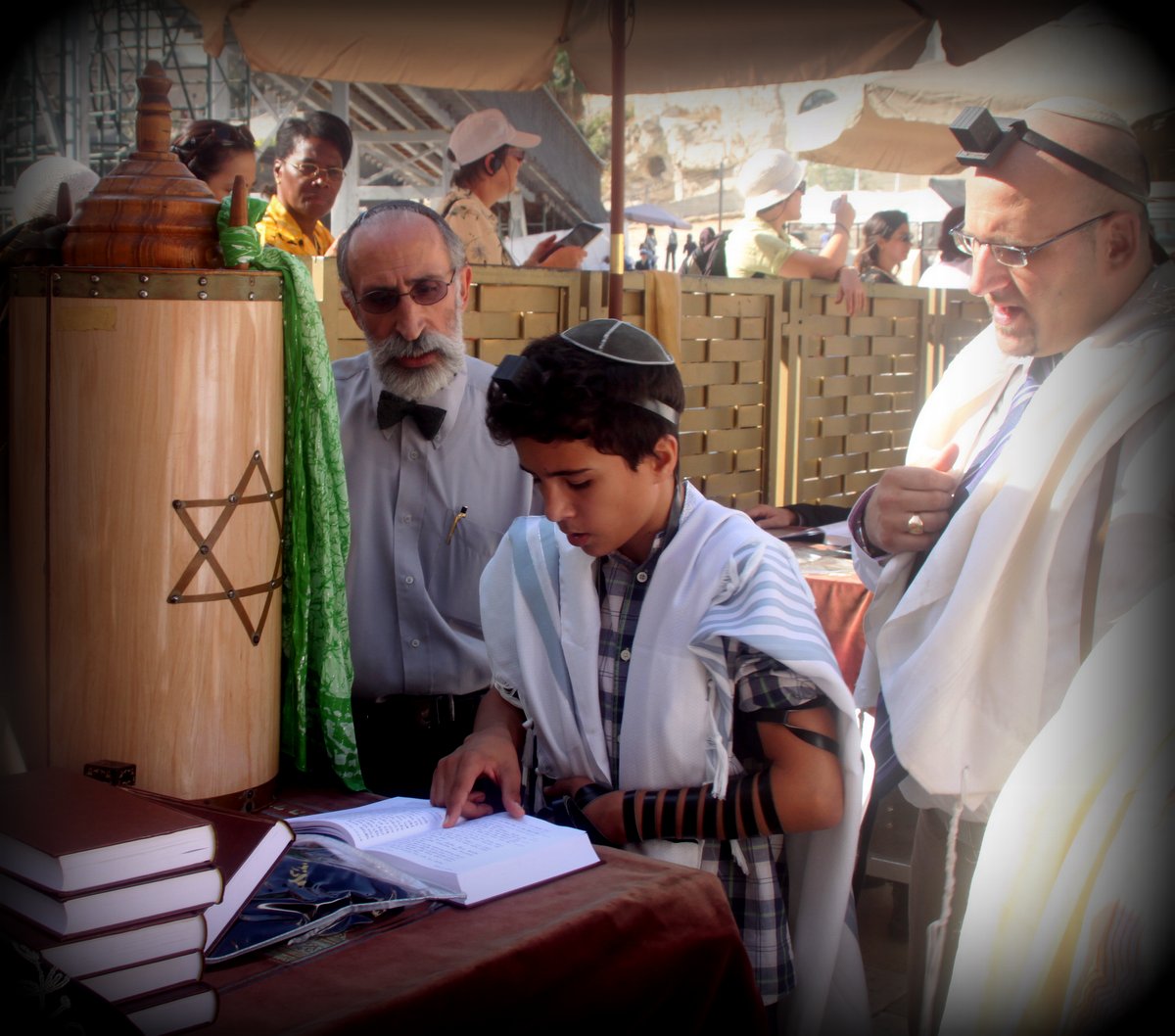 🇮🇱 Jerusalem, Israel and 5 moreBar and bat mitzvahבַּר מִצְוָה / בַּת מִצְוָה
A Jewish rite of passage marking when youth reach adulthood and take responsibility for their own actions.Rite of passage · Feasts and festival meals
🇮🇱 Jerusalem, Israel and 5 moreBar and bat mitzvahבַּר מִצְוָה / בַּת מִצְוָה
A Jewish rite of passage marking when youth reach adulthood and take responsibility for their own actions.Rite of passage · Feasts and festival meals
The same idea elsewhere
Weddings compared 🇨🇳 China and 5 moreLion dance舞獅
A dynamic ritual dance featuring costumed lions, drums and martial acrobaticsPerformance
🇨🇳 China and 5 moreLion dance舞獅
A dynamic ritual dance featuring costumed lions, drums and martial acrobaticsPerformance
 🇬🇪 Tbilisi, Georgia and 4 moreGeorgian polyphonic singing
Several voices at once, sung without instruments at Georgian feasts and weddingsPerformance
🇬🇪 Tbilisi, Georgia and 4 moreGeorgian polyphonic singing
Several voices at once, sung without instruments at Georgian feasts and weddingsPerformance
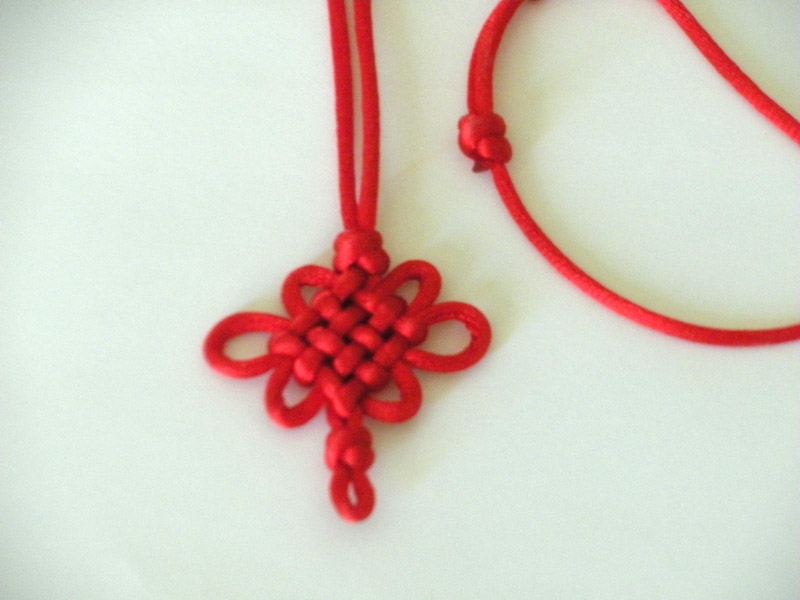 🇨🇳 China and 2 moreChinese knotting中國結 (Zhōngguó jié)
A folk craft of cord tied into lucky shapes, made in China and given as charmsCraft
🇨🇳 China and 2 moreChinese knotting中國結 (Zhōngguó jié)
A folk craft of cord tied into lucky shapes, made in China and given as charmsCraft
 🇲🇦 Tan-Tan, MoroccoTan-Tan Moussem
An annual gathering of Saharan nomadic tribes with music, trading and equestrian artsFestival
🇲🇦 Tan-Tan, MoroccoTan-Tan Moussem
An annual gathering of Saharan nomadic tribes with music, trading and equestrian artsFestival