Folklore and beliefEuropeJewish
Molybdomancy
Pouring molten lead or tin into water, then reading the shape as an omen

Molybdomancy is a way of telling fortunes by pouring molten metal, usually lead or tin, into water and reading the shape it hardens into. It is kept in Finland on New Year's Eve, in Germany, Austria and Switzerland as Bleigießen, in Turkey as kurşun dökme, in the Czech Republic at Christmas, and in Yiddish folk medicine as Bley-gisn.
When is Molybdomancy marked?
Molybdomancy is kept as part of New Year's Eve, which runs from 31 December 2026 to 1 January 2027.
Molybdomancy is a form of divination that reads the future in metal. Small pieces of lead, or more often tin today, are melted and poured into cold water. The shape that hardens is then interpreted as an omen. People in Finland, Germany, Austria, Switzerland and Turkey keep versions of it, most often at New Year, and Yiddish folk healers have used it against the evil eye.
What it is
Molybdomancy is divination with molten metal. A small piece of lead, or tin in most kits sold today, is heated in a ladle over a flame until it turns liquid. That liquid is tipped into cold water, where it hardens at once into a strange lump. The lump can be read as it is, or held near a candle so its shadow shifts on the wall and can be named. Readings are symbolic. A bubbly surface points to money. A shape that cracks or comes out thin warns of trouble. The piece chosen before melting can point to one part of life: a ship for travel, a key for work.
Finland's new year tin
In Finland the custom is kept on New Year's Eve and is called uudenvuodentina. People melt what they call tin in a ladle on the stove and throw it fast into a bucket of cold water. Shops sell the ladle and small bars, some shaped like a horseshoe, for this one purpose. The shapes are read both plainly and symbolically. A basket means a good mushroom year. A horse means a new car. The bars were once lead and tin. After Tukes, the safety and chemicals agency, banned lead for this use in 2018, they have mostly been lead-free tin. In Loviisa, members of the Valko volunteer fire department cast a 41 kilogram piece at New Year 2010, the largest on record.
Germany and its neighbours
In Germany, Austria and Switzerland the custom is called Bleigießen, which means lead pouring, and it belongs to New Year. Each shape that comes out of the water is matched to an object, an animal or a building it looks like, and each match carries its own meaning. European Union rules brought in during 2018 limit the sale of products that contain toxic lead, kits for this custom among them. Tin can stand in for lead. So can carromancy, the dripping of melted wax into water. In the Czech Republic the same kind of reading is counted among the Christmas traditions.
Turkey and the Balkans
In Turkey the practice is known as kurşun dökme, lead casting or lead pouring. It is used for a range of spiritual troubles and also to look ahead. The rituals differ from one place to another, but in all of them molten lead goes into water. Researchers at Ankara University looked at what the custom does to the health of women and reported risks of antimony poisoning and of lead poisoning. A similar traditional practice is found in Bosnia and Herzegovina.
Yiddish folk medicine
Among Yiddish-speaking Jews, Bley-gisn is a segula, a practice believed to bring good. A practitioner, usually a woman, says a psalm or an incantation and then pours melted lead into a vessel of water. It has been used to tell the future, to remove the evil eye, and to work out what lies behind a fright that is thought to cause illness in pregnant women and children. One account describes a bowl of water placed at the patient's head or on the belly, the metal melted on a teaspoon, and poured three times through the twigs of a besom onto the water, with magic words said each time.
How Molybdomancy is kept
A small piece of lead or tin is chosen, sometimes for the part of life it stands for. It goes into a ladle, which is held over a flame until the metal melts. The liquid is poured into cold water and hardens at once. The cooled shape is read straight away, or turned in candlelight so that its shadow can be named. A broken piece warns of trouble, bubbles mean money, a horse means a new car. In Finland this happens on New Year's Eve, in the German-speaking countries at New Year, in the Czech Republic at Christmas. In Turkey and in Yiddish folk use, a practitioner does the pouring for a person who has come for help.
When and where
Most often the reading happens at the turn of the year. In Finland it is a New Year's Eve custom, and Bleigießen in Germany, Austria and Switzerland belongs to New Year. In the Czech Republic it is counted among the Christmas traditions. Elsewhere it is not fixed to a date: in Turkey and in Yiddish folk medicine a person comes to a practitioner when there is a problem to solve.
It appears across a wide belt of Europe. Finland has its own New Year form, and Germany, Austria and Switzerland share Bleigießen. The Czech Republic keeps it at Christmas. Turkey has kurşun dökme, and a similar practice is used in Bosnia and Herzegovina. Estonia, Latvia and Bulgaria are also named among the places where it is found. Yiddish-speaking Jewish communities have their own version, Bley-gisn.
What Molybdomancy means
Those who pour the metal treat the shape as an answer, not as decoration. A figure that holds together is read as good luck; one that breaks, or comes out weak, is read as a warning. Bubbles on the surface point to money, a ship to travel, a key to a step forward at work, a basket to a good mushroom year, a horse to a new car. In Yiddish use the same pouring is meant to lift the evil eye and to name a hidden fright so that it can be treated.


Days Molybdomancy is marked
Questions people ask about Molybdomancy
When is Molybdomancy marked?
Molybdomancy is kept as part of New Year's Eve, which runs from 31 December 2026 to 1 January 2027.
What is molybdomancy?
It is divination with molten metal. A small piece of lead or tin is melted and poured into cold water, and the lump that forms is read as an omen. Some people read the shape itself, others turn it in candlelight and read the shadow it throws.
Where is it found?
Finland, Germany, Austria, Switzerland, Turkey, the Czech Republic and Bosnia and Herzegovina are named, and also Estonia, Latvia and Bulgaria. Yiddish-speaking Jewish communities have a version called Bley-gisn.
Could it be harmful?
The sources report health concerns. Researchers at Ankara University studied the Turkish practice and reported risks of antimony poisoning and lead poisoning. European Union rules from 2018 limit the sale of lead-containing products, including kits for this custom, and lead-free tin is now common in Finland.
What metal is used?
Lead was the older choice, and the German name Bleigießen means lead pouring. Tin is now common, and since 2018 the Finnish bars have mostly been lead-free tin. Melted wax, a practice called carromancy, is another substitute.
See also
 NazarA blue glass eye amulet worn and displayed to deflect the evil eye.
 Friday the 13thA Western folk superstition regarding the unluckiness of a Friday falling on the 13th.
 Evil eyeA belief in harm cast by envious glares, met with protective charms and spoken blessings
 Christmas treeA decorated evergreen or artificial tree placed indoors to mark the Christmas season.
Good reading and sources
- Molybdomancy on WikipediaEncyclopedia
- More photos on Wikimedia CommonsPhotos and video
- Wikidata recordOpen data
The facts on this page come from the Wikipedia article "Molybdomancy", written by its contributors and used under the CC BY-SA 4.0 licence, and from its Wikidata record (CC0). EveryParampara rewrote the text in its own words, with AI assistance, and compares every page with the article to make sure no passage is copied. It may be reused under the same CC BY-SA 4.0 licence with a link back.
It may contain mistakes. Traditions differ from one family, village and community to the next, and the people who keep them know them best. If something is wrong, tell us. Last refreshed 2026-10-05.
More from Finland
All the traditions of Finland
🇺🇸 United States and 4 moreFriday the 13th
A Western folk superstition regarding the unluckiness of a Friday falling on the 13th.Folklore
 🇩🇰 Denmark and 3 moreNissenisse (Danish, Norwegian); tomte (Swedish); tonttu (Finnish)
A small farm spirit of Nordic folklore, given porridge at midwinterFolklore
🇩🇰 Denmark and 3 moreNissenisse (Danish, Norwegian); tomte (Swedish); tonttu (Finnish)
A small farm spirit of Nordic folklore, given porridge at midwinterFolklore
 🇫🇮 Finland and 1 moreFinnish saunasauna
A weekly bathing ritual of steam and heat, central to Finnish life and wellbeing.Home
🇫🇮 Finland and 1 moreFinnish saunasauna
A weekly bathing ritual of steam and heat, central to Finnish life and wellbeing.Home
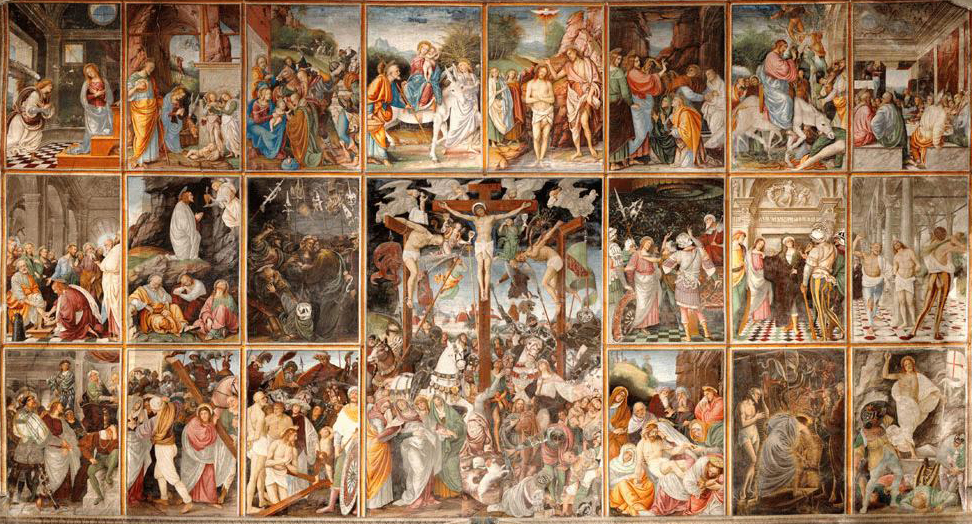 🇮🇱 Jerusalem, Israel and 5 morePresentation of Jesus at the TempleIn praesentatione Domini
A February feast of candles and welcome, kept forty days after ChristmasSpiritual
🇮🇱 Jerusalem, Israel and 5 morePresentation of Jesus at the TempleIn praesentatione Domini
A February feast of candles and welcome, kept forty days after ChristmasSpiritual
The same idea elsewhere
New Year compared 🇮🇩 IndonesiaOgoh-ogohᬳᭀᬕᭀᬄᬳᭀᬕᭀᬄ
Giant handcrafted statues paraded and burned on the eve of the Balinese Saka New YearFestival
🇮🇩 IndonesiaOgoh-ogohᬳᭀᬕᭀᬄᬳᭀᬕᭀᬄ
Giant handcrafted statues paraded and burned on the eve of the Balinese Saka New YearFestival
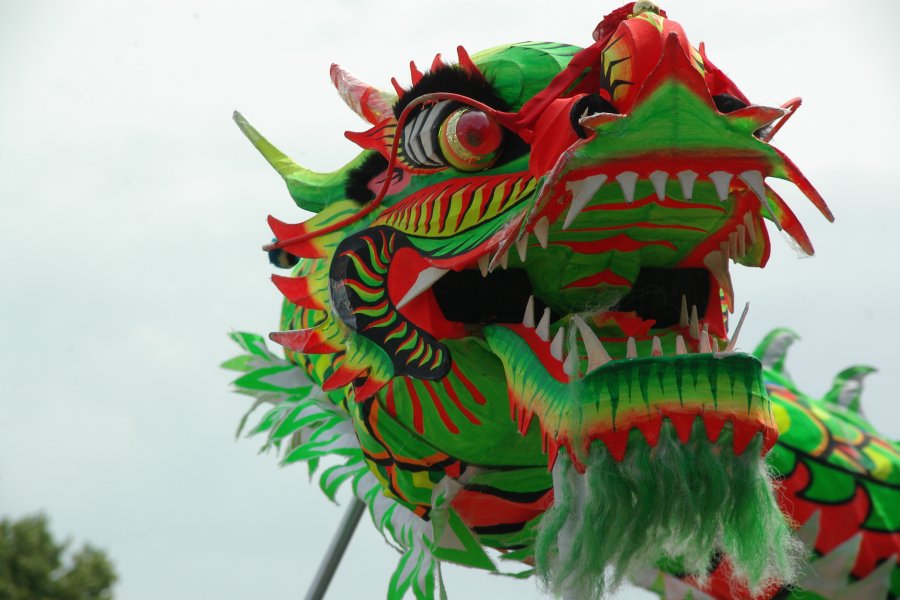 🇨🇳 China and 3 moreDragon dance舞龍 / 舞龙
A long dragon puppet on poles, danced by a team at Chinese New Year and other festivalsPerformance
🇨🇳 China and 3 moreDragon dance舞龍 / 舞龙
A long dragon puppet on poles, danced by a team at Chinese New Year and other festivalsPerformance
 🇰🇷 Jeju, South KoreaGut굿
Sacred rites of song, dance, and spirit communion performed by Korean shamansSpiritual
🇰🇷 Jeju, South KoreaGut굿
Sacred rites of song, dance, and spirit communion performed by Korean shamansSpiritual
 🇨🇳 China and 5 moreLion dance舞獅
A dynamic ritual dance featuring costumed lions, drums and martial acrobaticsPerformance
🇨🇳 China and 5 moreLion dance舞獅
A dynamic ritual dance featuring costumed lions, drums and martial acrobaticsPerformance