Spiritual and religiousEast AsiaBuddhistShinto, Taoist and folk Chinese
Ghost Festival
In its own language: 中元節 / 中元节 (Zhōngyuán jié)
A full-moon night in the seventh lunar month for feeding ghosts and guiding souls home

On the full moon of the seventh Chinese month, families across East and Southeast Asia set out meals, burn paper goods and light lanterns for wandering souls. Taoists call it Zhongyuan and Buddhists Yulanpen; each community keeps the night in its own way.
When is Ghost Festival in 2027?
Ghost Festival 2027 is on Monday, 16 August 2027. Other years: 2026, Thursday, 27 August 2026; 2028, Sunday, 3 September 2028.
Once a year, on the full moon of the seventh lunar month, many Chinese communities welcome the dead back among the living. Families lay out meals, burn paper clothes and money, and float lanterns to guide souls that have no one to care for them. Taoists know the night as Zhongyuan, Buddhists as Yulanpen, and across Asia the season carries many other names.
What the month means
The seventh lunar month is widely known as Ghost Month. People hold that the living world, the heavens and the underworld lie open to one another, and spirits walk abroad seeking food, money and amusement. Most pitied are the hungry ghosts, beings who were once living people and died with overpowering wants. The most restless are the dead with no descendants to feed them, or whose families stopped making offerings. The festival differs from the spring tomb-sweeping day of Qingming and the autumn Double Ninth: on those days the living honour their older forebears, while now the dead come to visit, and respect is paid to every departed soul, whether elder, younger generation or stranger.
Where it came from
The festival has two strands. Taoists link the name Zhongyuan to a doctrine of Three Yuan, honouring three great Emperor-Officials, and the observance flourished under Tang rulers who favoured Taoism. Buddhists point to the Yulanpen Sutra from ancient India. It tells of the monk Maudgalyayana, who gains spiritual sight and finds his mother reborn as a preta, a starving spirit. Food he offers her turns to burning coal. The Buddha teaches that gifts to the order of monks at Pravarana, the close of the rains retreat, carry merit to parents of this life and of seven past lives. Theravada lands keep older forms drawn from the Petavatthu, a Pali text of about the third century BC, which tells a like tale of Sāriputta and his family.
How it is kept
At dusk incense burns by front doors, since fragrance stands for prosperity and more sticks mean more of it. Tables and altars carry meals, often vegetarian, sometimes with an empty seat set for a departed relative, served as though the person were still at the table. Paper offerings go into the fire: underworld bank notes, clothing, gold and other valuables, since what burns is believed to reach the dead. Monks and priests hold rites in the afternoon or after dark, scattering rice in all directions; the Yujia Yankou rite of Chinese Buddhism, for instance, feeds every being caught in the round of rebirth. Lotus lanterns on paper boats light the way for lost souls on the water, and are floated once more two weeks on to send every spirit home.
Shows for the spirits
Entertainment is part of the offering. In Singapore and Malaysia, temples and district organisations once hired opera troupes to play to spirits and neighbours alike; as street opera faded, concert-style stages took over. These shows, called Getai or song stages, run at night with singers, dancers, puppets and comedians on temporary platforms set up in housing estates. The loudness is deliberate, since sound is thought to please the unseen audience. The front row of red chairs stays vacant all evening, because the guests of honour are the ghosts themselves, and sitting there is held to bring sickness or bad luck.
Across Southeast Asia
Each country keeps the season in its own way. In Indonesia it is called Chit Gwee Pua or, in Indonesian, a name meaning scrambling prayer: worshippers gather at temples with offerings for a spirit who died badly, then hand the food to the poor, and the scramble for it gave the custom its name. Java is its main home there, with concerts and grave visits in North Sumatra and Riau, where paper houses, horses and cars go into the fire for the dead. Filipino observers treat the whole month as an unlucky stretch, putting off weddings, new ventures, contracts and big purchases while wandering souls are about. In Cambodia the Khmer keep Pchum Ben, a Theravada form with old Pali roots.
How Ghost Festival is kept
As the month opens, families begin leaving food, drink and incense for visiting spirits. On the night itself, altars stand outside homes and temples, monks and Taoist priests chant and perform rites to relieve the dead, and rice is tossed for unseen guests. Communities stage loud evening shows with a vacant front row for spirit spectators. Lotus lanterns drift on rivers, showing lost souls the way. About a fortnight later, lanterns are set out once more so any spirits still wandering return to the underworld; when the lights go out, the ghosts are understood to be home.
When and where
The date comes from the Chinese lunisolar calendar, which tracks both sun and moon: it lands on the night of the full moon in the seventh lunar month, though parts of southern China keep it a night earlier. In most years that is August, sometimes early September. The whole month counts as Ghost Month, closed about two weeks later when lanterns are floated a second time.
The festival took shape in China, though its Buddhist strand reaches back to India. It travels with Chinese communities abroad: Singapore, Malaysia, Indonesia and the Philippines all keep it, each with local names and customs. Theravada countries hold older sister festivals: Pchum Ben in Cambodia, Sat Thai in Thailand, Boun Khao Padap Din in Laos and Mataka dānēs in Sri Lanka. Vietnam keeps Vu Lan and Japan Obon.
What Ghost Festival means
To those who keep it, the night expresses filial duty that outlives death: caring for parents and grandparents after they have gone. Feeding the dead, giving them money and comfort, transfers merit and eases their pain. Sharing food with stranger ghosts keeps homeless souls content so they do not bring misfortune. The lanterns stand for showing spirits the way, first into the world of the living, then home. Burning incense speaks of prosperity, and the whole month binds the living, the ancestors and the unseen into one community of mutual care.
On the table
- rice
- fresh fruit
- vegetarian dishes


Ghost Festival dates: 2026, 2027, 2028
| Year | Ghost Festival date |
|---|---|
| 2026 | Thursday, 27 August 2026 |
| 2027 | Monday, 16 August 2027 |
| 2028 | Sunday, 3 September 2028 |
Questions people ask about Ghost Festival
When is Ghost Festival in 2027?
Ghost Festival 2027 is on Monday, 16 August 2027. Other years: 2026, Thursday, 27 August 2026; 2028, Sunday, 3 September 2028.
What is the Ghost Festival?
It is a Chinese observance in which the spirits of the dead, including ancestors and hungry ghosts, visit the living; Buddhists, Taoists and Confucianists all keep it. Families feed them, burn paper offerings and hold rites to ease their suffering, and related festivals are kept across Southeast Asia.
Why is the front row of seats empty at the shows?
The concerts and operas staged during the festival are played for ghosts as much as for people. The row of red seats nearest the stage is left vacant for these spirit guests, and anyone who sits there is thought to fall sick or meet misfortune.
What is a hungry ghost?
The term translates the Buddhist word preta. It describes a being who was once a living person and has died, now driven by overpowering emotional needs. Those without descendants, or whose families neglect them, are thought the neediest, and offerings of food ease their hunger.
Is it the same as Qingming?
No. Qingming in spring and the Double Ninth in autumn are for honouring ancestors at their graves, mainly elders. During the Ghost Festival the dead are believed to come to the living, and respect reaches every departed soul, including younger generations and strangers.
See also
 DiwaliA five-day festival of lights celebrated across India and its diaspora to mark the victory of light over darkness.
 MawlidAn annual festival marking the birth of the Prophet Muhammad, marked by poetry, processions and feasts.
 Mid-Autumn FestivalAn annual harvest festival celebrating family reunions, full moons and mooncakes
 Ganesh ChaturthiA Hindu festival celebrating the arrival of Ganesha, marked by clay idols, sweets, and public processions.
Good reading and sources
- Ghost Festival on WikipediaEncyclopedia
- More photos on Wikimedia CommonsPhotos and video
- Wikidata recordOpen data
The facts on this page come from the Wikipedia article "Ghost Festival", written by its contributors and used under the CC BY-SA 4.0 licence, and from its Wikidata record (CC0). EveryParampara rewrote the text in its own words, with AI assistance, and compares every page with the article to make sure no passage is copied. It may be reused under the same CC BY-SA 4.0 licence with a link back.
It may contain mistakes. Traditions differ from one family, village and community to the next, and the people who keep them know them best. If something is wrong, tell us. Last refreshed 2026-10-04.
More from China
All the traditions of China 🇮🇳 India and 5 morePretaप्रेत
Offerings and rites for spirits enduring deep hunger across Asian traditions.Spiritual
🇮🇳 India and 5 morePretaप्रेत
Offerings and rites for spirits enduring deep hunger across Asian traditions.Spiritual
 🇨🇳 China and 5 moreQingming Festival清明节
A spring custom of sweeping family graves and honouring ancestors across East Asia.Spiritual
🇨🇳 China and 5 moreQingming Festival清明节
A spring custom of sweeping family graves and honouring ancestors across East Asia.Spiritual
 🇨🇳 China and 5 moreAncestor veneration
Honouring dead relatives with offerings, meals and prayers, kept in cultures worldwideSpiritual
🇨🇳 China and 5 moreAncestor veneration
Honouring dead relatives with offerings, meals and prayers, kept in cultures worldwideSpiritual
 🇨🇳 China and 5 moreJoss paper金紙 (jīnzhǐ)
Paper money burned for ancestors and gods, folded and offered in Chinese worshipSpiritual
🇨🇳 China and 5 moreJoss paper金紙 (jīnzhǐ)
Paper money burned for ancestors and gods, folded and offered in Chinese worshipSpiritual
The same idea elsewhere
Remembering the ancestors compared
🇮🇳 Ayodhya, India and 7 moreDiwaliदीपावली (Dīpāvalī)
A five-day festival of lights celebrated across India and its diaspora to mark the victory of light over darkness.Festival · Feasts and festival meals
 🇮🇱 Jerusalem, IsraelSukkotסוכות
A seven-day autumn Jewish festival of temporary booths, harvest prayers and hospitalitySpiritual
🇮🇱 Jerusalem, IsraelSukkotסוכות
A seven-day autumn Jewish festival of temporary booths, harvest prayers and hospitalitySpiritual
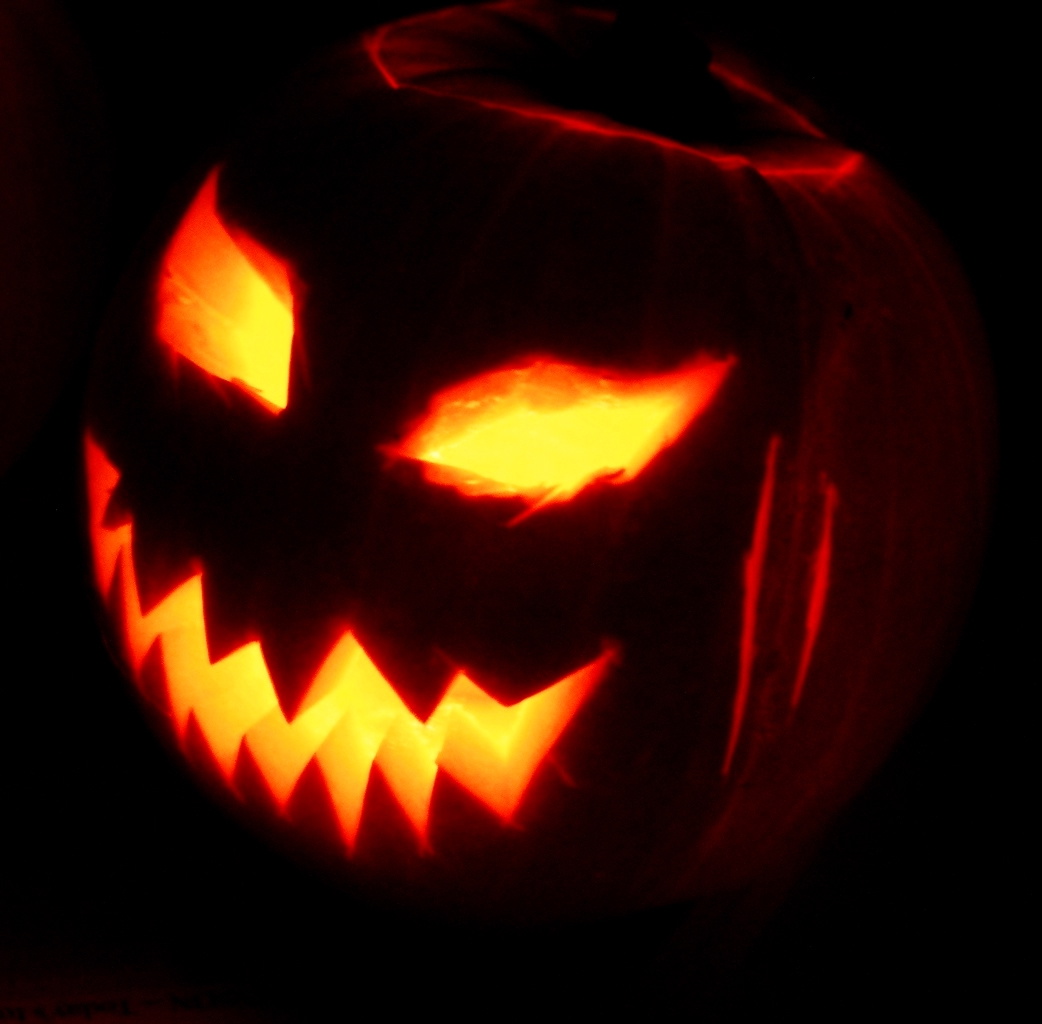 🇮🇪 Ireland and 2 moreJack-o'-lantern
A carved pumpkin lantern lit with a candle to brighten and protect Halloween nightsFolklore
🇮🇪 Ireland and 2 moreJack-o'-lantern
A carved pumpkin lantern lit with a candle to brighten and protect Halloween nightsFolklore
 🇹🇱 Timor-LesteUma Lulik
Sacred ancestral clan houses and ritual shrines in East TimorSpiritual
🇹🇱 Timor-LesteUma Lulik
Sacred ancestral clan houses and ritual shrines in East TimorSpiritual