Customs of food and drinkEast AsiaBuddhist
Kaiseki
In its own language: 懐石
A multi-course Japanese dining tradition shaped by tea ceremonies and the seasons

Kaiseki is a traditional Japanese multi-course meal designed around fresh seasonal food and careful presentation. Developed alongside the tea ceremony and historic court cooking, it is served at inns, specialty restaurants, and formal gatherings throughout Japan.
Kaiseki is a refined Japanese multi-course meal that balances the taste, texture, colour, and visual presentation of fresh seasonal ingredients. Originating as a modest meal provided before a formal tea ceremony, it evolved by absorbing elements from imperial, warrior, and Buddhist temple cuisines. Today, hosts and chefs prepare these sequenced courses to honour their guests, celebrate local produce, and mark the changing seasons.
The two meal styles
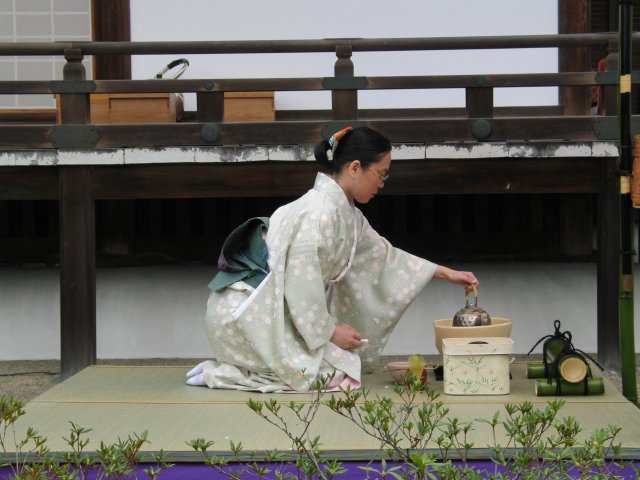
In Japanese dining, two traditions share the name kaiseki, written with different characters. One tradition denotes a gathering banquet where sake is the primary beverage and individual trays hold an array of select dishes. The other tradition, often called cha-kaiseki, refers to a simple meal served by a host before a chanoyu tea gathering. While banquet meals emphasize celebration and variety, tea-focused dining maintains an austere rhythm, serving just enough food to satisfy hunger before ceremonial tea is shared.
Roots and influences
The kanji for kaiseki literally mean breast-pocket stone. The sixteenth-century tea master Sen no Rikyū used this phrase after Zen monks who held warmed stones against their stomachs inside robe folds to keep hunger away. Modern kaiseki draws from several historic culinary styles. It incorporates the elegance of Heian court feasts, the vegetarian simplicity of medieval Buddhist temple cooking, the disciplined formality of warrior banquets, and the restraint of tea gatherings. Chefs balance these elements, pairing ornate presentation with Zen simplicity.
Course progression and craft
A full dinner unfolds through a series of carefully ordered dishes. An appetizer begins the meal, followed by hassun, a seasonal arrangement traditionally presented on an eight-sun square dish. Later courses include sliced raw fish, simmered vegetables with tofu or meat, flame-grilled seafood, and palate-cleansing vinegared items. The meal concludes with seasoned rice, pickled vegetables, soup, and a light dessert such as fruit or confections. Serving dishes, from rustic pottery to fine lacquerware, are chosen to mirror the seasonal theme.
Regional home in Kyoto
Kaiseki has deep connections to Kyoto, where the imperial court and nobility lived for more than a millennium. In this area, the cooking is often known as Kyoto cuisine, or kyo-ryori. Local preparation blends high court traditions with local home-style cooking, known as obanzai. Across Japan, guests experience kaiseki at traditional inns called ryokan or at specialized private dining houses known as ryotei. More casual variations also exist, including thoughtfully arranged bento boxes.
How Kaiseki is kept
During a formal cha-kaiseki, the host provides each guest with a tray containing rice, soup, and a dish such as sliced raw fish. Simmered and grilled foods follow, with guests serving themselves from shared plates. A small bowl of clear soup cleanses the palate before host and guests exchange cups of sake. Later courses introduce a seasonal tray of delicacies from mountain and sea, followed by browned rice in hot water and pickles, establishing a calm setting before the ceremonial tea begins.
When and where
Kaiseki is served throughout the year rather than on a single fixed date. Menus change continuously to highlight seasonal ingredients, micro-climates, and formal tea gatherings.
Kaiseki is prepared across Japan, particularly in traditional ryokan inns and private ryotei dining rooms. Its most famous centre is Kyoto, where centuries of courtly and monastic food traditions took root.
What Kaiseki means
Kaiseki represents hospitality, restraint, and harmony with nature. The breast-pocket stone metaphor reflects mindful simplicity. Each dish conveys the immediate season through fresh ingredients, garnishes shaped like plants or animals, and carefully selected tableware that reflects the natural world.
On the table
- Sashimi
- Miso soup
- Sake
- Suimono
- Pickled vegetables
- Gohan
- Tofu
- Hassun


Questions people ask about Kaiseki
What is kaiseki?
Kaiseki is a traditional Japanese multi-course dinner. It harmonises flavours, textures, and appearances across sequenced courses using fresh seasonal ingredients, served either as a celebratory banquet or as a meal preceding a tea ceremony.
Where is kaiseki served?
Kaiseki is served across Japan in traditional inns called ryokan and dedicated restaurants known as ryotei. Kyoto is especially celebrated for its kaiseki traditions, which draw on centuries of imperial court and tea culture.
What is cha-kaiseki?
Cha-kaiseki is the specific form of kaiseki served before a formal Japanese tea gathering. It consists of soup, rice, and simple side dishes intended to satisfy hunger before guests drink ceremonial green tea.
What does the name kaiseki mean?
The characters for kaiseki mean breast-pocket stone. This refers to the Zen Buddhist practice of placing heated stones inside robes near the stomach to ward off hunger, symbolizing the modest nature of tea ceremony food.
See also


Good reading and sources
- Kaiseki on WikipediaEncyclopedia
- More photos on Wikimedia CommonsPhotos and video
- Wikidata recordOpen data
The facts on this page come from the Wikipedia article "Kaiseki", written by its contributors and used under the CC BY-SA 4.0 licence, and from its Wikidata record (CC0). EveryParampara rewrote the text in its own words, with AI assistance, and compares every page with the article to make sure no passage is copied. It may be reused under the same CC BY-SA 4.0 licence with a link back.
It may contain mistakes. Traditions differ from one family, village and community to the next, and the people who keep them know them best. If something is wrong, tell us. Last refreshed 2026-10-04.
More from Japan
All the traditions of Japan 🇨🇳 China and 5 moreTea culture
How tea is prepared, shared and served, from Chinese tea houses to Tibetan butter teaTable custom · Tea, coffee and drinking ceremonies
🇨🇳 China and 5 moreTea culture
How tea is prepared, shared and served, from Chinese tea houses to Tibetan butter teaTable custom · Tea, coffee and drinking ceremonies
 🇯🇵 Kyoto, JapanJapanese tea ceremony茶道 (Sadō / Chadō), 茶の湯 (Chanoyu)
The formal serving of powdered matcha, shaped by Zen, Shinto and wabiTable custom · Tea, coffee and drinking ceremonies
🇯🇵 Kyoto, JapanJapanese tea ceremony茶道 (Sadō / Chadō), 茶の湯 (Chanoyu)
The formal serving of powdered matcha, shaped by Zen, Shinto and wabiTable custom · Tea, coffee and drinking ceremonies
 🇯🇵 JapanToshikoshi soba年越し蕎麦
Buckwheat noodles eaten on New Year's Eve, cut easily to let the year goTable custom · Feasts and festival meals
🇯🇵 JapanToshikoshi soba年越し蕎麦
Buckwheat noodles eaten on New Year's Eve, cut easily to let the year goTable custom · Feasts and festival meals
 🇨🇳 Shanghai, China and 1 moreJiaozi餃子
Crescent Chinese dumplings filled with meat or vegetables, eaten for fortune and feastsTable custom · Breakfast
🇨🇳 Shanghai, China and 1 moreJiaozi餃子
Crescent Chinese dumplings filled with meat or vegetables, eaten for fortune and feastsTable custom · Breakfast
The same idea elsewhere
Tea, coffee and the drinking ceremony compared 🇮🇹 Naples, Italy and 5 moreCaffè sospeso
An anonymous gift of a paid cup of coffee for a stranger in needTable custom · Tea, coffee and drinking ceremonies
🇮🇹 Naples, Italy and 5 moreCaffè sospeso
An anonymous gift of a paid cup of coffee for a stranger in needTable custom · Tea, coffee and drinking ceremonies
 🇮🇹 Naples, ItalyCaffè
Italy's daily coffee habit: espresso taken standing at the bar, and moka coffee at homeTable custom · Tea, coffee and drinking ceremonies
🇮🇹 Naples, ItalyCaffè
Italy's daily coffee habit: espresso taken standing at the bar, and moka coffee at homeTable custom · Tea, coffee and drinking ceremonies
 🇲🇾 Malaysia and 4 moreKopitiam
A neighbourhood coffee shop where Southeast Asians share meals, drinks and newsTable custom · Breakfast
🇲🇾 Malaysia and 4 moreKopitiam
A neighbourhood coffee shop where Southeast Asians share meals, drinks and newsTable custom · Breakfast