Dress and adornmentSub-Saharan Africa
Madiba shirt
A loose batik-print shirt that Mandela wore to formal occasions
Madiba shirts are loose printed shirts, derived from Indonesian batik, that Nelson Mandela began wearing after he became President of South Africa in 1994. Named after his Xhosa clan name, they are worn open-necked and untucked, and are popular with tourists, sportspeople and men in Tanzania.
When is Madiba shirt kept?
Madiba shirt is kept on worn for business, political and formal occasions, with no fixed date.
A Madiba shirt is a loose silk or cotton shirt printed in bright batik patterns, worn without a tie and left hanging outside the trousers. Nelson Mandela took it up in the 1990s and wore it to state and business occasions, turning an easy garment into formal dress. South Africans named it after his Xhosa clan name.
What it is
The shirt is cut loose, in cotton or silk, and printed with a pattern, often in strong colour. It comes from batik cloth of Indonesia. A man wears it with no necktie and leaves the hem hanging outside his waistband, which suits warm weather and long days. Mandela himself chose quieter, earthier shades, yet the bolder prints kept selling well. Because the cut is easy and the cloth can be fine, the same shirt serves at a desk, at a party and at a formal gathering. Few garments move between those settings so simply.
How it began
A shopkeeper called Yusuf Surtee supplied Mandela with clothes for many years. He said the idea came from Mandela, who asked for a shirt cut like the batik worn by President Suharto of Indonesia. On 7 May 1994, while Mandela was at a synagogue in Cape Town, the designer Desré Buirski gave him one of these shirts; it reached him through a security guard. He wore it at the rehearsal for his inauguration. The tailor Sonwabile Ndamase has said he made the first example, in 1990.
Mandela's public image
Mandela's clothes were part of how the world saw him. In the 1950s he dressed with care. At the Rivonia Trial in 1963 and 1964 he wore a leopard-skin kaross, drawing on Xhosa tradition. After he left prison he appeared again and again in a bright printed shirt. Lize van Robbroeck, an art historian, wrote in 2013 that the suit speaks of law and contracts, while his shirt speaks of freedom and self-government, and of a humanism not defined only by the West. She called the shirts clothing that embodied global citizenship, and noted that they are now eagerly marketed.
Today and change
Tourists who visit South Africa often take a Madiba shirt home, and South African sportspeople wear them as well. Among men in Tanzania the shirt has a following, read perhaps as a sign of African solidarity or as a mark of a more relaxed dress code than Europe's. Inside the clothing trade, Mandela's readiness to appear in casual dress at serious events opened a new style of international business wear. He kept dozens of the shirts himself and wore them through his years in office and beyond. What began as one man's request became a garment with a public meaning of its own.
How Madiba shirt is kept
The shirt is put on like any other: a wearer buttons it, leaves the tail out of the trousers and skips the necktie. Cotton suits hot days, silk suits evenings. Prints follow batik patterns, so buyers either match Mandela's taste for muted earth colours or pick the brightest cloth available. It turns up at board meetings, political gatherings, parties and formal ceremonies. Mandela kept dozens in his wardrobe and chose them for political and business occasions while he held office, from 1994 to 1999, and again once he had stepped down.
When and where
The style belongs to no season and has no fixed date. It took hold in the 1990s. It is worn whenever the wearer wants, at daytime meetings or evening events. The first shirt of this kind reached Mandela in May 1994, a few days before his inauguration, and one tailor dates his own first version to 1990.
South Africa is the home of the style, and it is worn there in business and public life. It is popular with visitors to the country and with South African sportspeople. In Tanzania it has a following among men. Its roots lie in batik cloth from Indonesia, and the design Mandela asked for was modelled on the batik attire of an Indonesian president.
What Madiba shirt means
The shirt carries a meaning beyond cloth. Lize van Robbroeck, an art historian, wrote in 2013 that a suit speaks the language of law and contracts, while this shirt speaks of freedom and self-government, and of a humanism not defined only by the West. Mandela joked in a comic book that he wore such shirts because he had spent 27 years in jail and wanted to feel free. For many people the garment also stands for a friendlier, less rigid public life.
Questions people ask about Madiba shirt
When is Madiba shirt kept?
Madiba shirt is kept on worn for business, political and formal occasions, with no fixed date.
What exactly is a Madiba shirt?
It is a loose shirt in cotton or silk, printed with a batik pattern and usually bright. It is worn without a necktie and left untucked. Nelson Mandela made it his own from the 1990s, and the name comes from his Xhosa clan name, Madiba.
Where is it worn?
It belongs to South Africa, where Mandela wore it to political and business meetings. Visitors to the country and South African sportspeople wear it too, and it has a following among men in Tanzania. The pattern itself comes from Indonesian batik.
Why is it seen as a symbol?
People read the shirt as a break from formal Western dress. The art historian Lize van Robbroeck wrote in 2013 that it stood for freedom and for a humanism not defined only by the West. Mandela joked that he wore such shirts because he wanted to feel free.
Is there a set day for it?
No. The shirt has no festival or fixed date. It is worn whenever the wearer chooses, at work, at gatherings and at formal events. It took hold in the 1990s and has stayed in use since.
See also
 UlosA hand-woven textile of the Batak people in Indonesia, worn for warmth and ceremony.
 TaisTraditional hand-woven cloth of East Timor, worn as dress or used in ceremonies and exchange.
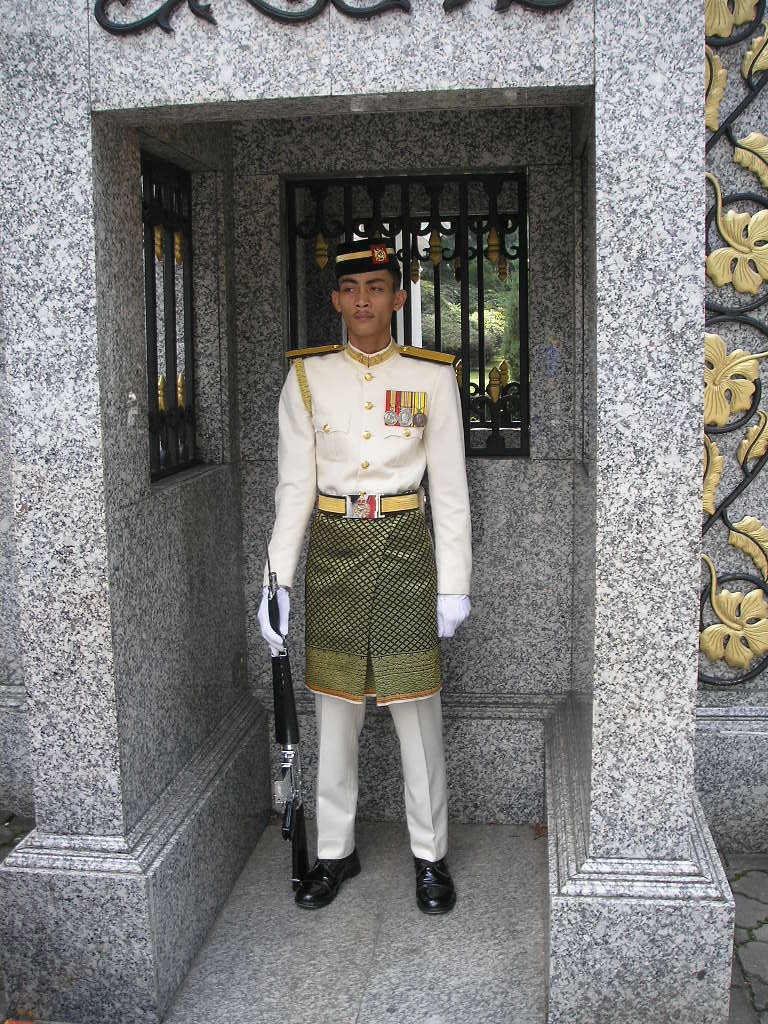 SampingA traditional Malay waist cloth worn over festive attire in Southeast Asia
 National costume of IndonesiaThe formal attire worn by Indonesians to represent the nation's diverse cultural heritage.
Good reading and sources
The facts on this page come from the Wikipedia article "Madiba shirt", written by its contributors and used under the CC BY-SA 4.0 licence, and from its Wikidata record (CC0). EveryParampara rewrote the text in its own words, with AI assistance, and compares every page with the article to make sure no passage is copied. It may be reused under the same CC BY-SA 4.0 licence with a link back.
It may contain mistakes. Traditions differ from one family, village and community to the next, and the people who keep them know them best. If something is wrong, tell us. Last refreshed 2026-10-11.
More from South Africa
All the traditions of South Africa 🇿🇦 South AfricaIsidwaba
A knee-length leather skirt of cowhide or goatskin, worn by married Zulu womenDress
🇿🇦 South AfricaIsidwaba
A knee-length leather skirt of cowhide or goatskin, worn by married Zulu womenDress
 🇧🇼 Botswana and 2 moreKgotla
A village meeting and customary court in Botswana, led by the chiefCeremony
🇧🇼 Botswana and 2 moreKgotla
A village meeting and customary court in Botswana, led by the chiefCeremony
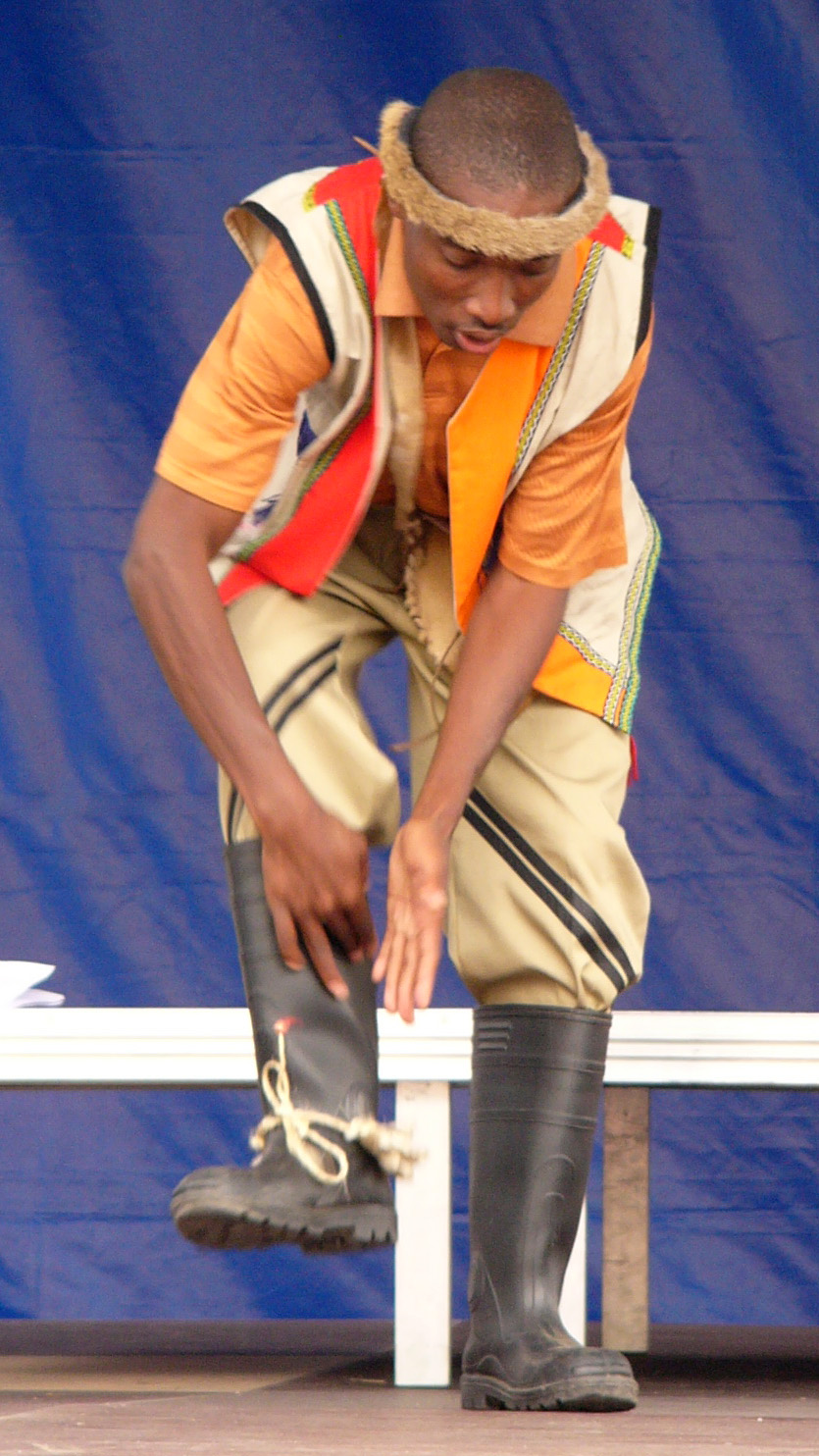 🇿🇦 Cape Town, South AfricaGumboot danceIsicathulo
A percussive South African dance born in the mines, performed in Wellington boots to communicate and celebrate.Performance
🇿🇦 Cape Town, South AfricaGumboot danceIsicathulo
A percussive South African dance born in the mines, performed in Wellington boots to communicate and celebrate.Performance
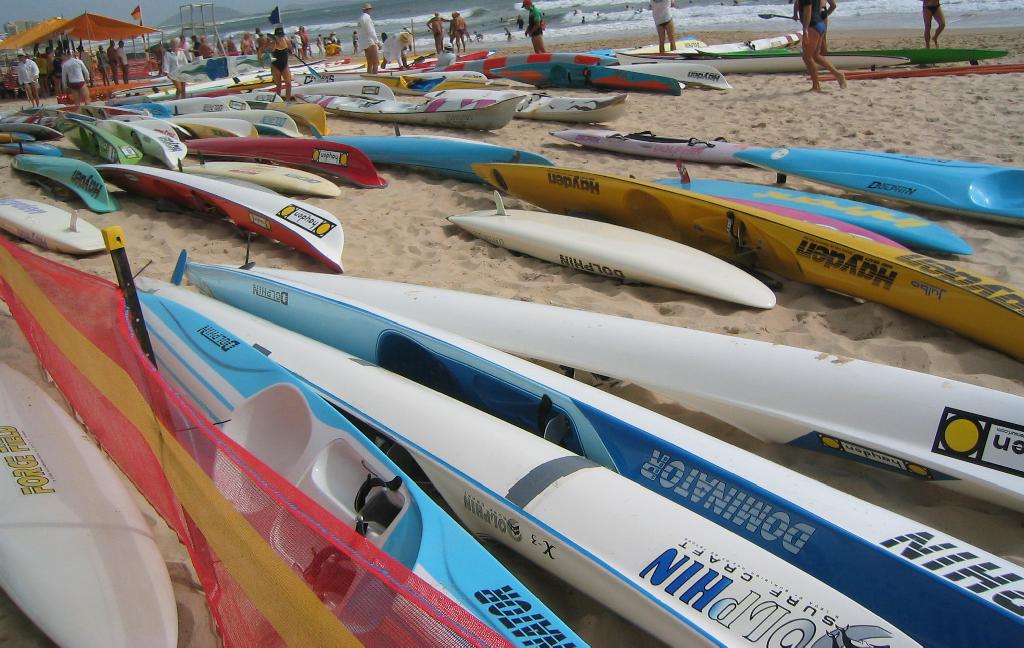 🇦🇺 Sydney, Australia and 5 moreSurf lifesaving
A volunteer beach rescue and ocean sports tradition originating on Australian coasts.Game
🇦🇺 Sydney, Australia and 5 moreSurf lifesaving
A volunteer beach rescue and ocean sports tradition originating on Australian coasts.Game
The same idea elsewhere
All of this kind 🇮🇳 Paithan, IndiaPaithani
A handwoven silk sari from Maharashtra, with a squared border and a peacock palluDress
🇮🇳 Paithan, IndiaPaithani
A handwoven silk sari from Maharashtra, with a squared border and a peacock palluDress
 🇳🇴 Norway and 3 moreGákti
A traditional coat worn by the Sámi people across northern Scandinavia and Russia, signaling origin and status through cDress
🇳🇴 Norway and 3 moreGákti
A traditional coat worn by the Sámi people across northern Scandinavia and Russia, signaling origin and status through cDress
 🇼🇸 Samoa and 1 moreʻIe tōga
Precious woven mats exchanged in Samoan ceremonies to honor family ties and chiefly status.Dress
🇼🇸 Samoa and 1 moreʻIe tōga
Precious woven mats exchanged in Samoan ceremonies to honor family ties and chiefly status.Dress
 🇮🇱 Israel and 1 moreTzitzitצִיצִית
Knotted ritual fringes worn on a four-cornered garment, a reminder of the commandmentsDress
🇮🇱 Israel and 1 moreTzitzitצִיצִית
Knotted ritual fringes worn on a four-cornered garment, a reminder of the commandmentsDress