Music, dance and storytellingNorth AmericaIndigenous and traditionalChristian
Mariachi
A Mexican string and trumpet music tradition featuring charro attire and communal singing.
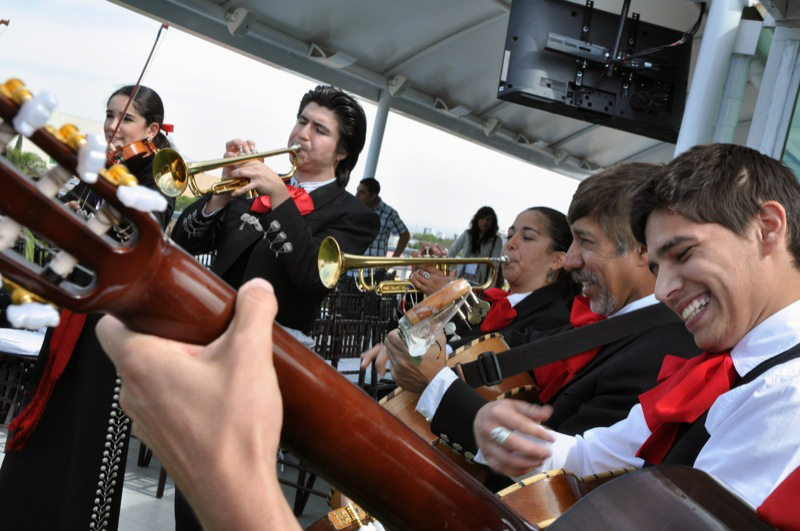
Mariachi is a regional Mexican musical genre that originated in the western countryside during the eighteenth century. It evolved from indigenous and Spanish folk styles into a national symbol of identity. The ensemble typically plays violins, trumpets, and guitars while members share vocal duties across various song types.
When is Mariachi kept?
Mariachi is kept on year-round for ceremonies, festivals, and public performances.
Mariachi represents a living musical heritage from Mexico, blending indigenous rhythms with European instruments. Musicians wear embroidered charro suits and perform at weddings, religious services, and plazas. The sound defines national pride through its distinctive blend of strings and brass.
Historical roots
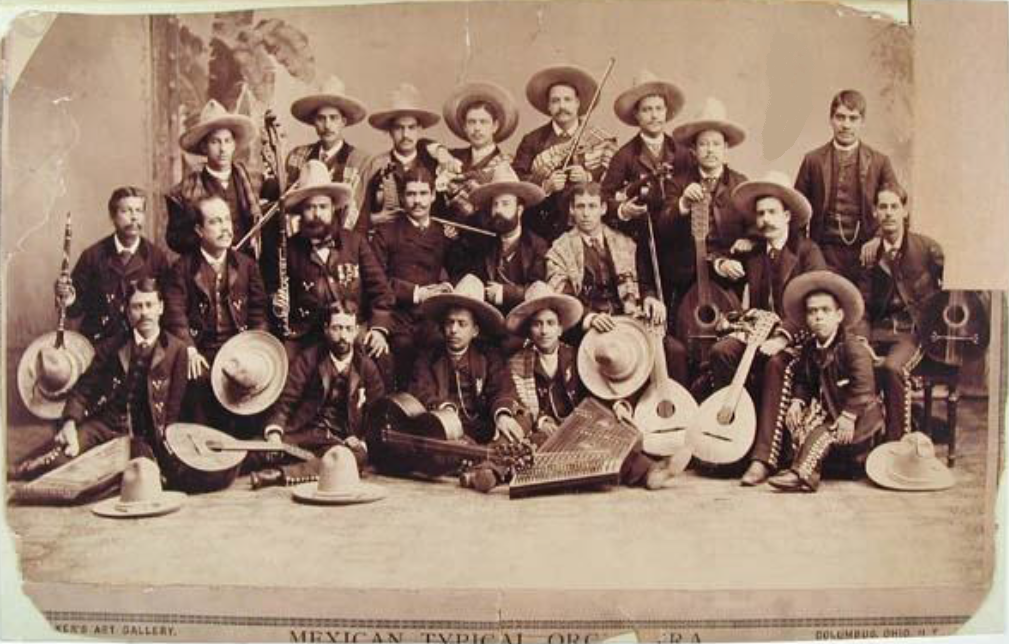
The tradition began in the rural areas of western Mexico, drawing on pre-Hispanic sounds and Spanish colonial instruments like violins and harps. Early groups played only strings in peasant clothing. By the nineteenth century, the style shifted toward the son jalisciense variety. Migration to urban centers like Guadalajara helped standardize the genre. Government promotion later elevated it from local folk music to a recognized national art form.
Musical evolution
The modern ensemble emerged through significant changes in instrumentation and dress. Trumpets were added to create a louder, brighter sound suitable for recording and public venues. Musicians adopted the traje de charro, inspired by horsemen, which became iconic. Radio broadcasts in the nineteen twenties spread the music widely. Films in the mid-twentieth century further popularized the style, though they also linked it to specific social stereotypes about drinking and masculinity.
Performance practice
Ensembles typically feature violins, trumpets, a vihuela, and a guitarrón. All members participate in singing, alternating between lead and harmony roles. The repertoire includes rancheras, corridos, and waltzes. Lyrics often explore themes of love, politics, and rural life. Performances occur at family celebrations, church events, and commercial venues. The music adapts to different settings, from intimate serenades to large stage productions.
Cultural significance
Mariachi serves as a powerful symbol of Mexican identity both domestically and abroad. UNESCO recognized it as Intangible Cultural Heritage in twenty eleven. Communities in the United States and Latin America maintain strong traditions. The music connects generations through shared history and emotional expression. It remains central to Catholic rituals and national holidays, reflecting a deep spiritual and civic devotion among those who keep the practice alive.
How Mariachi is kept
Groups gather to play violins, trumpets, and bass guitars while sharing vocal parts. Musicians wear traditional embroidered suits during performances. They sing songs about love, history, and daily life at weddings, funerals, and public squares. The practice continues through family transmission and formal training in cultural centers.
When and where
Performed year-round for weddings, religious feasts, and national holidays. The style gained prominence in the twentieth century through radio and film.
Originated in Jalisco and Nayarit. Now strongest in Guadalajara and Mexico City, with active communities in the United States and other Latin American nations.
What Mariachi means
The music embodies Mexican resilience and cultural fusion. The charro suit honors rural heritage. Trumpets represent brightness and celebration. Singing together strengthens community bonds and preserves historical memory.



Questions people ask about Mariachi
When is Mariachi kept?
Mariachi is kept on year-round for ceremonies, festivals, and public performances.
What is mariachi music?
It is a Mexican musical genre from the west of the country. Groups use violins, trumpets, and guitars. Members sing together in harmony and lead vocals.
Where did mariachi originate?
It developed in the rural regions of Jalisco, Colima, and Michoacán during the eighteenth century. Cocula is known as the birthplace of the modern style.
What do musicians wear?
Performers wear the traje de charro. This outfit features tight pants, embroidered jackets, and wide-brimmed hats. It reflects the equestrian culture of Mexico.
See also
 ChristmasA festival of Jesus's birth, kept on 25 December with gifts, lights and shared meals
 HalloweenAn annual observance on 31 October marking the eve of All Saints' Day, rooted in Christian tradition and Celtic heritage
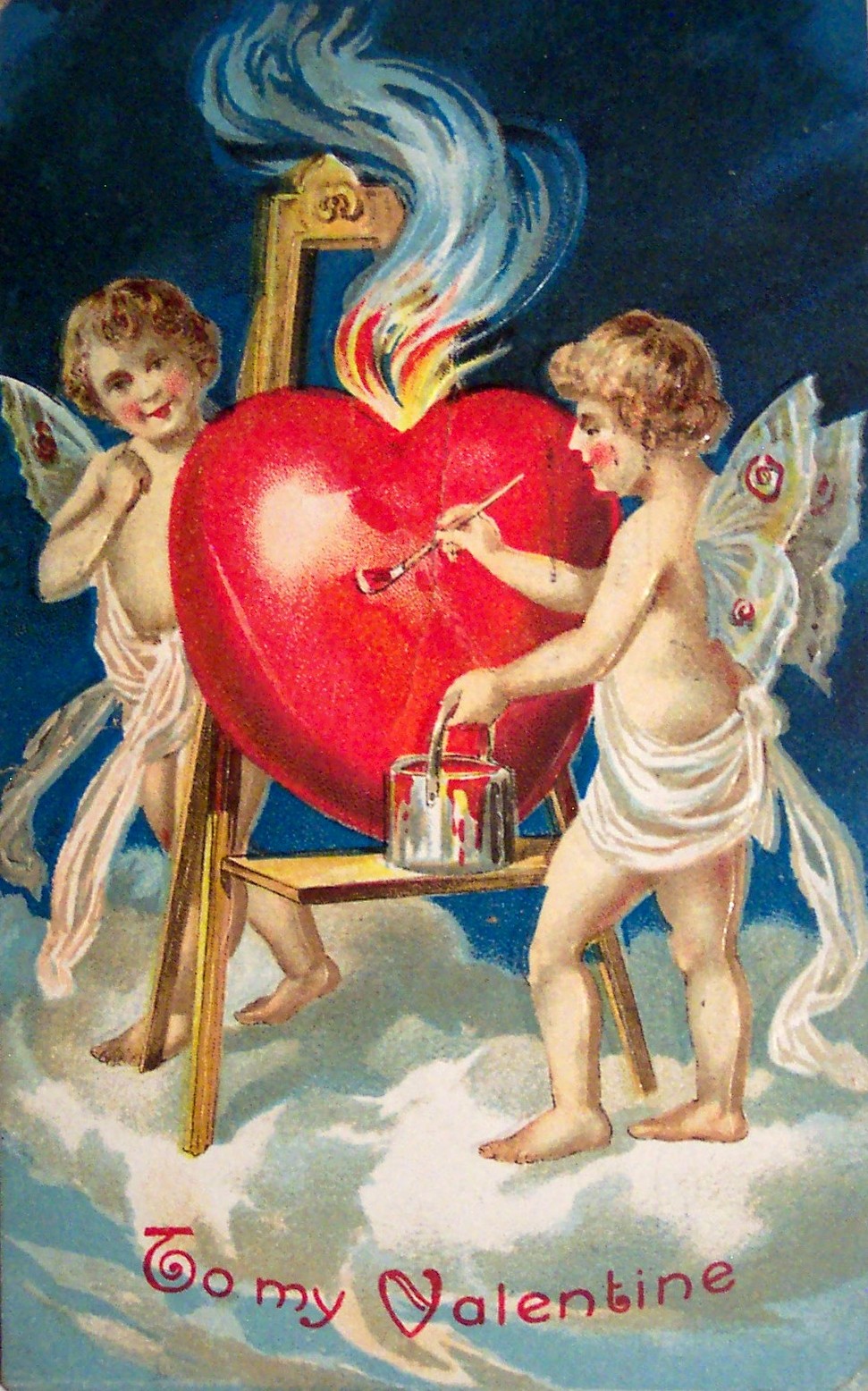 Valentine's DayA Christian feast day and cultural celebration of love kept on February 14 in many countries.
 Christmas treeA decorated evergreen or artificial tree placed indoors to mark the Christmas season.
Good reading and sources
- Encyclopaedia BritannicaArticle
- An All-Female Band, Making Its Way in the World of MariachiThe New York Times, Article
- Mariachi, string music, song and trumpetUNESCO, Heritage listing
- An All-Female Band, Making Its Way in the World of MariachiThe New York Times, Article
- Mariachi, string music, song and trumpetUNESCO, Article
- Mariachi on WikipediaEncyclopedia
- More photos on Wikimedia CommonsPhotos and video
- Wikidata recordOpen data
The facts on this page come from the Wikipedia article "Mariachi", written by its contributors and used under the CC BY-SA 4.0 licence, and from its Wikidata record (CC0). EveryParampara rewrote the text in its own words, with AI assistance, and compares every page with the article to make sure no passage is copied. It may be reused under the same CC BY-SA 4.0 licence with a link back.
It may contain mistakes. Traditions differ from one family, village and community to the next, and the people who keep them know them best. If something is wrong, tell us. Last refreshed 2026-10-04.
More from Mexico
All the traditions of Mexico 🇲🇽 MexicoDanza de los ViejitosT'arche Uarakua
A Purépecha masked dance honouring the sun and the four elements in MichoacánPerformance
🇲🇽 MexicoDanza de los ViejitosT'arche Uarakua
A Purépecha masked dance honouring the sun and the four elements in MichoacánPerformance
 🇲🇽 Veracruz, Mexico and 3 moreBaile folklórico
Staged folk dances of Mexico and Central America, with regional dress and mariachi musicPerformance
🇲🇽 Veracruz, Mexico and 3 moreBaile folklórico
Staged folk dances of Mexico and Central America, with regional dress and mariachi musicPerformance
 🇲🇽 Guadalajara, MexicoMexican hat danceJarabe tapatío
Mexico's national courtship dance, in which a dancer's steps circle the brim of a hatPerformance
🇲🇽 Guadalajara, MexicoMexican hat danceJarabe tapatío
Mexico's national courtship dance, in which a dancer's steps circle the brim of a hatPerformance
 🇲🇽 Tlayacapan, MexicoChinelos
Masked dancers from Morelos who spoof colonial manners at CarnivalPerformance
🇲🇽 Tlayacapan, MexicoChinelos
Masked dancers from Morelos who spoof colonial manners at CarnivalPerformance
The same idea elsewhere
All of this kind 🇹🇷 Kayseri, Turkey and 4 moreHalay
A traditional line and circle folk dance kept across Turkey, Azerbaijan, Armenia, Iran, and Syria.Performance
🇧🇷 BrazilBaião
A syncopated folk rhythm and partnered dance from northeastern BrazilPerformance
🇹🇷 Kayseri, Turkey and 4 moreHalay
A traditional line and circle folk dance kept across Turkey, Azerbaijan, Armenia, Iran, and Syria.Performance
🇧🇷 BrazilBaião
A syncopated folk rhythm and partnered dance from northeastern BrazilPerformance
 🇺🇦 Kyiv, UkraineBanduraБандура
A Ukrainian plucked string instrument played to accompany epic songs and folk balladsPerformance
🇺🇦 Kyiv, UkraineBanduraБандура
A Ukrainian plucked string instrument played to accompany epic songs and folk balladsPerformance
 🇳🇿 Auckland, New ZealandPoi
A Māori performing art of swinging tethered weights in rhythmical patterns.Performance
🇳🇿 Auckland, New ZealandPoi
A Māori performing art of swinging tethered weights in rhythmical patterns.Performance