Spiritual and religiousSoutheast AsiaHindu
Nelu Bulanin
In its own language: Upacara Nelu Bulanin
A Balinese Hindu rite to purify a baby's soul at three months of age.
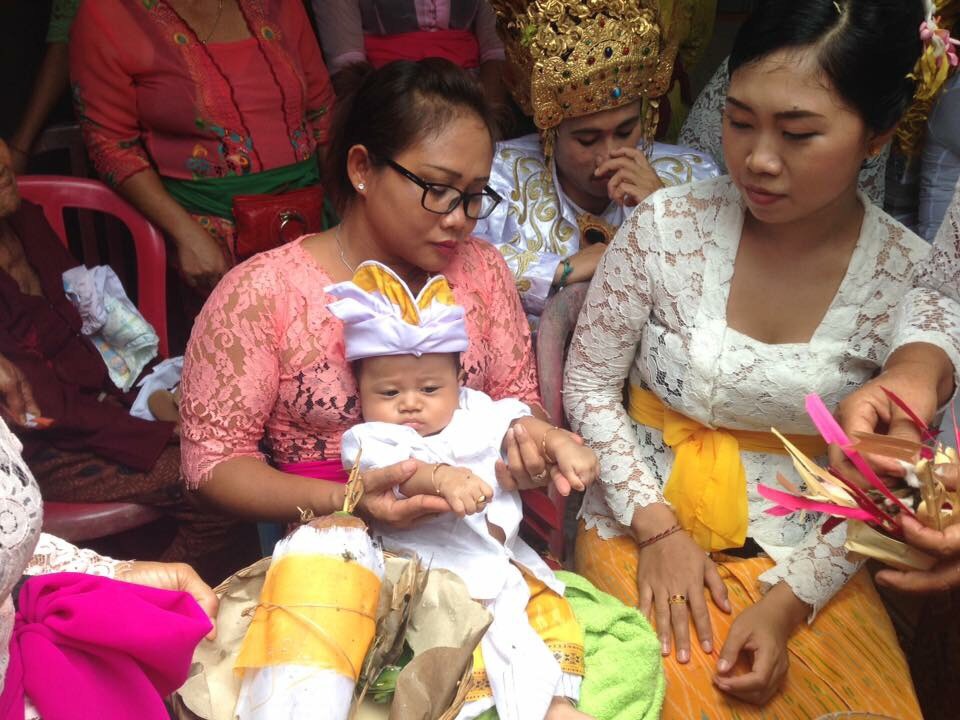
Nelu Bulanin is a traditional ceremony in Bali, Indonesia, held when an infant reaches three months old according to the Pawukon calendar. The ritual aims to purify the child's soul as they begin to actively use their five senses. Families perform specific prayers and offerings led by a spiritual guide to ensure the baby's safety and spiritual purity.
When is Nelu Bulanin kept?
Nelu Bulanin is kept on when the baby reaches 105 days or three months on the Pawukon calendar.
Nelu Bulanin is a sacred Balinese Hindu ceremony performed to protect and purify an infant's soul. Held when the child reaches three months of age, the ritual acknowledges a critical developmental stage where the baby begins to engage with the world through their senses. Families gather to seek spiritual blessings for the child's physical and mental well-being.
Purpose and belief
The ceremony addresses a crucial period in a baby's early life. Balinese Hindus believe that during the first three months, an infant's soul is particularly vulnerable as they start to actively use their five senses. This engagement with the physical world can impact the soul's purity. The primary goal of Nelu Bulanin is to cleanse the baby of any spiritual defilement. By performing this rite, families aim to keep the child's spirit holy and free from suffering. It serves as a protective measure during this sensitive transition phase.
Ceremony types
Families may choose between two levels of celebration. The Upacara Kecil is a minor, more traditional observance consisting of five stages. These include Panglepasan, which signifies release; Penyambutan, a welcoming; Jejanganan; Banten kumara; and Tataban. The Upacara Besar is a major celebration that adds three further components: Pula gembal, Banten panglukatan, and Banten Turun Tanah. Both versions are typically completed before the baby turns six months old.
Ritual procedures
A Pandita or Pinandita leads the proceedings, often within the family home. The ritual involves sprinkling holy water, known as tirtha, on the baby and any jewelry they wear. Prayers are offered by the paternal grandmother and the priest. The infant receives tirtha pengening and is then fed. A speech called natab Sajan ayaban follows, praying for the child's safety. Specific mantras are recited for each step, invoking divine protection and asking for the baby's spirit to remain perfect and healthy.
Community practice
While usually a private family event, there is also a communal version called Nelu Bulanin Massal. Since 1965, eighty families in Pekraman Kliki Village have performed this group ceremony every three years. This collective approach highlights values of teamwork and solidarity within the community. Local leaders appreciate this tradition for strengthening social bonds among the participating households while maintaining the spiritual significance of the rite.
How Nelu Bulanin is kept
A spiritual guide leads the family in prayers and rituals at home. Holy water is sprinkled on the baby and offerings. The paternal grandmother joins in the prayers. The infant receives blessed water and food. Mantras are recited to ask for protection and purity. The ceremony includes specific stages like welcoming and releasing impurities. It is done before the baby is six months old.
When and where
It occurs when the infant reaches 105 days of age or three months according to the Pawukon calendar. The exact timing depends on this specific lunar cycle used in Bali.
The tradition is kept in Bali, Indonesia. It is most common among Balinese Hindu families. Some villages, like Pekraman Kliki, hold larger group ceremonies.
What Nelu Bulanin means
The ritual symbolizes the purification of the baby's soul during a vulnerable developmental stage. It represents the community's desire to protect the child from spiritual harm as they begin to interact with the world. The prayers ask for physical health, mental prosperity, and a long life free from illness.

Questions people ask about Nelu Bulanin
When is Nelu Bulanin kept?
Nelu Bulanin is kept on when the baby reaches 105 days or three months on the Pawukon calendar.
What is Nelu Bulanin?
It is a Balinese Hindu ceremony held to purify an infant's soul. The ritual protects the baby's spirit as they begin to actively use their senses during the first three months of life.
Who leads the ceremony?
A Pandita or Pinandita, who is a spiritual mentor or guide, leads the ritual. They perform the prayers and sprinkle holy water on the baby and offerings.
See also
 KenduriA communal prayer meal and gathering shared across Indonesia, Malaysia and Brunei
 Spirit houseA small roofed shrine on a pillar, kept in homes and villages across Southeast Asia to honour protective spirits.
 ThaipusamA Tamil Hindu festival honoring Murugan through devotional burdens and pilgrimage
 SlametanA short communal meal on Java where neighbours share food, prayer and a wish for peace
Good reading and sources
The facts on this page come from the Wikipedia article "Nelu Bulanin", written by its contributors and used under the CC BY-SA 4.0 licence, and from its Wikidata record (CC0). EveryParampara rewrote the text in its own words, with AI assistance, and compares every page with the article to make sure no passage is copied. It may be reused under the same CC BY-SA 4.0 licence with a link back.
It may contain mistakes. Traditions differ from one family, village and community to the next, and the people who keep them know them best. If something is wrong, tell us. Last refreshed 2026-10-13.
More from Indonesia
All the traditions of Indonesia
🇹🇭 Thailand and 7 moreSpirit house
A small roofed shrine on a pillar, kept in homes and villages across Southeast Asia to honour protective spirits.Spiritual
🇮🇩 Indonesia and 2 moreKenduri
A communal prayer meal and gathering shared across Indonesia, Malaysia and BruneiSpiritual · Feasts and festival meals
🇮🇳 India and 5 moreThaipusam
A Tamil Hindu festival honoring Murugan through devotional burdens and pilgrimageSpiritual
🇮🇩 IndonesiaSlametan
A short communal meal on Java where neighbours share food, prayer and a wish for peaceSpiritual · Feasts and festival meals
The same idea elsewhere
Birth and new babies compared 🇨🇳 China and 5 morePostpartum confinement
A period of rest, nourishment, and seclusion for mothers after giving birth.Rite of passage
🇨🇳 China and 5 morePostpartum confinement
A period of rest, nourishment, and seclusion for mothers after giving birth.Rite of passage
 🇦🇺 AustraliaSmoking ceremonyNumbuk Yabbun
An Aboriginal Australian ritual of burning native plants to cleanse, heal and welcomeSpiritual
🇦🇺 AustraliaSmoking ceremonyNumbuk Yabbun
An Aboriginal Australian ritual of burning native plants to cleanse, heal and welcomeSpiritual
 🇺🇸 United States and 1 moreDreamcatcherᐊᓴᐱᑫᔒᓐᐦ (asabikeshiinh)
A hand-woven hoop from Anishinaabe tradition, hung above a cradle to protect a childCraft
🇬🇭 GhanaOutdooringkpojiemɔ (Ga), abadinto (Akan), vihehedego (Ewe)
A Ghanaian ceremony eight days after birth, when a baby is brought outdoors and namedRite of passage · Feasts and festival meals
🇺🇸 United States and 1 moreDreamcatcherᐊᓴᐱᑫᔒᓐᐦ (asabikeshiinh)
A hand-woven hoop from Anishinaabe tradition, hung above a cradle to protect a childCraft
🇬🇭 GhanaOutdooringkpojiemɔ (Ga), abadinto (Akan), vihehedego (Ewe)
A Ghanaian ceremony eight days after birth, when a baby is brought outdoors and namedRite of passage · Feasts and festival meals