Customs of food and drinkSoutheast AsiaSecular and civic
Bánh mì
A Vietnamese baguette sandwich filled with meats, pickles, herbs, and condiments.

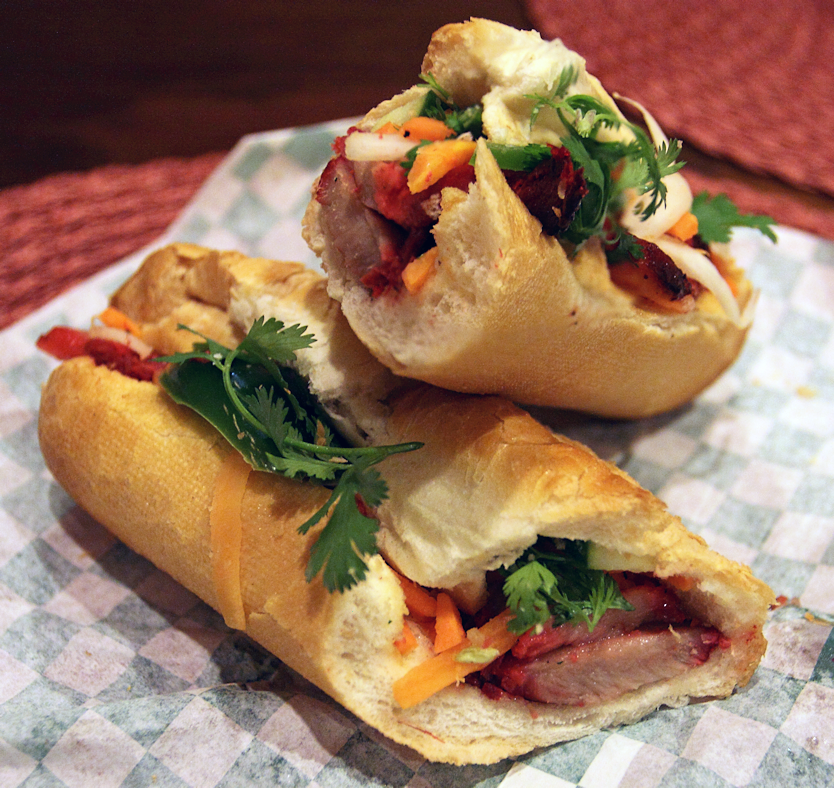
A short baguette split lengthwise and filled with savory ingredients like meat, pâté, pickled vegetables, and fresh herbs. It originated in Southern Vietnam during the 1950s as a fusion of French bread and local flavors. Today it is eaten for breakfast or as a snack in Vietnam and sold worldwide by Vietnamese communities.
When is Bánh mì kept?
Bánh mì is kept on daily, for breakfast or as a snack.
Bánh mì is a Vietnamese sandwich made with a short, crisp baguette filled with meats, pâté, pickled vegetables, and fresh herbs. It emerged in Saigon during the 1950s as a blend of French colonial baking and local Vietnamese flavors. People eat it for breakfast or as a quick snack. Today, it is a popular street food in Vietnam and widely available in cities around the world.
Origins and history
The French introduced baguettes to Vietnam in the mid-19th century. Wheat shortages during World War I led bakers to mix in rice flour, making the bread fluffier and more affordable. In the 1950s, migrants moving to Saigon created a distinct style of filled sandwich. This fusion of French bread and local ingredients became a staple street food. After the Vietnam War, refugees spread the tradition to countries like the United States, Australia, and Canada.
Ingredients and varieties
The bread has a thin crust and airy texture, often containing both wheat and rice flour. Common fillings include Vietnamese sausage, liver pâté, cold cuts, grilled pork, or tofu. Fresh vegetables like cucumber and coriander are added alongside pickled carrots and daikon. Condiments such as mayonnaise and chili sauce provide flavor. Some shops offer dessert versions filled with ice cream.
Around the world
Vietnamese communities have established bánh mì shops globally. In the United States, chains like Lee's Sandwiches popularized the sandwich. New Orleans features a version called the Vietnamese po' boy. Australia has many bakeries, especially in Melbourne and Sydney. Hong Kong also hosts dedicated shops. International brands have occasionally experimented with bánh mì rolls.
Terminology
The word bánh mì translates to wheat bread. In northern Vietnam, it may be spelled bánh mỳ. The term can refer to plain bread or the filled sandwich. To specify the unfilled loaf, people say bánh mì không. Variations like bánh mì Sài Gòn highlight the Southern style. The word was added to the Oxford English Dictionary in 2011.
How Bánh mì is kept
Vendors slice the baguette and layer fillings such as Vietnamese sausage, pâté, cold cuts, or tofu. They add fresh vegetables like cucumber and coriander along with pickled carrots and daikon. Condiments like mayonnaise and chili sauce complete the sandwich. It is served hot or cold for breakfast or as a snack.
When and where
Eaten daily, typically for breakfast or as a snack.
Originated in Saigon, Vietnam. Now found globally in cities with Vietnamese communities like Melbourne, Sydney, New Orleans, and Hong Kong.
What Bánh mì means
Represents cultural fusion and resilience. Adapting French techniques to local tastes reflects Vietnamese creativity. It connects diaspora communities to their heritage.
On the table
- Chả lụa
- Pâté
- Pickled carrots
- Pickled daikon
- Coriander
- Cucumber
- Xíu mại
- Nem nướng


Questions people ask about Bánh mì
When is Bánh mì kept?
Bánh mì is kept on daily, for breakfast or as a snack.
What is bánh mì?
Bánh mì is a Vietnamese sandwich made with a short, crisp baguette. It is filled with savory ingredients like meat, pâté, pickled vegetables, and fresh herbs. The term can also refer to the plain bread itself.
Where did it come from?
It originated in Saigon, Vietnam, during the 1950s. Migrants combined French baguettes with local Vietnamese fillings to create this unique street food. It later spread worldwide through the Vietnamese diaspora.
What is inside a bánh mì?
Common fillings include Vietnamese sausage, pâté, cold cuts, or tofu. Fresh vegetables like cucumber and coriander are added alongside pickled carrots and daikon. Condiments such as mayonnaise and chili sauce provide flavor.
Is it only a sandwich?
No, plain bread is also called bánh mì. There are also dessert versions filled with ice cream. The sandwich is typically eaten for breakfast or as a snack, while plain bread accompanies other dishes.
See also

Good reading and sources
- KFC’s bánh mì has its name but not its nature. Who is this sandwich for?The Guardian, Article
- 'Bánh mì lover': Vietnamese bakeries go viral on social mediaABC News Australia, Article
- KFC’s bánh mì has its name but not its nature. Who is this sandwich for?The Guardian, Article
- 'Bánh mì lover': Vietnamese bakeries go viral on social mediaABC News Australia, Article
- Bánh mì on WikipediaEncyclopedia
- More photos on Wikimedia CommonsPhotos and video
- Wikidata recordOpen data
The facts on this page come from the Wikipedia article "Bánh mì", written by its contributors and used under the CC BY-SA 4.0 licence, and from its Wikidata record (CC0). EveryParampara rewrote the text in its own words, with AI assistance, and compares every page with the article to make sure no passage is copied. It may be reused under the same CC BY-SA 4.0 licence with a link back.
It may contain mistakes. Traditions differ from one family, village and community to the next, and the people who keep them know them best. If something is wrong, tell us. Last refreshed 2026-10-04.
More from Vietnam
All the traditions of Vietnam 🇻🇳 Hanoi, Vietnam and 5 morePhophở
A Vietnamese noodle soup of broth and rice noodles, served hot with beef or chicken.Table custom · Breakfast
🇨🇳 China and 1 moreReunion dinner團圓飯
A family gathering meal on lunar new year's eve, kept in China and VietnamTable custom · Dinner
🇨🇳 Hong Kong, China and 5 moreFace
The shared social etiquette of honour, dignity and mutual respect across culturesEtiquette
🇻🇳 Hanoi, Vietnam and 5 morePhophở
A Vietnamese noodle soup of broth and rice noodles, served hot with beef or chicken.Table custom · Breakfast
🇨🇳 China and 1 moreReunion dinner團圓飯
A family gathering meal on lunar new year's eve, kept in China and VietnamTable custom · Dinner
🇨🇳 Hong Kong, China and 5 moreFace
The shared social etiquette of honour, dignity and mutual respect across culturesEtiquette
 🇻🇳 Hoa Lư, VietnamChèo嘲
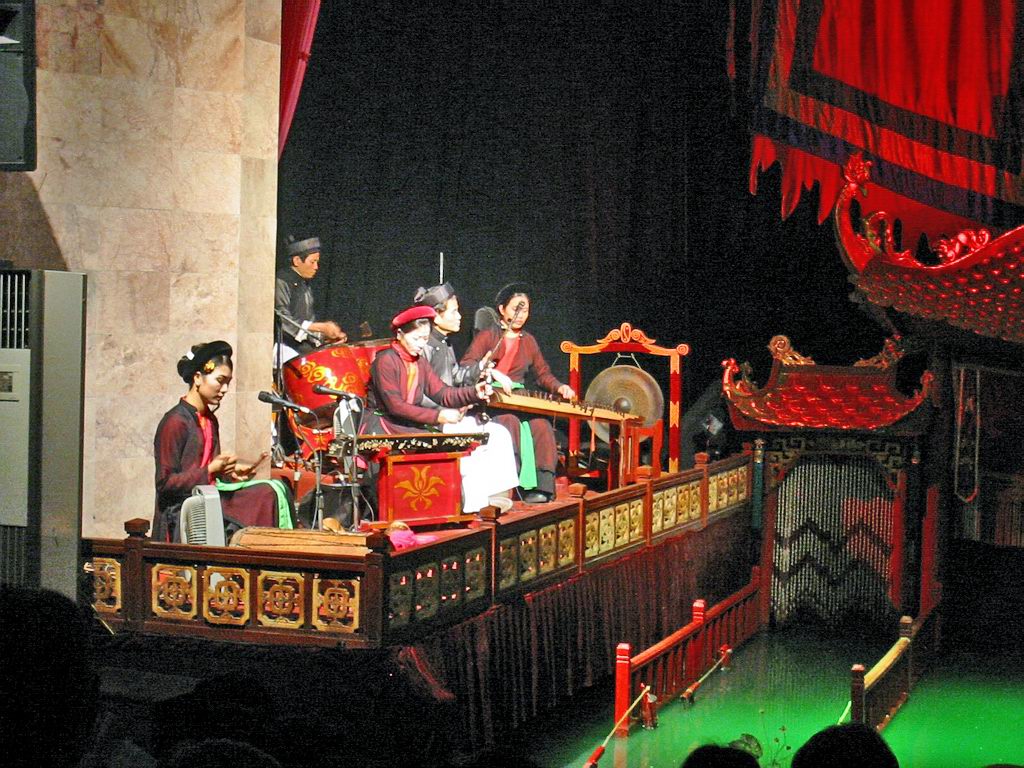
Satirical folk musical theatre performed by village troupes across northern VietnamPerformance
🇻🇳 Hoa Lư, VietnamChèo嘲
Satirical folk musical theatre performed by village troupes across northern VietnamPerformance
The same idea elsewhere
All of this kind 🇮🇹 Naples, ItalyCaffè
Italy's daily coffee habit: espresso taken standing at the bar, and moka coffee at homeTable custom · Tea, coffee and drinking ceremonies
🇮🇹 Naples, ItalyCaffè
Italy's daily coffee habit: espresso taken standing at the bar, and moka coffee at homeTable custom · Tea, coffee and drinking ceremonies
 🇯🇵 JapanToshikoshi soba年越し蕎麦
Buckwheat noodles eaten on New Year's Eve, cut easily to let the year goTable custom · Feasts and festival meals
🇯🇵 JapanToshikoshi soba年越し蕎麦
Buckwheat noodles eaten on New Year's Eve, cut easily to let the year goTable custom · Feasts and festival meals
 🇹🇼 Taipei, TaiwanNight markets in Taiwan夜市
Street markets that open at sunset across Taiwan, selling snacks, drinks and goodsTable custom · Tea-time and snacking customs
🇹🇼 Taipei, TaiwanNight markets in Taiwan夜市
Street markets that open at sunset across Taiwan, selling snacks, drinks and goodsTable custom · Tea-time and snacking customs
 🇺🇦 Ukraine and 1 moreBanushбануш
A Carpathian cornmeal porridge cooked with sour cream and savoury toppingsTable custom
🇺🇦 Ukraine and 1 moreBanushбануш
A Carpathian cornmeal porridge cooked with sour cream and savoury toppingsTable custom