Customs of food and drinkEurope
Samovar
In its own language: самовар
A heated urn that brews tea for a slow, sociable pour, from Russia to Iran and Kashmir

A samovar is a metal urn that heats water for tea, with a small teapot of strong concentrate warming on its crown. It took shape in 18th-century Russia and still serves tea in homes there and in Iran, Turkey and Kashmir.
When is Samovar kept?
Samovar is kept on everyday, whenever tea is made; no fixed date.
A samovar is a metal urn that keeps water hot for tea, its fire burning in a pipe through the middle and a small teapot warming on its crown. First recorded in 18th-century Russia, it turned tea drinking into a slow, sociable hour, and its descendants still pour in Iranian, Turkish and Kashmiri homes.
What it is
A samovar is a metal vessel built to boil water; the Russian name means self-brewer. The body holds the water, a pipe runs up through the middle to carry the fire, and a tap near the base fills the cup. A short chimney sits on top, with a ring around it that holds a teapot. Makers have used iron, copper, brass, bronze, silver and even gold, and the body may be barrel-shaped, urn-shaped, cylindrical or spherical. Sizes run from modest one-litre pots and family vessels of about four litres up to large urns. Since the water mostly serves tea, the teapot on the crown brews a strong concentrate, thinned later with hot water from the tap.
How it came to be
Nothing certain is known of the samovar before the 1700s. Scholars point to the autepsa, a Greek water-heater of antiquity with a tube for coals, and to Byzantine and Central Asian influences on Russian design. In 1989, excavators at Shaki in Azerbaijan found pottery of similar form, around 3,600 years old, with an inner tube for warming water, though it was heated by an outside fire. The first documented makers were the Lisitsyn brothers of Tula, Ivan and Nazar, who registered Russia's first samovar factory in 1778. Tula, a city of metalworkers and gunsmiths, has led the craft ever since, and a local saying mocks anyone who travels there carrying their own samovar.
Making the tea
Tea from a samovar follows a two-step pour. The teapot on the crown holds zavarka, a dark concentrate of leaves. The drinker pours a little into a cup, then adds boiling water from the tap, roughly ten parts water to one, to taste. The fire below burns slowly on charcoal or dry pinecones, and when the pot is idle it smoulders rather than dies, ready to be fanned back to life with bellows. In Kashmir the water boils over live coals with green tea, salt, cardamom and cinnamon. Iranian families use oil, gas or electric models, and the Persian word samăvar keeps the Russian name almost unchanged.
Beyond Russia
The urn travelled with Russian culture across Eastern Europe and into West, Central and South Asia. Iran has kept it for at least two centuries, since close contact between the two countries began, and workshops in Borujerd still hand-make samovars, often in German silver in the varshosazi style and decorated with Persian motifs; museums at home and abroad show them as craft. In Kashmir, copper samovars carry engraved calligraphy, and historically Muslim households used copper while Kashmiri Pandit homes preferred brass with a nickel-lined inside. In Turkey, the semaver survives in the countryside, though most kitchens now use the çaydanlık, two stacked pots: the lower boils water, the upper, the demlik, holds the concentrate.
What it means
In Russia the samovar stood at the centre of the home and the tavern, and every class used it, from the poorest peasants to the wealthy. It gave a household a steady, thrifty supply of hot water, kept warm for hours. The expression about taking a seat by the samovar means a long, easy conversation over tea, and that leisure is the point of the vessel as much as the drink. In Tula it became the city's emblem, stamped with its name. Today, visitors to Russia buy samovars as souvenirs, while in Iran and Kashmir the vessel still does daily work.
How Samovar is kept
Water fills the body and solid fuel goes into the central pipe, lit from above; a short chimney keeps the draft. Once the water boils, the fire is put out and the chimney lifted off, and a teapot set on the crown brews zavarka, a strong concentrate. Tea is served by diluting a little of it with hot water from the tap, about ten to one, to taste. Iranian models burn oil or gas or run on electricity; Kashmiri ones hold charcoal and live coals.
When and where
There is no fixed date. The samovar belongs to ordinary days, set out whenever a household or tavern wants tea, and in older times it stayed warm all day, its fire faintly smouldering until someone fanned it back to life. Iranian and Kashmiri versions work the same everyday way, over coals, oil or gas.
Russia is its home and heartland, with Tula the historic centre of making since the 18th century. Iranian samovar culture centres on Borujerd, where hand-made work continues. In Turkey the charcoal semaver survives in rural areas, and in Kashmir the copper samovar remains part of local tea making.
What Samovar means
To those who keep it, the samovar stands for unhurried company. The Russian phrase for sitting beside it describes talk that drifts over a long tea. It also meant self-sufficiency: a household's own hot water, cheap to run on slow-burning fuel. In Tula the city's name marks the craft itself, and in Borujerd the samovar is displayed in museums as an emblem of Iranian artistry.
On the table


Questions people ask about Samovar
When is Samovar kept?
Samovar is kept on everyday, whenever tea is made; no fixed date.
What is a samovar?
A metal container, its Russian name meaning self-brewer, built to heat and boil water, usually for tea. A pipe down the middle carries the fire, and a teapot of strong concentrate sits on the crown, to be diluted with hot water from the tap.
Where is it most at home?
Russia, where it began and where Tula has led production since the 18th century. It also lives on in Iran, notably in Borujerd, in rural Turkey under the name semaver, and in Kashmir.
What fuel does it burn?
Traditionally coal or kindling, and also charcoal and dry pinecones, which burn slowly and hold the water warm. Newer models run on electricity like an electric boiler, and Iranian versions may burn oil or natural gas.
What is zavarka?
The strong tea concentrate brewed in the teapot that sits on the samovar's crown. Each cup takes a little of it, topped up with boiling water from the urn, about ten parts water to one part concentrate, adjusted to taste.
See also
 Caffè sospesoAn anonymous gift of a paid cup of coffee for a stranger in need
 Arabic coffeeA bitter, spiced brew served as a gesture of hospitality across the Arab world.
 Eid al-FitrThe feast that ends Ramadan, opened with morning prayers, sweets and visits homeAs-salamu alaykumA traditional Arabic greeting of peace exchanged in daily life and prayer
Good reading and sources
- Samovar on WikipediaEncyclopedia
- More photos on Wikimedia CommonsPhotos and video
- Wikidata recordOpen data
The facts on this page come from the Wikipedia article "Samovar", written by its contributors and used under the CC BY-SA 4.0 licence, and from its Wikidata record (CC0). EveryParampara rewrote the text in its own words, with AI assistance, and compares every page with the article to make sure no passage is copied. It may be reused under the same CC BY-SA 4.0 licence with a link back.
It may contain mistakes. Traditions differ from one family, village and community to the next, and the people who keep them know them best. If something is wrong, tell us. Last refreshed 2026-10-05.
More from Russia
All the traditions of Russia 🇷🇺 Russia and 1 moreZakuskiзакуски
A laid-out table of cold small dishes that opens a Russian festive mealTable custom · Tea-time and snacking customs
🇷🇺 Russia and 1 moreZakuskiзакуски
A laid-out table of cold small dishes that opens a Russian festive mealTable custom · Tea-time and snacking customs
 🇺🇦 Ukraine and 4 moreKorovaiкоровай (Ukrainian), каравай (Russian)
A round wedding bread of Eastern Europe, baked with songs and shared by all the guestsTable custom · Feasts and festival meals
🇷🇺 Russia and 1 moreRussian tea culture
The everyday cup of Russia, brewed strong and diluted to taste, with jam and sweetsTable custom · Tea, coffee and drinking ceremonies
🇺🇦 Ukraine and 4 moreKorovaiкоровай (Ukrainian), каравай (Russian)
A round wedding bread of Eastern Europe, baked with songs and shared by all the guestsTable custom · Feasts and festival meals
🇷🇺 Russia and 1 moreRussian tea culture
The everyday cup of Russia, brewed strong and diluted to taste, with jam and sweetsTable custom · Tea, coffee and drinking ceremonies
 🇰🇬 Kyrgyzstan and 4 moreBeshbarmakбешбармак
Boiled meat and noodles, eaten by hand from one platter, with a set cut for each guestTable custom · Feasts and festival meals
🇰🇬 Kyrgyzstan and 4 moreBeshbarmakбешбармак
Boiled meat and noodles, eaten by hand from one platter, with a set cut for each guestTable custom · Feasts and festival meals
The same idea elsewhere
Tea, coffee and the drinking ceremony compared 🇨🇳 Chaozhou, China and 1 moreGongfu tea工夫茶
A skilled Chinese method of brewing tea in small teaware with precise heat and timingTable custom · Tea, coffee and drinking ceremonies
🇨🇳 ChinaGuanxi关系
A Chinese tradition of cultivating trusted networks and reciprocal obligationsEtiquette
🇰🇼 KuwaitDewaniya
An evening gathering and reception central to Kuwaiti social, business, and civic lifeEtiquette · Tea, coffee and drinking ceremonies
🇨🇳 Chaozhou, China and 1 moreGongfu tea工夫茶
A skilled Chinese method of brewing tea in small teaware with precise heat and timingTable custom · Tea, coffee and drinking ceremonies
🇨🇳 ChinaGuanxi关系
A Chinese tradition of cultivating trusted networks and reciprocal obligationsEtiquette
🇰🇼 KuwaitDewaniya
An evening gathering and reception central to Kuwaiti social, business, and civic lifeEtiquette · Tea, coffee and drinking ceremonies
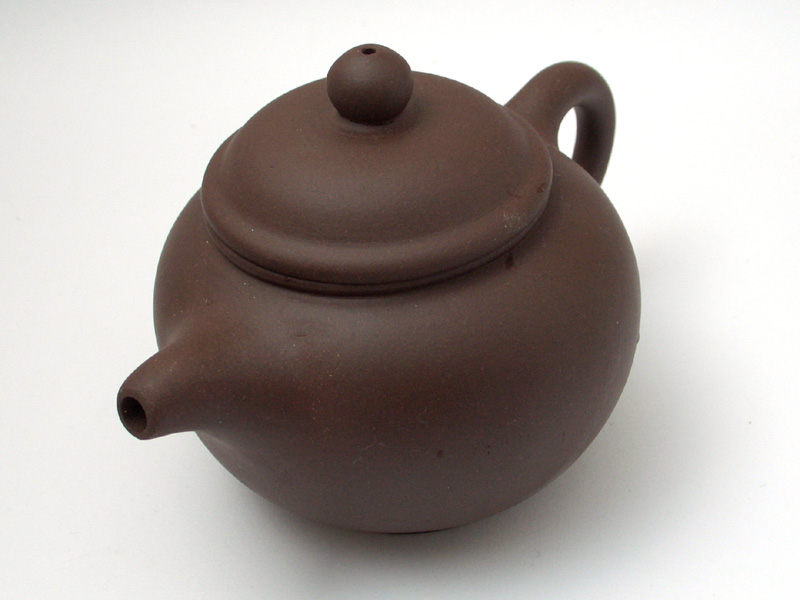 🇨🇳 Yixing, ChinaYixing clay teapot紫砂
Handcrafted Chinese purple clay teapots that season with every brewCraft · Tea, coffee and drinking ceremonies
🇨🇳 Yixing, ChinaYixing clay teapot紫砂
Handcrafted Chinese purple clay teapots that season with every brewCraft · Tea, coffee and drinking ceremonies