Seasons, harvest and the calendarEurope
Shieling
In its own language: Àirigh
Seasonal summer pasture living and traditional dairying in the Scottish hills

A shieling is a seasonal hill pasture and shelter tradition from Scotland, where farming families moved livestock to upland grazings for the summer. Herders lived in simple turf and stone huts, caring for milch cows and making cheese and butter before returning home for winter.
When is Shieling kept?
Shieling is kept during the summer grazing months, typically from midsummer.
A shieling is a seasonal upland shelter and pasture system rooted in traditional Scottish hill farming. Each summer, herders and their families moved livestock from lowland settlements into high pastures to graze common hill ground. While living in small stone or turf huts beside mountain streams, women and girls tended milch cows and turned fresh milk into butter and cheese, creating a distinct way of living celebrated in Gaelic song.
Life on the summer pastures
Seasonal pasturage, known as transhumance, relied on moving livestock between winter villages in the valleys and green summer commons in the hills. When families arrived in the uplands, they repaired their dwellings and settled in for several weeks. Women and young herders managed the daily care of the dairy cows. They milked the herd, kept the young calves separated in small pens overnight, and processed the yield. Working beside running burns, which also guided travellers into the hills, residents converted fresh milk into cheeses and butter that could be stored for the coming winter months.
Shelter on the moors
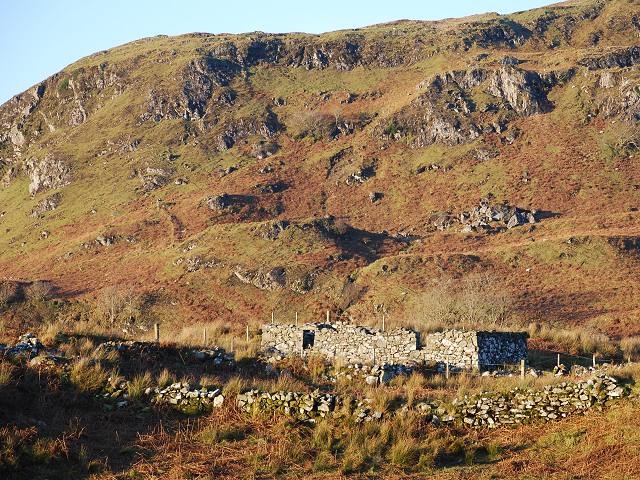
The dwellings themselves were simple structures built from local dry stone, turf, or sod, often measuring several metres across. Builders laid timber frameworks across the walls, topping them with thatched heather, rushes, or grass sods. Entrances were low openings, sometimes blocked only by a bundle of birch twigs, and window openings were rare or absent entirely. Inside, accommodation was modest. Beds made of heather rested on earthen banks, accompanied by simple blankets. Basketwork shelves hung overhead to store drying cheeses and dairy vessels, keeping the food safe and dry within one or two compact rooms.
Courtship and mountain song
Life on the high hills gave rise to a rich musical tradition in the Scottish Highlands. Because young women and men spent the summer grazing period together away from the restrictions of village life, the pastures became a natural setting for courtship. Numerous Scottish Gaelic love songs, known as shieling songs, recount romantic encounters, affection, and everyday pastoral duties on the moors. Famous verses, such as those from Loch Ness and Perthshire, describe the charm of the hill bothies, capturing the personal connections formed during weeks spent tending cattle in the uplands.
Decline and landscape traces
Most shielings in upland Scotland and northern England fell out of regular use by the late seventeenth and eighteenth centuries, though places like the Isle of Lewis kept the system longer. Many abandoned huts gradually eroded back into the turf, while stone foundations remained visible as ruins across the moorlands. Some sites evolved into permanent farmsteads with boundary walls and crop storage stands. Today, thousands of these historic sites are mapped across Scotland, while living variations of seasonal transhumance persist in parts of Norway, northern Sweden, and alpine regions across Europe.
How Shieling is kept
The seasonal migration begins when families lead their cattle into the hills around midsummer. Upon arrival, herders repair the rough huts, patching roofs with heather, turf, and rushes. By day, the cattle graze upland pastures while herders watch them. At night, calves are kept apart from cows in separate folds. Daily work centres on milking and processing dairy in basketwork shelves and stone rooms, turning milk into cheese, butter, and salted curds. The stay lasts from four to six weeks or across the warmer months until livestock return to valley settlements for winter.
When and where
The move to the shielings took place during the summer grazing season, frequently beginning around midsummer. Herders remained on the hill pastures for a month to six weeks, staying as long as the grass could sustain the herds before returning to winter dwellings in the valley.
This custom was once common throughout the Scottish Highlands, the Hebrides, and northern England, situated along hill streams and moors. While the practice faded in Scotland after the eighteenth century, related forms of summer transhumance continue in upland regions of Norway, northern Sweden, and central Europe.
What Shieling means
Shieling life represented seasonal renewal, hard communal labour, and youthful freedom away from winter villages. In Scottish Gaelic tradition, the summer hills were strongly associated with romance and courtship. Songs and poems celebrate both the isolation of the high moors and the warmth of temporary shelter, capturing a rhythm of life tightly bound to livestock, grazing cycles, and mountain streams.


Questions people ask about Shieling
When is Shieling kept?
Shieling is kept during the summer grazing months, typically from midsummer.
What is a shieling?
A shieling is a seasonal upland pasture and the rough hut built on it, used by herders in Scotland and other parts of Europe while grazing cattle during the summer months.
Where and when were shielings used?
They were widespread across upland Scotland, northern England, and Scandinavia. Families moved their livestock up into the hills around midsummer and remained there for four to six weeks during the warm season.
What work took place at a shieling?
Herds were milked and calves kept in separate night folds. Herders spent their days making dairy staples, including butter, wheel cheeses, and salted buttered curds known as gruthim.
Are shielings still in use today?
In Scotland, the practice largely ended by the eighteenth century, leaving stone ruins across the hills. However, traditional seasonal mountain grazing continues today in Norway, northern Sweden, and parts of central Europe.
See also
 Advent wreathAn evergreen ring of candles lit week by week in the lead-up to ChristmasCyber MondayAn annual online shopping observance held on the Monday following American Thanksgiving.
 May DayA traditional European festival welcoming summer with greenery, dances and bonfires
 Yule logA log kept burning on the hearth through the twelve days of Christmas, for luck
Good reading and sources
- Shieling on WikipediaEncyclopedia
- More photos on Wikimedia CommonsPhotos and video
- Wikidata recordOpen data
The facts on this page come from the Wikipedia article "Shieling", written by its contributors and used under the CC BY-SA 4.0 licence, and from its Wikidata record (CC0). EveryParampara rewrote the text in its own words, with AI assistance, and compares every page with the article to make sure no passage is copied. It may be reused under the same CC BY-SA 4.0 licence with a link back.
It may contain mistakes. Traditions differ from one family, village and community to the next, and the people who keep them know them best. If something is wrong, tell us. Last refreshed 2026-10-06.
More from the United Kingdom
All the traditions of the United Kingdom 🇮🇪 Ireland and 1 moreImbolcLá Fhéile Bríde
A Gaelic festival heralding spring and honoring Saint Brigid with woven rush crossesSeasonal · Feasts and festival meals
🇩🇪 Hamburg, Germany and 2 moreAdvent wreathAdventskranz
An evergreen ring of candles lit week by week in the lead-up to ChristmasSeasonal
🇮🇪 Dublin, Ireland and 3 moreMay Day
A traditional European festival welcoming summer with greenery, dances and bonfiresSeasonal · Feasts and festival meals
🇬🇧 United Kingdom and 5 moreYule log
A log kept burning on the hearth through the twelve days of Christmas, for luckSeasonal
🇮🇪 Ireland and 1 moreImbolcLá Fhéile Bríde
A Gaelic festival heralding spring and honoring Saint Brigid with woven rush crossesSeasonal · Feasts and festival meals
🇩🇪 Hamburg, Germany and 2 moreAdvent wreathAdventskranz
An evergreen ring of candles lit week by week in the lead-up to ChristmasSeasonal
🇮🇪 Dublin, Ireland and 3 moreMay Day
A traditional European festival welcoming summer with greenery, dances and bonfiresSeasonal · Feasts and festival meals
🇬🇧 United Kingdom and 5 moreYule log
A log kept burning on the hearth through the twelve days of Christmas, for luckSeasonal
The same idea elsewhere
All of this kind 🇮🇷 Iran and 7 moreNowruzنوروز
The Iranian new year at the March equinox, kept with fire, greenery and picnicsSeasonal
🇮🇷 Iran and 7 moreNowruzنوروز
The Iranian new year at the March equinox, kept with fire, greenery and picnicsSeasonal
 🇯🇵 JapanKadomatsu門松
A Japanese New Year gateway decoration of pine and bamboo where a visiting deity can restSeasonal
🇹🇭 ThailandThai solar calendarปฏิทินสุริยคติไทย
The official solar calendar of Thailand, numbered in the Buddhist EraSeasonal
🇯🇵 JapanKadomatsu門松
A Japanese New Year gateway decoration of pine and bamboo where a visiting deity can restSeasonal
🇹🇭 ThailandThai solar calendarปฏิทินสุริยคติไทย
The official solar calendar of Thailand, numbered in the Buddhist EraSeasonal
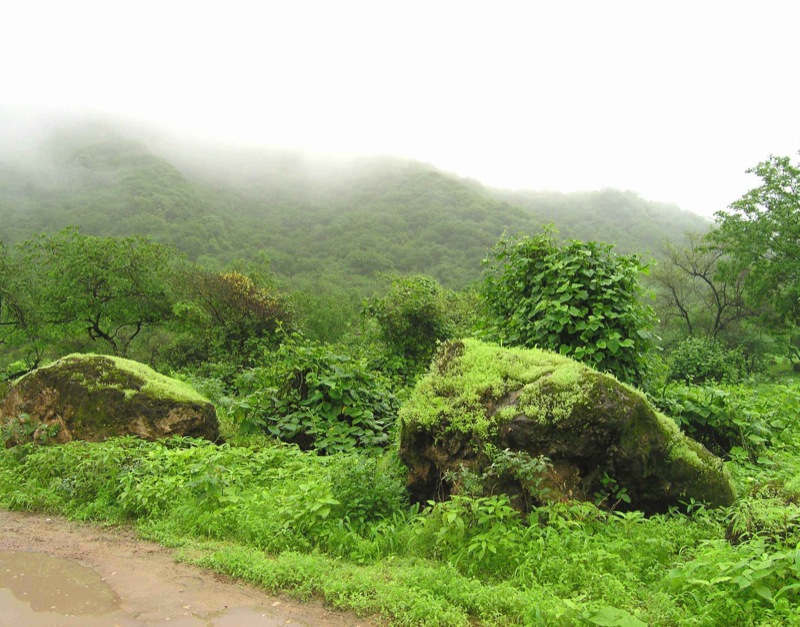 🇴🇲 Salalah, Oman and 3 moreKhareefخَرِيْف
The monsoon season of Dhofar and Al Mahrah, welcomed with a festival in SalalahSeasonal
🇴🇲 Salalah, Oman and 3 moreKhareefخَرِيْف
The monsoon season of Dhofar and Al Mahrah, welcomed with a festival in SalalahSeasonal