Spiritual and religiousSoutheast AsiaMuslim
Tabuik
A Muharram mourning rite in Pariaman, Sumatra, ending with a bier carried into the sea

Tabuik is the Minangkabau form of the Muharram mourning for Husayn, kept each year on Ashura, the tenth day of Muharram, in Pariaman on the West Sumatran coast of Indonesia. A tall bier of bamboo, rattan and paper is paraded through the town and then thrown into the sea, while the Bengkulu Malays keep a related custom called Tabot.
When is Tabuik marked?
Tabuik is kept as part of Achoura in Morocco, which is on Tuesday, 15 June 2027.
Tabuik is a yearly mourning rite kept by the Minangkabau people of the West Sumatran coast, above all in Pariaman. It marks Ashura, the tenth day of Muharram, when Shia Muslims remember Husayn. For a week the town prepares tall bamboo biers, and on the final day they are carried to the beach and given to the sea.
What it is
Tabuik is part of the Muharram mourning kept by Shia Muslims, and above all of Ashura, the tenth day of that month. Those days remember Husayn. On the West Sumatran coast the observance took a local form among the Minangkabau people. The word tabuik names both the whole ceremony and the tall structure at its heart. Pariaman, a town on that coast, is where it is held. Bengkulu Malays further south keep their own version, which they call Tabot.
Origins and history
The sea ritual at Pariaman is old by local reckoning, but the sources date the throwing of a tabuik to 1831 and say it has happened every year since. It arrived with soldiers. Twelver Shia sepoy troops from India were posted to the region under the British Raj, and a number of them remained and made their homes there. From their mourning for Husayn the local ceremony grew. Over time the observance spread beyond the community that began it. It was once a Twelver Shia festival alone.
The bier and drums
The centre of the ceremony is the tabuik itself, a towering bier built for the procession. Each one is put together from bamboo, rattan and paper, and a town may prepare more than one. In Indonesian the structure is called tabut, or tabot in Bengkulu. That word is also the Quranic name of the Ark of the Covenant. Writers have noted how close it stands in form to the totem poles of the Northwest Coast peoples of North America. Its procession moves to the sound of tassa and dhol drums.
A week of events
The days around the bier are full. There are kite races, traditional plays and dance shows, among them the Tari Piring, a plate dance. Performers act out scenes from what happened at Karbala. The whole town turns out, and officials such as the provincial governor attend. On the last morning people can look at the tabuik before it is carried slowly down to the beach. At midday it goes into the water. Many then swim, hoping to bring back something of the day to keep.
Today and change
What began as a Twelver Shia observance is now kept far more widely. Most people in Pariaman take part, whatever their background, and similar festivals are held by other communities in Southeast Asia. Non-Muslims join in as well. In Bengkulu the Bengkulu Malays keep the custom as Tabot, and there it counts among the region's important cultural traditions. The bier is not a private rite. Crowds line the route to the sea, and the day ends with families and neighbours in the water together.
How Tabuik is kept
Preparations run through the week of Muharram. Builders make one or more biers from bamboo, rattan and paper. Kite races, plays and dance displays are held in the days before. On the morning of Ashura, visitors look at the tabuik where it stands. Then it is lifted and carried slowly through Pariaman towards the shore, with drums playing and scenes from Karbala acted out along the way. At noon it is thrown into the sea. Afterwards many people swim in the water. Dignitaries, including the provincial governor, join the crowds.
When and where
The rite belongs to the month of Muharram and reaches its height on Ashura, the tenth day of that month. It is kept once a year. Since 1831 the tabuik has been carried to the sea at Pariaman on Ashura. The bier is thrown in at noon, after a morning procession.
Tabuik is kept on the coast of West Sumatra, Indonesia, and its main home is the city of Pariaman, where the biers are built and taken to the beach. Bengkulu Malays in the province of Bengkulu keep a version they call Tabot. The observance has also spread to other communities in Southeast Asia, and people of different faiths take part in Pariaman.
What Tabuik means
Tabuik is a mourning, and the bier itself is a funeral object, so the procession carries grief for Husayn. The slow walk to the shore and the throwing of the bier into the water mark the close of that mourning for the year. The memorial is public, drawing large crowds, and the drums give it a shared rhythm. After the bier goes in, people swim to gather what they call memories of the tabuik, small keepsakes of a day the town spends together.


Days Tabuik is marked
Questions people ask about Tabuik
When is Tabuik marked?
Tabuik is kept as part of Achoura in Morocco, which is on Tuesday, 15 June 2027.
What is Tabuik?
It is a mourning ceremony kept by the Minangkabau people on the West Sumatran coast of Indonesia. It belongs to the Muharram mourning of Shia Islam, especially Ashura, and it centres on a tall bier that is carried through Pariaman and then thrown into the sea.
Where is it kept?
Its main home is Pariaman, on the coast of West Sumatra in Indonesia. Bengkulu Malays keep a related custom called Tabot in Bengkulu. Similar festivals are held by other communities in Southeast Asia, and non-Muslims take part in Pariaman as well.
What happens during the week?
Days before the final procession are filled with kite races, traditional plays and dance shows such as the Tari Piring. Drumming on tassa and dhol accompanies the events, and scenes from Karbala are acted out. On the last morning the tabuik is shown, then carried to the beach.
Who takes part?
It began as a Twelver Shia observance brought by sepoy troops from India, and it is still a mourning for Husayn. Today most inhabitants of Pariaman join in, along with visitors, and the crowds include officials such as the provincial governor. People of other faiths take part too.
See also
 KenduriA communal prayer meal and gathering shared across Indonesia, Malaysia and Brunei
 SlametanA short communal meal on Java where neighbours share food, prayer and a wish for peace
 IkatA resist-dyeing craft from Southeast Asia, where yarns are tied and dyed before weaving
 BarkclothCloth beaten from tree bark across Africa, Asia and the Pacific
Good reading and sources
- Tabuik on WikipediaEncyclopedia
- More photos on Wikimedia CommonsPhotos and video
- Wikidata recordOpen data
The facts on this page come from the Wikipedia article "Tabuik", written by its contributors and used under the CC BY-SA 4.0 licence, and from its Wikidata record (CC0). EveryParampara rewrote the text in its own words, with AI assistance, and compares every page with the article to make sure no passage is copied. It may be reused under the same CC BY-SA 4.0 licence with a link back.
It may contain mistakes. Traditions differ from one family, village and community to the next, and the people who keep them know them best. If something is wrong, tell us. Last refreshed 2026-10-05.
More from Indonesia
All the traditions of Indonesia
🇮🇩 Indonesia and 2 moreKenduri
A communal prayer meal and gathering shared across Indonesia, Malaysia and BruneiSpiritual · Feasts and festival meals
🇮🇩 IndonesiaSlametan
A short communal meal on Java where neighbours share food, prayer and a wish for peaceSpiritual · Feasts and festival meals
 🇮🇩 Bali, IndonesiaMelasti
A Balinese Hindu purification ritual held at the sea before Nyepi to cleanse sacred objects and people.Spiritual
🇮🇩 Bali, IndonesiaMelasti
A Balinese Hindu purification ritual held at the sea before Nyepi to cleanse sacred objects and people.Spiritual
 🇮🇩 Bali, IndonesiaPenjorᬧᬾᬜ᭄ᬚᭀᬃ
A curved bamboo pole decorated with leaves and offerings, raised in Bali to mark Galungan and invite prosperity.Spiritual
🇮🇩 Bali, IndonesiaPenjorᬧᬾᬜ᭄ᬚᭀᬃ
A curved bamboo pole decorated with leaves and offerings, raised in Bali to mark Galungan and invite prosperity.Spiritual
The same idea elsewhere
Death and mourning compared 🇲🇽 Mexico City, Mexico and 1 moreDay of the DeadDía de Muertos
A Mexican remembrance of deceased family and friends with altars, marigolds and feastsFestival · Sweets given and shared
🇲🇽 Mexico City, Mexico and 1 moreDay of the DeadDía de Muertos
A Mexican remembrance of deceased family and friends with altars, marigolds and feastsFestival · Sweets given and shared
 🇳🇿 New Zealand and 2 moreMarae
A cleared, sacred gathering place at the heart of Māori and Polynesian community lifeSpiritual
🇳🇿 New Zealand and 2 moreMarae
A cleared, sacred gathering place at the heart of Māori and Polynesian community lifeSpiritual
 🇼🇸 Samoa and 1 moreʻIe tōga
Precious woven mats exchanged in Samoan ceremonies to honor family ties and chiefly status.Dress
🇼🇸 Samoa and 1 moreʻIe tōga
Precious woven mats exchanged in Samoan ceremonies to honor family ties and chiefly status.Dress
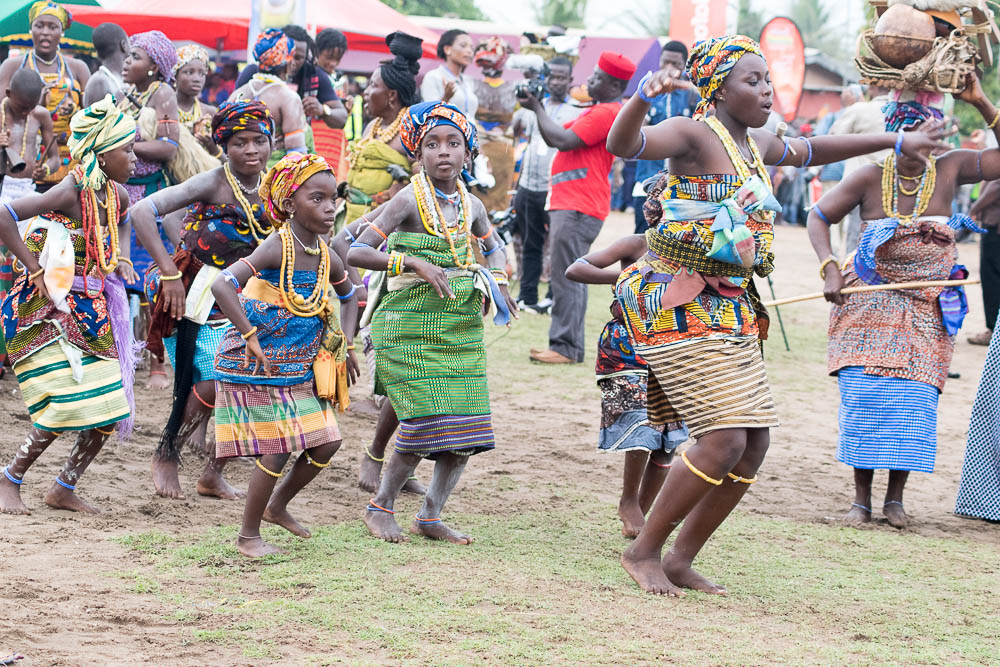 🇬🇭 Ghana and 2 moreAgbadza
An Ewe music and dance, born of war songs and kept for funerals, weddings and festivalsPerformance
🇬🇭 Ghana and 2 moreAgbadza
An Ewe music and dance, born of war songs and kept for funerals, weddings and festivalsPerformance