Customs of food and drinkMiddle East
Turkish breakfast
In its own language: kahvaltı
A long, shared Turkish morning meal of many small dishes, sweet and savoury, with tea

Kahvaltı is the traditional breakfast of Turkey: a table of many small sweet and savoury dishes, from cheeses and olives to eggs, börek, breads and pastries, with Turkish tea. Ottoman in origin, it is a long, social morning meal, strongest at weekends and holidays, and it has now travelled far beyond Turkey.
When is Turkish breakfast kept?
Turkish breakfast is kept in the morning; often for several hours at weekends and on holidays.
Turkish breakfast, or kahvaltı, is the traditional morning meal of Turkey. A table holds many small dishes at once, savoury and sweet: cheeses, olives, vegetables, breads, eggs, pastries and jams, all with tea. The word means "before coffee". People keep it as a slow, shared meal, and at weekends or on holidays it can stretch over several hours.
What it is
Turkish breakfast is not one dish but a table of small ones, set out together so that flavours, textures and kinds of food mix. Sweet and savoury sit side by side: cheeses, olives, fresh vegetables, local breads, eggs, börek, baklava and other sweet pastries. Hot drinks come with it, above all Turkish tea. The meal is a central part of Turkish food culture, and it is described as one of the most elaborate and most social breakfast traditions anywhere. Its size and its slowness are the point: people sit, eat a little of many things and talk.
The name and its meaning
The word kahvaltı is built from two Turkish words: kahve, coffee, and altı, under or before. Together they give "before coffee". The order matters. In Ottoman times coffee was a drink taken after a meal, not with it or ahead of it, so the morning meal became the food eaten before the coffee arrived. An older form of the name, tahte'l-kahve, means "under coffee". It began, in that older form, as a small medicinal snack, eaten to coat the stomach before coffee was drunk.
From the Ottomans to the republic
Ottoman breakfast culture began at some point in the 18th century and became widespread in the late 19th. Ottomans ate two meals a day, one in the mid-morning and one in the early evening. In the later Ottoman period, city breakfasts grew richer, adding jams, butters, cured meats and pastries. The 20th century, under the republic, brought cafés, çay bahçeleri (tea gardens) and then restaurants devoted to breakfast. These standardised and popularised the modern format, in which many dishes are served together rather than one or two.
Regions and the wider world
Turkish breakfast is not the same everywhere. Van, the Black Sea region and the Aegean have each developed their own local specialities, and those regional versions have helped shape how the meal is known nationally. Since the 2000s it has also become a draw for visitors, and an attraction in its own right. Tourism in Turkey, social media and the Turkish diaspora have carried it abroad, and international restaurants now serve it too. A traditional breakfast from Çeşme, in İzmir, is one of the versions commonly pictured.
How Turkish breakfast is kept
A host or a café sets out many small dishes at the same time: cheeses, olives, fresh vegetables, breads, eggs, pastries, spreads and sweet things, with tea poured alongside. Everyone helps themselves from the shared table and eats slowly. The meal belongs to the morning and, by its name, comes before coffee. On weekends and on holidays it is not hurried and can last several hours. It is eaten at home, in cafés and tea gardens, and in restaurants that serve breakfast.
When and where
Kahvaltı belongs to the morning, and its name records why: coffee came after food, not before it. At weekends and on holidays the meal is not rushed, and it often lasts several hours rather than ending quickly.
It is kept throughout Turkey, and regions have made it their own: Van, the Black Sea coast and the Aegean each have local breakfast specialities. In the 21st century it has also travelled, through tourism in Turkey, social media, Turkish communities abroad and restaurants in other countries.
What Turkish breakfast means
For those who keep it, kahvaltı is about abundance shared rather than one dish. The table is deliberately wide, mixing sweet and savoury so that everyone finds something, and the long, unhurried shape of the meal is the point: it brings people together and gives them time. In Turkey it is counted among the most social breakfast traditions there are.
Questions people ask about Turkish breakfast
When is Turkish breakfast kept?
Turkish breakfast is kept in the morning; often for several hours at weekends and on holidays.
What is Turkish breakfast?
Kahvaltı is Turkey's traditional morning meal. It is not one dish but a table of many small ones, sweet and savoury: cheeses, olives, vegetables, breads, eggs, pastries, spreads and sweet things, served with hot Turkish tea. The word itself means "before coffee".
Where is it kept?
All over Turkey: at home, in cafés, in tea gardens and in restaurants that specialise in it. Van, the Black Sea region and the Aegean have their own local versions, and Turkish communities abroad and international restaurants have carried it further.
Why does the name mean "before coffee"?
Kahvaltı joins kahve, coffee, and altı, under or before, so it means "before coffee". An older form, tahte'l-kahve, meant "under coffee": a small snack eaten to coat the stomach before coffee, which Ottomans took after meals.
How old is the custom?
Breakfast culture in the Ottoman Empire began around the 18th century and spread widely in the late 19th. The modern multi-dish form was settled in the 20th century, when cafés, tea gardens and breakfast restaurants made it standard.
See also
 Armudu tea glassA pear-shaped glass used in Azerbaijan to serve and drink black tea.
 SamovarA heated urn that brews tea for a slow, sociable pour, from Russia to Iran and Kashmir
 Caffè sospesoAn anonymous gift of a paid cup of coffee for a stranger in need
 Arabic coffeeA bitter, spiced brew served as a gesture of hospitality across the Arab world.
Good reading and sources
The facts on this page come from the Wikipedia article "Turkish breakfast", written by its contributors and used under the CC BY-SA 4.0 licence, and from its Wikidata record (CC0). EveryParampara rewrote the text in its own words, with AI assistance, and compares every page with the article to make sure no passage is copied. It may be reused under the same CC BY-SA 4.0 licence with a link back.
It may contain mistakes. Traditions differ from one family, village and community to the next, and the people who keep them know them best. If something is wrong, tell us. Last refreshed 2026-10-05.
More from Turkey
All the traditions of Turkey
🇦🇿 Azerbaijan and 1 moreArmudu tea glassArmudu stəkan
A pear-shaped glass used in Azerbaijan to serve and drink black tea.Table custom · Tea, coffee and drinking ceremonies
🇷🇺 Tula, Russia and 3 moreSamovarсамовар
A heated urn that brews tea for a slow, sociable pour, from Russia to Iran and KashmirTable custom · Tea, coffee and drinking ceremonies
🇮🇹 Naples, Italy and 5 moreCaffè sospeso
An anonymous gift of a paid cup of coffee for a stranger in needTable custom · Tea, coffee and drinking ceremonies
🇾🇪 Mokha, Yemen and 7 moreArabic coffeeqahwa (Arabic: قهوة)
A bitter, spiced brew served as a gesture of hospitality across the Arab world.Table custom · Tea, coffee and drinking ceremonies
The same idea elsewhere
Hospitality and welcome compared 🇨🇳 Chaozhou, China and 1 moreGongfu tea工夫茶
A skilled Chinese method of brewing tea in small teaware with precise heat and timingTable custom · Tea, coffee and drinking ceremonies
🇨🇳 Chaozhou, China and 1 moreGongfu tea工夫茶
A skilled Chinese method of brewing tea in small teaware with precise heat and timingTable custom · Tea, coffee and drinking ceremonies
 🇮🇹 Naples, ItalyCaffè
Italy's daily coffee habit: espresso taken standing at the bar, and moka coffee at homeTable custom · Tea, coffee and drinking ceremonies
🇮🇹 Naples, ItalyCaffè
Italy's daily coffee habit: espresso taken standing at the bar, and moka coffee at homeTable custom · Tea, coffee and drinking ceremonies
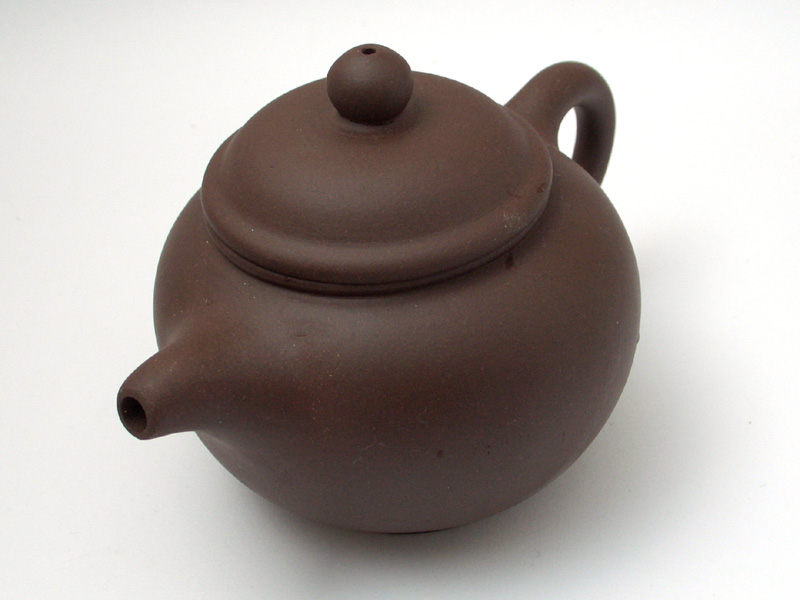 🇨🇳 Yixing, ChinaYixing clay teapot紫砂
Handcrafted Chinese purple clay teapots that season with every brewCraft · Tea, coffee and drinking ceremonies
🇨🇳 Yixing, ChinaYixing clay teapot紫砂
Handcrafted Chinese purple clay teapots that season with every brewCraft · Tea, coffee and drinking ceremonies