Seasons, harvest and the calendarSouth AsiaHinduBuddhist
Vikram Samvat
In its own language: विक्रमसंवत्
A lunisolar Hindu calendar of Nepal and India, its years counted 57 ahead of the Gregorian

Vikram Samvat is a lunisolar Hindu calendar used across the Indian subcontinent for more than a thousand years. It is the national calendar of Nepal and sets religious dates in India, with its new year falling in March or April and, in Nepal, in mid-April.
When is Vikram Samvat marked?
Vikram Samvat is kept as part of Baisakhi, which is on Wednesday, 14 April 2027.
Vikram Samvat is a lunisolar calendar, meaning its months follow the moon while the year is tied to the sun. Its year count runs about 57 ahead of the Gregorian. It is Nepal's national calendar and, in India, the calendar of religious dates and new year festivals. People keep it to fix festivals, harvest rituals and the start of the accounting year.
What it is
The Vikram Samvat is a lunisolar calendar. Its months follow the moon, and an extra month is added so that the year stays in step with the sun. Twelve lunar months make about 354 days, so an adhika māsa, a leap month, is inserted roughly seven times in nineteen years. Each month has two fortnights of fifteen lunar days, called tithis. The bright fortnight after the new moon is held auspicious; the dark one is not. A lunar month runs about 29.5 days, two months make a season, three seasons an ayana, and two ayanas a year.
Origins and naming
Inscriptions from ancient and medieval times used this era, but the name Vikrama Samvat is not found before the ninth century. Earlier records call it Krita, or the era of the Malava tribe. The earliest inscription using the word Vikrama comes from 842, at Dholpur in the reign of the Chauhana ruler Chandamahasena. Linking the era to a king named Vikramaditya appears only in 971, and in a Jain literary work of 993 to 994. According to popular tradition, King Vikramaditya of Ujjain began the era after driving out the Sakas. Colonial scholars took that story as history; later study of inscriptions found no basis for it. Some writers instead credit Chandragupta II or Yashodharman.
The new year
The year turns differently from place to place. In many parts of India the new year comes with Chaitra Navaratri, kept in the lunar month of Chaitra, in March or April, after or during the spring harvest. In Punjab and much of northern, eastern and central India, Vaisakhi marks the solar new year when the month of Vaisakha opens, usually on 13 or 14 April. In Nepal the year opens with Baisakh and that day is the national new year, a public holiday. In Gujarat, Varsha Pratipada or Bestu Varas falls as the bright fortnight of Kartika opens, when farmers begin new account books.
Today and change
Nepal's Rana dynasty made the Vikram Samvat the country's official Hindu calendar in 1901. Its year there begins in mid-April and closes with the last day of Chaitra. Nepal Sambat was recognised alongside it in 2007. In India the reformulated Saka calendar is official and Vikram Samvat is kept for festival dates. The Hindi preamble of the constitution gives the adoption date of 26 November 1949 as Margsheersh Shukla Saptami, Samvat 2006, and a call has been made to replace the Saka calendar with it.
How Vikram Samvat is kept
Vikram Samvat is kept as a way of fixing time rather than as one ritual. Almanac makers work out the tithis and the fortnights each month, and add a leap month when the reckoning needs it. Their published dates then decide when festivals, fasts and harvest rites fall. In Nepal the new year is the opening day of Baisakh and a public holiday; Bhaktapur marks it with the Bisket Jatra carnival. In Gujarat, Bestu Varas is when traders begin new account books. Over the centuries the era has also been used by Sikhs and Pashtuns.
When and where
The epoch of Vikram Samvat is a full moon or new moon in March or April of 57 BCE; which one depends on the culture. Its year count stays about 57 years ahead of the Gregorian, or 56 between January and March. New year falls in March or April in India and in mid-April in Nepal.
The calendar belongs to Nepal and India. In Nepal it is the national calendar; the year opens with Vaishakha, called Baisakh, and closes with Chaitra. In India it serves religious dates rather than civil ones, and is strongest among Hindus of the north, west and central regions, while south India and parts of the east and west use the Indian national calendar.
What Vikram Samvat means
Time in the Vikram Samvat is not neutral. The bright fortnight, shukla paksha, is the auspicious half of the month, and most festivals fall there; the dark fortnight, krishna paksha, is treated as inauspicious. Adding the leap month keeps festivals and crop rituals in their right season. For many communities the new year is a fresh start: accounts are opened, harvest thanks are given, and the year is counted from an era that, in popular telling, honours a king's victory.
Days Vikram Samvat is marked
Questions people ask about Vikram Samvat
When is Vikram Samvat marked?
Vikram Samvat is kept as part of Baisakhi, which is on Wednesday, 14 April 2027.
What is Vikram Samvat?
It is a lunisolar Hindu calendar that uses twelve lunar months and adds an extra month in some years so the year keeps pace with the sun. Its year count runs about 57 ahead of the Gregorian calendar.
Where is it used today?
Nepal uses it as its national calendar, and in India it sets religious dates rather than civil ones. It is kept by Hindus of northern, western and central India, and has also been used by Sikhs and Pashtuns.
Did King Vikramaditya start it?
According to popular tradition, yes: he began the era after driving the Sakas from Ujjain. But the name Vikrama Samvat appears only from the ninth century, and later scholars found no historical basis for the story.
Why does its year number look so high?
Because the era is counted from 57 BCE. So the year number is about 57 ahead of the Gregorian, except from January to March or April, when it is 56 ahead.
See also
 NowruzThe Iranian new year at the March equinox, kept with fire, greenery and picnics
 Indian national calendarIndia's official civil solar calendar, designed to bring unity to timekeeping
 LosarThe Tibetan Buddhist New Year festival of renewal, offerings, and family feasts
 UgadiA South Indian New Year feast celebrating life with sweet, sour, and bitter tastes
Good reading and sources
- Chaitra Navratri 2020: Significance, history behind the nine-day festival and how will it be different this yearHindustan Times, Article
- Chaitra Navratri 2020: Significance, history behind the nine-day festival and how will it be different this yearHindustan Times, Article
The facts on this page come from the Wikipedia article "Vikram Samvat", written by its contributors and used under the CC BY-SA 4.0 licence, and from its Wikidata record (CC0). EveryParampara rewrote the text in its own words, with AI assistance, and compares every page with the article to make sure no passage is copied. It may be reused under the same CC BY-SA 4.0 licence with a link back.
It may contain mistakes. Traditions differ from one family, village and community to the next, and the people who keep them know them best. If something is wrong, tell us. Last refreshed 2026-10-05.
More from India
All the traditions of India
🇮🇷 Iran and 7 moreNowruzنوروز
The Iranian new year at the March equinox, kept with fire, greenery and picnicsSeasonal
🇮🇳 IndiaIndian national calendar
India's official civil solar calendar, designed to bring unity to timekeepingSeasonal
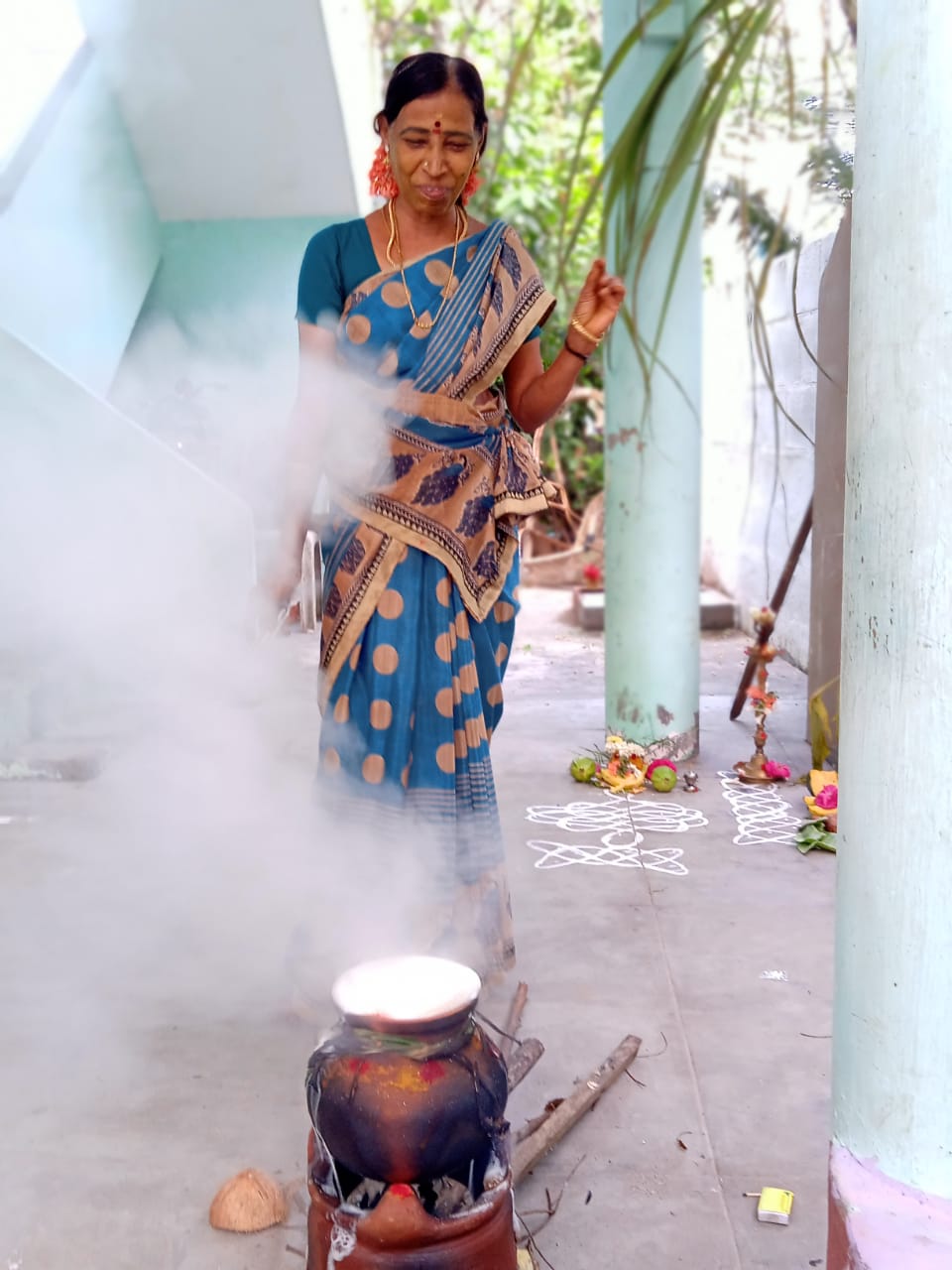 🇮🇳 India and 5 morePongal
Three or four days of boiling rice, garlanded cattle and thanks to the sunSeasonal · Sweets given and shared
🇧🇹 Bhutan and 4 moreLosarལོ་གསར་
The Tibetan Buddhist New Year festival of renewal, offerings, and family feastsSeasonal · Feasts and festival meals
🇮🇳 India and 5 morePongal
Three or four days of boiling rice, garlanded cattle and thanks to the sunSeasonal · Sweets given and shared
🇧🇹 Bhutan and 4 moreLosarལོ་གསར་
The Tibetan Buddhist New Year festival of renewal, offerings, and family feastsSeasonal · Feasts and festival meals
The same idea elsewhere
New Year compared 🇧🇬 Bulgaria and 4 moreKukeriкукери (kukeri)
Masked and belled figures who tour Bulgarian villages at New Year to drive off harmSpiritual
🇧🇬 Bulgaria and 4 moreKukeriкукери (kukeri)
Masked and belled figures who tour Bulgarian villages at New Year to drive off harmSpiritual
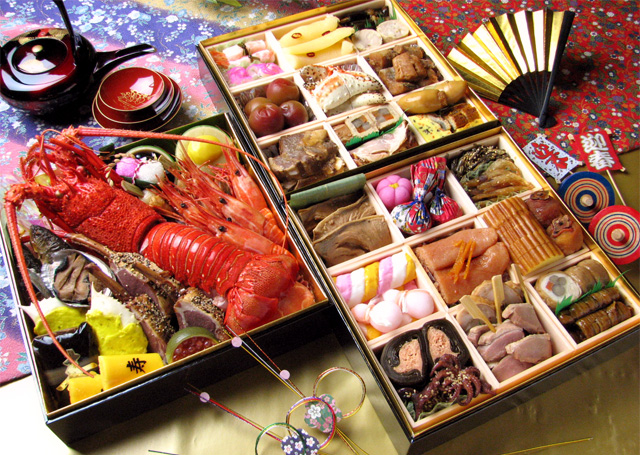 🇯🇵 Tokyo, JapanJapanese New Year正月
An annual celebration of renewal, seasonal foods, and bell ringing across JapanSeasonal · Feasts and festival meals
🇯🇵 Tokyo, JapanJapanese New Year正月
An annual celebration of renewal, seasonal foods, and bell ringing across JapanSeasonal · Feasts and festival meals
 🇹🇭 Bangkok, ThailandSongkranสงกรานต์
The three-day Thai New Year festival marked by water rituals and blessings for eldersFestival
🇹🇭 Bangkok, ThailandSongkranสงกรานต์
The three-day Thai New Year festival marked by water rituals and blessings for eldersFestival
 🇨🇳 Hong Kong, China and 5 moreLunar New Year
New year festivals dated by the moon, kept from East Asia to the Middle EastFestival
🇨🇳 Hong Kong, China and 5 moreLunar New Year
New year festivals dated by the moon, kept from East Asia to the Middle EastFestival