Life-cycle ritesMiddle EastJewish
Zeved habat
In its own language: זֶבֶד הַבָּת
A Jewish naming ceremony for newborn girls, kept by Sephardi, Mizrahi and Ashkenazi communities.

Zeved habat is a ritual to welcome a baby girl into the covenant of Israel. It is most common among Sephardi and Mizrahi Jews, who hold it within the first month after birth. The ceremony features biblical verses and a blessing that announces the child's name.
When is Zeved habat kept?
Zeved habat is kept on within the first month of birth, often on the first Shabbat.
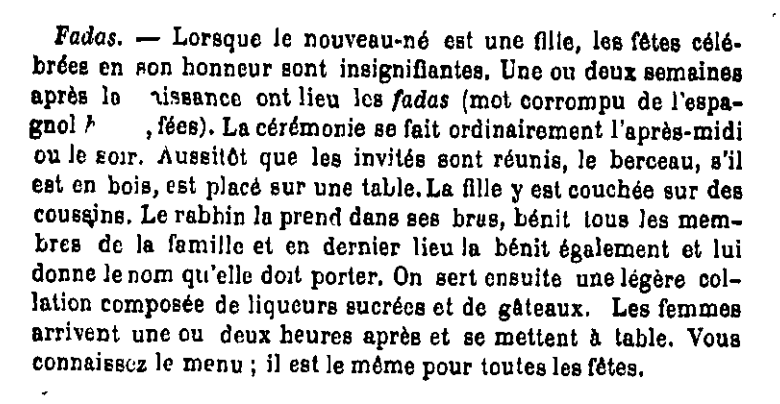
Zeved habat is a Jewish rite of passage that welcomes a newborn daughter. Families gather to recite scripture and bless the child with her new name. This tradition strengthens the bond between the mother, the infant, and the wider community of believers.
Origins and history
The practice appears in medieval texts from Ashkenazi and Sephardi circles. A 1687 prayer book from Portuguese Jews in Amsterdam records the custom. In the mid-twentieth century, American Jews revived interest in welcoming baby girls through traditional or new rituals. Reconstructionist rabbis formulated early ceremonies in the 1970s. Other denominations followed, adapting older forms to meet modern needs.
How the ritual unfolds
The event usually happens in a synagogue during Torah reading or at a home meal. The father receives an aliyah, and the mother may recite the Hagomel thanksgiving blessing. Participants recite verses from Song of Songs. A Mi sheberakh prayer follows, invoking the matriarchs and announcing the baby's name alongside her mother's name. Some communities have the rabbi hold the infant while speaking these words.
Regional variations
Sephardi and Mizrahi groups celebrate privately or in the synagogue, led by a sage or cantor. They may recite Hebrew poems and Psalm 128. Medieval German Jews practiced Hollekreisch, lifting the crib and calling out secular names three times. Ashkenazi communities traditionally named girls during Torah readings. Modern Orthodox families now often adopt Simchat Bat, adding female-focused readings and allowing mothers greater participation.
Modern adaptations
Conservative Judaism offers options like lighting candles or touching a Torah scroll. Reconstructionist rites include Berit Rihitzah, a washing of the feet symbolizing entry into the covenant. These newer forms emphasize female roles and public sharing of lessons. They allow parents to choose specific elements, creating a personalized experience that honors both ancient lineage and contemporary values.
How Zeved habat is kept
Families gather in a synagogue or home. The father reads from the Torah scroll. Verses from Song of Songs are spoken aloud. A Mi sheberakh prayer invokes holy mothers and announces the baby's name. The mother may offer thanks for safe delivery. Guests share sweets or fruits in some traditions. Women participate actively in modern versions.
When and where
Kept within the first month of birth. Many families choose the first Shabbat after the arrival. Some wait until the mother can visit the synagogue safely.
Strongest in Sephardi and Mizrahi communities across Israel, Syria, and India. Also observed in Germany, Poland, Austria, and among Jewish diaspora groups in America and England.
What Zeved habat means
The ritual marks the daughter's entry into the covenant of Israel. It honors the matriarchs and connects the newborn to her spiritual ancestors. The name announcement binds the child to her mother and the community. Water and light symbols in modern rites represent purity and creation.
Questions people ask about Zeved habat
When is Zeved habat kept?
Zeved habat is kept on within the first month of birth, often on the first Shabbat.
What is Zeved habat?
It is a Jewish naming ceremony for newborn girls. Families recite biblical verses and blessings to welcome the infant into the faith community and announce her chosen name.
Who leads the service?
In Sephardi traditions, a rabbinic sage or cantor often leads. In other settings, the father participates by receiving an aliyah, and family members recite prayers together.
Is it only for Sephardi Jews?
No. While rooted in Sephardi and Mizrahi customs, Ashkenazi communities also practice it today. Modern movements like Conservative and Reconstructionist Judaism have created their own versions.
See also
 Postpartum confinementA period of rest, nourishment, and seclusion for mothers after giving birth.NamakaranaA Hindu rite that gives a baby its name, kept in the days after a birth
 Baby showerA gift-giving party for a new or expected baby, kept in many countries
 PhulkariGeometric and floral threadwork embroidered by Punjabi women on handwoven cotton.
Good reading and sources
The facts on this page come from the Wikipedia article "Zeved habat", written by its contributors and used under the CC BY-SA 4.0 licence, and from its Wikidata record (CC0). EveryParampara rewrote the text in its own words, with AI assistance, and compares every page with the article to make sure no passage is copied. It may be reused under the same CC BY-SA 4.0 licence with a link back.
It may contain mistakes. Traditions differ from one family, village and community to the next, and the people who keep them know them best. If something is wrong, tell us. Last refreshed 2026-10-06.
More from Israel
All the traditions of Israel 🇮🇳 India and 5 moreFirst haircut
A rite of passage marking a child's first shave or trim across many cultures and faiths.Rite of passage
🇩🇪 Worms, Germany and 2 moreHollekreisch
An Ashkenazi birth ritual where children name a newborn with a secular name.Rite of passage
🇮🇳 India and 5 moreFirst haircut
A rite of passage marking a child's first shave or trim across many cultures and faiths.Rite of passage
🇩🇪 Worms, Germany and 2 moreHollekreisch
An Ashkenazi birth ritual where children name a newborn with a secular name.Rite of passage
 🇮🇱 Tiberias, Israel and 2 moreYahrzeitיאָרצײַט (yortsayt)
A Jewish death anniversary marked by prayer and a burning candle to honour the departed.Rite of passage
🇮🇱 Tiberias, Israel and 2 moreYahrzeitיאָרצײַט (yortsayt)
A Jewish death anniversary marked by prayer and a burning candle to honour the departed.Rite of passage
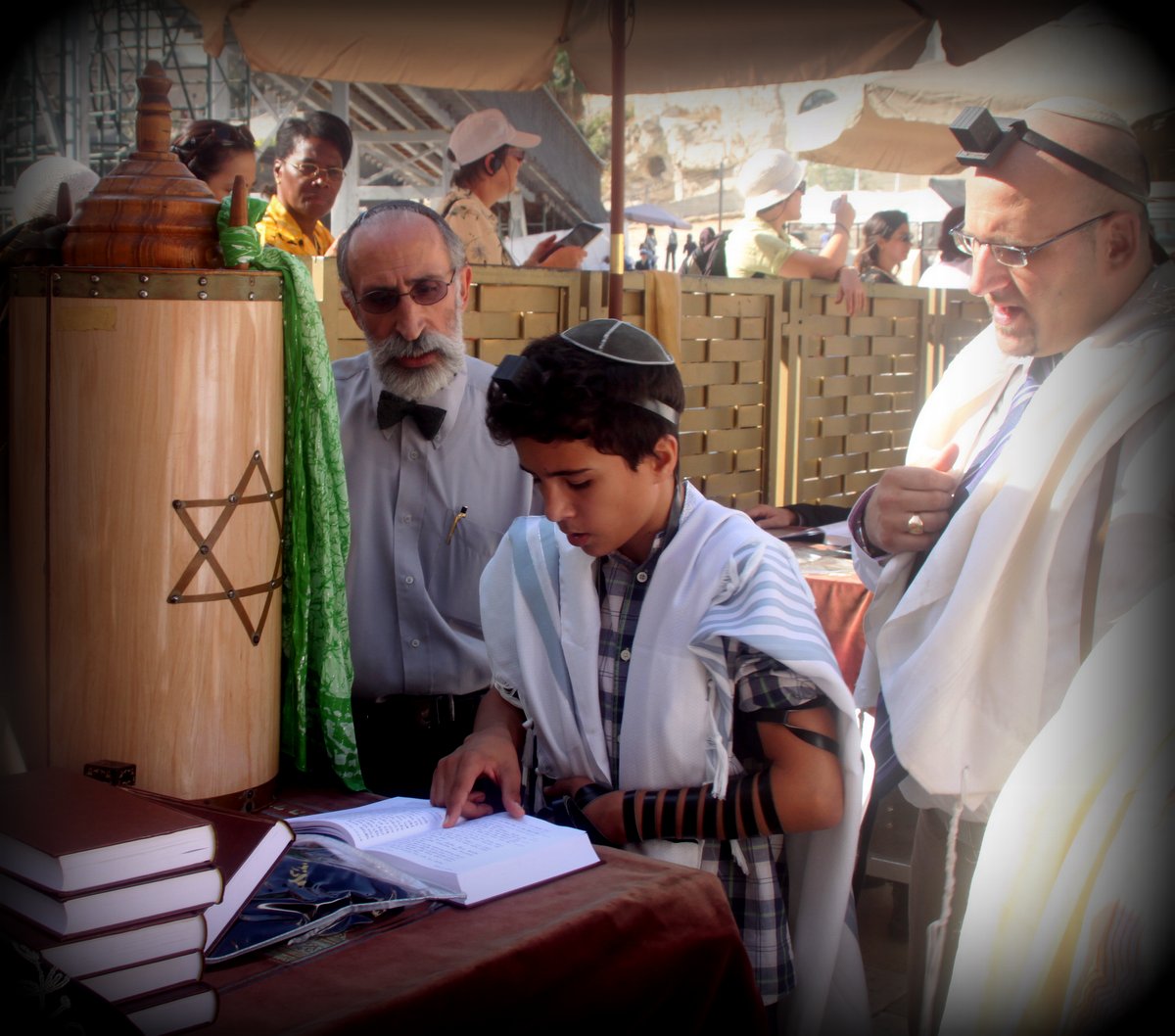 🇮🇱 Jerusalem, Israel and 5 moreBar and bat mitzvahבַּר מִצְוָה / בַּת מִצְוָה
A Jewish rite of passage marking when youth reach adulthood and take responsibility for their own actions.Rite of passage · Feasts and festival meals
🇮🇱 Jerusalem, Israel and 5 moreBar and bat mitzvahבַּר מִצְוָה / בַּת מִצְוָה
A Jewish rite of passage marking when youth reach adulthood and take responsibility for their own actions.Rite of passage · Feasts and festival meals
The same idea elsewhere
Naming ceremonies compared 🇬🇭 Ghana and 3 moreDamba festivalDamba chuɣu
A Ghanaian celebration of royal authority, ancestral memory, music and danceFestival
🇬🇭 Ghana and 3 moreDamba festivalDamba chuɣu
A Ghanaian celebration of royal authority, ancestral memory, music and danceFestival
 🇮🇩 IndonesiaSlametan
A short communal meal on Java where neighbours share food, prayer and a wish for peaceSpiritual · Feasts and festival meals
🇮🇩 IndonesiaSlametan
A short communal meal on Java where neighbours share food, prayer and a wish for peaceSpiritual · Feasts and festival meals
 🇷🇼 RwandaKwita Izina
Rwanda's yearly ceremony naming newborn mountain gorillas, after a baby-naming customRite of passage
🇷🇼 RwandaKwita Izina
Rwanda's yearly ceremony naming newborn mountain gorillas, after a baby-naming customRite of passage