A cup of tea or coffee is more than a drink. It is a greeting, a pause, a business deal and an act of friendship. Some cultures have shaped it into a ceremony of great beauty, such as the Japanese chanoyu, the Ethiopian coffee ceremony, the Chinese gongfu cha and the Moroccan mint tea. Others have a simple habit with firm rules: a chai at the roadside in India, a flat white in New Zealand, an afternoon tea in England, a cup of kahve in Turkey. This page looks at the drinks, the pots, the order of service and the manners, and what they say about the people who keep them.
What it is for
Sharing tea or coffee marks welcome, respect and rest. It gives a reason to sit together and talk, and a structure for the conversation. In the great ceremonies, the drink is also a path to attention and calm, with every gesture considered. For many cultures it is the first thing offered to a guest, and refusing it can be awkward. The drinks have also shaped social life, from the Ottoman coffeehouse to the English tea garden, and the places where people drink are often places where ideas and friendships grow.
Common elements across cultures
Common features are a special vessel, such as a teapot, jebena, dallah, samovar or tea bowl, a set order of pouring, with the eldest or guest of honour served first, and several rounds. The drink is often prepared in front of the guests, and the host pours with care. Sweet things, such as dates, sugar, biscuits or sweets, often go with it. Many cultures have a rule about how many cups to take, how to hold the cup and how to signal that one has had enough.
Food, dress and music
Tea comes with snacks: scones and sandwiches in England, wagashi sweets in Japan, dim sum in China, samosas and biscuits in India, baklava in Turkey. Coffee comes with dates in Arabia, popcorn in Ethiopia and a glass of water in Turkey. Dress for a formal ceremony may be a kimono, a hanbok or a robe. Music is soft: a lute in a Chinese tea house, a quiet kettle in Japan, or conversation and radio in a cafe. In Morocco and Iran, the pouring itself, the sound of liquid and the clink of glasses, is the music.
How it is changing
Coffee shops and bubble tea have created new rituals worldwide, with fast, take-away, personalised cups. At the same time, interest in traditional ceremony has grown, and tea houses, cuppings and classes are popular. Fair trade and origin labels give drinkers a link to the farmers, and many are choosing high-quality loose leaf and single origin coffees. The old courtesy of offering a drink to a guest remains, and in many places the office tea break and the street chai stall are part of daily life.
Tea, coffee and the drinking ceremony around the world
🇯🇵 Japan
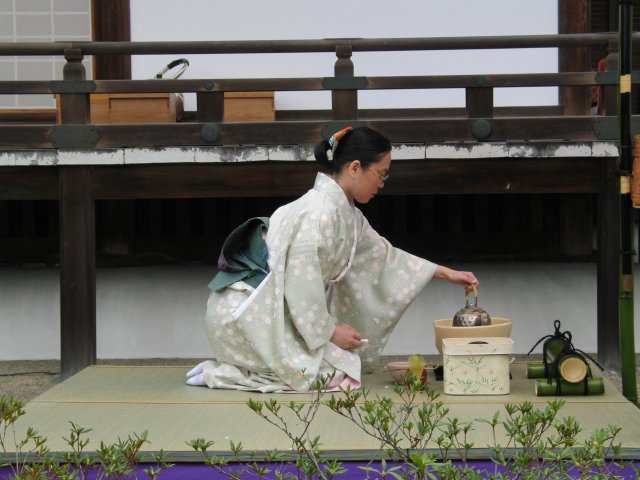
Chanoyu, the way of tea, is a ceremony in which a host whisks powdered matcha and serves it to guests in a quiet tea room, guided by the principles of harmony, respect, purity and tranquillity. A guest bows, admires the bowl, takes the tea in three sips and returns the bowl with thanks.
Read: Japanese tea ceremony🇨🇳 China
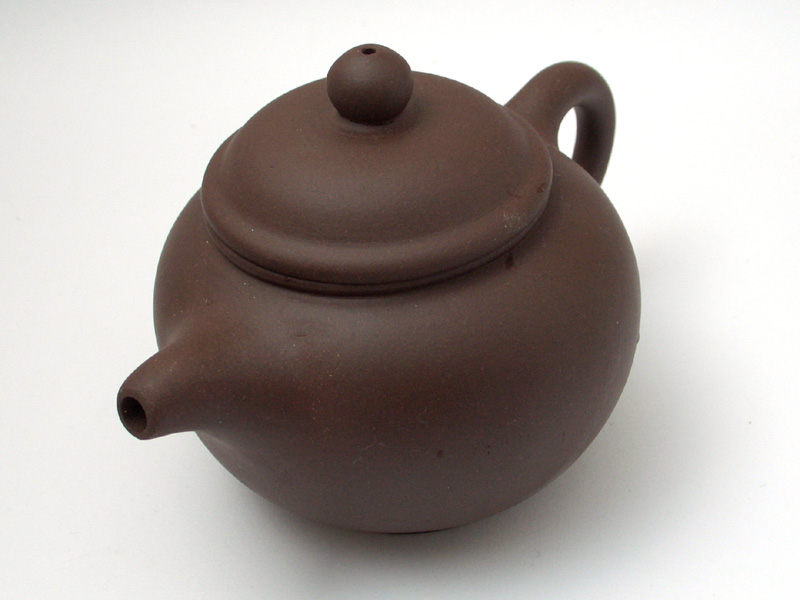
Gongfu cha uses a small Yixing clay teapot and tiny cups, with repeated short infusions and attention to aroma and taste. Offering tea to elders is a sign of respect at weddings.
Read: Gongfu tea🇮🇳 India
Chai, black tea simmered with milk, sugar and spices, is sold by chaiwallahs at every corner and served in clay cups, kulhads. In Assam and Darjeeling, tea estates have their own traditions.
Masala chai, being written🇳🇵 Nepal
Sherpa and Tibetan communities drink butter tea, po cha, made with tea, salt and yak butter, which is offered in a wooden cup at a welcome. Chiya, sweet milk tea, is served everywhere.
Read: Butter tea🇰🇷 Korea
The darye ceremony, with green tea and small cakes, has been revived, and a traditional teahouse serves jujube and citron tea. Barley tea, boricha, is the daily drink.
Read: Korean tea ceremony🇹🇷 Turkey
Tea in tulip-shaped glasses is served at all hours, and Turkish coffee, brewed in a cezve with grounds, is part of the engagement ritual, with the bride-to-be preparing it for the groom's family. The tea is served from a double kettle, and a guest is offered at least a second glass.
Turkish coffee, being writtenCompare all 19 places
Traditions to start with
Also part of it, and being written: Maghrebi mint tea (Moroccan hospitality.), Mate (The shared gourd of South America.).
Questions people ask
What is the difference between a tea ceremony and drinking tea?
A ceremony has a set form, with attention to each action, the utensils and the setting, and its meaning lies in the care. Everyday tea is simpler, but also carries manners of its own.
Why is the guest served first?
Serving the guest or the eldest first shows respect. Pouring order and who holds the pot are important in many cultures.
How many cups should I take?
In Arabia, the host refills until you signal you are done by shaking the cup. In Morocco, three glasses is the custom. In Ethiopia, the three rounds are expected.
Is it rude to refuse a drink?
In many places it can be, so it is best to accept at least a sip. If you cannot, explain politely and thank the host.
Where did tea come from?
Tea was first drunk in China and spread to Japan, Central Asia, Europe and India. Coffee came from Ethiopia and spread through Yemen and the Ottoman Empire.
About this pageWritten by the EveryParampara desk with AI assistance. Customs differ from place to place and family to family. If this is your tradition and we have it wrong, tell us.