Indigenous and traditional traditions
Indigenous and traditional spiritual and cultural practices belong to peoples who have lived on their lands for many generations: the First Nations and Native peoples of the Americas, the Aboriginal and Torres Strait Islander peoples of Australia, the Maori and Pacific Islanders, the Sami, the many peoples of Africa and the hill peoples of Asia.
Indigenous and traditional spiritual and cultural practices belong to peoples who have lived on their lands for many generations: the First Nations and Native peoples of the Americas, the Aboriginal and Torres Strait Islander peoples of Australia, the Maori and Pacific Islanders, the Sami, the many peoples of Africa and the hill peoples of Asia. Their traditions include ceremonies of the land, naming and initiation, healing, story and dance. Some are public and others private. EveryParampara describes only what communities share openly, and credits them as the source.
Land, ancestors and story
For many Indigenous peoples, land is kin, not property, and ceremonies thank the earth, the water and the animals. Ancestors are present, and stories of creation, such as the Dreaming, tell people how to live. Knowledge is passed by elders in language, song and dance. Many of these languages are under threat, and communities are leading efforts to teach them to the young.
Sharing with care
Some ceremonies are open to visitors, such as powwows and the Maori powhiri, and others, such as initiations, are restricted. Visitors are asked to listen, follow instructions, ask before taking photographs and avoid treating sacred things as entertainment. Many nations have protocols on the use of images and symbols. EveryParampara follows these requests and links to community voices and organisations wherever possible.
Written by the EveryParampara desk with AI assistance. Background on Indigenous and traditional (faith). Customs differ from place to place and family to family. If this is your tradition and we have it wrong, tell us.
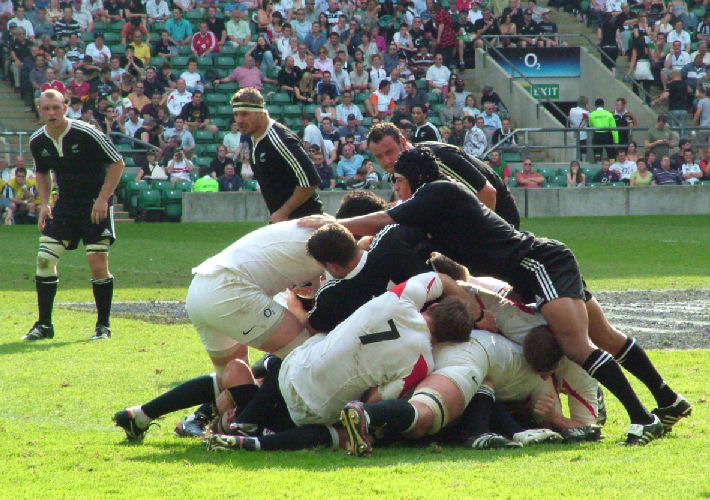 🇳🇿 Auckland, New ZealandWhakapapa
Māori genealogy, recited to place a person among ancestors, land and tribeHome
🇳🇿 Auckland, New ZealandWhakapapa
Māori genealogy, recited to place a person among ancestors, land and tribeHome
 🇳🇿 New Zealand and 2 moreMarae
A cleared, sacred gathering place at the heart of Māori and Polynesian community lifeSpiritual
🇳🇿 New Zealand and 2 moreMarae
A cleared, sacred gathering place at the heart of Māori and Polynesian community lifeSpiritual
 🇦🇺 AustraliaBark painting
Ochre pictures on flattened tree bark, an Aboriginal art form of northern AustraliaCraft
🇦🇺 AustraliaBark painting
Ochre pictures on flattened tree bark, an Aboriginal art form of northern AustraliaCraft
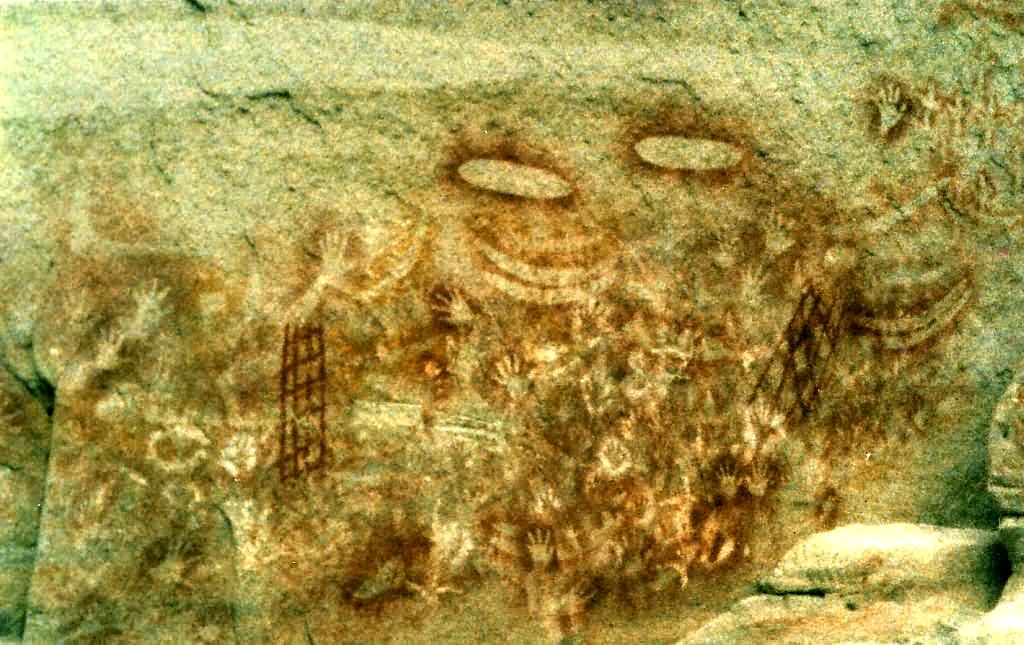 🇦🇺 AustraliaThe Dreaming
A living spiritual worldview and law connecting Aboriginal Australians to ancestors, land, and community.Spiritual
🇦🇺 AustraliaThe Dreaming
A living spiritual worldview and law connecting Aboriginal Australians to ancestors, land, and community.Spiritual
 🇫🇯 FijiTabua
A polished sperm whale tooth traded as a sacred gift in Fijian ceremonies and negotiations.Ceremony
🇫🇯 FijiTabua
A polished sperm whale tooth traded as a sacred gift in Fijian ceremonies and negotiations.Ceremony
 🇼🇸 Samoa and 1 morePeʻa
The traditional Samoan rite of full-body tattooing for men, tapped by master artistsRite of passage
🇼🇸 Samoa and 1 morePeʻa
The traditional Samoan rite of full-body tattooing for men, tapped by master artistsRite of passage
 🇵🇬 Maprik, Papua New GuineaHaus Tambaran
A sacred house of the Sepik peoples, used for ancestor worship and male initiationSpiritual
🇦🇺 Sydney, AustraliaSongline
A navigational and spiritual path across Australia that links ancestral stories to the physical landscape.Folklore
🇳🇿 New ZealandKarakia
Māori incantations and prayers recited for spiritual guidance, safety and ceremonySpiritual
🇵🇬 Maprik, Papua New GuineaHaus Tambaran
A sacred house of the Sepik peoples, used for ancestor worship and male initiationSpiritual
🇦🇺 Sydney, AustraliaSongline
A navigational and spiritual path across Australia that links ancestral stories to the physical landscape.Folklore
🇳🇿 New ZealandKarakia
Māori incantations and prayers recited for spiritual guidance, safety and ceremonySpiritual
 🇳🇿 Auckland, New ZealandWharenui
A Māori carved communal meeting house at the centre of tribal life in New ZealandHome
🇳🇿 Auckland, New ZealandWharenui
A Māori carved communal meeting house at the centre of tribal life in New ZealandHome
 🇹🇻 TuvaluMusic of Tuvalu
Rhythmic storytelling dances and choral singing from the Polynesian atolls of TuvaluPerformance
🇹🇻 TuvaluMusic of Tuvalu
Rhythmic storytelling dances and choral singing from the Polynesian atolls of TuvaluPerformance
 🇦🇺 AustraliaSmoking ceremonyNumbuk Yabbun
An Aboriginal Australian ritual of burning native plants to cleanse, heal and welcomeSpiritual
🇦🇺 Sydney, AustraliaCorroboreegaraabara
A gathering of Australian Aboriginal peoples featuring dance, music and storytellingFestival
🇦🇺 AustraliaSmoking ceremonyNumbuk Yabbun
An Aboriginal Australian ritual of burning native plants to cleanse, heal and welcomeSpiritual
🇦🇺 Sydney, AustraliaCorroboreegaraabara
A gathering of Australian Aboriginal peoples featuring dance, music and storytellingFestival
 🇳🇿 New ZealandMatariki
The Māori New Year marked by the midwinter rising of the Pleiades clusterSeasonal
🇳🇿 New ZealandMatariki
The Māori New Year marked by the midwinter rising of the Pleiades clusterSeasonal
 🇳🇿 Waitangi, New ZealandPōwhiri
A formal Māori welcome onto a marae, with calls, speeches, song and the hongiEtiquette
🇫🇲 Satawal, MicronesiaPwo
An initiation that turns students of Caroline Islands wayfinding into navigatorsRite of passage
🇳🇿 Waitangi, New ZealandPōwhiri
A formal Māori welcome onto a marae, with calls, speeches, song and the hongiEtiquette
🇫🇲 Satawal, MicronesiaPwo
An initiation that turns students of Caroline Islands wayfinding into navigatorsRite of passage
Photo credits on this page
The small pictures above come from Wikimedia Commons under free licences. Some are cropped to fit.
- Whakapapa: Jimmy Pitt, CC BY-SA 3.0, source
- Marae: W. Bulach, CC BY-SA 4.0, source
- Bark painting: Unknown artist, Public domain, source
- Matariki: Robert Gendler, CC BY-SA 4.0, source
- Haus Tambaran: Sylt-Tinto, CC0, source
- Wharenui: Unknown author, Public domain, source
- Music of Tuvalu: Avenue, CC BY-SA 3.0, source
- Smoking ceremony: Shillings1005, CC BY-SA 4.0, source
- The Dreaming: September 1985, Public domain, source
- Tabua: Hannes Grobe /AWI, CC BY 3.0, source
- Peʻa: Thomas Andrew (1855-1939), Public domain, source
- Pōwhiri: Governor General of New Zealand, CC BY 4.0, source