Shinto, Taoist and folk Chinese traditions
Shinto, Taoist and folk Chinese traditions cover the native customs of Japan and China and their neighbours: shrine visits and festivals, ancestor veneration, temple fairs, the Lunar New Year, Qingming, the Hungry Ghost month, the rites of birth and marriage, feng shui and traditional medicine.
Shinto, Taoist and folk Chinese traditions cover the native customs of Japan and China and their neighbours: shrine visits and festivals, ancestor veneration, temple fairs, the Lunar New Year, Qingming, the Hungry Ghost month, the rites of birth and marriage, feng shui and traditional medicine. These are practised alongside Buddhism and Confucian ethics and often without a clear line between them. Many people take part in the customs without thinking of them as a religion. These pages describe them as those who keep them do.
Shrines, gods and spirits
In Shinto, kami, spirits of nature, places and ancestors, are honoured at shrines, with a bow, a clap, a coin and a prayer. Festivals, matsuri, carry the kami in portable shrines through the streets, accompanied by drums and food stalls. In Chinese folk religion, temples to local gods, such as Mazu and Guandi, are the centre of festivals, with incense, offerings and operas performed for the deities.
Ancestors and the year
Households keep an ancestral altar, and the year is marked by Lunar New Year, Qingming tomb sweeping, the Dragon Boat Festival, the Hungry Ghost Festival and the Mid-Autumn Festival. In Japan, hatsumode, setsubun, the Girls' Day and Obon give the year its rhythm. Many of these blend Buddhist, Taoist and Confucian elements, and families keep them as part of being at home.
Written by the EveryParampara desk with AI assistance. Background on Shinto, Taoist and folk Chinese (faith). Customs differ from place to place and family to family. If this is your tradition and we have it wrong, tell us.
 🇨🇳 China and 5 moreMid-Autumn Festival中秋節
An annual harvest festival celebrating family reunions, full moons and mooncakesFestival · Sweets given and shared
🇨🇳 China and 5 moreMid-Autumn Festival中秋節
An annual harvest festival celebrating family reunions, full moons and mooncakesFestival · Sweets given and shared
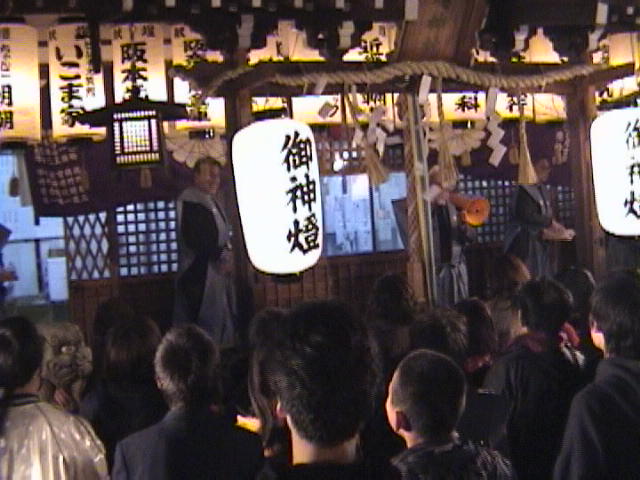 🇯🇵 Tokyo, JapanSetsubun節分
A Japanese ritual of throwing roasted soybeans to banish evil spirits and welcome spring.Festival · Feasts and festival meals
🇯🇵 Tokyo, JapanSetsubun節分
A Japanese ritual of throwing roasted soybeans to banish evil spirits and welcome spring.Festival · Feasts and festival meals
 🇨🇳 China and 5 moreDouble Ninth Festival重陽節
An autumn festival of mountain walks, chrysanthemum wine and ancestor remembranceSeasonal · Tea-time and snacking customs
🇨🇳 China and 5 moreDouble Ninth Festival重陽節
An autumn festival of mountain walks, chrysanthemum wine and ancestor remembranceSeasonal · Tea-time and snacking customs
 🇨🇳 China and 5 moreChinese New Year's Evechúxī
A reunion day for ethnic Chinese families before the Lunar New Year, marked by feasts, rituals, and staying up late.Festival · Dinner
🇨🇳 Beijing, ChinaLaba Festival臘八節
A winter porridge festival marking the start of the Chinese New Year seasonFestival · Feasts and festival meals
🇨🇳 China and 5 moreChinese New Year's Evechúxī
A reunion day for ethnic Chinese families before the Lunar New Year, marked by feasts, rituals, and staying up late.Festival · Dinner
🇨🇳 Beijing, ChinaLaba Festival臘八節
A winter porridge festival marking the start of the Chinese New Year seasonFestival · Feasts and festival meals
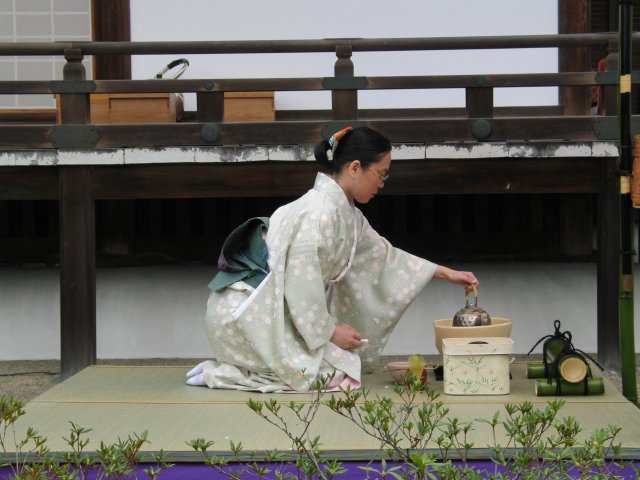 🇯🇵 Kyoto, JapanJapanese tea ceremony茶道 (Sadō / Chadō), 茶の湯 (Chanoyu)
The formal serving of powdered matcha, shaped by Zen, Shinto and wabiTable custom · Tea, coffee and drinking ceremonies
🇯🇵 Kyoto, JapanJapanese tea ceremony茶道 (Sadō / Chadō), 茶の湯 (Chanoyu)
The formal serving of powdered matcha, shaped by Zen, Shinto and wabiTable custom · Tea, coffee and drinking ceremonies
 🇨🇳 Suzhou, China and 3 moreDongzhi冬至
A midwinter festival celebrating the return of light with family feasts and dumplingsSeasonal · Dinner
🇨🇳 Suzhou, China and 3 moreDongzhi冬至
A midwinter festival celebrating the return of light with family feasts and dumplingsSeasonal · Dinner
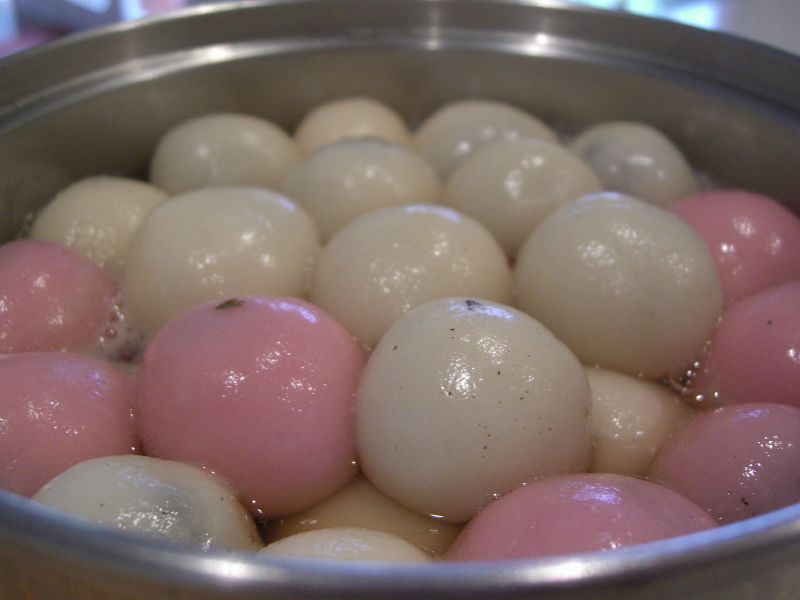 🇨🇳 Suzhou, China and 4 moreDongzhi Festival冬至
A winter solstice festival of family reunions, ancestor rites and sweet rice ballsSeasonal · Dinner
🇨🇳 Suzhou, China and 4 moreDongzhi Festival冬至
A winter solstice festival of family reunions, ancestor rites and sweet rice ballsSeasonal · Dinner
 🇨🇳 China and 1 moreDajiao打醮
An annual Taoist ritual and festival seeking peace and safety for the communitySpiritual · Feasts and festival meals
🇨🇳 China and 1 moreDajiao打醮
An annual Taoist ritual and festival seeking peace and safety for the communitySpiritual · Feasts and festival meals
Photo credits on this page
The small pictures above come from Wikimedia Commons under free licences. Some are cropped to fit.
- Dongzhi Festival: Alpha, CC BY-SA 2.0, source
- Double Ninth Festival: Sgerbic, CC BY-SA 4.0, source
- Mid-Autumn Festival: Shizhao, CC BY-SA 2.5, source
- Chinese New Year's Eve: Mickey Đại Phát, CC BY-SA 4.0, source
- Setsubun: Unknown author, CC BY-SA 3.0, source
- Dongzhi: N509FZ, CC BY-SA 4.0, source
- Japanese tea ceremony: Photograph taken by Stephane D'Alu ( en:User:Sdalu ) in April 2004, CC BY-SA 3.0, source
- Dajiao: 29cm, CC BY-SA 2.0, source