Seasons, harvest and the calendarEast AsiaShinto, Taoist and folk Chinese
Dongzhi
In its own language: 冬至
A midwinter festival celebrating the return of light with family feasts and dumplings

Dongzhi is a traditional winter solstice festival celebrated across China, Taiwan, Korea, and Japan. Families gather on the longest night of the year to honour ancestors, share warming bowls of tangyuan dumplings, and welcome the return of longer daylight hours.
When is Dongzhi in 2026?
Dongzhi 2026 is on Tuesday, 22 December 2026. Other years: 2027, Wednesday, 22 December 2027; 2028, Thursday, 21 December 2028.
Dongzhi is a traditional festival that marks the winter solstice across East Asia. Celebrated on the shortest day and longest night of the year, it signals the gradual return of daylight and warming energy. Families come together to share round dumplings, pay respect to their ancestors, and eat nourishing meals that protect against the winter chill.
Origins and meaning
Traced back to early Chinese cosmology, Dongzhi reflects the balance of yin and yang. After the solstice, daylight expands, bringing an increase in positive yang energy. The celebration began during the Zhou dynasty and became an official holiday under the Han dynasty, when people paused work to worship heaven and honor their ancestors. Ancient observers called it the festival of extreme length because the sun casts its longest shadows. Traditional belief also holds that the Kitchen God ascends to report on households to the Jade Emperor around this time.
Family gatherings and foods
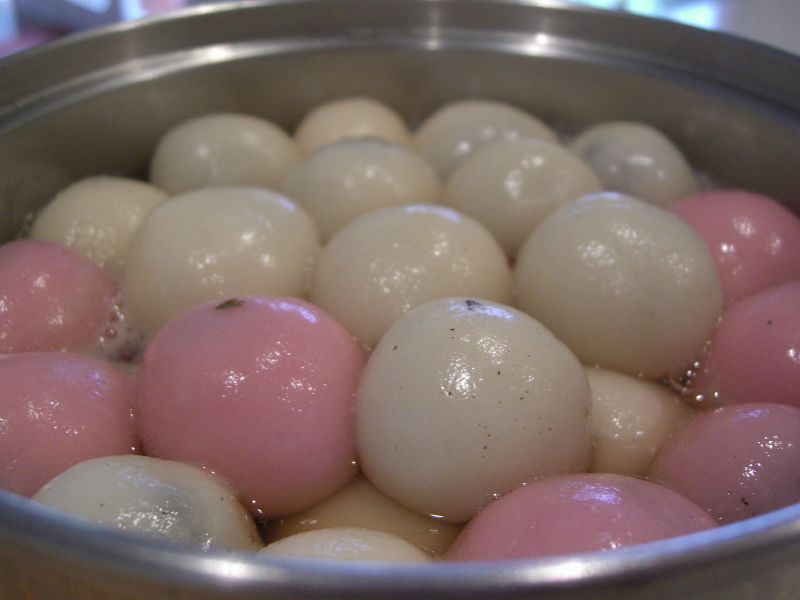
Gathering for shared meals is central to Dongzhi. Families prepare tangyuan, small round balls made from glutinous rice flour that represent reunion and harmony. Served in sweet or savory broth, these dumplings are eaten together and sometimes pressed against doors and windows as protective talismans for children. In northern China, people eat crescent-shaped dumplings, a tradition traced to the ancient physician Zhang Zhongjing, who distributed lamb-filled pastries in broth to cure frostbitten ears. A popular belief says completing the festival adds a year to one's age.
Regional customs
Observances vary across regions. In Taiwan, households steam layered rice cakes shaped like animals to sacrifice to ancestors and eat warming tonic pots made with ginger duck or mutton. In Hong Kong, workplaces often finish early so staff can reunite with relatives, while in Suzhou, people burn dawn incense. In Korea, where the day is known as Small Seol, families prepare red bean porridge with rice balls to keep away bad spirits. In Japan, some mark the term by drinking hot grapefruit water and eating pumpkin.
How Dongzhi is kept
On the day of the solstice, families assemble at home or visit ancestral temples to offer food and burn joss paper for their forebears. Members roll glutinous rice into round tangyuan or shape wheat dumplings. Meals are eaten together, with each person receiving a portion of dumplings in broth. Some place cooked rice balls onto household doors or furniture for spiritual protection. In many places, the evening ends with hearty tonic dishes or hot pots to nourish the body for the cold weeks ahead.
When and where
Dongzhi takes place during the 22nd solar term of the traditional calendar, marking the winter solstice. In the solar Gregorian calendar, it falls each year between 21 and 23 December, coinciding with the day of the year that has the fewest daylight hours.
The festival is celebrated across China and Taiwan, as well as in Korea, Japan, and overseas Asian diaspora communities. Regional traditions remain active in cities like Hong Kong and Suzhou, where daily routines shift to allow time for family dinners.
What Dongzhi means
Dongzhi represents the turning point of the seasons and the victory of light over darkness. As the longest night passes, positive yang energy begins to rise again, bringing harmony and balance. The round shape of tangyuan symbolizes family wholeness and reunion, while sharing nourishing foods signifies care, health, and starting the new seasonal cycle with renewed vitality.
On the table
Flavours: Ginger

Days Dongzhi is marked
Dongzhi dates: 2026, 2027, 2028
| Year | Dongzhi date |
|---|---|
| 2026 | Tuesday, 22 December 2026 |
| 2027 | Wednesday, 22 December 2027 |
| 2028 | Thursday, 21 December 2028 |
Questions people ask about Dongzhi
When is Dongzhi in 2026?
Dongzhi 2026 is on Tuesday, 22 December 2026. Other years: 2027, Wednesday, 22 December 2027; 2028, Thursday, 21 December 2028.
What is Dongzhi?
Dongzhi is an East Asian festival celebrating the winter solstice. It marks the shortest day of the year and the return of longer daylight hours, celebrated with family reunions, ancestor worship, and special dishes.
Why do people eat tangyuan on Dongzhi?
Tangyuan are round balls made from glutinous rice flour. Their spherical shape and name symbolize family unity and reunion. Eating them also traditionally marks that a person has grown one year older.
How is Dongzhi celebrated outside mainland China?
In Taiwan, people prepare animal-shaped cakes for ancestral rites and eat tonic hot pots. In Korea, families share red bean porridge to dispel bad ghosts, while in Japan, customs include eating pumpkin and drinking hot grapefruit water.
See also
 Double Ninth FestivalAn autumn festival of mountain walks, chrysanthemum wine and ancestor remembrance
 HalloweenAn annual observance on 31 October marking the eve of All Saints' Day, rooted in Christian tradition and Celtic heritage
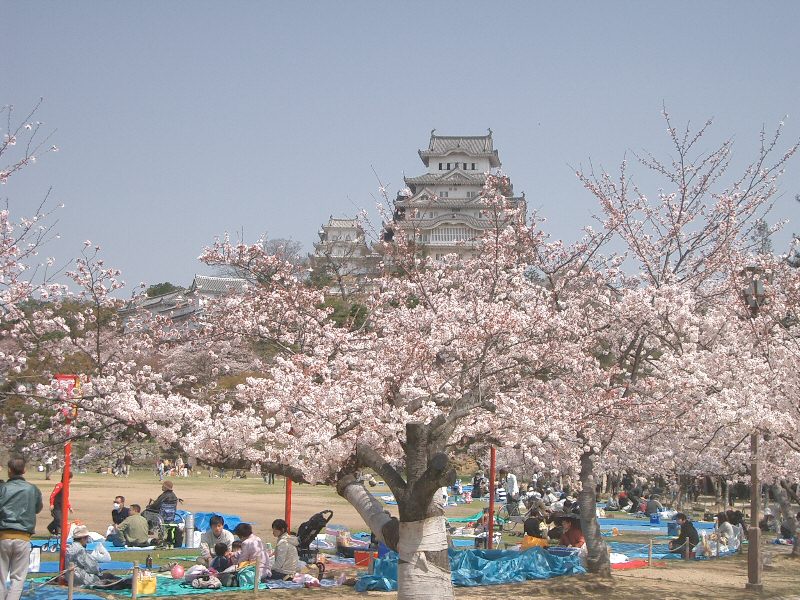 HanamiA Japanese spring custom of gathering under blooming cherry trees to eat, drink, and celebrate the fleeting beauty of th
 Qingming FestivalA spring custom of sweeping family graves and honouring ancestors across East Asia.
Good reading and sources
- A Chinese sweet that’s a homophone for reunionBBC, Article
- A Chinese sweet that’s a homophone for reunionBBC, Article
- Dongzhi on WikipediaEncyclopedia
- More photos on Wikimedia CommonsPhotos and video
- Wikidata recordOpen data
The facts on this page come from the Wikipedia article "Dongzhi", written by its contributors and used under the CC BY-SA 4.0 licence, and from its Wikidata record (CC0). EveryParampara rewrote the text in its own words, with AI assistance, and compares every page with the article to make sure no passage is copied. It may be reused under the same CC BY-SA 4.0 licence with a link back.
It may contain mistakes. Traditions differ from one family, village and community to the next, and the people who keep them know them best. If something is wrong, tell us. Last refreshed 2026-10-04.
More from China
All the traditions of China
🇨🇳 China and 5 moreDouble Ninth Festival重陽節
An autumn festival of mountain walks, chrysanthemum wine and ancestor remembranceSeasonal · Tea-time and snacking customs
 🇮🇷 Iran and 5 moreWinter solstice
The shortest day and longest night of the year, marked with fire, feasting and poetrySeasonal
🇨🇳 Suzhou, China and 4 moreDongzhi Festival冬至
A winter solstice festival of family reunions, ancestor rites and sweet rice ballsSeasonal · Dinner
🇮🇷 Iran and 5 moreWinter solstice
The shortest day and longest night of the year, marked with fire, feasting and poetrySeasonal
🇨🇳 Suzhou, China and 4 moreDongzhi Festival冬至
A winter solstice festival of family reunions, ancestor rites and sweet rice ballsSeasonal · Dinner
 🇲🇳 Mongolia and 2 moreTsagaan SarЦагаан сар
The Mongolian Lunar New Year festival of peace, elders, white foods and renewalSeasonal · Feasts and festival meals
🇲🇳 Mongolia and 2 moreTsagaan SarЦагаан сар
The Mongolian Lunar New Year festival of peace, elders, white foods and renewalSeasonal · Feasts and festival meals
The same idea elsewhere
Midwinter and the longest night compared 🇵🇪 Cusco, Peru and 4 moreIntiinti (Quechua)
The Inca sun deity, honoured with temples, offerings and the June festival Inti RaymiSpiritual
🇵🇪 Cusco, Peru and 4 moreIntiinti (Quechua)
The Inca sun deity, honoured with temples, offerings and the June festival Inti RaymiSpiritual
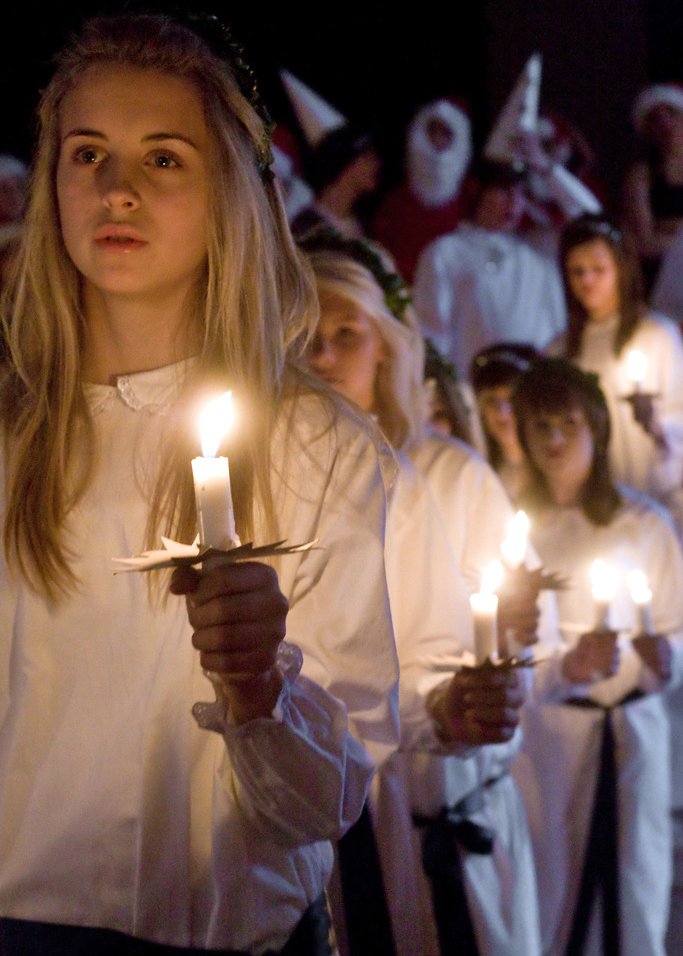 🇸🇪 Stockholm, Sweden and 4 moreSaint Lucy's Day
A December festival of light and song held across Scandinavia and Italy to honour a Christian martyr.Festival · Breakfast
🇸🇪 Stockholm, Sweden and 4 moreSaint Lucy's Day
A December festival of light and song held across Scandinavia and Italy to honour a Christian martyr.Festival · Breakfast
 🇳🇿 New ZealandMatariki
The Māori New Year marked by the midwinter rising of the Pleiades clusterSeasonal
🇳🇿 New ZealandMatariki
The Māori New Year marked by the midwinter rising of the Pleiades clusterSeasonal
 🇬🇪 Tbilisi, GeorgiaChichilakiჩიჩილაკი
A shaved hazelnut branch crafted as a Georgian Christmas tree and burned at EpiphanyFestival
🇬🇪 Tbilisi, GeorgiaChichilakiჩიჩილაკი
A shaved hazelnut branch crafted as a Georgian Christmas tree and burned at EpiphanyFestival