Dress and adornmentSoutheast Asia
Áo tứ thân
A four-piece dress of tunic, skirt, bodice and sash, worn by women in northern Vietnam

The áo tứ thân is a traditional Vietnamese dress, a four-piece outfit of outer tunic, long skirt, under-bodice and waist sash. Women in northern Vietnam wore it widely centuries before the áo dài, and it is kept today at festivals and formal occasions, especially in the north.
When is Áo tứ thân kept?
Áo tứ thân is kept on worn at festivals, weddings and other formal occasions, mainly in northern Vietnam.
The áo tứ thân is a traditional Vietnamese dress, a four-piece outfit of tunic, skirt, bodice and sash. It was worn widely by women in northern Vietnam long before the áo dài, and it began as the everyday dress of peasant women. Today it is rarely worn day to day, but it returns at festivals and formal occasions in the north.
What it is
The name means four-piece shirt. Four parts make up the basic dress, whatever form it takes. Over everything goes a flowing outer tunic that reaches almost to the floor. It opens at the front like a jacket, and at the waist it divides into flaps: two at the back, sewn together into one, and two at the front that are left loose, dangling or tied. Beneath the tunic sits a long skirt. Under the skirt is the yếm, an old kind of bodice worn as an undergarment. A silk sash, tied at the waist, acts as a belt.
Origins and history
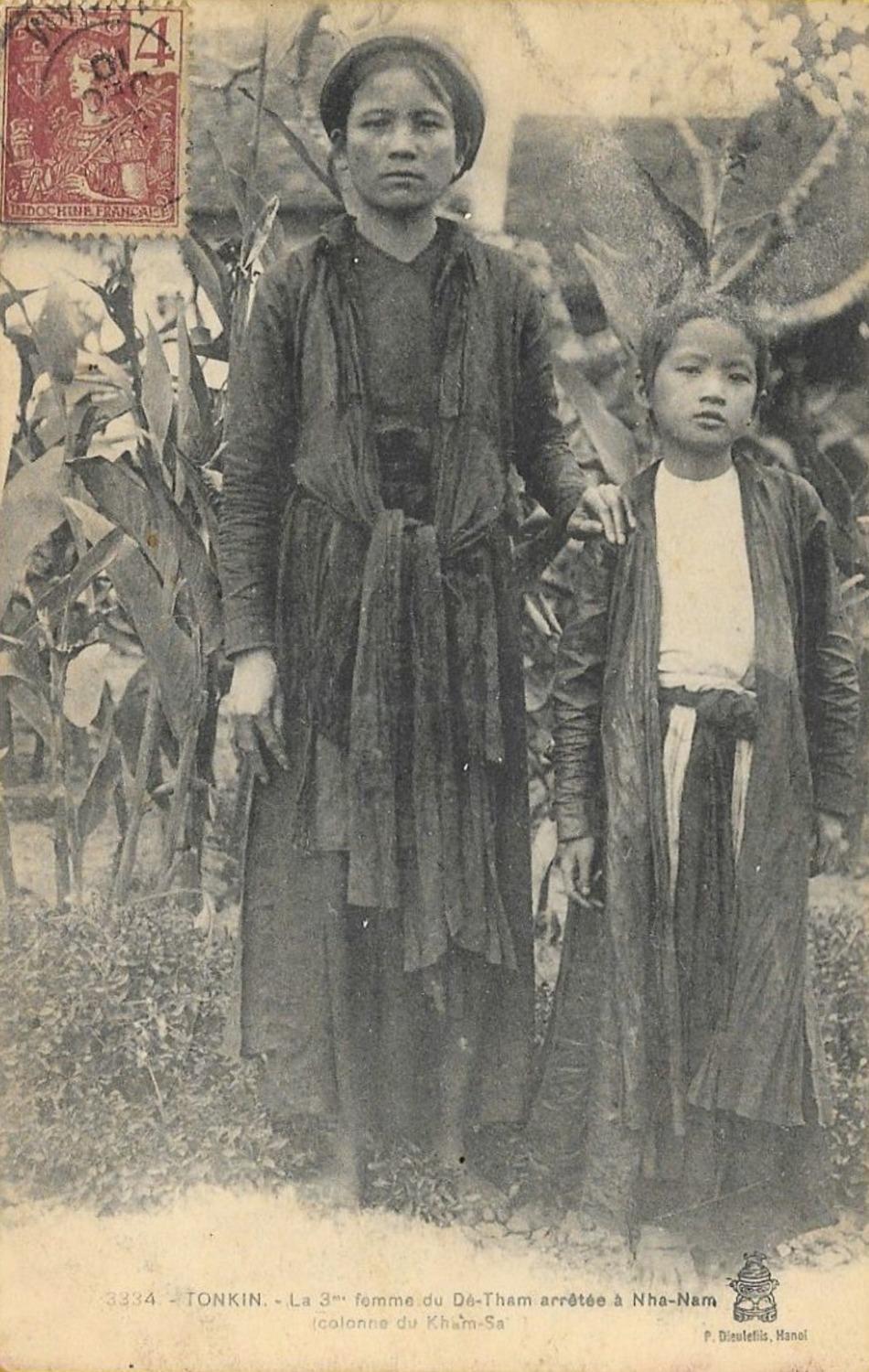
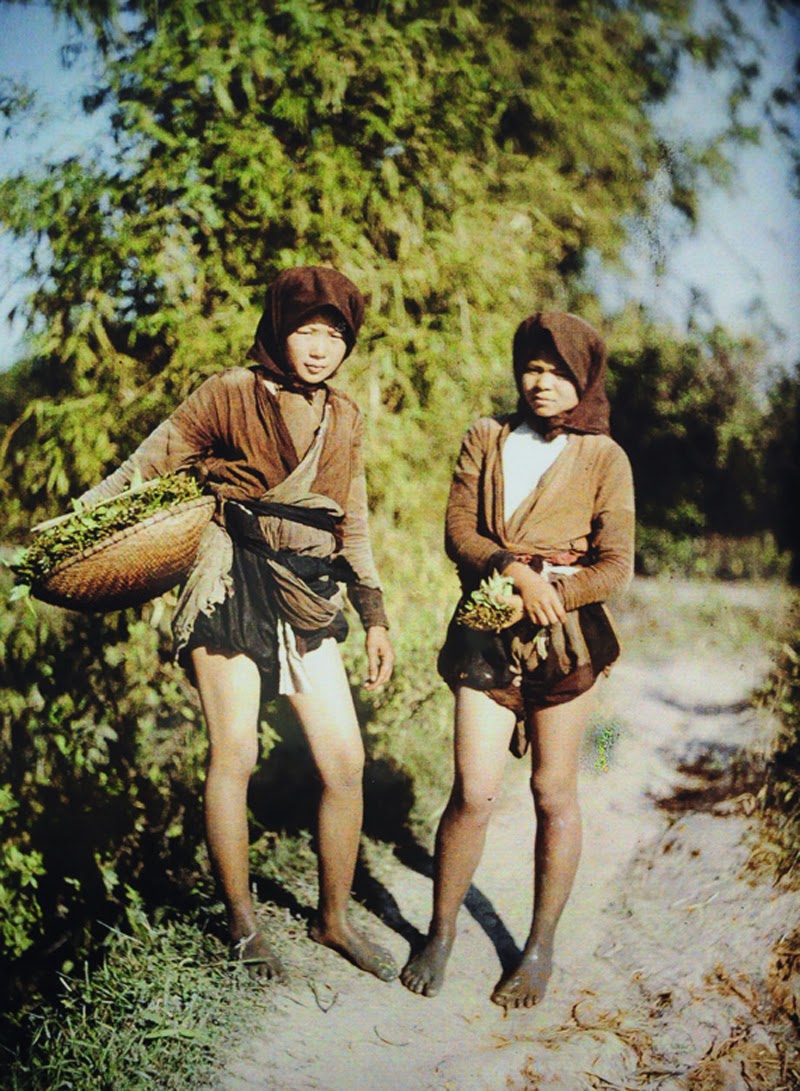
Women wore the áo tứ thân widely centuries before the áo dài appeared. It belonged to peasant women, which is why so much of it was sewn from plain cloth in dark colours. As Vietnam pushed southward in the movement known as Nam tiến, the dress came to be linked with women of the north in particular. It is related to two other Vietnamese garments, the áo ngũ thân, or five-piece shirt, and the áo đối khâm, a robe with parallel flaps.
Cloth and colour
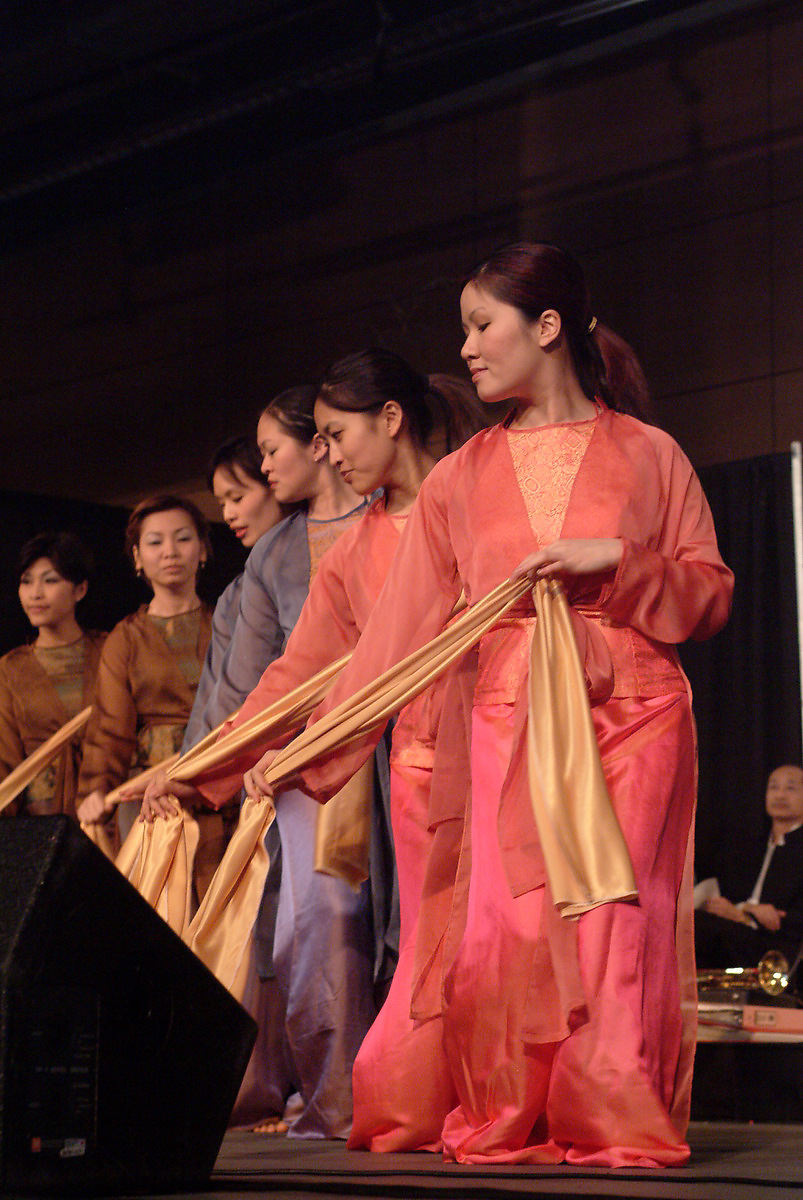
Because this was peasant dress, everyday versions used plain fabric in dark shades. Brighter cloth was kept for special occasions such as festivals and weddings. Colour mattered less than function for daily wear, and more for celebration. In modern Vietnam, the áo tứ thân worn for northern festivals is extremely colourful, with different hues running through the whole outfit, from the outer tunic to the bodice and the skirt. That shift from plain working cloth to festival colour is one of the clearest changes the dress has seen.
Worn today
Daily use has ended. The áo tứ thân is now obsolete as ordinary dress. It still appears often on traditional occasions, above all at festivals in northern Vietnam. Some ethnic minority communities wear it as formal dress, among them the Tày, the Sán Chay and some Thổ people. In the south, people choose a different outfit for everyday life: the áo bà ba, a simpler two-piece ensemble in silk.
How Áo tứ thân is kept
The áo tứ thân is worn in layers: the yếm first against the body, then the long skirt, then the outer tunic over both, with the silk sash tied at the waist. Women of northern Vietnam wear it now mainly at festivals and formal occasions, where the colourful versions appear. Some ethnic minority communities, among them the Tày, the Sán Chay and some Thổ people, still use it as formal dress. In southern Vietnam the two-piece silk áo bà ba serves for everyday wear.
When and where
It is no longer everyday dress. The sources describe it as worn now at festivals and other traditional occasions, and at formal events such as weddings. They do not tie it to one date, season or calendar day.
Northern Vietnam is its home, and the sources link it there most strongly, especially at festivals held in the north. It is also worn as formal dress by some ethnic minority communities in the country. In southern Vietnam, by contrast, the simpler two-piece silk áo bà ba is the everyday choice.
What Áo tứ thân means
The dress holds the memory of ordinary northern women. It was peasant clothing, made in plain dark cloth for working days and brighter cloth for festivals and weddings. Wearing it now marks both an occasion and a region, since the sources tie it to northern Vietnam and its festivals. It also stands as an older layer of Vietnamese dress, one that women wore long before the áo dài.
Questions people ask about Áo tứ thân
When is Áo tứ thân kept?
Áo tứ thân is kept on worn at festivals, weddings and other formal occasions, mainly in northern Vietnam.
What is the áo tứ thân?
It is a traditional Vietnamese dress named for its four pieces: a flowing outer tunic, a long skirt, a bodice called the yếm worn underneath, and a silk sash at the waist. Women in northern Vietnam wore it widely centuries before the áo dài.
How does it relate to the áo dài?
The áo tứ thân came first, worn by women centuries before the áo dài. It is also related to the áo ngũ thân, a five-piece shirt, and the áo đối khâm. In southern Vietnam the everyday silk outfit is instead the two-piece áo bà ba.
What is the yếm?
The yếm is an old kind of bodice worn as an undergarment by women. It is made in many fabrics and colours, and it sits beneath the skirt and the outer tunic, so most of it stays hidden apart from what shows at the neck.
Why do the colours differ?
Everyday versions used plain fabric in dark colours, because the dress belonged to peasant women. Brighter cloth was used for special occasions such as festivals and weddings. Festival versions worn today in northern Vietnam are extremely colourful throughout.
See also
 Nón láA pointed leaf and bamboo hat worn across Vietnam for shelter, work and celebration
 Lion danceA dynamic ritual dance featuring costumed lions, drums and martial acrobatics
 BarkclothCloth beaten from tree bark across Africa, Asia and the Pacific
 Qixi FestivalA Chinese night of romance, needlecraft wishes and stargazing for two mythic lovers
Good reading and sources
- Áo tứ thân on WikipediaEncyclopedia
- More photos on Wikimedia CommonsPhotos and video
- Wikidata recordOpen data
The facts on this page come from the Wikipedia article "Áo tứ thân", written by its contributors and used under the CC BY-SA 4.0 licence, and from its Wikidata record (CC0). EveryParampara rewrote the text in its own words, with AI assistance, and compares every page with the article to make sure no passage is copied. It may be reused under the same CC BY-SA 4.0 licence with a link back.
It may contain mistakes. Traditions differ from one family, village and community to the next, and the people who keep them know them best. If something is wrong, tell us. Last refreshed 2026-10-14.
More from Vietnam
All the traditions of Vietnam
🇻🇳 Huế, VietnamNón lá𥶄蘿
A pointed leaf and bamboo hat worn across Vietnam for shelter, work and celebrationDress
 🇻🇳 VietnamÁo gấm
A brocade tunic worn by Vietnamese men at ceremonies and festivalsDress
🇻🇳 VietnamÁo gấm
A brocade tunic worn by Vietnamese men at ceremonies and festivalsDress
 🇨🇳 China and 2 moreDiyi翟衣 (Díyī)
A formal ceremonial robe worn by empresses and royal women in China, Korea, and Vietnam.Dress
🇨🇳 China and 2 moreDiyi翟衣 (Díyī)
A formal ceremonial robe worn by empresses and royal women in China, Korea, and Vietnam.Dress
 🇨🇳 China and 3 moreMianfu冕服
The most formal dress of China's emperors, worn at coronations and court ritesDress
🇨🇳 China and 3 moreMianfu冕服
The most formal dress of China's emperors, worn at coronations and court ritesDress
The same idea elsewhere
Weddings compared 🇫🇯 FijiTabua
A polished sperm whale tooth traded as a sacred gift in Fijian ceremonies and negotiations.Ceremony
🇫🇯 FijiTabua
A polished sperm whale tooth traded as a sacred gift in Fijian ceremonies and negotiations.Ceremony
 🇮🇳 IndiaWarli painting
Sacred white rice paste murals made on red clay walls in western IndiaCraft
🇮🇳 IndiaWarli painting
Sacred white rice paste murals made on red clay walls in western IndiaCraft
 🇼🇸 Samoa and 1 moreʻIe tōga
Precious woven mats exchanged in Samoan ceremonies to honor family ties and chiefly status.Dress
🇺🇬 UgandaKwanjula
A formal marriage introduction ritual of the Baganda people in Uganda, where families meet to exchange gifts and seek blRite of passage
🇼🇸 Samoa and 1 moreʻIe tōga
Precious woven mats exchanged in Samoan ceremonies to honor family ties and chiefly status.Dress
🇺🇬 UgandaKwanjula
A formal marriage introduction ritual of the Baganda people in Uganda, where families meet to exchange gifts and seek blRite of passage