Seasons, harvest and the calendarEast AsiaIndigenous and traditional
Flying Fish Festival
In its own language: 飛魚祭
A months-long seasonal fishing observance kept by the Tao people of Orchid Island
The Flying Fish Festival is an annual fishing tradition held by the indigenous Tao community on Orchid Island off southeastern Taiwan. Starting around February or March and running until October, the period centers on boat blessings, night catches, and sacred community customs.
When is Flying Fish Festival kept?
Flying Fish Festival is kept on annually from around February or March until October.
The Flying Fish Festival is a seasonal tradition observed by the indigenous Tao people of Orchid Island, located off southeastern Taiwan. Running across much of the year, it marks the arrival of ocean shoals carried by the Kuroshio Current. The community honors the fish as divine gifts, observing careful codes of conduct, offering prayers for bountiful catches, and holding ceremonies to bless sea vessels.
The seasonal cycle
The yearly calendar follows three distinct phases with names rooted in the Ivatan language. The first phase, Rayon, marks the active flying fish season. It is followed by Teyteyka, which brings the fishing cycle to a close during the summer or autumn months. The final period, Amiyan, covers the remainder of the year when no flying fish visit the surrounding waters. Migratory shoals travel past Orchid Island between January and June. Village elders establish the exact starting dates for their respective tribes rather than following a lunar calendar.
Rituals and night fishing
Observances commence when the sosowon variety of flying fish nears the coast. Fishermen launch boats at night, utilizing lights to attract the schools over the water. Later in the spring, a second species known as papatawan arrives. Throughout these months, community life revolves around dedicated ceremonies. Villagers gather to bless their watercraft, offer prayers for a plentiful harvest, and hold opening night rites for the first catch. These practices reflect the Tao belief that the fish represent sacred sustenance bestowed upon them.
Customs and preparation rules
Strict social norms govern behavior and speech during the festival. Tao fishermen eat the raw eyes of a fish immediately upon catching it to prevent the school from escaping. When preparing meals, cooks must keep each fish whole without cutting away the tail or pectoral fins. Catches also require formal ceremonies of gratitude before anyone may eat them. Inverted drying of fish renders it permanently inedible under local rules. Catch sharing occurs strictly within one's own tribe, with dried fish often eaten alongside taro and sweet potatoes.
How Flying Fish Festival is kept
Tribal elders establish the opening dates for each village. Fishermen conduct ceremonies to bless their watercraft and ask for abundant catches before launching nighttime expeditions that use light to lure incoming shoals. Rites of thanksgiving take place after every catch, during which fishermen consume raw fish eyes. Back on land, catches are kept whole for cooking or dried upright for later meals. Throughout the season, villagers watch their words and conduct, exchanging their catch solely with fellow tribe members while observing ancestral dietary taboos.
When and where
The observance begins around February or March when migratory shoals appear, continuing through October. Rather than following a lunar calendar, senior members in each village decide their own specific start dates.
The tradition is kept on Orchid Island, situated off the southeastern coast of Taiwan in Taitung County, where the indigenous Tao community lives.
What Flying Fish Festival means
For the Tao community, the flying fish are sacred gifts from the divine world. The rituals and behavioural restrictions reinforce social unity, ancestral legends, and careful stewardship of the marine environment, ensuring balance between human needs and ocean life.
On the table
- Flying fish
- Dried fish
- Taro
- Sweet potatoes
Questions people ask about Flying Fish Festival
When is Flying Fish Festival kept?
Flying Fish Festival is kept on annually from around February or March until October.
What is the Flying Fish Festival?
It is an annual cycle of rituals and fishing practices observed by the Tao people on Orchid Island, celebrating the seasonal arrival of migratory flying fish.
Where and when is the festival held?
The festival takes place on Orchid Island off the southeastern coast of Taiwan. It starts around February or March and concludes in October, with start dates set by village elders.
What rules must people follow during the festival?
Villagers must mind their speech and actions, cook fish whole without removing fins, perform gratitude rituals before eating, and only share catches within their own tribal community.
Do the festival taboos apply to visitors?
No. Traditional food restrictions and ritual taboos apply specifically to members of the Tao community. Outside visitors are exempt from these requirements and can eat local fish freely.
See also
 Mid-Autumn FestivalAn annual harvest festival celebrating family reunions, full moons and mooncakes
 LosarThe Tibetan Buddhist New Year festival of renewal, offerings, and family feasts
 UgadiA South Indian New Year feast celebrating life with sweet, sour, and bitter tastes
 MehreganAn Iranian autumn festival honoring Mithra, friendship, and the harvest
Good reading and sources
The facts on this page come from the Wikipedia article "Flying fish festival (Taiwan)", written by its contributors and used under the CC BY-SA 4.0 licence, and from its Wikidata record (CC0). EveryParampara rewrote the text in its own words, with AI assistance, and compares every page with the article to make sure no passage is copied. It may be reused under the same CC BY-SA 4.0 licence with a link back.
It may contain mistakes. Traditions differ from one family, village and community to the next, and the people who keep them know them best. If something is wrong, tell us. Last refreshed 2026-10-04.
More from Taiwan
All the traditions of Taiwan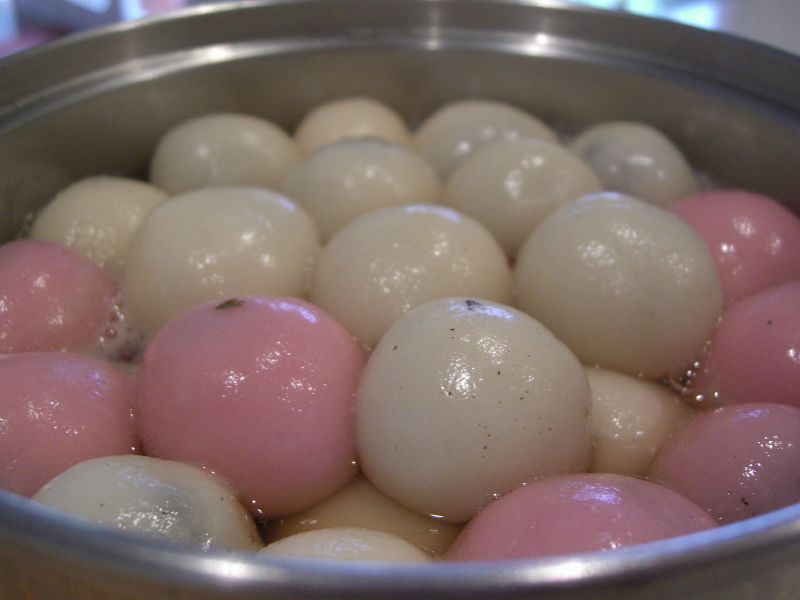 🇨🇳 Suzhou, China and 4 moreDongzhi Festival冬至
A winter solstice festival of family reunions, ancestor rites and sweet rice ballsSeasonal · Dinner
🇨🇳 Suzhou, China and 4 moreDongzhi Festival冬至
A winter solstice festival of family reunions, ancestor rites and sweet rice ballsSeasonal · Dinner
 🇨🇳 China and 5 moreDouble Ninth Festival重陽節
An autumn festival of mountain walks, chrysanthemum wine and ancestor remembranceSeasonal · Tea-time and snacking customs
🇨🇳 China and 5 moreDouble Ninth Festival重陽節
An autumn festival of mountain walks, chrysanthemum wine and ancestor remembranceSeasonal · Tea-time and snacking customs
 🇨🇳 Suzhou, China and 3 moreDongzhi冬至
A midwinter festival celebrating the return of light with family feasts and dumplingsSeasonal · Dinner
🇨🇳 China and 5 moreMid-Autumn Festival中秋節
An annual harvest festival celebrating family reunions, full moons and mooncakesFestival · Sweets given and shared
🇨🇳 Suzhou, China and 3 moreDongzhi冬至
A midwinter festival celebrating the return of light with family feasts and dumplingsSeasonal · Dinner
🇨🇳 China and 5 moreMid-Autumn Festival中秋節
An annual harvest festival celebrating family reunions, full moons and mooncakesFestival · Sweets given and shared
The same idea elsewhere
Harvest and thanksgiving compared 🇮🇳 Ayodhya, India and 7 moreDiwaliदीपावली (Dīpāvalī)
A five-day festival of lights celebrated across India and its diaspora to mark the victory of light over darkness.Festival · Feasts and festival meals
🇮🇳 Ayodhya, India and 7 moreDiwaliदीपावली (Dīpāvalī)
A five-day festival of lights celebrated across India and its diaspora to mark the victory of light over darkness.Festival · Feasts and festival meals
 🇮🇱 Jerusalem, IsraelPassoverפסח
A Jewish spring festival celebrating freedom from slavery with ritual mealsSpiritual · Dinner
🇮🇱 Jerusalem, IsraelPassoverפסח
A Jewish spring festival celebrating freedom from slavery with ritual mealsSpiritual · Dinner
 🇮🇱 Jerusalem, IsraelSukkotסוכות
A seven-day autumn Jewish festival of temporary booths, harvest prayers and hospitalitySpiritual
🇮🇱 Jerusalem, IsraelSukkotסוכות
A seven-day autumn Jewish festival of temporary booths, harvest prayers and hospitalitySpiritual
 🇹🇱 Timor-LesteUma Lulik
Sacred ancestral clan houses and ritual shrines in East TimorSpiritual
🇹🇱 Timor-LesteUma Lulik
Sacred ancestral clan houses and ritual shrines in East TimorSpiritual