🇹🇼 Traditions of Taiwan
29 traditions from Taiwan, best known first, across 6 cities and towns.
Taiwan's traditions rest on an indigenous foundation enriched by centuries of Han migration, Japanese colonial influences, and global commerce. The island is distinguished by its dynamic night market culture, diverse regional culinary heritage, and an evolving multicultural identity.
Taiwanese traditions reflect a layered history of indigenous life, maritime commerce, and successive waves of migration. Customs on the island blend ancient native roots, southern Chinese heritage, and Japanese influences into a distinctive cultural pattern. Shared social habits, lively evening markets, and a diverse culinary landscape define daily community life. Today, society embraces a multicultural identity that honours indigenous roots alongside regional Han traditions, creating an open and continually evolving approach to food, family, and public customs.
A multicultural heritage
Indigenous peoples, Han settlers, Japanese governance, and post-war arrivals from various Chinese mainland provinces have all shaped Taiwan's communal life. For centuries, diverse administrations altered the cultural center of the island. Following the second world war, state policies promoted classical Chinese scholarship and Mandarin language education alongside American educational ties. Today, public life embraces multiculturalism, recognising indigenous heritage, early Hokkien and Hakka communities, and newer arrivals within a shared civic framework. Manners and social habits still carry visible influences from the Japanese era, alongside distinct local expressions.
The regional kitchen
Cooking in Taiwan draws from several distinct streams. The island's earliest culinary foundations belong to its indigenous communities. Immigrants from southern Fujian and Hakka backgrounds added their own cooking practices from the sixteenth century onward. Later, families arriving from diverse Chinese regions after the mid-twentieth century established dishes from Sichuan, Beijing, Shanghai, Chaoshan, and Guangdong across local neighbourhoods. Japanese rule also left lasting habits, introducing lunchboxes, miso soup, sashimi, and rice balls. Today, cooks combine these varied regional techniques into a distinct island cuisine known for strong, bold flavours.
Market and street dining
Eating outside the home is central to daily routine. Evening street markets and indoor shopping centre food courts offer spaces where people gather to eat snacks and full meals. Plant-based dining is widespread, with vegetarian and vegan meals readily available. Global favourites such as bubble tea and crispy fried chicken developed from this lively vendor culture. The island also contributed to convenience food history, with local cooks developing early deep-fried noodles in the 1950s and later introducing packaged dry noodles that can be eaten without broth.
Rice and home cooking
Meals at home typically centre on rice, paired with pork, poultry, seafood, and soy products. Before the twentieth century, farmers grew long-grain indica rice varieties. Japanese agricultural changes introduced short-grain japonica grains, which shifted local taste toward plump, fragrant, and slightly firm rice. In domestic and commercial kitchens alike, the Tatung electric steamer has served as a primary cooking appliance since the nineteen-sixties. Home cooks use intense seasoning and dynamic preparation methods, distinguishing their rice dishes from the milder presentations found in neighbouring culinary traditions.
Farms and modern tables
In recent decades, agricultural practices and culinary ideas have adapted to international commerce and environmental concerns. Following entry into the World Trade Organization in 2002, local growers moved away from mass staple crops toward high-grade, specialised produce grown for domestic dining. Many rural estates opened to agrotourism, inviting guests to cook and eat fresh harvests directly on the land. Contemporary food movements place growing emphasis on sustainability, historic food origins, and the revival of native indigenous ingredients within the mainstream food scene.
The facts in this overview come from the Wikipedia article "Culture of Taiwan", written by its contributors and used under the CC BY-SA 4.0 licence. EveryParampara rewrote the text in its own words, with AI assistance, and compares every page with the article to make sure no passage is copied. It may be reused under the same CC BY-SA 4.0 licence with a link back.
The table in Taiwan
Foods and drinks by the moment they belong to.
Cities, towns and villages of Taiwan
 🇨🇳 Quanzhou, China and 3 moreGlove puppetry布袋戲
A traditional theatre of cloth-bodied puppets with carved wooden heads and live musicPerformance
🇨🇳 Quanzhou, China and 3 moreGlove puppetry布袋戲
A traditional theatre of cloth-bodied puppets with carved wooden heads and live musicPerformance
 🇹🇼 Yilan, Taiwan and 4 moreTaiwanese opera歌仔戲
A Taiwanese theatrical art of Hokkien balladry, stylized staging, and expressive song.Performance
🇹🇼 Yilan, Taiwan and 4 moreTaiwanese opera歌仔戲
A Taiwanese theatrical art of Hokkien balladry, stylized staging, and expressive song.Performance
 🇨🇳 Chaozhou, China and 1 moreGongfu tea工夫茶
A skilled Chinese method of brewing tea in small teaware with precise heat and timingTable custom · Tea, coffee and drinking ceremonies
🇨🇳 Chaozhou, China and 1 moreGongfu tea工夫茶
A skilled Chinese method of brewing tea in small teaware with precise heat and timingTable custom · Tea, coffee and drinking ceremonies
 🇹🇼 Taipei, TaiwanNight markets in Taiwan夜市
Street markets that open at sunset across Taiwan, selling snacks, drinks and goodsTable custom · Tea-time and snacking customs
🇹🇼 Taipei, TaiwanNight markets in Taiwan夜市
Street markets that open at sunset across Taiwan, selling snacks, drinks and goodsTable custom · Tea-time and snacking customs
 🇨🇳 Beijing, China and 2 moreChinese opera戲曲 / 戏曲 (xìqǔ)
A sung, danced and acrobatic theatre from China, in over a hundred regional stylesPerformance
🇨🇳 Beijing, China and 2 moreChinese opera戲曲 / 戏曲 (xìqǔ)
A sung, danced and acrobatic theatre from China, in over a hundred regional stylesPerformance
 🇨🇳 China and 5 moreMid-Autumn Festival中秋節
An annual harvest festival celebrating family reunions, full moons and mooncakesFestival · Sweets given and shared
🇨🇳 China and 5 moreMid-Autumn Festival中秋節
An annual harvest festival celebrating family reunions, full moons and mooncakesFestival · Sweets given and shared
 🇨🇳 China and 5 moreQingming Festival清明节
A spring custom of sweeping family graves and honouring ancestors across East Asia.Spiritual
🇨🇳 China and 5 moreQingming Festival清明节
A spring custom of sweeping family graves and honouring ancestors across East Asia.Spiritual
 🇮🇳 India and 6 moreBuddha's Birthday佛诞 (Fódàn)
A festival marking the birth of Siddhartha Gautama, observed across Asia with temple rituals and community gatherings.Festival
🇮🇳 India and 6 moreBuddha's Birthday佛诞 (Fódàn)
A festival marking the birth of Siddhartha Gautama, observed across Asia with temple rituals and community gatherings.Festival
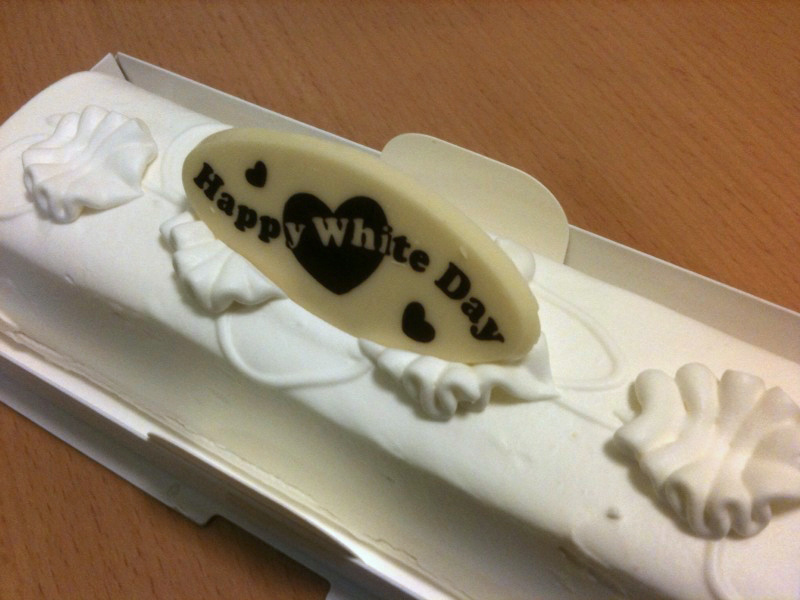 🇯🇵 Fukuoka, Japan and 4 moreWhite Dayホワイトデー
A day on 14 March when men give a return gift to the women who gave them chocolateFestival
🇯🇵 Fukuoka, Japan and 4 moreWhite Dayホワイトデー
A day on 14 March when men give a return gift to the women who gave them chocolateFestival
 🇨🇳 China and 5 moreDouble Ninth Festival重陽節
An autumn festival of mountain walks, chrysanthemum wine and ancestor remembranceSeasonal · Tea-time and snacking customs
🇨🇳 China and 5 moreDouble Ninth Festival重陽節
An autumn festival of mountain walks, chrysanthemum wine and ancestor remembranceSeasonal · Tea-time and snacking customs
 🇹🇼 Taipei, TaiwanDouble Ten Day國慶日
The national holiday of Taiwan marking the start of the 1911 revolution.Ceremony
🇹🇼 Taipei, TaiwanDouble Ten Day國慶日
The national holiday of Taiwan marking the start of the 1911 revolution.Ceremony
 🇨🇳 China and 5 moreTea culture
How tea is prepared, shared and served, from Chinese tea houses to Tibetan butter teaTable custom · Tea, coffee and drinking ceremonies
🇨🇳 China and 5 moreTea culture
How tea is prepared, shared and served, from Chinese tea houses to Tibetan butter teaTable custom · Tea, coffee and drinking ceremonies
 🇨🇳 China and 6 moreRed envelope紅包 / 红包 (hóngbāo)
Money in a red packet, given at Lunar New Year, weddings and other big daysEtiquette
🇨🇳 China and 6 moreRed envelope紅包 / 红包 (hóngbāo)
Money in a red packet, given at Lunar New Year, weddings and other big daysEtiquette
 🇯🇵 Tokyo, Japan and 5 moreTaiko太鼓 (taiko)
Japanese drums, and the ensemble style of playing themPerformance
🇹🇼 TaiwanFlying Fish Festival飛魚祭
A months-long seasonal fishing observance kept by the Tao people of Orchid IslandSeasonal
🇯🇵 Tokyo, Japan and 5 moreTaiko太鼓 (taiko)
Japanese drums, and the ensemble style of playing themPerformance
🇹🇼 TaiwanFlying Fish Festival飛魚祭
A months-long seasonal fishing observance kept by the Tao people of Orchid IslandSeasonal
 🇹🇼 Taichung, TaiwanDajia Mazu Pilgrimage大甲媽祖遶境進香
A nine-day walking procession across central Taiwan honouring the sea goddess MazuSpiritual
🇹🇼 Taichung, TaiwanDajia Mazu Pilgrimage大甲媽祖遶境進香
A nine-day walking procession across central Taiwan honouring the sea goddess MazuSpiritual
 🇨🇳 Suzhou, China and 3 moreDongzhi冬至
A midwinter festival celebrating the return of light with family feasts and dumplingsSeasonal · Dinner
🇨🇳 Suzhou, China and 3 moreDongzhi冬至
A midwinter festival celebrating the return of light with family feasts and dumplingsSeasonal · Dinner
 🇨🇳 Chengdu, China and 1 moreSichuan opera川劇
A Chinese opera from Sichuan, known for split-second mask changes and a central clownPerformance
🇨🇳 Chengdu, China and 1 moreSichuan opera川劇
A Chinese opera from Sichuan, known for split-second mask changes and a central clownPerformance
 🇨🇳 China and 5 moreJoss paper金紙 (jīnzhǐ)
Paper money burned for ancestors and gods, folded and offered in Chinese worshipSpiritual
🇨🇳 China and 5 moreJoss paper金紙 (jīnzhǐ)
Paper money burned for ancestors and gods, folded and offered in Chinese worshipSpiritual
 🇯🇵 Japan and 1 moreBento弁当
A single-portion packed meal in a lidded box, carried to school, work or on a trainTable custom · Lunch
🇯🇵 Japan and 1 moreBento弁当
A single-portion packed meal in a lidded box, carried to school, work or on a trainTable custom · Lunch
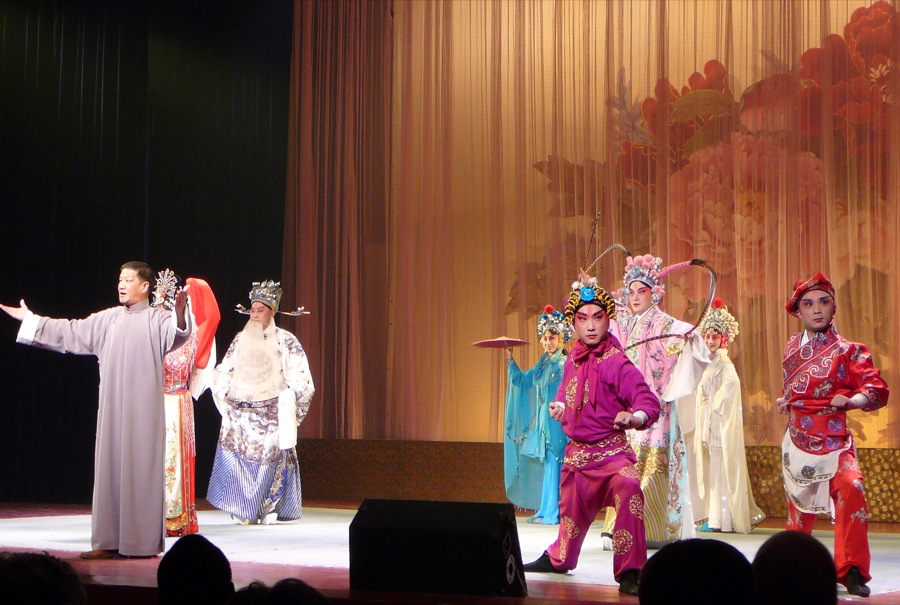 🇨🇳 Beijing, China and 1 morePeking opera京剧 / 京劇 (Jīngjù)
China's main opera form: song, dance and acrobatics tell the story on a bare stagePerformance
🇨🇳 Beijing, China and 1 morePeking opera京剧 / 京劇 (Jīngjù)
China's main opera form: song, dance and acrobatics tell the story on a bare stagePerformance
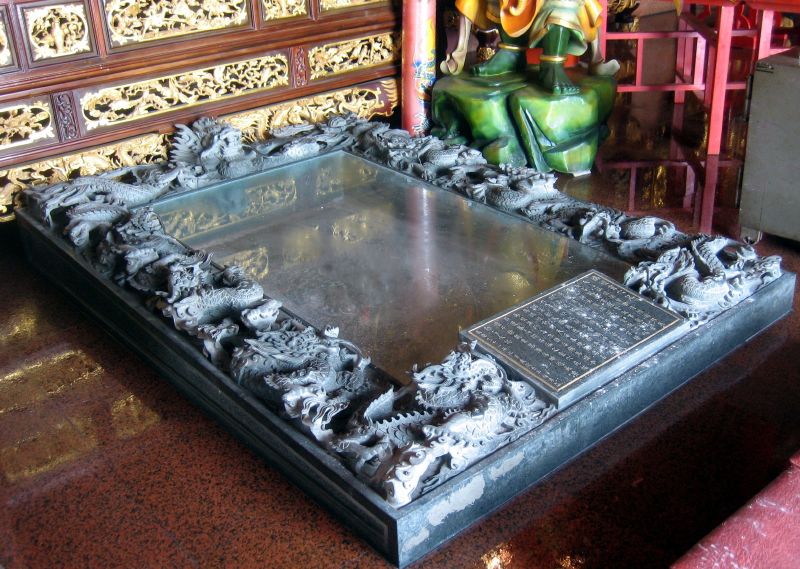 🇨🇳 Meizhou Island, China and 5 moreMazu媽祖
A sea goddess of the Chinese coast, asked for calm water and a safe returnSpiritual
🇨🇳 Meizhou Island, China and 5 moreMazu媽祖
A sea goddess of the Chinese coast, asked for calm water and a safe returnSpiritual
 🇮🇳 India and 4 moreYouth Day
A commemorative holiday honoring young people and youth movements worldwideCeremony
🇮🇳 India and 4 moreYouth Day
A commemorative holiday honoring young people and youth movements worldwideCeremony
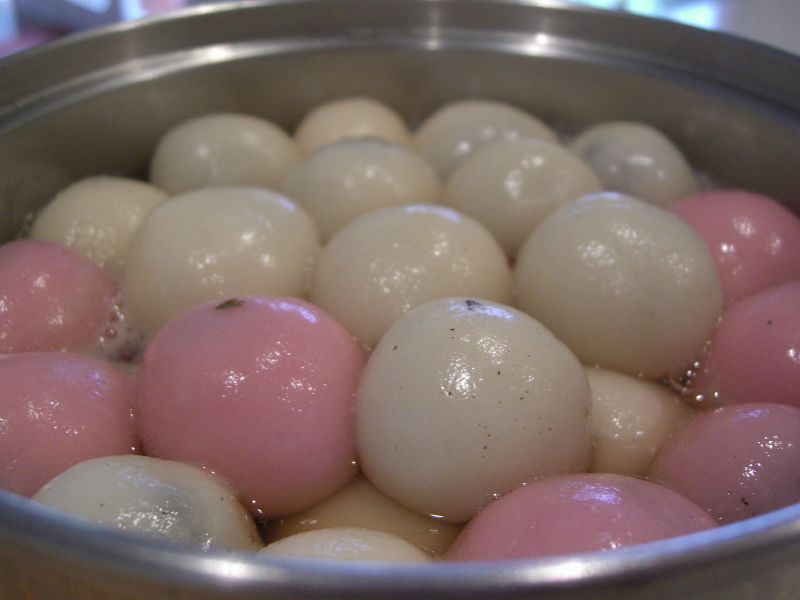 🇨🇳 Suzhou, China and 4 moreDongzhi Festival冬至
A winter solstice festival of family reunions, ancestor rites and sweet rice ballsSeasonal · Dinner
🇨🇳 Suzhou, China and 4 moreDongzhi Festival冬至
A winter solstice festival of family reunions, ancestor rites and sweet rice ballsSeasonal · Dinner
 🇹🇼 Taipei, Taiwan and 1 moreRetrocession Day臺灣光復節 / 台湾光复节 (Táiwān guāngfùjié)
A public holiday on 25 October marking the end of Japanese rule in Taiwan in 1945Ceremony
🇹🇼 Taipei, Taiwan and 1 moreRetrocession Day臺灣光復節 / 台湾光复节 (Táiwān guāngfùjié)
A public holiday on 25 October marking the end of Japanese rule in Taiwan in 1945Ceremony
 🇨🇳 China and 1 moreDajiao打醮
An annual Taoist ritual and festival seeking peace and safety for the communitySpiritual · Feasts and festival meals
🇹🇼 TaiwanSimple Life Festival簡單生活節
A biennial cultural gathering in Taiwan featuring live music, markets and craftsFestival
🇨🇳 China and 1 moreDajiao打醮
An annual Taoist ritual and festival seeking peace and safety for the communitySpiritual · Feasts and festival meals
🇹🇼 TaiwanSimple Life Festival簡單生活節
A biennial cultural gathering in Taiwan featuring live music, markets and craftsFestival
 🇨🇳 Quanzhou, China and 5 moreNanguan南管
An introspective chamber music tradition from southern Fujian and Taiwan.Performance
🇨🇳 China and 3 moreQimen Dunjia奇門遁甲
A classical Chinese divination system that maps time, space, and strategySpiritual
🇨🇳 Quanzhou, China and 5 moreNanguan南管
An introspective chamber music tradition from southern Fujian and Taiwan.Performance
🇨🇳 China and 3 moreQimen Dunjia奇門遁甲
A classical Chinese divination system that maps time, space, and strategySpiritual
Photo credits on this page
The small pictures above come from Wikimedia Commons under free licences. Some are cropped to fit.
- Dongzhi Festival: Alpha, CC BY-SA 2.0, source
- Tea culture: Georges Seguin ( Okki ), CC BY-SA 3.0, source
- Buddha's Birthday: User: (WT-shared) Manoj nav at wts wikivoyage, Public domain, source
- Qingming Festival: Jacklee ., CC BY-SA 3.0, source
- Double Ninth Festival: Sgerbic, CC BY-SA 4.0, source
- Mid-Autumn Festival: Shizhao, CC BY-SA 2.5, source
- Night markets in Taiwan: Henry M. Trotter, Public domain, source
- Dajia Mazu Pilgrimage: Mazubobee, CC BY-SA 4.0, source
- Chinese opera: https://www.flickr.com/photos/univers-finder/, CC BY 2.0, source
- Dongzhi: N509FZ, CC BY-SA 4.0, source
- White Day: Flickr user mersy ( Masashi Yanagiya), CC BY-SA 2.0, source
- Glove puppetry: Taman Renyah, CC0, source
- Taiwanese opera: Sean Chiu, CC BY 4.0, source
- Gongfu tea: Kandukuru Nagarjun, CC BY 2.0, source
- Taiko: Ohno.A, CC BY-SA 4.0, source
- Sichuan opera: No machine-readable author provided. Dice~commonswiki assumed (based o, CC BY-SA 3.0, source
- Red envelope: Oldie~commonswiki, Public domain, source
- Joss paper: Vmenkov, CC BY-SA 3.0, source
- Bento: Blue Lotus, CC BY 2.0, source
- Double Ten Day: 總統府, CC BY 2.0, source
- Peking opera: Art Poskanzer, CC BY 2.0, source
- Mazu: Prince Roy, CC BY-SA 3.0, source
- Retrocession Day: Unknown author, Public domain, source
- Youth Day: Andrey Butko, CC BY-SA 3.0, source
- Dajiao: 29cm, CC BY-SA 2.0, source
- Nanguan: Jnzl's Public Domain Photos, Public domain, source