Festivals and celebrationsMiddle EastMuslim
Ghadir Khumm
In its own language: غَدِير خُمّ
A historic sermon and annual festival marking Ali's role in early Islam.

Ghadir Khumm describes a gathering at a pond near Rabigh in March 632, where Muhammad spoke to returning pilgrims. Shia Muslims view this as the formal appointment of Ali as his successor, while Sunni followers see it as an affirmation of friendship. The day is now celebrated with prayers and shared meals.
When is Ghadir Khumm kept?
Ghadir Khumm is kept on annually on the 18th day of Dhu al-Hijjah.
Ghadir Khumm refers to a significant gathering that occurred in March 632 near a pond called Juhfa. During this meeting, the Islamic prophet Muhammad addressed a large group of pilgrims returning from Mecca. The event centers on his words regarding Ali ibn Abi Talib. For Shia believers, these remarks established Ali as the rightful leader. Sunni observers recognize the speech but interpret it differently. Today, the occasion marks a major religious holiday for millions.
The historical gathering
The event took place shortly before the death of Muhammad in 632 CE. It happened during the return journey from the Farewell Pilgrimage. A massive crowd of tens of thousands had accompanied him. He stopped the caravan at a location known as Ghadir Khumm, situated between Mecca and Medina. The site was a pond fed by a spring in a valley called Khumm. The area was near the settlement of al-Juhfa, where trade routes from Egypt and Iraq met. The environment was harsh, with saline water that made the spot unsuitable for drinking or camping. Despite these conditions, Muhammad arranged a raised platform for his address.
Interpretations of the sermon
During the speech, Muhammad held the hand of his cousin and son-in-law, Ali. He declared that whoever he was their mawla, Ali was also their mawla. This Arabic term carries many meanings, including friend, master, protector, or ally. Shia Muslims understand this as a clear designation of Ali as the next spiritual and political leader. They believe it completed the message of Islam. Sunni scholars accept the event occurred but argue the word implies affection and loyalty rather than authority. They view the statement as an expression of esteem for Ali, not a transfer of power.
Religious texts and verses
Both traditions link the gathering to specific Quranic passages. Verse 5:67 urges the prophet to deliver a divine message without fear. Shia sources connect this verse directly to the announcement at the pond. Another verse, 5:3, speaks of the perfection of religion. Some commentators associate this with the Farewell Pilgrimage itself, while others tie it to the Ghadir Khumm declaration. Early historians recorded the event extensively. Many companions retold the story across different regions. Despite some later omissions by certain chroniclers, the narrative remains widely acknowledged in classical Islamic literature.
Modern observances
The anniversary is marked annually as Eid al-Ghadir. Devotees gather for special prayers and recitations. The Du'a Nudba is often chanted during these services. Families exchange gifts and prepare festive meals together. The celebration reinforces community bonds and highlights the importance of the Prophet's family. In Shia communities, the day holds deep theological weight, emphasizing the concept of Imamate. Sunni Muslims may acknowledge the date as a moment of unity and respect for Ali. The festival serves as a reminder of the early days of Islam and the relationships between its central figures.
How Ghadir Khumm is kept
Believers attend congregational prayers on the 18th of Dhu al-Hijjah. They listen to sermons recounting the events at the pond. Recitations of specific supplications follow the prayers. People visit each other's homes to share food and sweets. Gift-giving is common among family members and friends. The day fosters a sense of unity and remembrance of the Prophet's teachings regarding leadership and loyalty.
When and where
It falls on the 18th day of Dhu al-Hijjah, the twelfth month of the Islamic lunar calendar. The date shifts slightly each year relative to the Gregorian calendar. The timing coincides with the period following the Hajj pilgrimage season.
The original site lies near Rabigh in the Hejaz region of modern-day Saudi Arabia. The tradition is observed globally by Muslim communities. It is particularly prominent in Shia-majority areas such as Iran, Iraq, and parts of Lebanon. Commemorations also occur in South Asia and other regions with significant Muslim populations.
What Ghadir Khumm means
For Shia Muslims, the event symbolizes the divine appointment of Ali as the first Imam and successor to Muhammad. It represents the completion of the prophetic mission. The gathering underscores the importance of the Ahl al-Bayt, or the Prophet's household. For Sunnis, it symbolizes the strong bonds of brotherhood and mutual respect within the early Muslim community. Both groups view it as a testament to the enduring legacy of the Prophet.

Questions people ask about Ghadir Khumm
When is Ghadir Khumm kept?
Ghadir Khumm is kept on annually on the 18th day of Dhu al-Hijjah.
What exactly is Ghadir Khumm?
It is a historical event from March 632 where Muhammad spoke to pilgrims at a pond near Rabigh. He made a statement about Ali that is interpreted differently by various Islamic branches today.
How do Shia and Sunni views differ?
Shia Muslims see the event as the official appointment of Ali as leader. Sunni Muslims accept the speech but view it as an expression of friendship and loyalty rather than a political succession plan.
What happens during the celebrations?
Devotees hold special prayers and recite specific supplications. They exchange gifts and enjoy festive meals with family and friends. The day emphasizes community bonding and religious reflection.
See also
 NayrouzA Coptic feast marking the new year and honoring martyrs, kept in Egypt and Ethiopia.
 NewrozA Kurdish spring festival and new year celebration marked by bonfires, dance, and the lighting of fires.
 Mother's DayA worldwide annual celebration dedicated to mothers, maternal bonds and family care
 NowruzThe Iranian new year at the March equinox, kept with fire, greenery and picnics
Good reading and sources
- Ghadir Khumm on WikipediaEncyclopedia
- More photos on Wikimedia CommonsPhotos and video
- Wikidata recordOpen data
The facts on this page come from the Wikipedia article "Ghadir Khumm", written by its contributors and used under the CC BY-SA 4.0 licence, and from its Wikidata record (CC0). EveryParampara rewrote the text in its own words, with AI assistance, and compares every page with the article to make sure no passage is copied. It may be reused under the same CC BY-SA 4.0 licence with a link back.
It may contain mistakes. Traditions differ from one family, village and community to the next, and the people who keep them know them best. If something is wrong, tell us. Last refreshed 2026-10-10.
More from Saudi Arabia
All the traditions of Saudi Arabia 🇸🇦 Jenadriyah, Saudi ArabiaJenadriyahمهرجان الجنادرية
A two-week Saudi cultural festival of camel racing, folk dance, poetry, and craftsFestival
🇸🇦 Jenadriyah, Saudi ArabiaJenadriyahمهرجان الجنادرية
A two-week Saudi cultural festival of camel racing, folk dance, poetry, and craftsFestival
 🇸🇦 Mecca, Saudi ArabiaIhramإِحْرَام
A sacred state and simple dress that Muslims enter for Hajj and UmrahSpiritual
🇸🇦 Mecca, Saudi ArabiaIhramإِحْرَام
A sacred state and simple dress that Muslims enter for Hajj and UmrahSpiritual
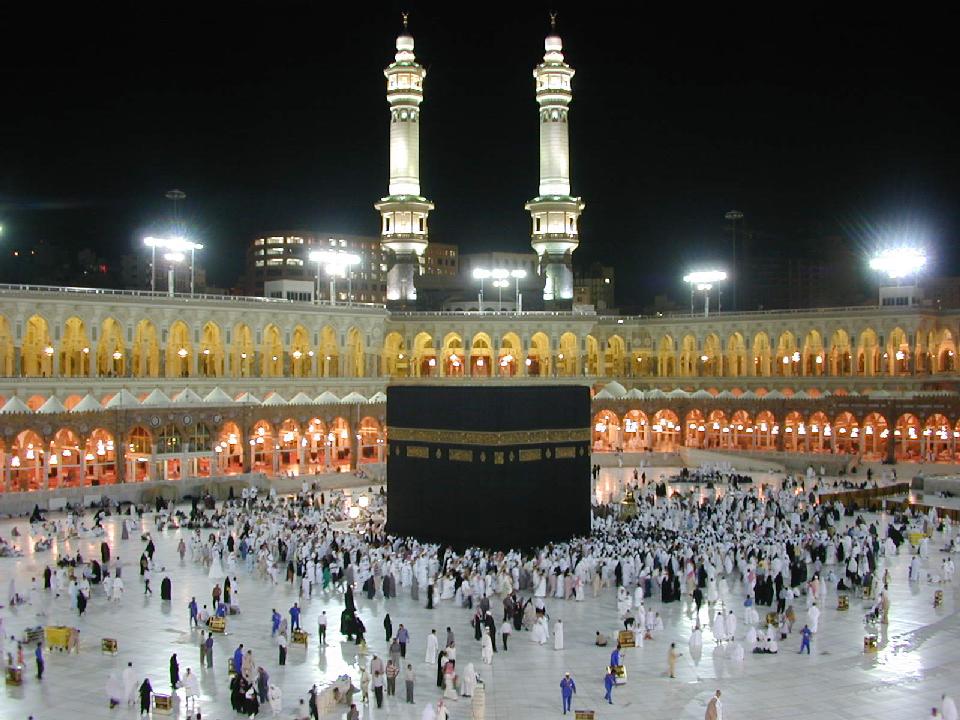 🇸🇦 Mecca, Saudi ArabiaUmrahعُمْرَة
A pilgrimage to Mecca that Muslims may make at most times of year, unlike the HajjSpiritual
🇸🇦 Mecca, Saudi ArabiaUmrahعُمْرَة
A pilgrimage to Mecca that Muslims may make at most times of year, unlike the HajjSpiritual
 🇸🇦 Mecca, Saudi Arabia and 1 moreDay of Arafahيوم عرفة
A holy day of prayer, repentance, and vigil on the second day of the Hajj pilgrimageSpiritual
🇸🇦 Mecca, Saudi Arabia and 1 moreDay of Arafahيوم عرفة
A holy day of prayer, repentance, and vigil on the second day of the Hajj pilgrimageSpiritual
The same idea elsewhere
Pilgrimage compared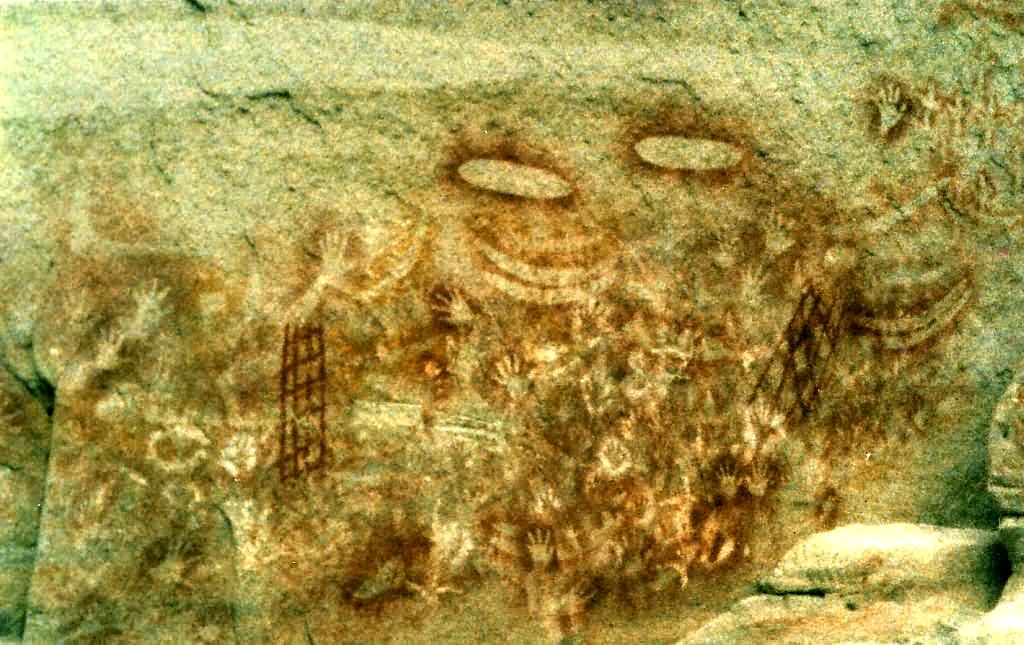 🇦🇺 AustraliaThe Dreaming
A living spiritual worldview and law connecting Aboriginal Australians to ancestors, land, and community.Spiritual
🇦🇺 AustraliaThe Dreaming
A living spiritual worldview and law connecting Aboriginal Australians to ancestors, land, and community.Spiritual
 🇯🇵 Kyoto, JapanTorii鳥居
A traditional Japanese gate marking the entrance to a Shinto shrine and separating the sacred from the mundane.Spiritual
🇯🇵 Kyoto, JapanTorii鳥居
A traditional Japanese gate marking the entrance to a Shinto shrine and separating the sacred from the mundane.Spiritual
 🇲🇲 Bagan, MyanmarNat worshipနတ်
Veneration of guardian spirits and nature deities alongside Buddhism in MyanmarSpiritual
🇲🇲 Bagan, MyanmarNat worshipနတ်
Veneration of guardian spirits and nature deities alongside Buddhism in MyanmarSpiritual
 🇳🇬 Osogbo, NigeriaOsun-Osogbo FestivalOsun-Osogbo
An annual Yoruba festival of cleansing, procession and sacrifice to the river goddess Osun in Osogbo, Nigeria.Festival
🇳🇬 Osogbo, NigeriaOsun-Osogbo FestivalOsun-Osogbo
An annual Yoruba festival of cleansing, procession and sacrifice to the river goddess Osun in Osogbo, Nigeria.Festival