🇹🇬 Traditions of Togo
8 traditions from Togo, best known first, across 1 city and town.
Togolese life is shaped by the rhythms of thirty-seven ethnic groups, where animistic beliefs coexist with Christianity and Islam. The year turns through communal festivals like Agbogbo Zã, while artistry in wood carving and textile dyeing preserves ancestral stories. Daily existence balances modern French influence with deep-rooted local customs.
In Togo, daily life moves to the beat of traditional drums and the cycles of the agricultural year. Thirty-seven distinct ethnic communities maintain their own languages and rituals, creating a tapestry of shared heritage. While French serves as the official tongue, native dialects carry the weight of history and identity. People gather for seasonal celebrations that honor ancestors and mark important life stages. This nation keeps its past alive through music, dance, and skilled craftsmanship passed from parent to child.
The year and its festivals
Communities across Togo observe specific times to celebrate their unique histories and spiritual connections. The Ewe people in the south hold Agbogbo Zã in Notsè to remember ancient walls and local history. Another Ewe gathering called Dunenyo Zã takes place in August, offering thanks for peace and showcasing cultural pride. In Akposso and Akebu, the Ovazu festival marks another occasion for communal joy. Meanwhile, residents of Tsevie celebrate Ayizan. These events are not merely parties but vital acts of remembrance that strengthen social bonds and reaffirm group identity throughout the calendar.
Faith and ritual
Spiritual life in Togo remains deeply rooted in indigenous practices despite the spread of Western religions. More than half the population follows animistic traditions that view the natural world as inhabited by spirits. Ancestors play a central role in these beliefs, guiding the living through dreams and signs. Christian and Muslim communities also exist, often blending their doctrines with local customs. Rituals focus on maintaining harmony between the physical and spiritual realms. Offerings and prayers seek protection and prosperity for families and villages, ensuring that the unseen forces remain benevolent toward the community.
Music and dance
Rhythm defines the sonic landscape of Togo, with each ethnic group preserving its own musical heritage. The Ewe people are known for complex polyrhythms played on drums and bells during gatherings. Styles such as Agbadza, Gazo, and Akpese teach younger generations about their history through movement and sound. The Kabye people contribute Kamou, adding variety to the national repertoire. Dance accompanies nearly every significant event, from funerals to weddings. Specific movements tell stories of praise, worship, or historical events. Elders actively transmit these skills to children, ensuring that the physical language of tradition does not fade with time.
Art and craft
Visual arts in Togo reflect both daily life and spiritual symbolism. Wood carvers in Kloto create intricate pieces, including famous marriage chains carved from single blocks of wood. Statuettes representing twins, known as ibéji, illustrate twin worship among the Ewe. Unlike other regions that favor masks, Togolese artisans often use hunting trophies and figurines for ceremonial purposes. Textile makers in Assahoun produce dyed loincloths used in rituals. Artists like Sokey Edorh capture the arid landscapes and laterite soils in painting, while Paul Ahyi uses pyroengraving techniques to create monumental works that decorate public spaces in Lomé.
The facts in this overview come from the Wikipedia article "Culture of Togo", written by its contributors and used under the CC BY-SA 4.0 licence. EveryParampara rewrote the text in its own words, with AI assistance, and compares every page with the article to make sure no passage is copied. It may be reused under the same CC BY-SA 4.0 licence with a link back.
The table in Togo
Foods and drinks by the moment they belong to.
| Tea, coffee and drinking ceremonies | Libation |
|---|---|
| Feasts and festival meals | Libation |
Cities, towns and villages of Togo
 🇧🇯 Porto-Novo, Benin and 3 moreZangbeto
A traditional security institution and night-guardian cult among the Ogu people of West Africa.Ceremony
🇧🇯 Porto-Novo, Benin and 3 moreZangbeto
A traditional security institution and night-guardian cult among the Ogu people of West Africa.Ceremony
 🇬🇭 Ghana and 2 moreEwe drumming
The drum ensembles of the Ewe people, with iron bells, rattles and talking drumsPerformance
🇬🇭 Ghana and 2 moreEwe drumming
The drum ensembles of the Ewe people, with iron bells, rattles and talking drumsPerformance
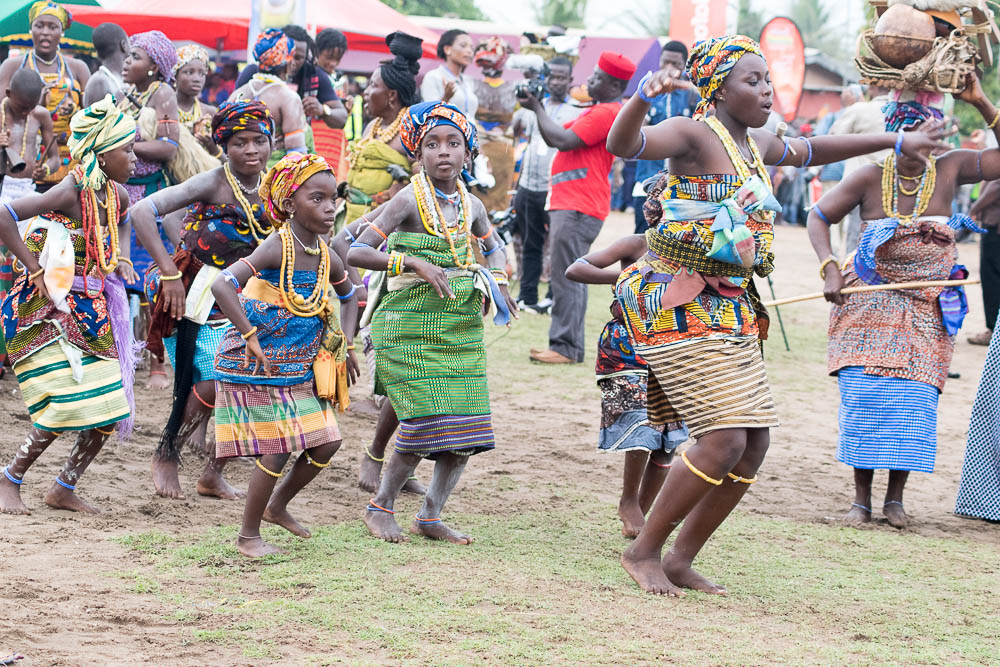 🇬🇭 Ghana and 2 moreAgbadza
An Ewe music and dance, born of war songs and kept for funerals, weddings and festivalsPerformance
🇬🇭 Ghana and 2 moreAgbadza
An Ewe music and dance, born of war songs and kept for funerals, weddings and festivalsPerformance
 🇳🇬 Nigeria and 2 moreGeledeGẹlẹdẹ
A Yoruba masked dance festival honoring the spiritual power of mothers and social harmony.Festival
🇳🇬 Nigeria and 2 moreGeledeGẹlẹdẹ
A Yoruba masked dance festival honoring the spiritual power of mothers and social harmony.Festival
 🇪🇬 Egypt and 5 moreLibation
The ceremonial gift of drink given to deities, ancestors, and the earthSpiritual · Tea, coffee and drinking ceremonies
🇪🇬 Egypt and 5 moreLibation
The ceremonial gift of drink given to deities, ancestors, and the earthSpiritual · Tea, coffee and drinking ceremonies
 🇬🇭 Anloga, Ghana and 1 moreHogbetsotso festival
An Anlo Ewe festival in Anloga recalling an escape from NotsieFestival
🇬🇭 Anloga, Ghana and 1 moreHogbetsotso festival
An Anlo Ewe festival in Anloga recalling an escape from NotsieFestival
 🇧🇫 Dédougou, Burkina Faso and 5 moreFESTIMAFestival International des Masques et des Arts
A biennial West African festival in Burkina Faso celebrating traditional mask dancesFestival
🇧🇫 Dédougou, Burkina Faso and 5 moreFESTIMAFestival International des Masques et des Arts
A biennial West African festival in Burkina Faso celebrating traditional mask dancesFestival
 🇳🇬 Nigeria and 2 moreGeleGèlè
A voluminous sculpted headwrap worn by Yoruba women for gatherings and daily lifeDress
🇳🇬 Nigeria and 2 moreGeleGèlè
A voluminous sculpted headwrap worn by Yoruba women for gatherings and daily lifeDress
Photo credits on this page
The small pictures above come from Wikimedia Commons under free licences. Some are cropped to fit.
- Gele: Royalesignature, CC BY-SA 4.0, source
- Ewe drumming: Freddythehat at English Wikipedia, Public domain, source
- Agbadza: JY midey, CC BY-SA 4.0, source
- Gelede: Gogeafrica, CC BY-SA 4.0, source
- Zangbeto: Grete Howard, CC BY 3.0, source
- Hogbetsotso festival: JY midey, CC BY-SA 4.0, source
- FESTIMA: Nomwindé, CC BY-SA 4.0, source
- Libation: Arkady Zarubin ( Аркадий Зарубин ), CC BY-SA 3.0, source