Spiritual and religiousMiddle EastIndigenous and traditional
Masbuta
In its own language: Maṣbuta
A Mandaean ritual of triple immersion in flowing water for purification and connection to the World of Light.

Masbuta is the central ritual of baptism in the Mandaean faith. Practiced by Mandaeans who revere John the Baptist, it involves full immersion in living rivers to cleanse the soul and forgive sins. The ceremony requires a priest and specific actions like drinking water and exchanging handclasps.
When is Masbuta kept?
Masbuta is kept every Sunday, known as Habshaba.
Masbuta is the sacred act of baptism for Mandaeans. It is a repeated ritual of purification rather than a one-time initiation. Believers immerse themselves in flowing rivers to seek forgiveness and connect with the divine light. This ancient practice honors John the Baptist and remains vital to their spiritual life.
What the ritual means
Mandaeans view masbuta as a path to salvation. It cleanses the soul from sin and strengthens the link to the World of Light. Unlike Christian baptism which often marks entry into a faith, this is a recurring act of maintenance. Any river counts as a holy site, rejecting fixed pilgrimage spots. The flowing water itself is seen as nourished by divine sources.
How the ceremony happens
The baptized person stands chest-deep in a river behind a priest. The priest splashes water while calling the person's baptismal name. They then clasp right hands in a gesture called kushta. The priest dips the person's head three times and strokes their forehead with wet fingers. Three sips of water follow from the priest's palm. A myrtle ring is placed on the forehead before final blessings.
Food and drink elements
Sesame oil anoints the forehead after the water rites. Participants share sacramental bread called pihta and drink water together. These acts form a communion that seals the purification. The bread and water are not mere snacks but essential parts of the spiritual exchange between the priest and the believer during the riverbank ceremony.
Types of purification
Different rituals serve different needs. A priest may undergo hundreds of baptisms to restore purity. Personal cleansing does not require a priest. Tamasha follows bodily pollutions like sexual activity. Risama happens daily before prayers. These smaller acts complement the main masbuta ceremony performed on Sundays.
How Masbuta is kept
Mandaeans gather at a flowing river on Sundays. The candidate wears a white robe and turban. A priest leads the rite through splashing, immersion, and signing. The participant drinks water from the priest's hand three times. A myrtle twig ring is placed on the forehead. The priest and candidate clasp right hands throughout. Sesame oil and bread conclude the event on the bank.
When and where
It occurs every Sunday, called Habshaba. The date follows the weekly cycle rather than a solar calendar. The ritual must happen in natural flowing water, so location depends on nearby rivers.
It takes place in any flowing river, known as Yardna. Historically strong in Iran, Syria, and Jordan. Communities have also performed it in diaspora locations like the Charles River in Massachusetts.
What Masbuta means
The ritual connects the believer to the World of Light. Immersion washes away sin and pollution. The triple actions represent completeness. The handclasp signifies truth and unity. Drinking water internalizes the blessing. The myrtle ring marks the person as purified and protected.
On the table
Flavours: Sesame


Questions people ask about Masbuta
When is Masbuta kept?
Masbuta is kept every Sunday, known as Habshaba.
What is masbuta?
It is the Mandaean ritual of baptism by full immersion. It serves as purification and a way to seek forgiveness. It is not an initiation but a repeated practice for spiritual maintenance.
Where does it take place?
It must occur in flowing fresh water, typically a river. Mandaeans consider all rivers to be holy sites, so no specific pilgrimage location is required.
Who performs it?
A Mandaean priest, or rabbi, officiates the ceremony. The participant wears specific white garments and a turban during the rite.
See also
 Holy SaturdayThe closing day of Holy Week, a Saturday of waiting, fasting and vigil before Easter
 Fire templeA consecrated sanctuary where Zoroastrians tend sacred fires and gather for worship
 Tisha B'AvA solemn fast day in July or August to mourn the destruction of the Jerusalem Temples and other Jewish tragedies.
 Holy FireA fire ceremony in Jerusalem each year, kept by Orthodox Christians before Easter
Good reading and sources
- Masbuta on WikipediaEncyclopedia
- More photos on Wikimedia CommonsPhotos and video
- Wikidata recordOpen data
The facts on this page come from the Wikipedia article "Masbuta", written by its contributors and used under the CC BY-SA 4.0 licence, and from its Wikidata record (CC0). EveryParampara rewrote the text in its own words, with AI assistance, and compares every page with the article to make sure no passage is copied. It may be reused under the same CC BY-SA 4.0 licence with a link back.
It may contain mistakes. Traditions differ from one family, village and community to the next, and the people who keep them know them best. If something is wrong, tell us. Last refreshed 2026-10-13.
More from Iran
All the traditions of Iran
🇮🇱 Jerusalem, Israel and 5 moreTisha B'Avתשעה באב
A solemn fast day in July or August to mourn the destruction of the Jerusalem Temples and other Jewish tragedies.Spiritual · Fasting and breaking the fast
🇮🇳 Mumbai, India and 1 moreFire templeآتشکده
A consecrated sanctuary where Zoroastrians tend sacred fires and gather for worshipSpiritual
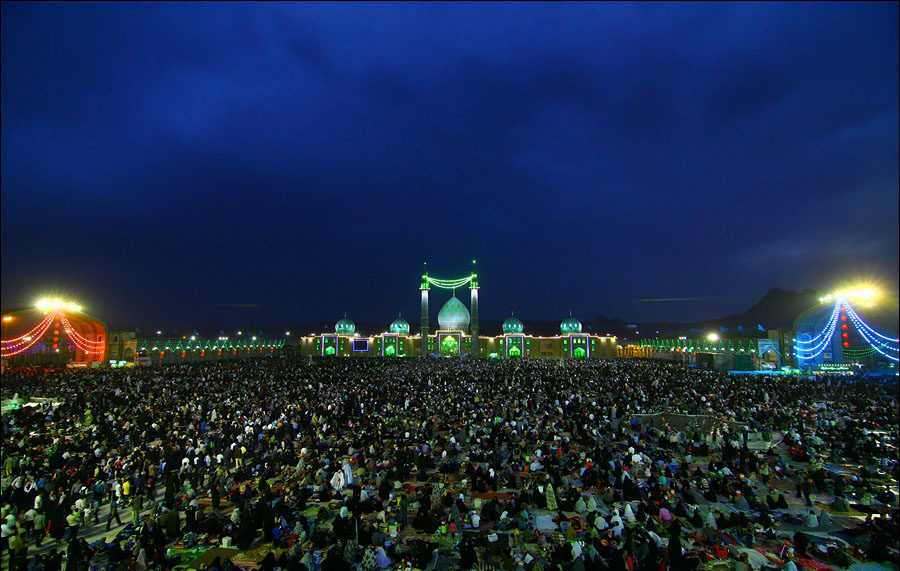 🇮🇷 Iran and 5 moreMid-Sha'banنصف شعبان
An Islamic night of prayer, remembrance, and seeking divine forgiveness.Spiritual
🇮🇷 Iran and 5 moreMid-Sha'banنصف شعبان
An Islamic night of prayer, remembrance, and seeking divine forgiveness.Spiritual
 🇨🇳 China and 5 moreAncestor worship
Honouring dead relatives with offerings and prayers, kept in many cultures worldwideSpiritual
🇨🇳 China and 5 moreAncestor worship
Honouring dead relatives with offerings and prayers, kept in many cultures worldwideSpiritual
The same idea elsewhere
Pilgrimage compared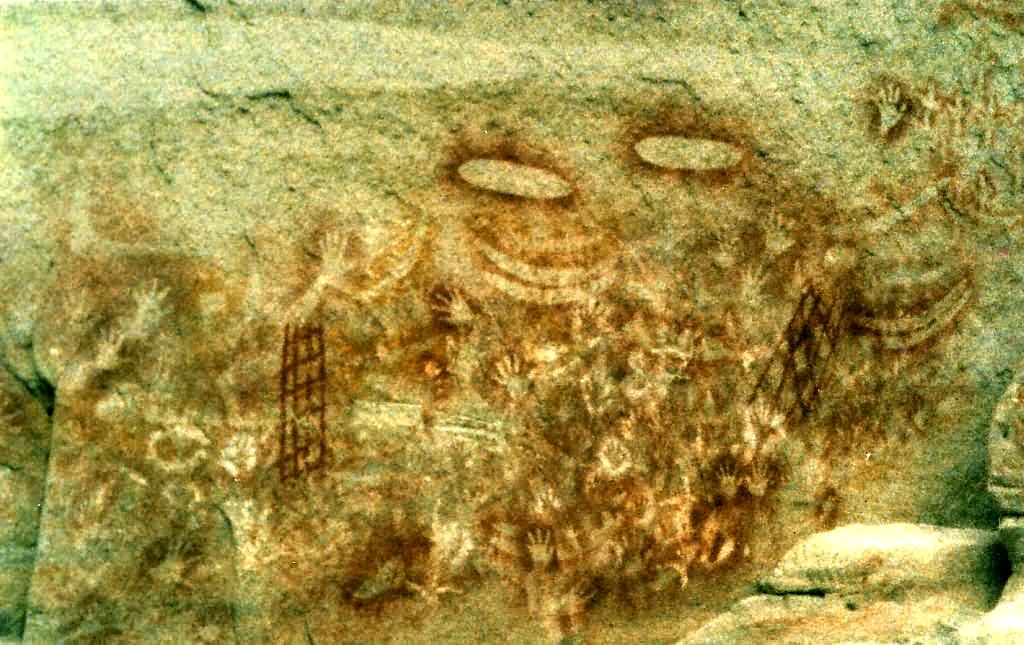 🇦🇺 AustraliaThe Dreaming
A living spiritual worldview and law connecting Aboriginal Australians to ancestors, land, and community.Spiritual
🇦🇺 AustraliaThe Dreaming
A living spiritual worldview and law connecting Aboriginal Australians to ancestors, land, and community.Spiritual
 🇯🇵 Kyoto, JapanTorii鳥居
A traditional Japanese gate marking the entrance to a Shinto shrine and separating the sacred from the mundane.Spiritual
🇯🇵 Kyoto, JapanTorii鳥居
A traditional Japanese gate marking the entrance to a Shinto shrine and separating the sacred from the mundane.Spiritual
 🇲🇲 Bagan, MyanmarNat worshipနတ်
Veneration of guardian spirits and nature deities alongside Buddhism in MyanmarSpiritual
🇲🇲 Bagan, MyanmarNat worshipနတ်
Veneration of guardian spirits and nature deities alongside Buddhism in MyanmarSpiritual
 🇲🇽 Huamantla, Mexico and 4 moreSawdust carpettapete de aserrín
Colored sawdust designs laid on streets to greet religious processions in Latin America and beyond.Festival
🇲🇽 Huamantla, Mexico and 4 moreSawdust carpettapete de aserrín
Colored sawdust designs laid on streets to greet religious processions in Latin America and beyond.Festival