Traditions with sesame
Sesame seeds, among the oldest oilseeds cultivated, are used across the world in bread, sweets, oil, paste and sauces.
Sesame seeds, among the oldest oilseeds cultivated, are used across the world in bread, sweets, oil, paste and sauces. They top the bagel and the Turkish simit, make tahini and halva in the Middle East, appear in the Japanese gomashio and the Korean namul, and form the base of South Indian chutneys and the til sweets of Makar Sankranti. Because they are small, many and fertile, sesame is a symbol of abundance in several traditions. These pages show where it features.
Where it is used
In India, til laddus are made at Makar Sankranti and Pongal, and sesame is used in the rites of the ancestors. In the Middle East, tahini and halva are staples, and in Turkey simit rings are covered in seeds. In East Asia, sesame oil is a finishing touch, in Japan, sesame tofu and gomashio, in Korea, roasted seeds on bibimbap. In West Africa, benne seeds are brought from the diaspora and used in the Carolinas.
What it means
Sesame was the seed of immortality in Hindu tradition, and offered for the dead in shraddha. In Chinese weddings, sesame cakes stand for abundance. The phrase open sesame, from the Arabian Nights, relates to the way a ripe sesame pod bursts open. In the American South, benne wafers are said to bring luck, a custom carried by enslaved West Africans, and celebrated today at New Year.
Written by the EveryParampara desk with AI assistance. Background on Sesame (spice). Customs differ from place to place and family to family. If this is your tradition and we have it wrong, tell us.
 🇨🇳 China and 5 morePostpartum confinement
A period of rest, nourishment, and seclusion for mothers after giving birth.Rite of passage
🇨🇳 China and 5 morePostpartum confinement
A period of rest, nourishment, and seclusion for mothers after giving birth.Rite of passage
 🇨🇳 Shanghai, China and 1 moreJiaozi餃子
Crescent Chinese dumplings filled with meat or vegetables, eaten for fortune and feastsTable custom · Breakfast
🇨🇳 Shanghai, China and 1 moreJiaozi餃子
Crescent Chinese dumplings filled with meat or vegetables, eaten for fortune and feastsTable custom · Breakfast
 🇮🇳 Prayagraj, India and 6 moreMakar Sankrantiमकरसङ्क्रान्ति (Makarasaṅkrānti)
A mid-winter harvest festival marking the sun's northward journey, celebrated across South and Southeast Asia with fairsFestival · Feasts and festival meals
🇮🇳 Prayagraj, India and 6 moreMakar Sankrantiमकरसङ्क्रान्ति (Makarasaṅkrānti)
A mid-winter harvest festival marking the sun's northward journey, celebrated across South and Southeast Asia with fairsFestival · Feasts and festival meals
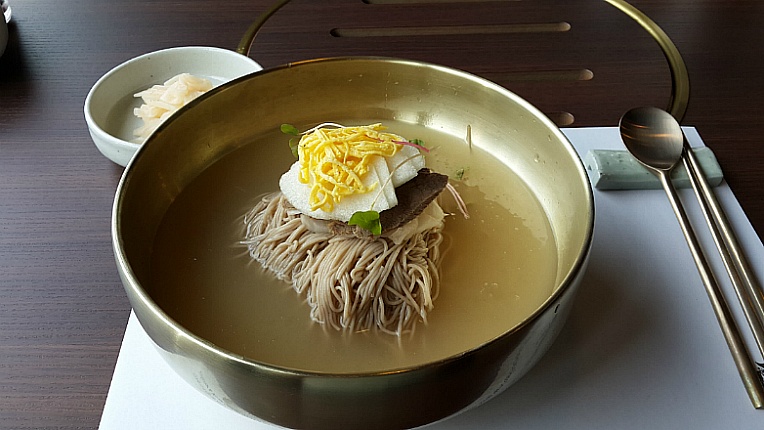 🇰🇵 Pyongyang, North Korea and 3 moreNaengmyeon냉면
Long buckwheat noodles in icy broth, born in North Korea and eaten most in summerTable custom · Dinner
🇰🇵 Pyongyang, North Korea and 3 moreNaengmyeon냉면
Long buckwheat noodles in icy broth, born in North Korea and eaten most in summerTable custom · Dinner
 🇨🇳 China and 2 moreQixi Festival七夕
A Chinese night of romance, needlecraft wishes and stargazing for two mythic loversFestival
🇨🇳 China and 2 moreQixi Festival七夕
A Chinese night of romance, needlecraft wishes and stargazing for two mythic loversFestival
 🇮🇳 India and 1 moreLohri
A northern Indian midwinter festival of evening bonfires, folk songs and harvest foodsSeasonal
🇮🇳 India and 1 moreLohri
A northern Indian midwinter festival of evening bonfires, folk songs and harvest foodsSeasonal
 🇰🇭 Cambodia and 4 moreRoyal Ploughing Ceremonyព្រះរាជពិធីបុណ្យច្រត់ព្រះនង្គ័ល
A royal agricultural rite opening the rice season across mainland Southeast AsiaCeremony
🇰🇭 Cambodia and 4 moreRoyal Ploughing Ceremonyព្រះរាជពិធីបុណ្យច្រត់ព្រះនង្គ័ល
A royal agricultural rite opening the rice season across mainland Southeast AsiaCeremony
 🇮🇳 India and 1 moreNaraka Chaturdashi
The dawn festival of oil baths, ancestor lamps, and harvest foods during DiwaliFestival · Breakfast
🇮🇳 India and 1 moreNaraka Chaturdashi
The dawn festival of oil baths, ancestor lamps, and harvest foods during DiwaliFestival · Breakfast
 🇮🇳 IndiaBathukammaబతుకమ్మ
A nine-day floral festival celebrated by women across Telangana and Andhra PradeshFestival
🇮🇳 IndiaBathukammaబతుకమ్మ
A nine-day floral festival celebrated by women across Telangana and Andhra PradeshFestival
 🇱🇰 Sri LankaKiribathකිරිබත්
Rice cooked in coconut milk, the dish of Sinhalese New Year and family beginningsTable custom · Breakfast
🇱🇰 Sri LankaKiribathකිරිබත්
Rice cooked in coconut milk, the dish of Sinhalese New Year and family beginningsTable custom · Breakfast
 🇹🇷 Istanbul, Turkey and 5 moreSimit
A sesame-encrusted ring bread sold by street vendors across Turkey and the former Ottoman lands.Table custom · Breakfast
🇹🇷 Istanbul, Turkey and 5 moreSimit
A sesame-encrusted ring bread sold by street vendors across Turkey and the former Ottoman lands.Table custom · Breakfast
 🇪🇸 Jijona, Spain and 5 moreTurrón
A festive Mediterranean nut-and-honey confection shared at Christmas and local feastsTable custom · Sweets given and shared
🇪🇸 Jijona, Spain and 5 moreTurrón
A festive Mediterranean nut-and-honey confection shared at Christmas and local feastsTable custom · Sweets given and shared
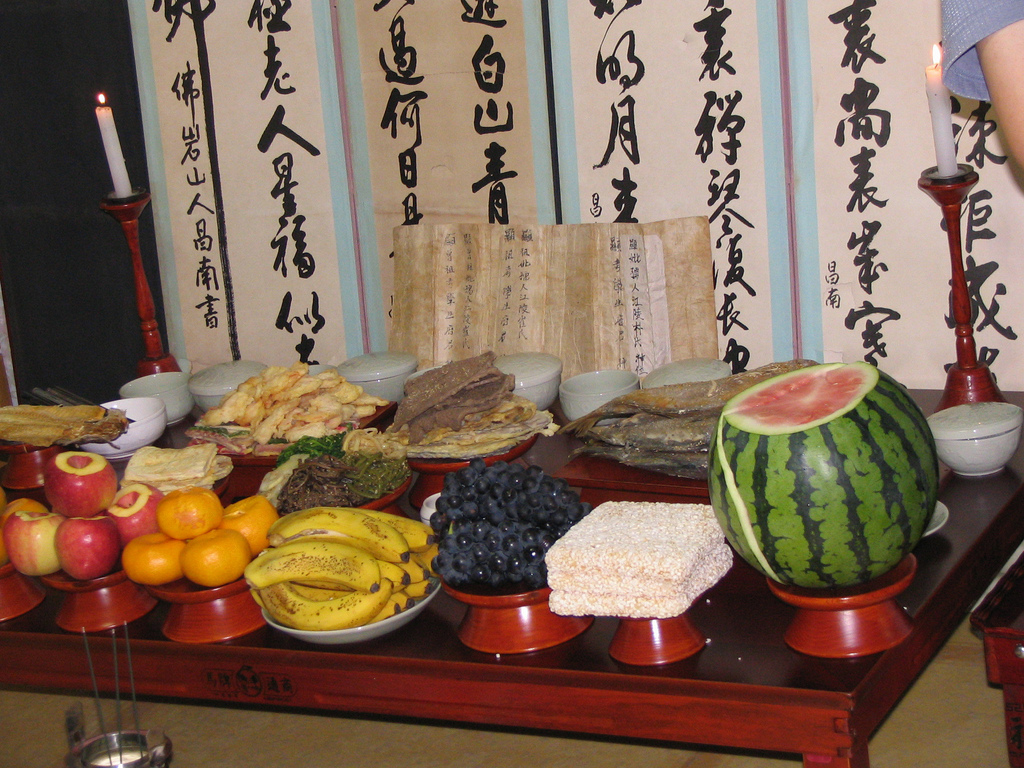 🇰🇷 South Korea and 1 moreChuseok추석
A Korean harvest festival of ancestral rites, seasonal rice cakes, and folk gamesFestival · Feasts and festival meals
🇰🇷 South Korea and 1 moreChuseok추석
A Korean harvest festival of ancestral rites, seasonal rice cakes, and folk gamesFestival · Feasts and festival meals
 🇲🇲 Yangon, Myanmar and 1 moreShinbyuရှင်ပြု
A Burmese Buddhist rite in which a boy goes forth as a novice monk, often at New YearRite of passage
🇲🇲 Yangon, Myanmar and 1 moreShinbyuရှင်ပြု
A Burmese Buddhist rite in which a boy goes forth as a novice monk, often at New YearRite of passage
 🇦🇲 Armenia and 1 moreTrndezտրնդեզ
An Armenian fire feast forty days after Christmas, kept with bonfires and shared sweetsSpiritual · Feasts and festival meals
🇦🇲 Armenia and 1 moreTrndezտրնդեզ
An Armenian fire feast forty days after Christmas, kept with bonfires and shared sweetsSpiritual · Feasts and festival meals
 🇬🇷 Greece and 1 moreKoulourakiaΚουλουράκια
Sweet butter pastries baked for Greek Easter and shaped into rings and braidsTable custom · Sweets given and shared
🇬🇷 Greece and 1 moreKoulourakiaΚουλουράκια
Sweet butter pastries baked for Greek Easter and shaped into rings and braidsTable custom · Sweets given and shared
 🇮🇱 Israel and 5 moreChallahחַלָּה
A braided Jewish bread, blessed and shared at Shabbat and holiday tablesTable custom · Feasts and festival meals
🇮🇱 Israel and 5 moreChallahחַלָּה
A braided Jewish bread, blessed and shared at Shabbat and holiday tablesTable custom · Feasts and festival meals
Photo credits on this page
The small pictures above come from Wikimedia Commons under free licences. Some are cropped to fit.
- Shabbat meals: Yoninah, Public domain, source
- Makar Sankranti: Saloni Desai, CC BY-SA 2.0, source
- Naengmyeon: wjlee4284, CC BY 2.5, source
- Qixi Festival: shizhao ( talk )拍摄,画者不明, Public domain, source
- Jiaozi: Bioniclepluslotr, CC BY-SA 3.0, source
- Lohri: Karen Sandhu, CC BY 2.0, source
- Royal Ploughing Ceremony: Xiengyod, CC BY-SA 3.0, source
- Simit: Unknown author, CC BY-SA 3.0, source
- Turrón: Tamorlan, CC BY 3.0, source
- Chuseok: by Joseph Steinberg (Baltimoron in Korea) at Flickr, CC BY-SA 2.0, source
- Naraka Chaturdashi: India (Delhi Agra area), Public domain, source
- Bathukamma: Randhirreddy at English Wikipedia, CC BY-SA 3.0, source
- Postpartum confinement: Unknown, Public domain, source
- Shinbyu: Lionslayer, CC BY-SA 3.0, source
- Trndez: Armineaghayan, CC BY-SA 4.0, source
- Koulourakia: foodistablog, CC BY 2.0, source
- Kiribath: AntanO, CC BY-SA 4.0, source