Life-cycle ritesEuropeChristian
Mos Teutonicus
A medieval European funerary custom of boiling bones to return nobles home for burial

Mos Teutonicus was a medieval European funerary rite practiced for nobles who died far from their homelands. Attendants boiled the body to separate flesh from bone, allowing clean, fragrant skeletons to travel home safely for sacred burial.
When is Mos Teutonicus kept?
Mos Teutonicus is kept on following the death of a noble far from home.
Mos Teutonicus was a medieval European funerary custom used when aristocrats died far from home. Because long journeys caused bodies to decompose quickly in warm weather, attendants dismembered the corpse and boiled it to remove the flesh. This practical and solemn method left clean bones that could be scented and carried home safely, ensuring rulers and crusaders rested in their ancestral soil.
Origins and sacred concerns
Medieval Europeans viewed the physical decay of a corpse as an image of evil and sin. Because Emperor Charlemagne banned cremation under threat of execution, believing the destruction of bones endangered the soul, families needed a way to transport remains without burning them. When crusaders and rulers perished abroad, particularly around the Mediterranean, hauling an intact corpse caused severe decomposition. Mos Teutonicus emerged as a hygienic, affordable method to preserve the skeleton for transport.
The defleshing process
To prepare the deceased, embalmers first separated the limbs and removed the entrails and heart. They placed the remains in large vats to simmer for hours in milk, wine, water, or vinegar until the meat separated cleanly from the skeleton. Workers scraped away any remaining tissue and rubbed the bare bones with sweet scents. While organs were often buried locally or cured with salt, the clean bones traveled back to the family estate for formal burial.
Papal ban and decline
The custom was especially linked with German aristocrats, though French monarchs such as King Louis IX also underwent the rite after dying in Tunis. In 1299, Pope Boniface VIII issued the papal decree De Sepulturis, outlawing the practice because he believed in maintaining bodily integrity. Though doctors sometimes worried this decree forbade medical dissection, it specifically targeted defleshing. The tradition steadily lost favour and disappeared entirely during the fifteenth century.
How Mos Teutonicus is kept
When an aristocrat died abroad, attendants dismantled the corpse and extracted the internal organs. They boiled the body parts in wine, vinegar, water, or milk for several hours until the flesh fell away. After scraping the skeleton clean, workers perfumed the dry bones. The flesh was either salted or interred nearby, while the bones were sealed for the long journey back to ancestral burial grounds.
When and where
The custom was carried out immediately following the death of a noble abroad, especially during military campaigns or crusades between the tenth and fifteenth centuries.
Used across medieval Europe, the practice was most prominent among German nobility and across the Mediterranean region, with recorded use for French royalty dying overseas.
What Mos Teutonicus means
Medieval society placed deep spiritual value on being buried in native soil rather than foreign lands. Preserving skeletal remains protected the soul without resorting to banned cremation, while preventing the visible corruption of flesh that contemporaries associated with sin.
Questions people ask about Mos Teutonicus
When is Mos Teutonicus kept?
Mos Teutonicus is kept on following the death of a noble far from home.
What was Mos Teutonicus?
Mos Teutonicus was a medieval funerary practice where attendants boiled a deceased noble's body in liquid to strip away the flesh, leaving clean bones that could be transported home for burial.
Why was boiling the body necessary?
Long journeys in warm climates caused corpses to rot rapidly. Boiling separated the bones cleanly, creating a hygienic way to bring fallen crusaders and nobles back home without resorting to forbidden cremation.
Why did the practice come to an end?
In 1299, Pope Boniface VIII banned the custom in a decree called De Sepulturis due to his belief in bodily integrity. The custom gradually declined and ended during the fifteenth century.
See also
 BullfightingA ritual contest between a bullfighter and a bull, kept in Spain and Latin America
 Twelfth NightThe closing evening of the Christmas season, kept with cake, carols and wassail
 Translation of relicsThe ceremonial transfer of holy remains or relics to a new church or shrine
 OmmegangMedieval town processions of the Low Countries, with giants, guilds and horses
Good reading and sources
The facts on this page come from the Wikipedia article "Mos Teutonicus", written by its contributors and used under the CC BY-SA 4.0 licence, and from its Wikidata record (CC0). EveryParampara rewrote the text in its own words, with AI assistance, and compares every page with the article to make sure no passage is copied. It may be reused under the same CC BY-SA 4.0 licence with a link back.
It may contain mistakes. Traditions differ from one family, village and community to the next, and the people who keep them know them best. If something is wrong, tell us. Last refreshed 2026-10-06.
More from France
All the traditions of France 🇫🇷 FranceConfirmation
A Christian rite of laying on of hands that completes baptism and strengthens faithRite of passage
🇫🇷 FranceConfirmation
A Christian rite of laying on of hands that completes baptism and strengthens faithRite of passage
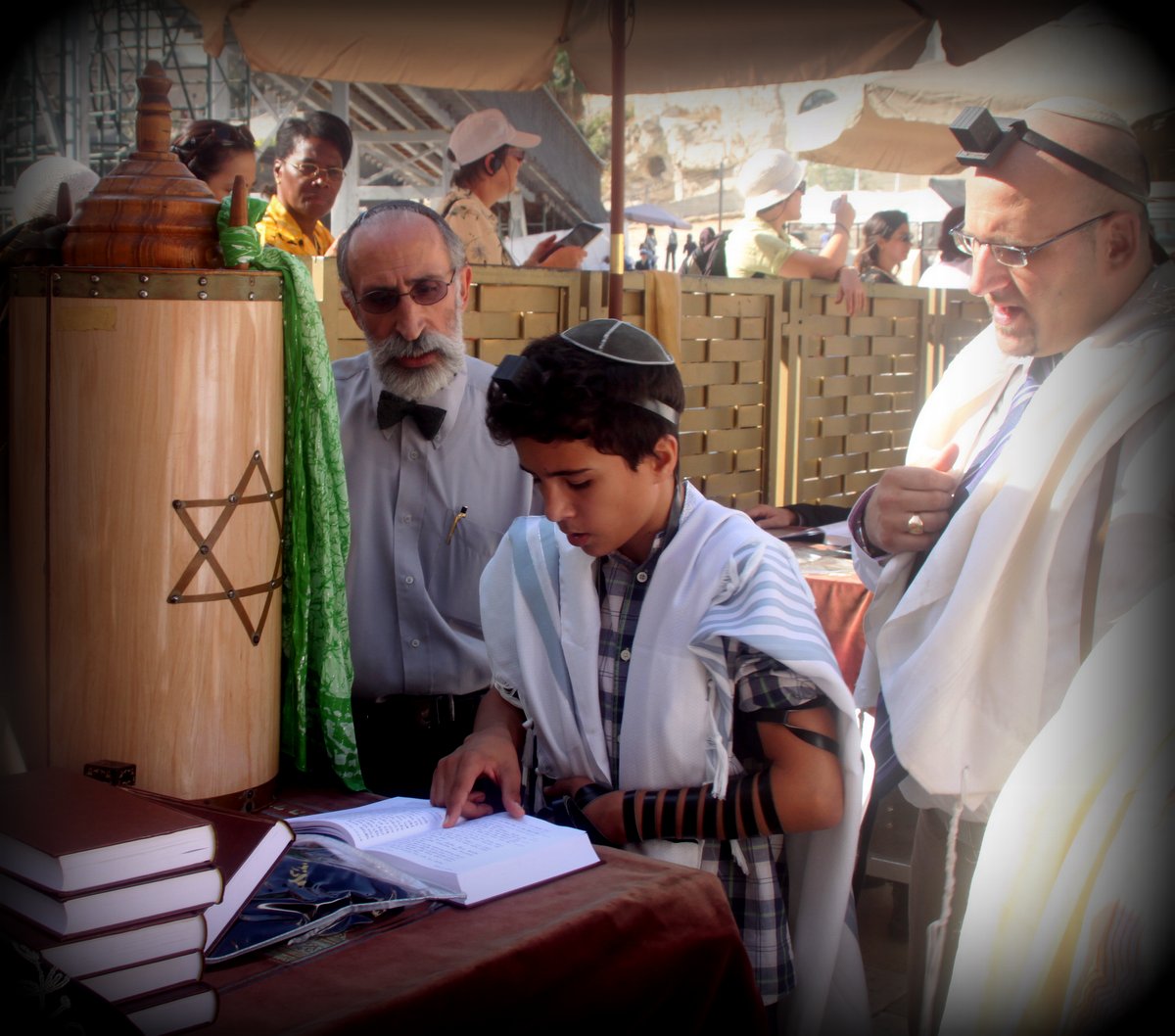 🇮🇱 Jerusalem, Israel and 5 moreBar and bat mitzvahבַּר מִצְוָה / בַּת מִצְוָה
A Jewish rite of passage marking when youth reach adulthood and take responsibility for their own actions.Rite of passage · Feasts and festival meals
🇮🇱 Jerusalem, Israel and 5 moreBar and bat mitzvahבַּר מִצְוָה / בַּת מִצְוָה
A Jewish rite of passage marking when youth reach adulthood and take responsibility for their own actions.Rite of passage · Feasts and festival meals
 🇪🇸 Spain and 2 moreLas arras
Thirteen gold coins, blessed at a wedding and given by the groom to the brideRite of passage
🇪🇸 Spain and 2 moreLas arras
Thirteen gold coins, blessed at a wedding and given by the groom to the brideRite of passage
 🇺🇸 United States and 4 moreLine-crossing ceremony
A naval initiation rite marking a sailor's first voyage across the equatorRite of passage
🇺🇸 United States and 4 moreLine-crossing ceremony
A naval initiation rite marking a sailor's first voyage across the equatorRite of passage
The same idea elsewhere
Death and mourning compared 🇨🇳 Puyang, ChinaFeng shui風水
The Chinese spatial practice of aligning homes and graves with natural energyFolklore
🇨🇳 Puyang, ChinaFeng shui風水
The Chinese spatial practice of aligning homes and graves with natural energyFolklore
 🇬🇭 Ntɔnso, Ghana and 1 moreAdinkra symbols
Symbols of the Akan people, stamped on cloth, each one carrying a proverbCraft
🇬🇭 Ntɔnso, Ghana and 1 moreAdinkra symbols
Symbols of the Akan people, stamped on cloth, each one carrying a proverbCraft
 🇮🇩 Bali, Indonesia and 5 moreIkat
A resist-dyeing craft from Southeast Asia, where yarns are tied and dyed before weavingCraft
🇮🇩 Bali, Indonesia and 5 moreIkat
A resist-dyeing craft from Southeast Asia, where yarns are tied and dyed before weavingCraft
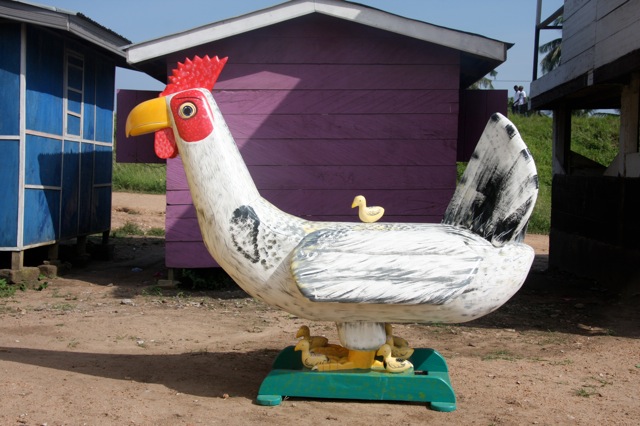 🇬🇭 Accra, GhanaFantasy coffinsAbebuu adekai
Custom hand-carved burial caskets shaped as animals, tools and symbols in southern GhanaRite of passage
🇬🇭 Accra, GhanaFantasy coffinsAbebuu adekai
Custom hand-carved burial caskets shaped as animals, tools and symbols in southern GhanaRite of passage