Music, dance and storytellingLatin America and the CaribbeanIndigenous and traditional
Punta
A lively dance and music style of the Garifuna people, celebrated in Central America and the Caribbean.

Punta is a traditional dance and musical form practiced by the Garifuna communities across Honduras, Belize, Guatemala, and Nicaragua. It traces its roots to Saint Vincent and the Grenadines, blending African and Indigenous Arawak influences. The practice serves as a vital expression of cultural endurance, ancestral connection, and social commentary for the Garinagu people.
When is Punta kept?
Punta is kept at funerals, wakes, holidays, and community gatherings.
Punta represents the rhythmic heartbeat of the Garifuna people, linking their African ancestry with Indigenous Caribbean heritage. This dynamic dance and music tradition functions as both a spiritual anchor and a social outlet. Communities use it to honor ancestors, process grief, and celebrate life through movement and song.
Cultural significance
The Garifuna view this art form as a vessel for their history and resilience. It allows the community to express shared struggles while reconnecting with their forebears. The practice transcends simple entertainment, serving as a poetic folk art that bridges ancient rhythms with contemporary life. Lyrics often address daily realities, pain, and social issues rather than romantic love. This focus on communal experience reinforces group identity and provides an antidote to historical hardships.
Dance and performance
Traditionally, the dance involves a man and a woman moving separately within a circle formed by spectators. They face each other, enacting a courtship ritual where one pursues while the other retreats. The movement mimics mating behaviors, featuring rapid hip and foot motions while the upper body remains still. Couples compete to display superior style and seduction. Spectators encourage dancers with specific calls. The dance appeals across ages and genders, ranging from gentle swaying to more provocative expressions of intimacy.
Music and instruments
The sound relies on responsorial singing accompanied by distinct percussion. Two primary drums drive the rhythm: the primera acts as a lead tenor drum creating complex patterns, while the segunda provides a steady bass beat. Additional instruments include maracas, conch shells, and shekere rattles. The music reflects African and Amerindian origins through call-and-response structures. While the rhythm may feel upbeat, the words frequently convey sadness or reflection on mortality, particularly during wake ceremonies.
Modern evolution
Contemporary practice has shifted significantly from its original context. Children now participate openly, whereas they were once excluded due to the dance's sensual nature. Women have expanded their roles, taking positions as singers and drummers previously reserved for men. The genre has also spawned punta rock, which blends traditional double-meter rhythms with reggae, R&B, and rock elements. This fusion has gained popularity among youth across Central America and the diaspora, ensuring the tradition remains relevant.
How Punta is kept
Communities gather in circles for performances at wakes, holidays, and social events. Dancers move to the beat of drums and shells, engaging in competitive courtship displays. Singers perform lyrics in Garifuna, Spanish, English, or Kriol, often addressing social themes. Modern adaptations include electric instruments and mixed-gender participation, allowing the tradition to evolve while maintaining its core rhythmic identity.
When and where
Kept at nine-night wakes following deaths, Christmas Eve, New Year's Day, and various community celebrations. The timing varies based on social needs and ritual requirements.
Strongest in Honduras and Belize, with significant presence in Guatemala and Nicaragua. Diaspora communities in the United States, particularly New Orleans, maintain these practices.
What Punta means
Punta symbolizes the continuity of life and the retention of culture. It serves as a physical manifestation of intimacy and a means to process collective grief. The dance connects the living with their ancestors, transforming pain into joy and reinforcing ethnic identity in the face of historical displacement.
Questions people ask about Punta
When is Punta kept?
Punta is kept at funerals, wakes, holidays, and community gatherings.
What is Punta?
Punta is a traditional dance and musical genre of the Garifuna people. It combines African and Indigenous Arawak elements to create a unique cultural expression found in Central America and the Caribbean.
Where is Punta practiced?
It is primarily kept in Honduras, Belize, Guatemala, and Nicaragua. Garifuna diaspora communities in the United States also maintain these traditions, especially in cities like New Orleans.
What instruments are used?
The music features two main drums called primera and segunda. Performers also use maracas, conch shells, and shekere rattles to create the distinctive rhythmic accompaniment for the dance.
See also
 ChristmasA festival of Jesus's birth, kept on 25 December with gifts, lights and shared meals
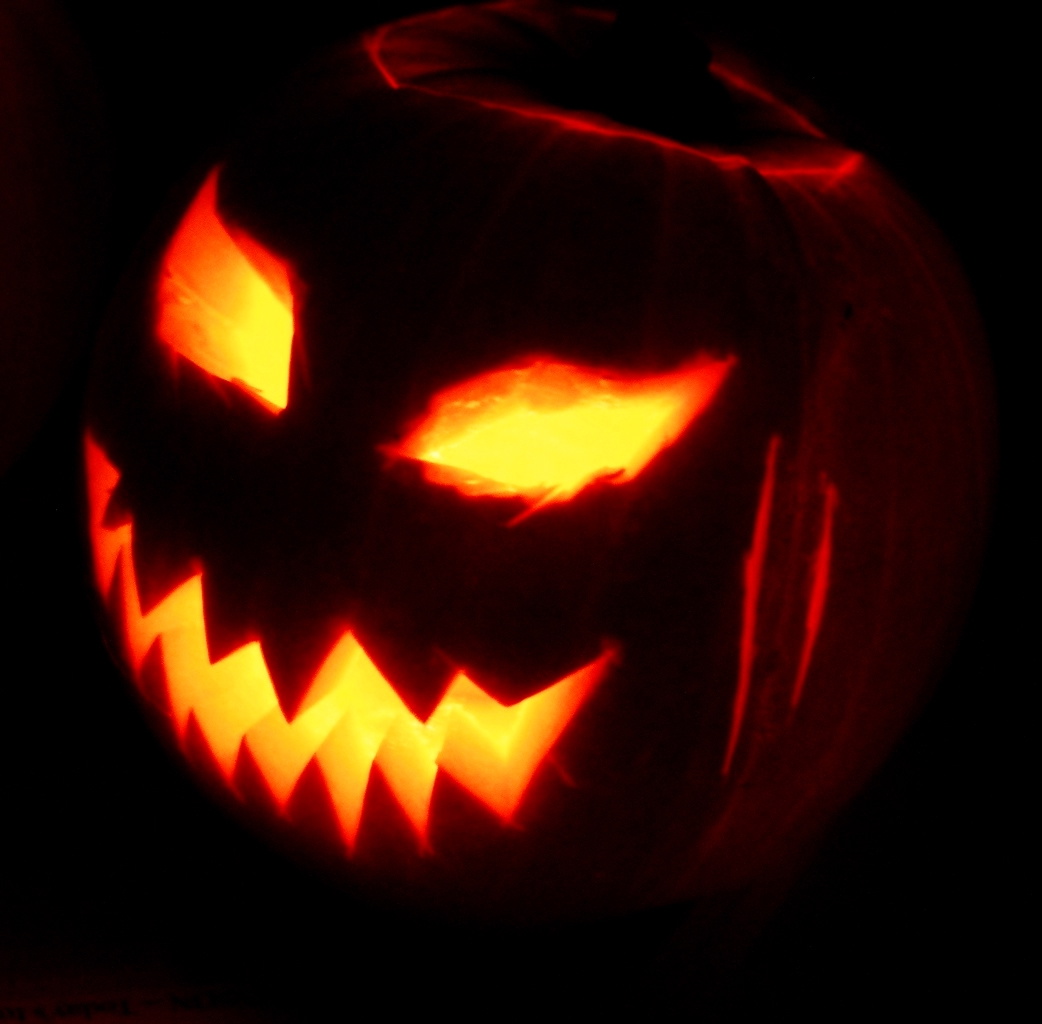 HalloweenAn annual observance on 31 October marking the eve of All Saints' Day, rooted in Christian tradition and Celtic heritage
 Christmas treeA decorated evergreen or artificial tree placed indoors to mark the Christmas season.
 HanukkahAn eight-day Jewish festival marking the rededication of the Second Temple in Jerusalem and the miracle of a single day'
Good reading and sources
- Punta on WikipediaEncyclopedia
- More photos on Wikimedia CommonsPhotos and video
- Wikidata recordOpen data
The facts on this page come from the Wikipedia article "Punta", written by its contributors and used under the CC BY-SA 4.0 licence, and from its Wikidata record (CC0). EveryParampara rewrote the text in its own words, with AI assistance, and compares every page with the article to make sure no passage is copied. It may be reused under the same CC BY-SA 4.0 licence with a link back.
It may contain mistakes. Traditions differ from one family, village and community to the next, and the people who keep them know them best. If something is wrong, tell us. Last refreshed 2026-10-04.
More from Honduras
All the traditions of Honduras 🇲🇽 Veracruz, Mexico and 3 moreBaile folklórico
Staged folk dances of Mexico and Central America, with regional dress and mariachi musicPerformance
🇲🇽 Veracruz, Mexico and 3 moreBaile folklórico
Staged folk dances of Mexico and Central America, with regional dress and mariachi musicPerformance
 🇲🇽 Mexico and 7 moreLas Posadas
A nine-night Christmas pageant remembering Mary and Joseph seeking shelterSpiritual · Feasts and festival meals
🇲🇽 Mexico and 7 moreLas Posadas
A nine-night Christmas pageant remembering Mary and Joseph seeking shelterSpiritual · Feasts and festival meals
The same idea elsewhere
Remembering the ancestors compared 🇲🇽 Mexico City, Mexico and 1 moreDay of the DeadDía de Muertos
A Mexican remembrance of deceased family and friends with altars, marigolds and feastsFestival · Sweets given and shared
🇲🇽 Mexico City, Mexico and 1 moreDay of the DeadDía de Muertos
A Mexican remembrance of deceased family and friends with altars, marigolds and feastsFestival · Sweets given and shared
 🇳🇿 New Zealand and 2 moreMarae
A cleared, sacred gathering place at the heart of Māori and Polynesian community lifeSpiritual
🇳🇿 New Zealand and 2 moreMarae
A cleared, sacred gathering place at the heart of Māori and Polynesian community lifeSpiritual
 🇼🇸 Samoa and 1 moreʻIe tōga
Precious woven mats exchanged in Samoan ceremonies to honor family ties and chiefly status.Dress
🇼🇸 Samoa and 1 moreʻIe tōga
Precious woven mats exchanged in Samoan ceremonies to honor family ties and chiefly status.Dress
 🇹🇱 Timor-LesteUma Lulik
Sacred ancestral clan houses and ritual shrines in East TimorSpiritual
🇹🇱 Timor-LesteUma Lulik
Sacred ancestral clan houses and ritual shrines in East TimorSpiritual