Life-cycle ritesEuropeSecular and civic
Secular coming-of-age ceremony
A non-religious rite of passage for adolescents in Europe and North America, marking the transition to adulthood through

These ceremonies offer a secular alternative to religious confirmations for teenagers. Originating in nineteenth-century Germany, they are now kept across Northern Europe and parts of North America by humanist groups. Participants attend courses or camps to discuss ethics and society before a final celebration with family.
When is Secular coming-of-age ceremony kept?
Secular coming-of-age ceremony is kept during the teenage years, typically between ages 13 and 15.
Secular coming-of-age ceremonies provide a meaningful rite of passage for young people who do not follow a religion. These events help adolescents prepare for adult life by exploring ethical questions and social responsibilities. The tradition began in Germany and has spread to several European nations and North America.
Origins and history
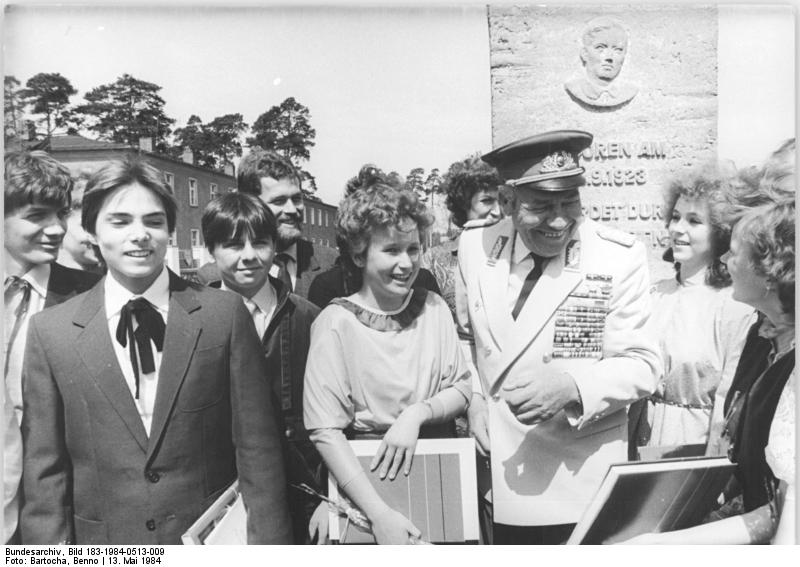
The practice started in nineteenth-century Germany as an alternative to Christian confirmation. Independent freethinker groups first organized these events. During the communist era in East Germany, the state promoted a version called Jugendweihe to replace religious rites. After reunification, the ceremony regained its independent status but remained a popular tradition in eastern regions.
How it is kept
Participants usually join preparation courses or summer camps run by humanist associations. They study topics like civil rights, multiculturalism, and personal relationships. In Finland, this takes the form of the Prometheus Camp, where teens engage in discussions and drama. Iceland and Norway also use weekly group meetings or correspondence courses to prepare youth for their final ceremonies.
Ceremonies and celebrations
Each country holds a distinct finale to mark the occasion. German participants receive certificates after completing their coursework. Finnish teens present a chronicle of their camp week and receive a medallion and leaf crown. Icelandic graduates perform speeches or music during a formal event. Swedish and Norwegian ceremonies often feature plays, songs, and talks from community leaders.
Around the world
While strongest in Nordic countries and Germany, similar practices exist elsewhere. In Denmark, private celebrations have replaced large organized events. In the United States and Canada, ethical societies and Unitarian congregations host ceremonies that include community service and reflections shared with parents and the congregation.
How Secular coming-of-age ceremony is kept
Young people aged thirteen to fifteen join programs led by humanist organizations. They attend classes or camps to learn about ethics, society, and personal growth. The process ends with a public ceremony where participants share their experiences with family and friends through speeches, performances, or the presentation of diplomas and medals.
When and where
Kept during the teenage years, typically around age fourteen or fifteen, depending on the local school system and organizational schedule.
Most common in Germany, particularly in the east, and across the Nordic countries including Finland, Iceland, Norway, Sweden, and Denmark. Smaller groups operate in the United States and Canada.
What Secular coming-of-age ceremony means
The ceremonies symbolize the transition from childhood to responsible adulthood. They emphasize critical thinking, tolerance, and personal agency. By replacing religious doctrine with humanist values, they affirm the importance of individual choice and social responsibility in shaping one's future.
Questions people ask about Secular coming-of-age ceremony
When is Secular coming-of-age ceremony kept?
Secular coming-of-age ceremony is kept during the teenage years, typically between ages 13 and 15.
Where is Secular coming-of-age ceremony kept?
Secular coming-of-age ceremony belongs to the traditions of Germany, Finland, Iceland, Norway and Sweden.
Who keeps Secular coming-of-age ceremony?
As our sources describe it, Secular coming-of-age ceremony is kept by Secular and humanist families. Many other communities and families now share it too.
See also
 Rite of passageA ceremony that marks leaving one group and entering another, with a new status
 First CommunionA Christian rite of passage marking a person's initial reception of the Eucharist.
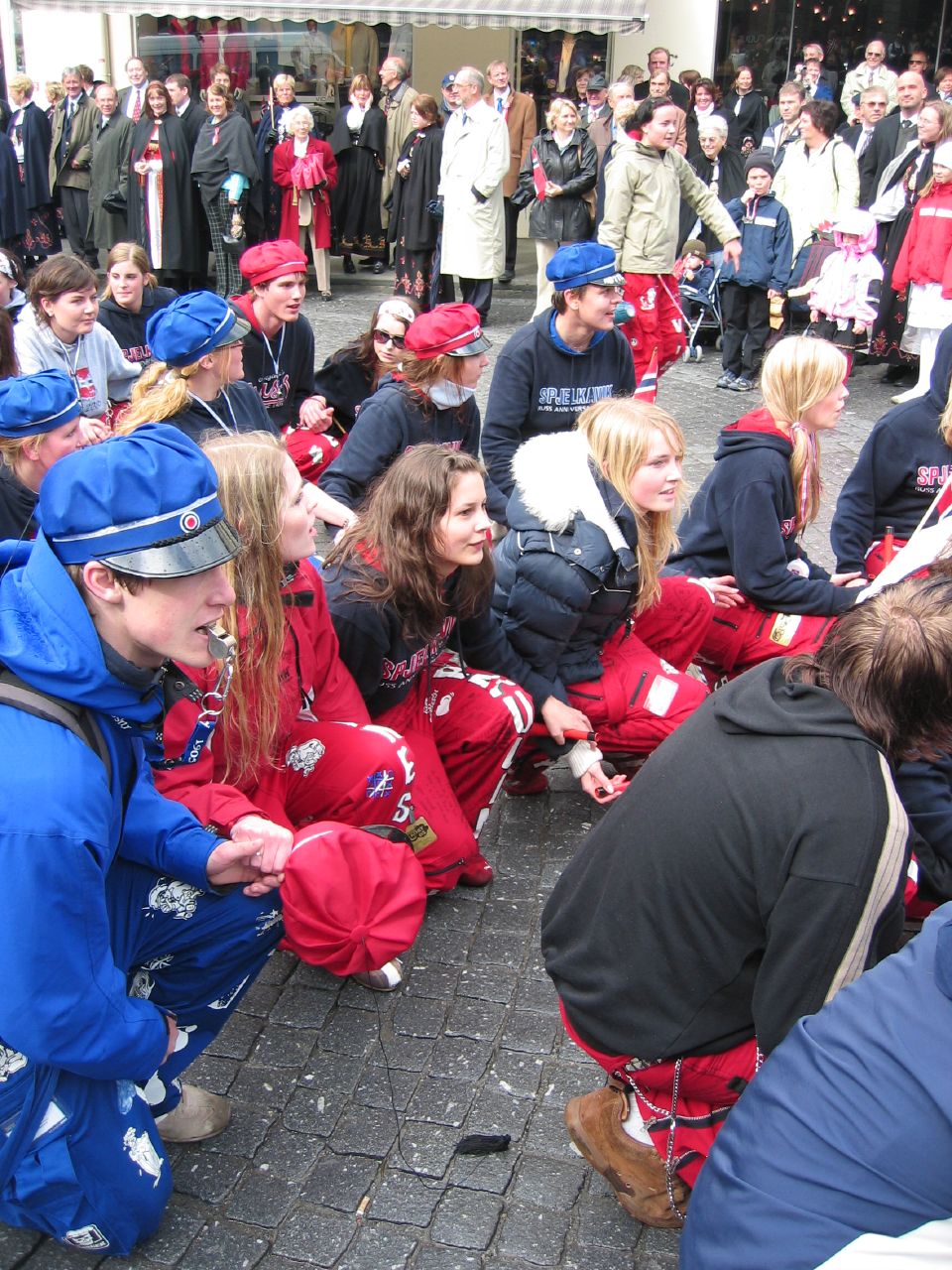 RussefeiringA spring graduation rite of passage for Norwegian secondary school students
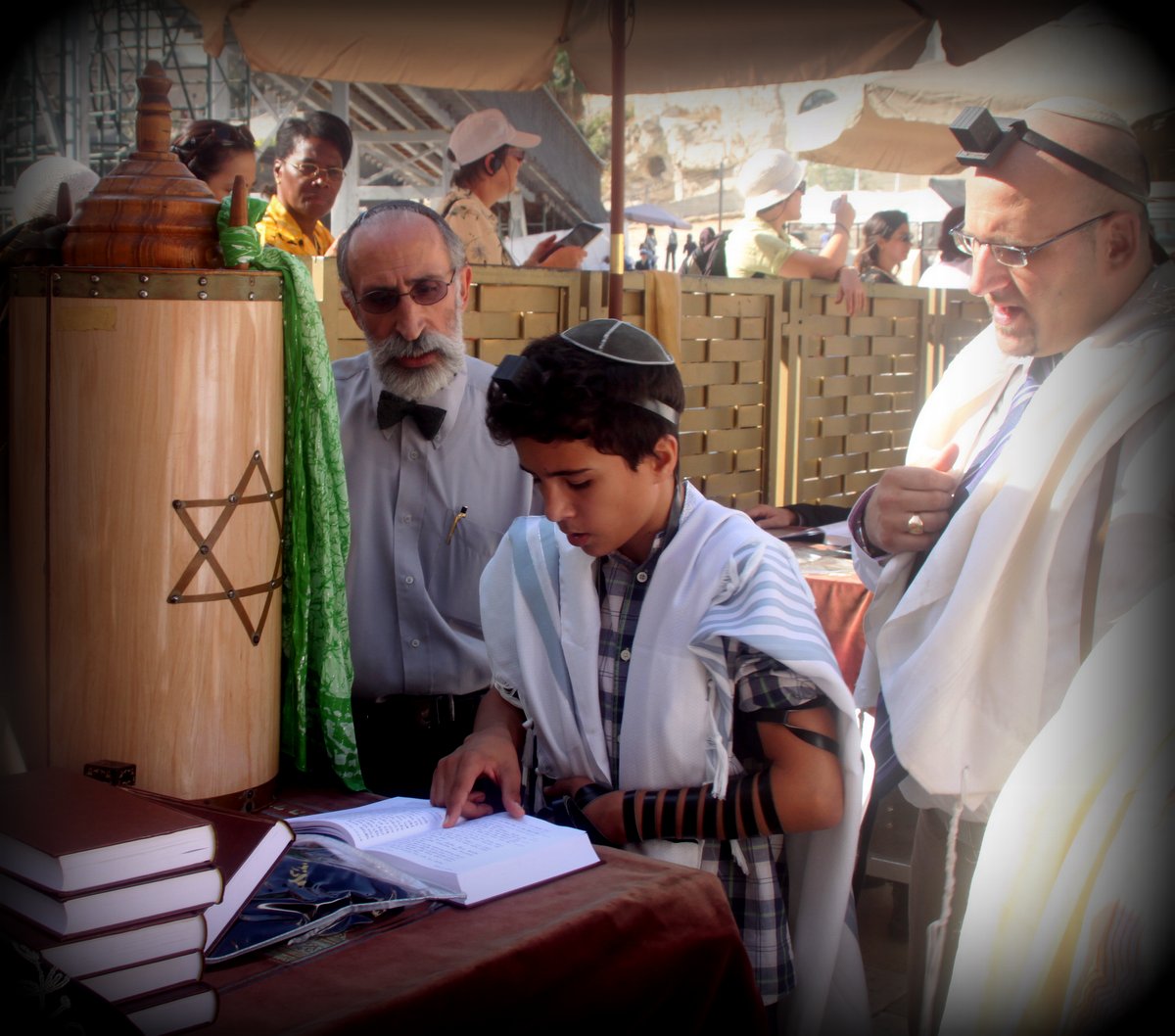 Bar and bat mitzvahA Jewish rite of passage marking when youth reach adulthood and take responsibility for their own actions.
Good reading and sources
- Secular coming-of-age ceremony on WikipediaEncyclopedia
- More photos on Wikimedia CommonsPhotos and video
- Wikidata recordOpen data
The facts on this page come from the Wikipedia article "Secular coming-of-age ceremony", written by its contributors and used under the CC BY-SA 4.0 licence, and from its Wikidata record (CC0). EveryParampara rewrote the text in its own words, with AI assistance, and compares every page with the article to make sure no passage is copied. It may be reused under the same CC BY-SA 4.0 licence with a link back.
It may contain mistakes. Traditions differ from one family, village and community to the next, and the people who keep them know them best. If something is wrong, tell us. Last refreshed 2026-10-06.
More from Germany
All the traditions of Germany
🇮🇱 Jerusalem, Israel and 5 moreBar and bat mitzvahבַּר מִצְוָה / בַּת מִצְוָה
A Jewish rite of passage marking when youth reach adulthood and take responsibility for their own actions.Rite of passage · Feasts and festival meals
🇵🇭 Philippines and 5 moreFirst Communion
A Christian rite of passage marking a person's initial reception of the Eucharist.Rite of passage
 🇮🇱 Tiberias, Israel and 2 moreYahrzeitיאָרצײַט (yortsayt)
A Jewish death anniversary marked by prayer and a burning candle to honour the departed.Rite of passage
🇮🇱 Tiberias, Israel and 2 moreYahrzeitיאָרצײַט (yortsayt)
A Jewish death anniversary marked by prayer and a burning candle to honour the departed.Rite of passage
 🇺🇸 United States and 5 moreBachelor party
A send-off for a groom-to-be, kept in the days and weeks before a weddingRite of passage
🇺🇸 United States and 5 moreBachelor party
A send-off for a groom-to-be, kept in the days and weeks before a weddingRite of passage
The same idea elsewhere
Coming of age compared 🇵🇬 Maprik, Papua New GuineaHaus Tambaran
A sacred house of the Sepik peoples, used for ancestor worship and male initiationSpiritual
🇵🇬 Maprik, Papua New GuineaHaus Tambaran
A sacred house of the Sepik peoples, used for ancestor worship and male initiationSpiritual
 🇪🇬 Egypt and 5 moreTraditional tattooing
The ancient custom of marking the skin for protection, healing, status and sacred ritesDress
🇪🇬 Egypt and 5 moreTraditional tattooing
The ancient custom of marking the skin for protection, healing, status and sacred ritesDress
 🇼🇸 Samoa and 1 morePeʻa
The traditional Samoan rite of full-body tattooing for men, tapped by master artistsRite of passage
🇼🇸 Samoa and 1 morePeʻa
The traditional Samoan rite of full-body tattooing for men, tapped by master artistsRite of passage
 🇮🇱 IsraelTallitטלית
A four-cornered Jewish prayer shawl with ritual fringes worn during worshipSpiritual
🇮🇱 IsraelTallitטלית
A four-cornered Jewish prayer shawl with ritual fringes worn during worshipSpiritual