Life-cycle ritesSoutheast AsiaBuddhist
Thai funeral
Buddhist rites in Thailand featuring water blessings, temple chanting and cremation.

Thai funerals are multi-day Buddhist observances held across Thailand to honour the departed and guide their onward journey. Communities gather for ceremonial water blessings, evening monastic chants and a final cremation, often accompanied by merit-making offerings.
When is Thai funeral kept?
Thai funeral is kept on following a death, with ceremonies spanning several days or months.
Thai funerals are Buddhist rites of passage centred on honouring the deceased, comforting the family and making spiritual merit. Held across Thailand, these multi-day rituals bring relatives and neighbours together at temples or family homes. The observances include a ceremonial water pouring over the deceased person's hand, evening chanting sessions led by Buddhist monks, and a final cremation designed around ancient cosmological symbols.
The bathing and chanting
Shortly after death, relatives and friends gather for a water-pouring ritual. Each attendee pours lustral water over the hand of the deceased person. An undertaker then combs the hair, dresses the body, and places it inside a coffin. The coffin is displayed so loved ones can earn religious merit. Monks are invited to chant passages from the Abhidhamma, usually over three, five, or seven evenings at a local temple. Sponsors among the mourners fund gifts and food for the monks. A key rite involves offering cloth, known as bangsukun, on behalf of the deceased to transfer spiritual merit.
The cremation ceremony
The final stage is cremation, which takes place at a crematorium called a men, named after Mount Meru. A cart bearing the coffin is often pulled three times counter-clockwise around the crematorium by monks, relatives, or friends before being lifted inside. Some cremations happen immediately after the days of chanting, while others take place after an extended period, such as one hundred days or a full year. Additional merit-making rituals are held seven, fifty, and one hundred days after death. The morning following the cremation, family members gather for a breakfast service and collect the ashes to keep at home or inter at a temple.
State and royal honours
High-ranking figures, senior civil servants, and military officers may receive royal sponsorship. This can include consecrated bathing water, burial soil, royal flames, or an upright funerary urn called a kot. Deceased senior monks and state officials lie in state at major temples for weeks or months, accompanied by traditional piphat musical ensembles and regular chanting. State processions feature armed escorts, gun salutes, and commemorative books. For monarchs and high royalty, grand ceremonies take place at Sanam Luang in Bangkok, where a dedicated royal crematorium known as a phra merumat is constructed for the event.
Hospitality and community gatherings
Hosting a funeral involves welcoming mourners with food and drink. In earlier times, wealthier families also arranged theatrical shows, and entertaining visitors remains a customary element in rural districts today. Providing generous hospitality can be costly for the bereaved family, inspiring the traditional Thai idiom about the dead selling the living, which cautions against descending into debt. Despite these burdens, funerals serve as essential social gatherings where relatives, neighbours, and monastic communities reaffirm their shared obligations and offer collective support during loss.
How Thai funeral is kept
When someone dies, mourners gather to pour consecrated water over the hand of the deceased before the body is dressed and placed in a coffin. Monks are invited to chant scriptures, typically over three to seven consecutive evenings at a temple, where guests make merit by offering cloth and provisions. On the day of cremation, mourners guide the coffin three times around the temple crematorium in an anti-clockwise direction. The body is then cremated, and family members collect the ashes the next morning following a communal breakfast service.
When and where
Ceremonies begin shortly after a death occurs, with chanting held over three, five, or seven consecutive nights. Cremation may follow immediately or after a waiting period of one hundred days or a year. Special merit-making rites also occur seven, fifty, and one hundred days after death.
These rites are practiced throughout Thailand, primarily at Buddhist temples and community crematoriums. Royal and state funerals take place at major temples or at the historic Sanam Luang royal field in Bangkok.
What Thai funeral means
The rites centre on generating merit to support the deceased in their next life. Offerings of cloth to monks, called bangsukun, directly transfer spiritual virtue. Temple crematoriums, known as men, represent the sacred Mount Meru from Buddhist and Hindu cosmology, while encircling the structure counter-clockwise marks the soul's transition.


Questions people ask about Thai funeral
When is Thai funeral kept?
Thai funeral is kept on following a death, with ceremonies spanning several days or months.
What is a Thai funeral?
A Thai funeral is a traditional Buddhist rite of passage consisting of a bathing ceremony, multiple evenings of scriptural chanting by monks, merit-making offerings, and a ritual cremation at a temple crematorium.
What happens during the bathing ceremony?
Shortly after death, guests assemble to pour lustral water over the hand of the deceased person. Afterward, the hair is combed, the body is dressed, and the deceased is placed in a coffin for public merit making.
How are state and royal funerals distinguished?
State and royal funerals include extended lying-in-state periods, traditional piphat music, military salutes, and royal gifts such as consecrated flames or urns. Grand royal cremations are held in a purpose-built structure at Sanam Luang in Bangkok.
See also
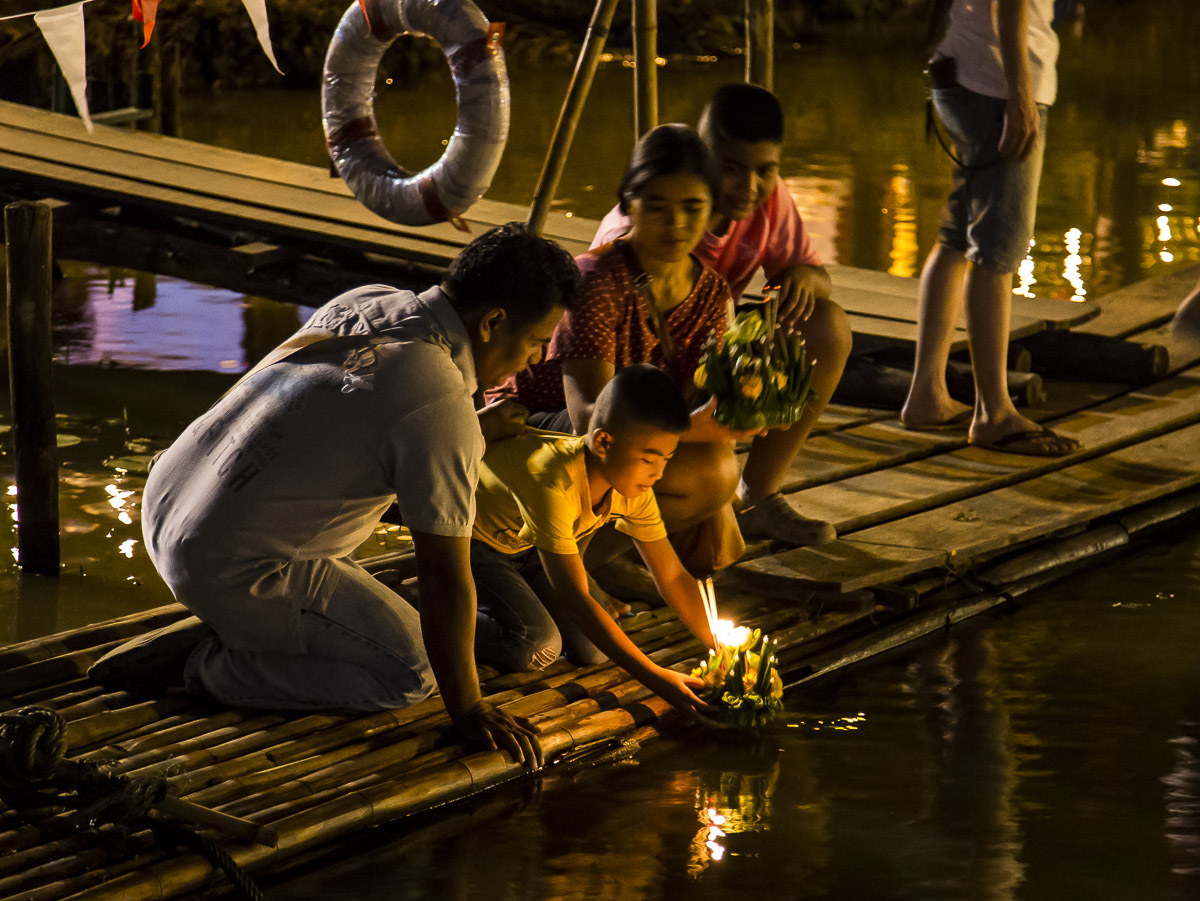 Loy KrathongA Thai festival of floating leaf baskets on rivers to honor water and release negativity.
 Double Ninth FestivalAn autumn festival of mountain walks, chrysanthemum wine and ancestor remembrance
 KathinaA Buddhist season of offering new robes and gifts to monks after the rains retreat
 Royal Ploughing CeremonyA royal agricultural rite opening the rice season across mainland Southeast Asia
Good reading and sources
- Thai funeral on WikipediaEncyclopedia
- More photos on Wikimedia CommonsPhotos and video
- Wikidata recordOpen data
The facts on this page come from the Wikipedia article "Thai funeral", written by its contributors and used under the CC BY-SA 4.0 licence, and from its Wikidata record (CC0). EveryParampara rewrote the text in its own words, with AI assistance, and compares every page with the article to make sure no passage is copied. It may be reused under the same CC BY-SA 4.0 licence with a link back.
It may contain mistakes. Traditions differ from one family, village and community to the next, and the people who keep them know them best. If something is wrong, tell us. Last refreshed 2026-10-04.
More from Thailand
All the traditions of Thailand 🇲🇲 Yangon, Myanmar and 1 moreShinbyuရှင်ပြု
A Burmese Buddhist rite in which a boy goes forth as a novice monk, often at New YearRite of passage
🇲🇲 Yangon, Myanmar and 1 moreShinbyuရှင်ပြု
A Burmese Buddhist rite in which a boy goes forth as a novice monk, often at New YearRite of passage
 🇯🇵 Kyoto, Japan and 5 moreTeeth blackening
A custom of dyeing teeth black to mark adulthood and beauty in parts of Asia and Oceania.Rite of passage
🇯🇵 Kyoto, Japan and 5 moreTeeth blackening
A custom of dyeing teeth black to mark adulthood and beauty in parts of Asia and Oceania.Rite of passage
 🇮🇳 India and 5 morePretaप्रेत
Offerings and rites for spirits enduring deep hunger across Asian traditions.Spiritual
🇹🇭 ThailandThai solar calendarปฏิทินสุริยคติไทย
The official solar calendar of Thailand, numbered in the Buddhist EraSeasonal
🇮🇳 India and 5 morePretaप्रेत
Offerings and rites for spirits enduring deep hunger across Asian traditions.Spiritual
🇹🇭 ThailandThai solar calendarปฏิทินสุริยคติไทย
The official solar calendar of Thailand, numbered in the Buddhist EraSeasonal
The same idea elsewhere
Death and mourning compared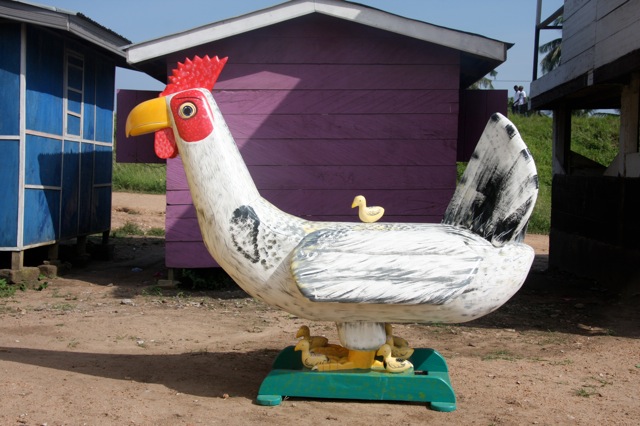 🇬🇭 Accra, GhanaFantasy coffinsAbebuu adekai
Custom hand-carved burial caskets shaped as animals, tools and symbols in southern GhanaRite of passage
🇬🇭 Accra, GhanaFantasy coffinsAbebuu adekai
Custom hand-carved burial caskets shaped as animals, tools and symbols in southern GhanaRite of passage
 🇨🇳 Puyang, ChinaFeng shui風水
The Chinese spatial practice of aligning homes and graves with natural energyFolklore
🇨🇳 Puyang, ChinaFeng shui風水
The Chinese spatial practice of aligning homes and graves with natural energyFolklore
 🇳🇬 Lagos, NigeriaEyo FestivalAdamu Orisha Play
A Yoruba masquerade procession honouring departed leaders and royalty in LagosFestival
🇳🇬 Lagos, NigeriaEyo FestivalAdamu Orisha Play
A Yoruba masquerade procession honouring departed leaders and royalty in LagosFestival
 🇬🇭 Akropong, GhanaOdwira Festival
An annual harvest and purification festival celebrated by the Akuapem in GhanaFestival · Feasts and festival meals
🇬🇭 Akropong, GhanaOdwira Festival
An annual harvest and purification festival celebrated by the Akuapem in GhanaFestival · Feasts and festival meals