Festivals and celebrationsSoutheast AsiaBuddhist
Vessantara Jataka
In its own language: Vessantara Jātaka
A Buddhist festival celebrating the last life of the Buddha as a generous prince.

The Vessantara Jataka is a central story in Theravada Buddhism about Prince Vessantara's perfect generosity. Communities across Southeast Asia and Sri Lanka celebrate it through festivals, sermons, and performances. The tale highlights his ultimate sacrifice of giving away his family to achieve spiritual perfection.
When is Vessantara Jataka kept?
Vessantara Jataka is kept on annually during specific Buddhist festivals.
The Vessantara Jataka is a revered Buddhist narrative celebrated across Southeast Asia and Sri Lanka. It recounts the final past life of Gautama Buddha as Prince Vessantara. The story emphasizes the virtue of perfect generosity through extreme acts of giving. Communities honor this tale with festivals, sermons, and artistic performances that reinforce spiritual values.
The story of generosity
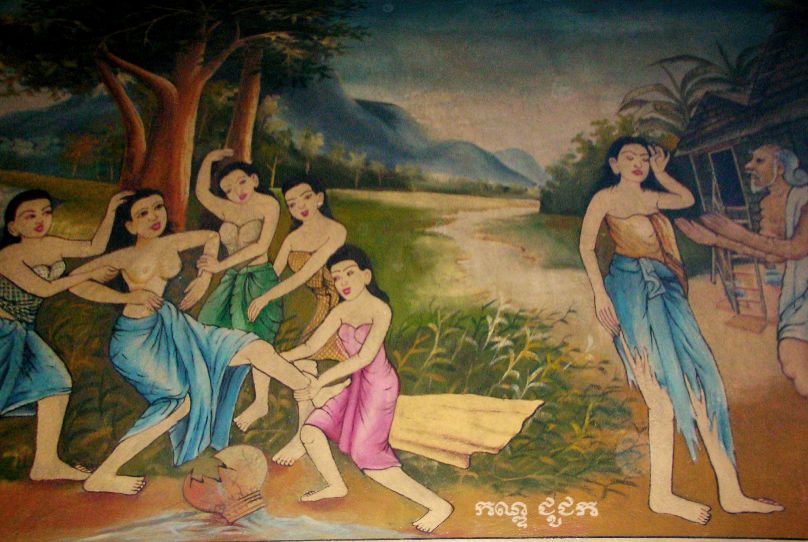
Prince Vessantara was born in the merchant quarter of Jatuttara. He grew up to be exceptionally charitable, giving away wealth and possessions. As king, he gave away a magical white elephant that brought rain to his kingdom. This act angered his subjects, who feared drought. They demanded his banishment. Vessantara left with his wife Madri and two children to live as hermits in the forest. A greedy Brahmin named Jujaka asked for the children. Vessantara gave them away, enduring great emotional pain. Later, he also gave away his wife to a disguised deity. His parents eventually rescued the children, and the family was reunited under a miraculous red rain.
Festival celebrations
The story is commemorated in annual festivals across the region. In Thailand, the Thet Mahachat features long sermons by monks and cultural performances. Laos celebrates Boun Pha Vet with similar rituals and parades. Cambodia and Myanmar also observe these events. In Sri Lanka, verses from the Vessantara Kāvya are recited at funerals. These gatherings often include dance, drama, and processions. The narratives are depicted on temple walls and silk cloths throughout Southeast Asia. These festivals serve as important cultural touchstones for local communities.
Spiritual significance
The tale illustrates the paramis, or perfections required for Buddhahood. Vessantara’s actions demonstrate the highest level of generosity. The story connects directly to the historical Buddha’s previous lives. Each character in the tale is linked to figures in the Buddha’s final life. For example, Vessantara’s son Rahula becomes the Buddha’s son. The narrative reinforces moral values and community bonds. It serves as a guide for ethical conduct and spiritual development within Theravada Buddhism.
Kingship and legitimacy
In Thailand, the Vessantara Jataka has historically supported royal authority. Monarchs used the Great Birth festival to legitimize their rule. The emphasis on merit-making and generosity aligned with ideal kingship. The story provided a model for rulers to follow. By participating in these festivals, kings demonstrated their commitment to public welfare. This connection between religious narrative and political power strengthened social stability. The tradition continues to influence cultural identity in the region.
How Vessantara Jataka is kept
Monks deliver lengthy sermons recounting the entire text of the Vessantara Jataka. Communities organize festive parades and processions through towns. Performers engage in dance and drama depicting key scenes from the story. People visit temples to listen to the teachings and participate in rituals. In Sri Lanka, specific verses are recited during funeral ceremonies. Families may also engage in merit-making activities associated with the festival.
When and where
The festival occurs annually, though exact dates vary by country and calendar system. It is tied to specific Buddhist observances and lunar cycles. The timing allows communities to gather for extended periods of celebration and reflection.
The tradition is strongest in Thailand, Laos, Cambodia, Myanmar, and Sri Lanka. It is particularly prominent in Central Thailand and the Isan region. Galle in Sri Lanka is noted for its specific literary traditions related to the story. The narrative is widespread across Southeast Asian Buddhist cultures.
What Vessantara Jataka means
The story symbolizes the ultimate sacrifice for spiritual growth. Vessantara’s generosity represents the perfection of the giving virtue. The red rain signifies divine approval and purification. The reunion of the family highlights the rewards of steadfastness. The narrative teaches that true happiness comes from selfless action and compassion.



Questions people ask about Vessantara Jataka
When is Vessantara Jataka kept?
Vessantara Jataka is kept on annually during specific Buddhist festivals.
What is the Vessantara Jataka?
It is a popular Buddhist story about Prince Vessantara, the last life of Gautama Buddha. The tale focuses on his extreme generosity and willingness to give away everything, including his family, to achieve spiritual perfection.
Where is this tradition kept?
It is celebrated primarily in Thailand, Laos, Cambodia, Myanmar, and Sri Lanka. These countries hold annual festivals featuring sermons, performances, and processions honoring the narrative.
Why do people celebrate it?
Communities celebrate it to honor the virtue of generosity and learn moral lessons. The story provides a model for ethical behavior and spiritual development. It also reinforces cultural identity and community bonds through shared rituals.
See also
 DiwaliA five-day festival of lights celebrated across India and its diaspora to mark the victory of light over darkness.
 Naga fireballsA festival of glowing orbs rising from the Mekong River, attributed to a mythical serpent.
 Ganesh ChaturthiA Hindu festival celebrating the arrival of Ganesha, marked by clay idols, sweets, and public processions.
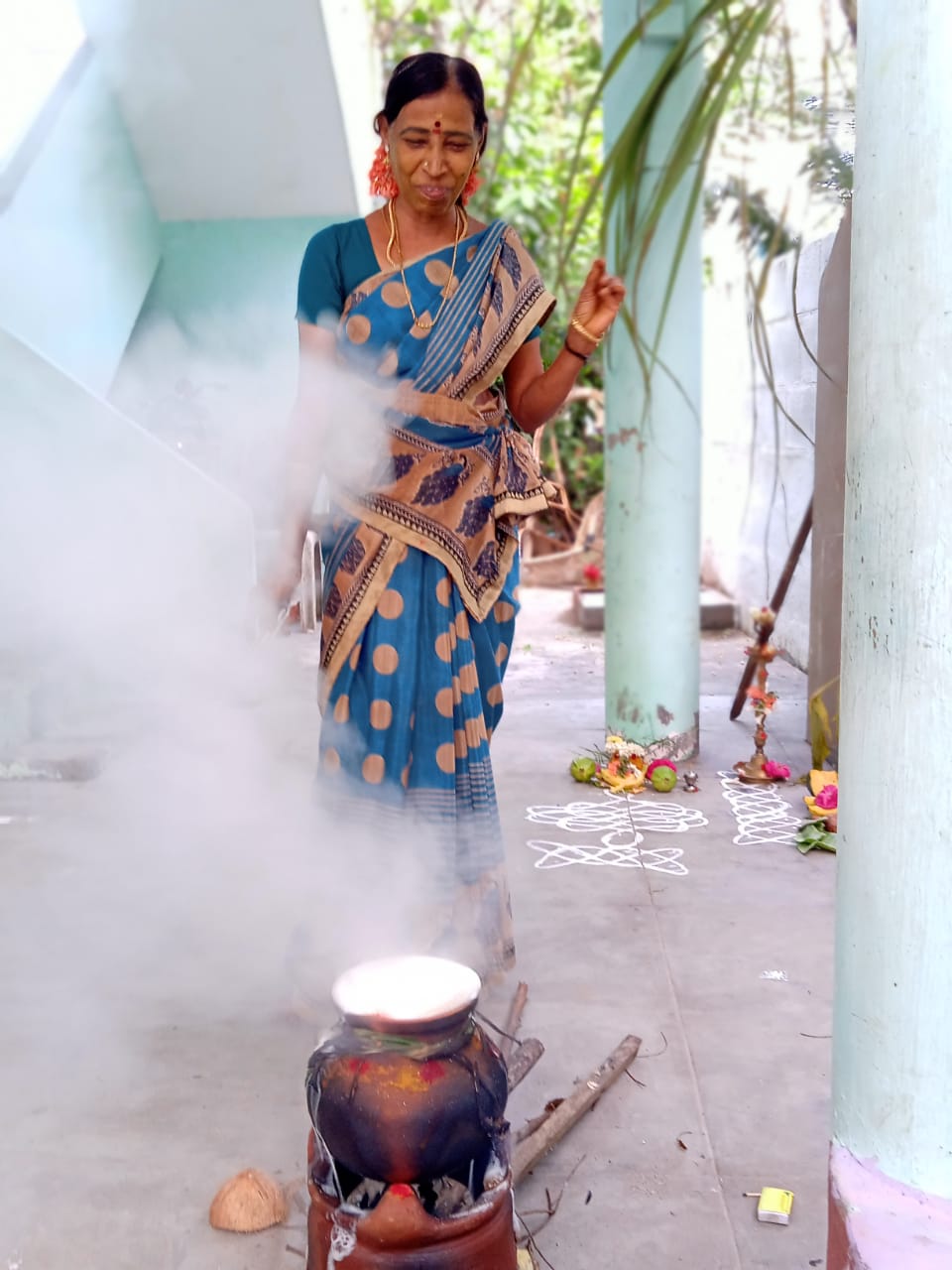 PongalThree or four days of boiling rice, garlanded cattle and thanks to the sun
Good reading and sources
- Vessantara Jātaka on WikipediaEncyclopedia
- More photos on Wikimedia CommonsPhotos and video
- Wikidata recordOpen data
The facts on this page come from the Wikipedia article "Vessantara Jātaka", written by its contributors and used under the CC BY-SA 4.0 licence, and from its Wikidata record (CC0). EveryParampara rewrote the text in its own words, with AI assistance, and compares every page with the article to make sure no passage is copied. It may be reused under the same CC BY-SA 4.0 licence with a link back.
It may contain mistakes. Traditions differ from one family, village and community to the next, and the people who keep them know them best. If something is wrong, tell us. Last refreshed 2026-10-06.
More from Thailand
All the traditions of Thailand
🇹🇭 Phon Phisai, Thailand and 1 moreNaga fireballsบั้งไฟพญานาค (bang fai phaya nak)
A festival of glowing orbs rising from the Mekong River, attributed to a mythical serpent.Festival
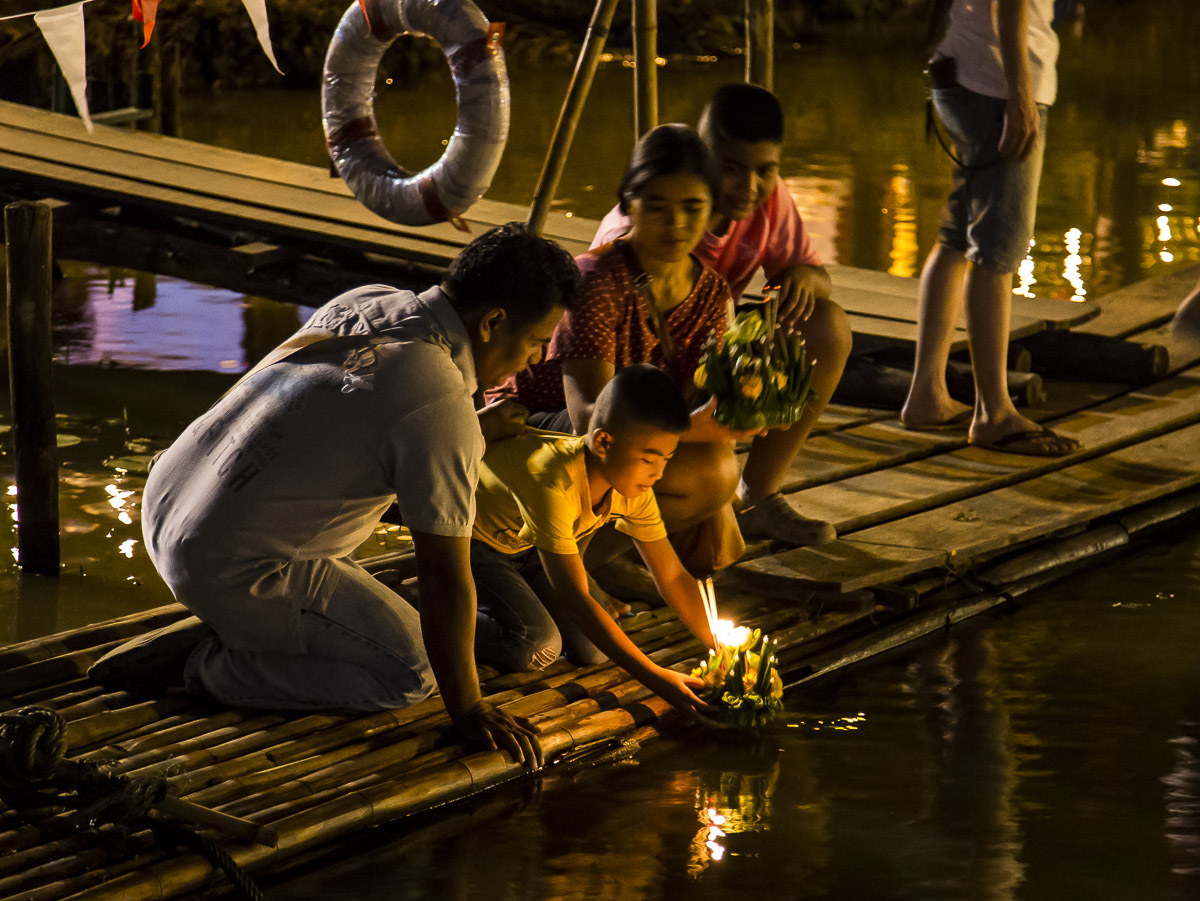 🇹🇭 Chiang Mai, Thailand and 5 moreLoy Krathongลอยกระทง
A Thai festival of floating leaf baskets on rivers to honor water and release negativity.Festival
🇹🇭 Chiang Mai, Thailand and 5 moreLoy Krathongลอยกระทง
A Thai festival of floating leaf baskets on rivers to honor water and release negativity.Festival
 🇱🇦 Laos and 3 moreRocket Festivalບຸນບັ້ງໄຟ
A rainy-season festival of merit-making, music, parades and homemade rocketsFestival
🇱🇦 Laos and 3 moreRocket Festivalບຸນບັ້ງໄຟ
A rainy-season festival of merit-making, music, parades and homemade rocketsFestival
 🇱🇰 Colombo, Sri Lanka and 5 moreVesakVisakha Bucha (Thailand), Visakha Bouxa (Laos), Full Moon Day of Kason (Myanmar)
A day to honor the birth, awakening, and passing of the Buddha, kept by Buddhists across Asia.Festival
🇱🇰 Colombo, Sri Lanka and 5 moreVesakVisakha Bucha (Thailand), Visakha Bouxa (Laos), Full Moon Day of Kason (Myanmar)
A day to honor the birth, awakening, and passing of the Buddha, kept by Buddhists across Asia.Festival
The same idea elsewhere
Remembering the ancestors compared 🇮🇪 Ireland and 5 moreHalloween
An annual observance on 31 October marking the eve of All Saints' Day, rooted in Christian tradition and Celtic heritageFestival · Sweets given and shared
🇮🇳 Ayodhya, India and 7 moreDiwaliदीपावली (Dīpāvalī)
A five-day festival of lights celebrated across India and its diaspora to mark the victory of light over darkness.Festival · Feasts and festival meals
🇮🇪 Ireland and 5 moreHalloween
An annual observance on 31 October marking the eve of All Saints' Day, rooted in Christian tradition and Celtic heritageFestival · Sweets given and shared
🇮🇳 Ayodhya, India and 7 moreDiwaliदीपावली (Dīpāvalī)
A five-day festival of lights celebrated across India and its diaspora to mark the victory of light over darkness.Festival · Feasts and festival meals
 🇮🇷 Iran and 7 moreNowruzنوروز
The Iranian new year at the March equinox, kept with fire, greenery and picnicsSeasonal
🇮🇷 Iran and 7 moreNowruzنوروز
The Iranian new year at the March equinox, kept with fire, greenery and picnicsSeasonal
 🇮🇱 Jerusalem, Israel and 1 moreHanukkahחֲנֻכָּה
An eight-day Jewish festival marking the rededication of the Second Temple in Jerusalem and the miracle of a single day'Festival
🇮🇱 Jerusalem, Israel and 1 moreHanukkahחֲנֻכָּה
An eight-day Jewish festival marking the rededication of the Second Temple in Jerusalem and the miracle of a single day'Festival