Dress and adornment
Clothes, jewellery, henna, tattoo and hair.
Dress and adornment traditions cover the clothes, jewellery, hairstyles, tattoos and henna that people wear to mark who they are and what the day is. A sari, a kilt, a kente cloth, a hanbok or a poncho is a statement of belonging, and the way it is worn tells of age, marriage, rank or region. Some garments are worn every day, others only on festivals, and many are made by hand by craftspeople whose skills are handed down. EveryParampara describes them with respect and notes how they are changing.
Cloth and meaning
Colour, pattern and fibre carry meaning: red for luck in China and India, white for mourning in some places and for brides in others, kente patterns that name proverbs, tartans that name clans. The making of cloth, whether by weaving, dyeing, printing or embroidery, is itself a tradition, and master weavers are honoured. A garment given at a wedding or handed down in a family holds the memory of the people who wore it.
Skin, hair and ornament
Body decoration is as old as cloth. Henna on the hands of a bride, a bindi on the forehead, the tattoos of Samoa and the Maori, the plaited hair of West Africa, the lip plates and neck rings of some peoples, each is a language. Many are rites of passage, done at a coming of age or a wedding. They are best described by those who wear them, and EveryParampara aims to give their meaning, not to treat them as curiosities.
Written by the EveryParampara desk with AI assistance. Background on Dress and adornment (kind of tradition). Customs differ from place to place and family to family. If this is your tradition and we have it wrong, tell us.
 🇳🇵 Nepal and 1 moreDhaka topiढाका टोपी
A patterned cotton cap worn across Nepal as part of the national dressDress
🇳🇵 Nepal and 1 moreDhaka topiढाका टोपी
A patterned cotton cap worn across Nepal as part of the national dressDress
 🇵🇰 Karachi, PakistanPakistani clothing
Shalwar kameez and its many regional forms, worn across Pakistan's provincesDress
🇵🇰 Karachi, PakistanPakistani clothing
Shalwar kameez and its many regional forms, worn across Pakistan's provincesDress
 🇬🇧 United KingdomGuernsey
A traditional seamless wool sweater crafted for seafarers across the British IslesDress
🇮🇳 IndiaLohepfhe
A handwoven black shawl with red and green bands, worn by Angami and Chakhesang Naga men as a marker of identity.Dress
🇬🇧 United KingdomGuernsey
A traditional seamless wool sweater crafted for seafarers across the British IslesDress
🇮🇳 IndiaLohepfhe
A handwoven black shawl with red and green bands, worn by Angami and Chakhesang Naga men as a marker of identity.Dress
 🇪🇸 Seville, SpainTraje de flamenca
The ruffled dress women wear to the fairs of AndalusiaDress
🇪🇸 Seville, SpainTraje de flamenca
The ruffled dress women wear to the fairs of AndalusiaDress
 🇵🇭 PhilippinesPatadyong
A traditional Philippine wrap skirt and versatile woven cloth from the VisayasDress
🇵🇭 PhilippinesPatadyong
A traditional Philippine wrap skirt and versatile woven cloth from the VisayasDress
 🇯🇵 JapanAuxiliary armour (Japan)
Extra guards that filled the gaps left by the six main pieces of a Japanese armour setDress
🇯🇵 JapanAuxiliary armour (Japan)
Extra guards that filled the gaps left by the six main pieces of a Japanese armour setDress
 🇪🇸 Valencia, Spain and 2 morePeineta
A curved decorative comb worn by women beneath a lace mantilla in the Hispanic worldDress
🇪🇸 Valencia, Spain and 2 morePeineta
A curved decorative comb worn by women beneath a lace mantilla in the Hispanic worldDress
 🇷🇺 Russia and 5 morePapakha
A sheepskin hat of the Caucasus, worn by highland men and by army regimentsDress
🇷🇺 Russia and 5 morePapakha
A sheepskin hat of the Caucasus, worn by highland men and by army regimentsDress
 🇨🇳 China and 1 moreChinese patchwork
A needlework craft joining fabric scraps into protective clothing, quilts and folk artCraft
🇨🇳 China and 1 moreChinese patchwork
A needlework craft joining fabric scraps into protective clothing, quilts and folk artCraft
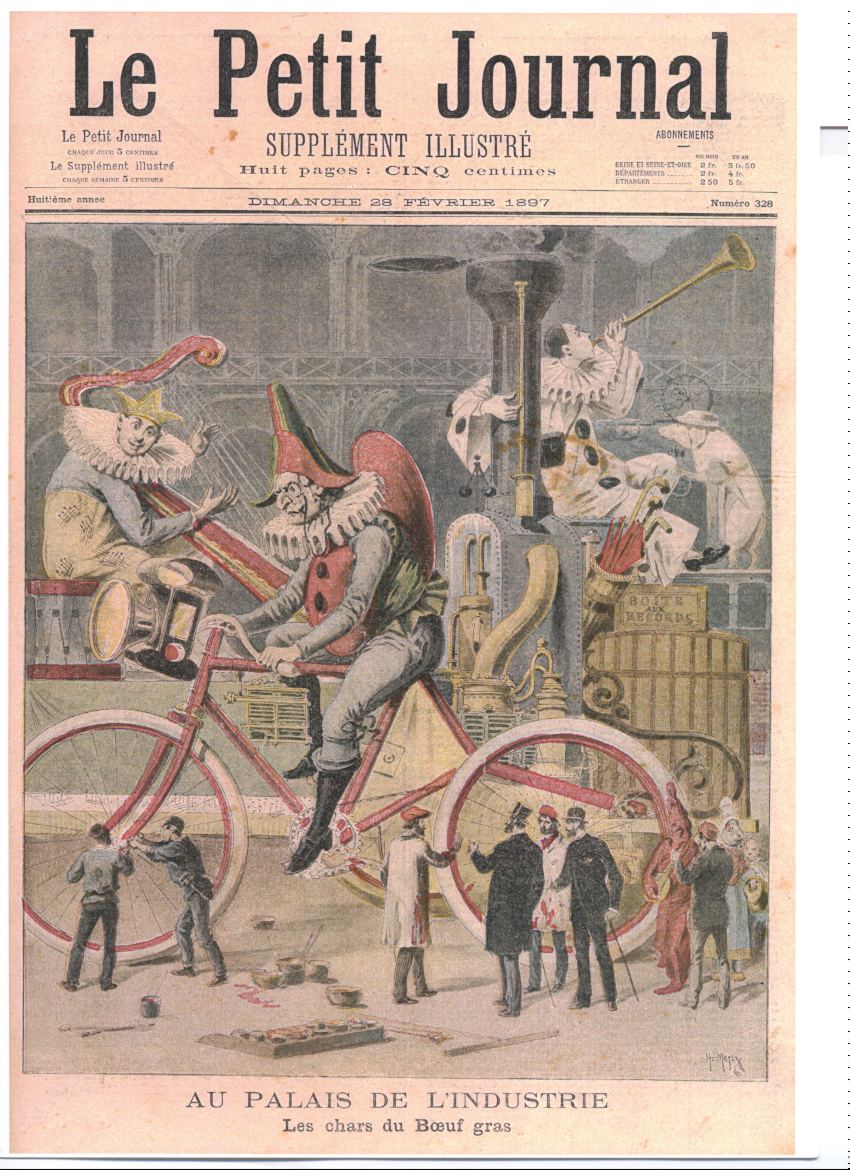 🇫🇷 Paris, FranceParis CarnivalCarnaval de Paris
An annual street celebration and costume procession across ParisFestival
🇫🇷 Paris, FranceParis CarnivalCarnaval de Paris
An annual street celebration and costume procession across ParisFestival
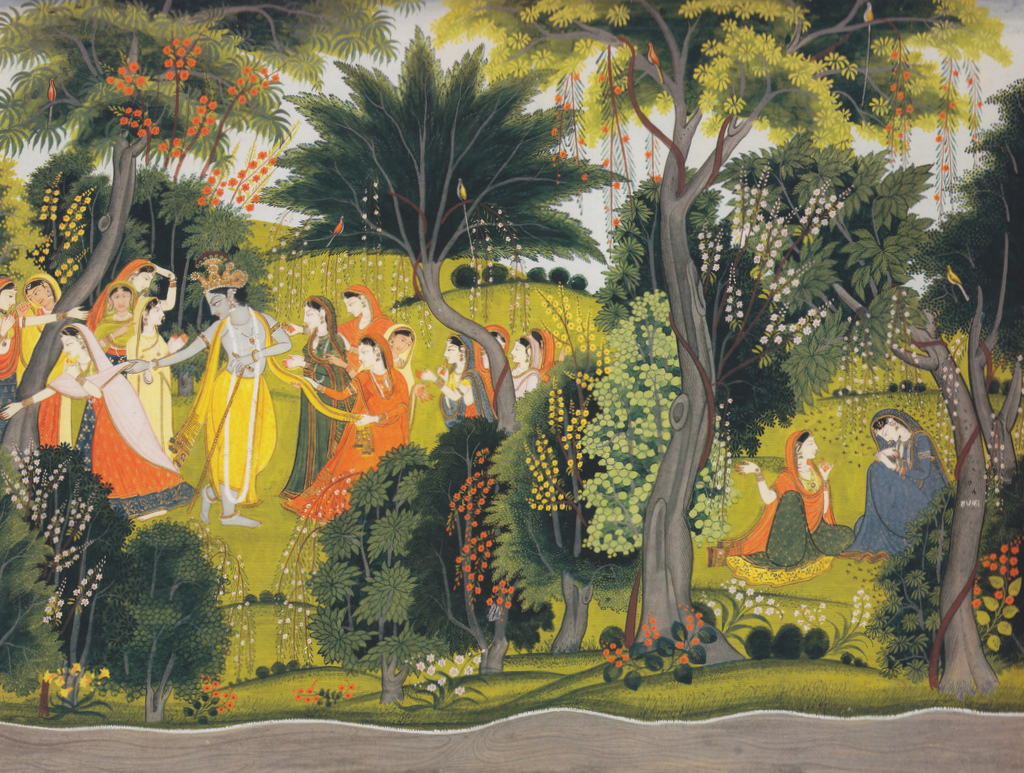 🇮🇳 IndiaLuanchariलोआंचरी
A traditional one-piece flared garment worn by Gaddi women in Himachal PradeshDress
🇮🇳 IndiaLuanchariलोआंचरी
A traditional one-piece flared garment worn by Gaddi women in Himachal PradeshDress
 🇩🇿 Tlemcen, AlgeriaChedda of Tlemcenشدة تلمسانية
The bridal dress of Tlemcen, velvet and gold thread, worn with a jewelled headdressDress
🇩🇿 Tlemcen, AlgeriaChedda of Tlemcenشدة تلمسانية
The bridal dress of Tlemcen, velvet and gold thread, worn with a jewelled headdressDress
 🇦🇫 AfghanistanPashtun clothing
Loose linen clothes worn by Pashtun men and women in Afghanistan and PakhtunkhwaDress
🇦🇫 AfghanistanPashtun clothing
Loose linen clothes worn by Pashtun men and women in Afghanistan and PakhtunkhwaDress
 🇳🇵 Kathmandu, NepalTraditional Newar clothingनेवार समुदायमा भएको संस्कृति पहिरन
The customary handwoven dress and ceremonial garments of Nepal's Newar peopleDress
🇳🇵 Kathmandu, NepalTraditional Newar clothingनेवार समुदायमा भएको संस्कृति पहिरन
The customary handwoven dress and ceremonial garments of Nepal's Newar peopleDress
 🇨🇱 ChileChupalla
The straw hat of the Chilean horseman, worn for the cueca and the rodeoDress
🇨🇱 ChileChupalla
The straw hat of the Chilean horseman, worn for the cueca and the rodeoDress
 🇪🇬 EgyptKallawtahكلوتة
A rounded Turkic cap worn in the medieval Middle East, its colour set in Mamluk EgyptDress
🇪🇬 EgyptKallawtahكلوتة
A rounded Turkic cap worn in the medieval Middle East, its colour set in Mamluk EgyptDress
Photo credits on this page
The small pictures above come from Wikimedia Commons under free licences. Some are cropped to fit.
- Traje de flamenca: MariCruz México, CC BY-SA 4.0, source
- Auxiliary armour (Japan): Samuraiantiqueworld, CC BY-SA 3.0, source
- Pashtun clothing: Staff Sgt. Ian M. Terry, Public domain, source
- Chupalla: Flavio Bastos Amiel, CC BY 2.0, source
- Dhaka topi: Sophie Graubert, CC BY-SA 3.0, source
- Pakistani clothing: Mary, (1867-1953), Queen Consort of George V, Public domain, source
- Guernsey: LeGroweur, Public domain, source
- Patadyong: Anonymous Unknown author, Public domain, source
- Peineta: Hiart, CC0, source
- Papakha: Russian school Unknown artist Unknown artist, Public domain, source
- Chinese patchwork: Unknown author, CC0, source
- Paris Carnival: Unknown author, Public domain, source
- Luanchari: Purkhu of Kangra, Public domain, source
- Chedda of Tlemcen: Dezedien, CC BY-SA 4.0, source
- Traditional Newar clothing: Uray1130, CC BY-SA 4.0, source
- Kallawtah: 1371 by the scribe Aḥmad ibn ‘Umar ibn Aḥmad al-Miṣrī ("the Egyptian"), CC BY-SA 4.0, source