Customs of food and drink
The customs around eating and drinking: feasts, fasts, hosting and ceremony. Not recipes.
EveryParampara follows the customs around food, not the dishes: the blessing before a meal, the order in which guests are served, the feast that marks a day, the fast and how it is broken, the ceremony of pouring tea. A named food appears here only where it has a role in the custom, such as the sweet offered at a shrine or the bread broken at a Sabbath table. For dishes, recipes and cuisines, see Thali, our food guide.
Meals as rituals
Many meals are ritual in themselves: the Passover seder follows a script, the iftar ends a day of fasting with a prayer, a wedding feast has toasts in a set order. EveryParampara lists these by country and by meal, with the dates where the day moves each year.
Manners at the table
Table customs vary widely: eating with the right hand, sharing a single dish, waiting for the eldest to begin, leaving a little on the plate or clearing it entirely. A guest learns the rules by watching, and a host will forgive mistakes. Behind the rules is a simple idea: the meal is a way of showing respect.
Written by the EveryParampara desk with AI assistance. Background on Customs of food and drink (kind of tradition). Customs differ from place to place and family to family. If this is your tradition and we have it wrong, tell us.
 🇹🇼 Taipei, TaiwanNight markets in Taiwan夜市
Street markets that open at sunset across Taiwan, selling snacks, drinks and goodsTable custom · Tea-time and snacking customs
🇹🇼 Taipei, TaiwanNight markets in Taiwan夜市
Street markets that open at sunset across Taiwan, selling snacks, drinks and goodsTable custom · Tea-time and snacking customs
 🇨🇳 Chaozhou, China and 1 moreGongfu tea工夫茶
A skilled Chinese method of brewing tea in small teaware with precise heat and timingTable custom · Tea, coffee and drinking ceremonies
🇨🇳 Chaozhou, China and 1 moreGongfu tea工夫茶
A skilled Chinese method of brewing tea in small teaware with precise heat and timingTable custom · Tea, coffee and drinking ceremonies
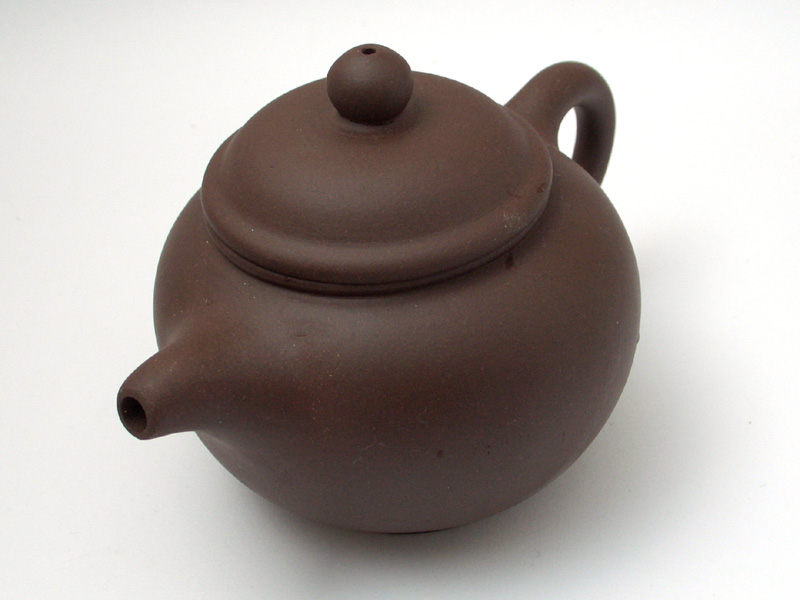 🇨🇳 Yixing, ChinaYixing clay teapot紫砂
Handcrafted Chinese purple clay teapots that season with every brewCraft · Tea, coffee and drinking ceremonies
🇨🇳 Yixing, ChinaYixing clay teapot紫砂
Handcrafted Chinese purple clay teapots that season with every brewCraft · Tea, coffee and drinking ceremonies
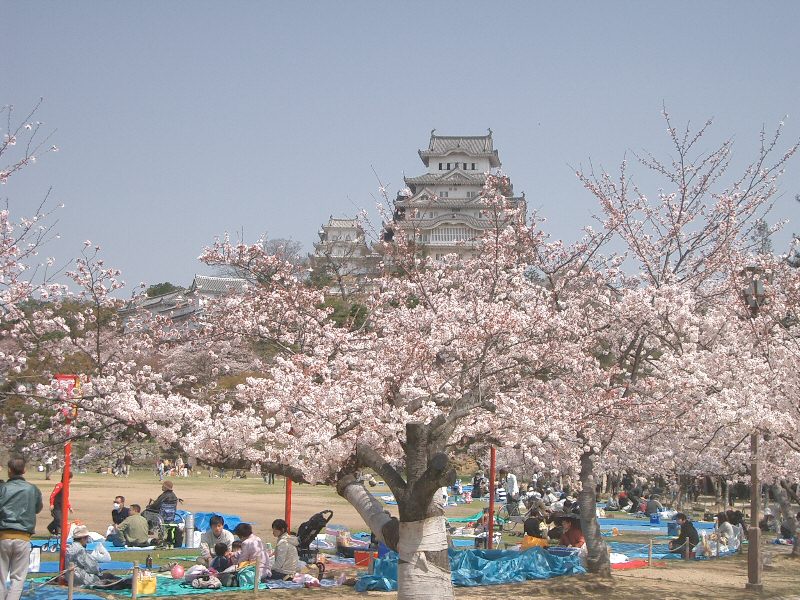 🇯🇵 Kyoto, Japan and 4 moreHanami花見
A Japanese spring custom of gathering under blooming cherry trees to eat, drink, and celebrate the fleeting beauty of thFestival · Lunch
🇯🇵 Kyoto, Japan and 4 moreHanami花見
A Japanese spring custom of gathering under blooming cherry trees to eat, drink, and celebrate the fleeting beauty of thFestival · Lunch
 🇯🇵 Kyoto, JapanHinamatsuri雛祭り
A March festival in Japan where families display ornamental dolls to pray for the health and happiness of young girls.Festival · Sweets given and shared
🇯🇵 Kyoto, JapanHinamatsuri雛祭り
A March festival in Japan where families display ornamental dolls to pray for the health and happiness of young girls.Festival · Sweets given and shared
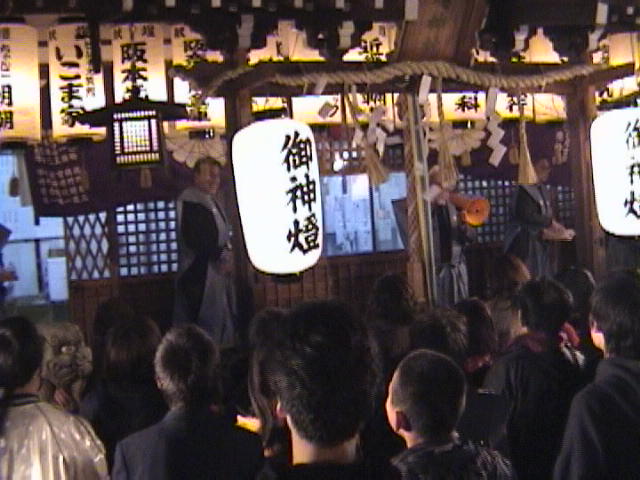 🇯🇵 Tokyo, JapanSetsubun節分
A Japanese ritual of throwing roasted soybeans to banish evil spirits and welcome spring.Festival · Feasts and festival meals
🇯🇵 Tokyo, JapanSetsubun節分
A Japanese ritual of throwing roasted soybeans to banish evil spirits and welcome spring.Festival · Feasts and festival meals
 🇨🇳 Xi'an, ChinaChinese tea culture中国茶文化 (Zhōngguó chá wénhuà)
A centuries-old practice of cultivating, brewing, and sharing tea as a social and spiritual ritual in China.Table custom · Tea, coffee and drinking ceremonies
🇨🇳 Xi'an, ChinaChinese tea culture中国茶文化 (Zhōngguó chá wénhuà)
A centuries-old practice of cultivating, brewing, and sharing tea as a social and spiritual ritual in China.Table custom · Tea, coffee and drinking ceremonies
 🇨🇳 China and 5 moreTea culture
How tea is prepared, shared and served, from Chinese tea houses to Tibetan butter teaTable custom · Tea, coffee and drinking ceremonies
🇨🇳 China and 5 moreTea culture
How tea is prepared, shared and served, from Chinese tea houses to Tibetan butter teaTable custom · Tea, coffee and drinking ceremonies
 🇨🇳 China and 5 moreYum cha飲茶
A Cantonese breakfast of dim sum and tea, eaten slowly in large groupsTable custom · Breakfast
🇨🇳 China and 5 moreYum cha飲茶
A Cantonese breakfast of dim sum and tea, eaten slowly in large groupsTable custom · Breakfast
 🇰🇷 South KoreaKorean tea ceremony다례 (茶禮)
Tea served in Korea as a rite of courtesy, now mostly grain and herbal brewsTable custom · Tea, coffee and drinking ceremonies
🇰🇷 South KoreaKorean tea ceremony다례 (茶禮)
Tea served in Korea as a rite of courtesy, now mostly grain and herbal brewsTable custom · Tea, coffee and drinking ceremonies
 🇨🇳 Lhasa, China and 5 moreButter teaབོད་ཇ་
A salted tea churned with yak butter, served to guests across the HimalayaTable custom · Tea, coffee and drinking ceremonies
🇨🇳 Lhasa, China and 5 moreButter teaབོད་ཇ་
A salted tea churned with yak butter, served to guests across the HimalayaTable custom · Tea, coffee and drinking ceremonies
 🇨🇳 Guangzhou, China and 1 moreDim sum點心 (traditional Chinese), 点心 (simplified Chinese)
Small dishes shared with tea, eaten as brunch in Cantonese teahouses and restaurantsTable custom · Breakfast
🇨🇳 Guangzhou, China and 1 moreDim sum點心 (traditional Chinese), 点心 (simplified Chinese)
Small dishes shared with tea, eaten as brunch in Cantonese teahouses and restaurantsTable custom · Breakfast
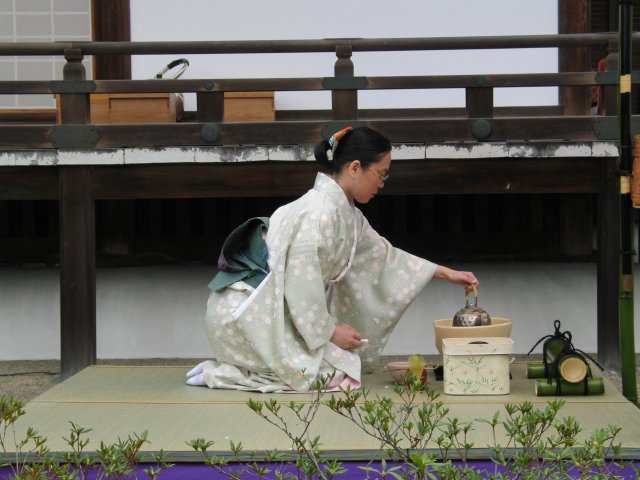 🇯🇵 Kyoto, JapanJapanese tea ceremony茶道 (Sadō / Chadō), 茶の湯 (Chanoyu)
The formal serving of powdered matcha, shaped by Zen, Shinto and wabiTable custom · Tea, coffee and drinking ceremonies
🇯🇵 Kyoto, JapanJapanese tea ceremony茶道 (Sadō / Chadō), 茶の湯 (Chanoyu)
The formal serving of powdered matcha, shaped by Zen, Shinto and wabiTable custom · Tea, coffee and drinking ceremonies
Photo credits on this page
The small pictures above come from Wikimedia Commons under free licences. Some are cropped to fit.
- Tea culture: Georges Seguin ( Okki ), CC BY-SA 3.0, source
- Hanami: Unknown author, CC BY-SA 3.0, source
- Chinese tea culture: Gary Stevens, CC BY 2.0, source
- Setsubun: Unknown author, CC BY-SA 3.0, source
- Night markets in Taiwan: Henry M. Trotter, Public domain, source
- Gongfu tea: Kandukuru Nagarjun, CC BY 2.0, source
- Yixing clay teapot: Commonsenses, CC BY-SA 3.0, source
- Butter tea: Yosomono, CC BY 2.0, source
- Yum cha: Infomofo, CC BY-SA 2.0, source
- Korean tea ceremony: Mai-Linh Doan, CC BY-SA 1.0, source
- Hinamatsuri: Lalupa, CC BY-SA 4.0, source
- Dim sum: Kolumbusjogger, CC BY-SA 3.0, source
- Japanese tea ceremony: Photograph taken by Stephane D'Alu ( en:User:Sdalu ) in April 2004, CC BY-SA 3.0, source