Spiritual and religious
Rites, prayers, pilgrimages, fasts and sacred days.
Spiritual and religious traditions are the rites that people keep to connect with the sacred: prayers, pilgrimages, fasts, blessings, holy days and the ceremonies of temples, churches, mosques, synagogues and shrines. They are among the oldest traditions in the world and often the most deeply felt. Here they are described as those who keep them would describe them, with care for what is sacred, and without ranking one faith above another. Browse by country, faith or season to see how the same human need is met in many ways.
Worship in daily life
For many people, the spiritual life is lived at home and in small acts: a morning prayer, a lit lamp, grace before a meal, a head covered or shoes removed at a door. Shrines in the kitchen, a prayer mat, a mezuzah on the doorpost and a rosary in the pocket all belong here. The big public rites rest on this quiet daily practice, and it is often a grandmother or a parent who teaches it, by doing it every day without comment.
Sacred time and place
Every faith marks sacred time: a weekly day of rest or prayer, a month of fasting, a festival of light, a season of penitence. Each also marks sacred places, from a river bank to a mountain, a cathedral to a village shrine. Pilgrims travel to them, and the journey itself is part of the rite. Calendars differ, some tied to the moon, others to the sun, so the dates move from year to year and are listed on the EveryParampara calendar.
Meeting across faiths
People of different faiths live side by side, and many traditions overlap or borrow. Neighbours share each other's festival sweets, attend each other's weddings and join in public celebrations such as Christmas markets or Diwali fairs. EveryParampara writes about each tradition on its own terms and cites the people who keep it. Where beliefs are contested, the page says so, and sacred matters are treated with respect.
Written by the EveryParampara desk with AI assistance. Background on Spiritual and religious (kind of tradition). Customs differ from place to place and family to family. If this is your tradition and we have it wrong, tell us.
 🇦🇺 Australia and 5 moreGood Friday
A solemn Christian holy day commemorating the crucifixion and death of Jesus Christ.Spiritual · Fasting and breaking the fast
🇦🇺 Australia and 5 moreGood Friday
A solemn Christian holy day commemorating the crucifixion and death of Jesus Christ.Spiritual · Fasting and breaking the fast
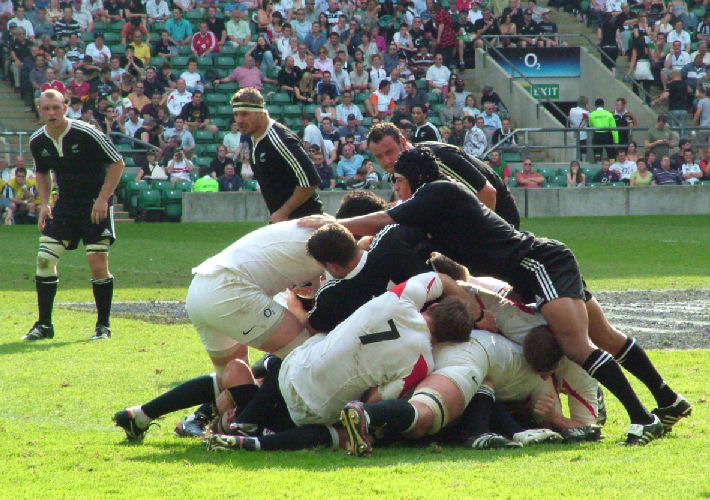 🇳🇿 Auckland, New ZealandWhakapapa
Māori genealogy, recited to place a person among ancestors, land and tribeHome
🇳🇿 Auckland, New ZealandWhakapapa
Māori genealogy, recited to place a person among ancestors, land and tribeHome
 🇳🇿 New Zealand and 2 moreMarae
A cleared, sacred gathering place at the heart of Māori and Polynesian community lifeSpiritual
🇳🇿 New Zealand and 2 moreMarae
A cleared, sacred gathering place at the heart of Māori and Polynesian community lifeSpiritual
 🇦🇺 AustraliaBark painting
Ochre pictures on flattened tree bark, an Aboriginal art form of northern AustraliaCraft
🇦🇺 AustraliaBark painting
Ochre pictures on flattened tree bark, an Aboriginal art form of northern AustraliaCraft
 🇵🇬 Maprik, Papua New GuineaHaus Tambaran
A sacred house of the Sepik peoples, used for ancestor worship and male initiationSpiritual
🇵🇬 Maprik, Papua New GuineaHaus Tambaran
A sacred house of the Sepik peoples, used for ancestor worship and male initiationSpiritual
 🇼🇸 Samoa and 1 morePeʻa
The traditional Samoan rite of full-body tattooing for men, tapped by master artistsRite of passage
🇼🇸 Samoa and 1 morePeʻa
The traditional Samoan rite of full-body tattooing for men, tapped by master artistsRite of passage
 🇹🇻 TuvaluMusic of Tuvalu
Rhythmic storytelling dances and choral singing from the Polynesian atolls of TuvaluPerformance
🇹🇻 TuvaluMusic of Tuvalu
Rhythmic storytelling dances and choral singing from the Polynesian atolls of TuvaluPerformance
 🇦🇺 AustraliaSmoking ceremonyNumbuk Yabbun
An Aboriginal Australian ritual of burning native plants to cleanse, heal and welcomeSpiritual
🇦🇺 Sydney, AustraliaCorroboreegaraabara
A gathering of Australian Aboriginal peoples featuring dance, music and storytellingFestival
🇦🇺 AustraliaSmoking ceremonyNumbuk Yabbun
An Aboriginal Australian ritual of burning native plants to cleanse, heal and welcomeSpiritual
🇦🇺 Sydney, AustraliaCorroboreegaraabara
A gathering of Australian Aboriginal peoples featuring dance, music and storytellingFestival
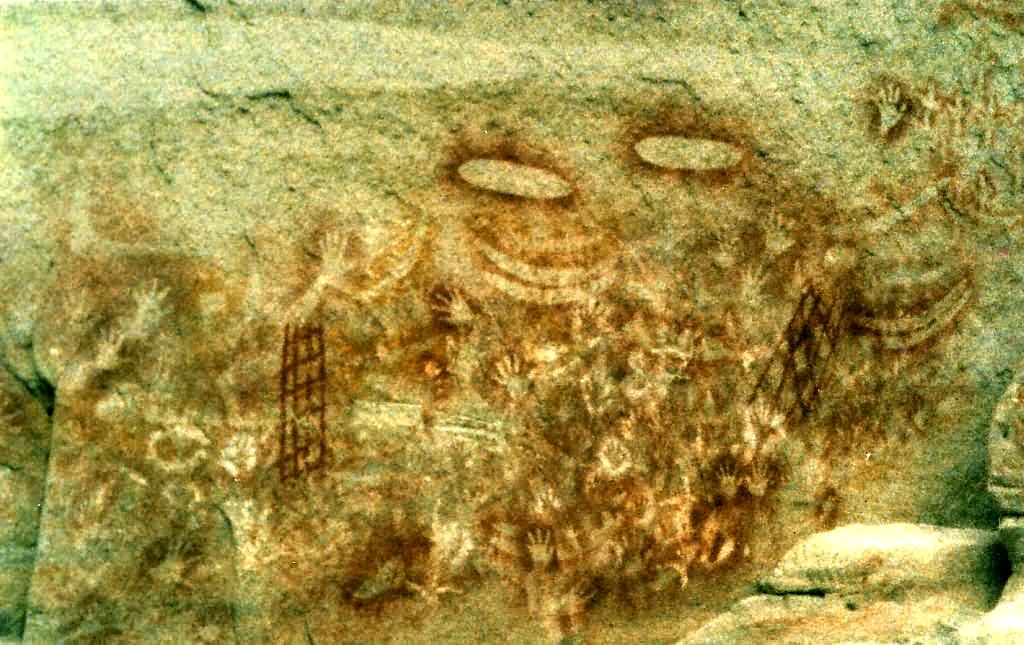 🇦🇺 AustraliaThe Dreaming
A living spiritual worldview and law connecting Aboriginal Australians to ancestors, land, and community.Spiritual
🇦🇺 AustraliaThe Dreaming
A living spiritual worldview and law connecting Aboriginal Australians to ancestors, land, and community.Spiritual
 🇫🇯 FijiTabua
A polished sperm whale tooth traded as a sacred gift in Fijian ceremonies and negotiations.Ceremony
🇦🇺 Sydney, AustraliaSongline
A navigational and spiritual path across Australia that links ancestral stories to the physical landscape.Folklore
🇼🇸 Samoa and 3 moreWhite SundayLotu Tamaiti
A Samoan holiday honoring children with church services, white clothing, and family gatherings on the second Sunday of OFestival · Dinner
🇳🇿 New ZealandKarakia
Māori incantations and prayers recited for spiritual guidance, safety and ceremonySpiritual
🇫🇯 FijiTabua
A polished sperm whale tooth traded as a sacred gift in Fijian ceremonies and negotiations.Ceremony
🇦🇺 Sydney, AustraliaSongline
A navigational and spiritual path across Australia that links ancestral stories to the physical landscape.Folklore
🇼🇸 Samoa and 3 moreWhite SundayLotu Tamaiti
A Samoan holiday honoring children with church services, white clothing, and family gatherings on the second Sunday of OFestival · Dinner
🇳🇿 New ZealandKarakia
Māori incantations and prayers recited for spiritual guidance, safety and ceremonySpiritual
 🇳🇿 Auckland, New ZealandWharenui
A Māori carved communal meeting house at the centre of tribal life in New ZealandHome
🇳🇿 Auckland, New ZealandWharenui
A Māori carved communal meeting house at the centre of tribal life in New ZealandHome
 🇳🇿 New ZealandMatariki
The Māori New Year marked by the midwinter rising of the Pleiades clusterSeasonal
🇫🇲 Satawal, MicronesiaPwo
An initiation that turns students of Caroline Islands wayfinding into navigatorsRite of passage
🇳🇿 New ZealandMatariki
The Māori New Year marked by the midwinter rising of the Pleiades clusterSeasonal
🇫🇲 Satawal, MicronesiaPwo
An initiation that turns students of Caroline Islands wayfinding into navigatorsRite of passage
 🇳🇿 Waitangi, New ZealandPōwhiri
A formal Māori welcome onto a marae, with calls, speeches, song and the hongiEtiquette
🇳🇿 Waitangi, New ZealandPōwhiri
A formal Māori welcome onto a marae, with calls, speeches, song and the hongiEtiquette
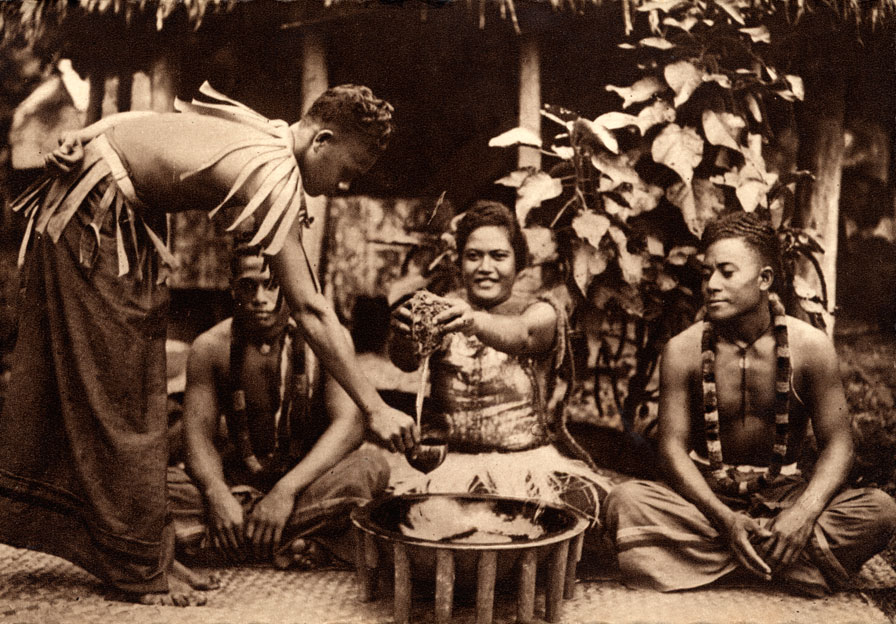 🇼🇸 Samoa and 1 moreʻAva ceremony
A solemn ritual of shared drink and oratory in Samoa and Tonga to mark chiefly titles and important gatherings.Festival
🇵🇬 Port Moresby, Papua New GuineaRepentance Day
An annual public holiday of prayer and national reflection across Papua New GuineaSpiritual
🇼🇸 Samoa and 1 moreʻAva ceremony
A solemn ritual of shared drink and oratory in Samoa and Tonga to mark chiefly titles and important gatherings.Festival
🇵🇬 Port Moresby, Papua New GuineaRepentance Day
An annual public holiday of prayer and national reflection across Papua New GuineaSpiritual
Photo credits on this page
The small pictures above come from Wikimedia Commons under free licences. Some are cropped to fit.
- Good Friday: Bellina 09, CC BY-SA 4.0, source
- Whakapapa: Jimmy Pitt, CC BY-SA 3.0, source
- Marae: W. Bulach, CC BY-SA 4.0, source
- Bark painting: Unknown artist, Public domain, source
- Matariki: Robert Gendler, CC BY-SA 4.0, source
- Haus Tambaran: Sylt-Tinto, CC0, source
- Wharenui: Unknown author, Public domain, source
- Music of Tuvalu: Avenue, CC BY-SA 3.0, source
- Smoking ceremony: Shillings1005, CC BY-SA 4.0, source
- The Dreaming: September 1985, Public domain, source
- Tabua: Hannes Grobe /AWI, CC BY 3.0, source
- Pōwhiri: Governor General of New Zealand, CC BY 4.0, source
- ʻAva ceremony: Unknown author, Public domain, source
- Peʻa: Thomas Andrew (1855-1939), Public domain, source